


TL;DR:
- An ethical beauty checklist verifies cruelty-free status, vegan ingredients, sustainability, regulatory compliance, and product performance. Brands must be checked for Leaping Bunny certification, traceable sourcing, MoCRA compliance, and verified efficacy to ensure responsible consumer choices. Separating cruelty-free from vegan and using trusted resources prevents misleading labels and promotes genuine ethical standards.
An ethical beauty checklist is a structured set of criteria that verifies cruelty-free status, vegan ingredient integrity, sustainable sourcing, regulatory compliance, and proven product performance before you buy. The industry term for this practice is responsible beauty evaluation, and it goes far beyond scanning a label for a bunny logo. Cruelty-free and vegan certifications must be verified separately, since one does not guarantee the other. A product can be cruelty-free yet contain beeswax, or be vegan yet sourced from a brand that tests on animals in overseas markets. This guide walks you through every criterion you need to shop with confidence.
1. How to verify cruelty-free status on your checklist for ethical beauty
Cruelty-free verification is the first and most misunderstood item on any responsible beauty checklist. Marketing labels like “not tested on animals” carry no legal weight in the United States, which means a brand can print that phrase and still fund third-party animal testing.
The gold standard is Leaping Bunny certification, which requires supplier-level audits and annual renewal. That distinction matters because it closes the loophole where a brand self-declares cruelty-free while its ingredient suppliers quietly test on animals. PETA’s Beauty Without Bunnies list, by contrast, relies on brand self-declaration and does not audit the supply chain.
Two additional factors can disqualify an otherwise credible brand:
- Parent company ownership. A certified indie brand acquired by a conglomerate that tests in restricted markets may lose its ethical standing. Check who owns the brand, not just the brand itself.
- China retail presence. Brands selling in physical retail stores in China are subject to mandatory post-market animal testing, which disqualifies them from Leaping Bunny certification. Cross-border e-commerce sales to China are a different category and do not trigger the same requirement.
Pro Tip: Use the Leaping Bunny brand directory before every purchase. It is regularly updated and is the most reliable database for confirming current certification status.
2. How to confirm vegan ingredients and avoid animal-derived components
Vegan verification requires a separate process from cruelty-free confirmation. A product is only truly vegan when it contains no animal-derived ingredients and is manufactured with controls that prevent cross-contamination from animal substances.
The Vegetarian Society’s Vegan Approved trademark certifies both criteria. It requires no animal ingredients, active measures to avoid contamination, and GMO-free conditions. BeVeg certification operates on a similar standard and is recognized internationally. These marks are your fastest shortcut when you do not have time to read every ingredient line.
When you do read the INCI list, watch for these commonly hidden animal-derived ingredients:
- Carmine (CI 75470) — a red pigment derived from crushed cochineal insects, found in lipsticks and blushes
- Lanolin — a wax secreted by sheep skin, common in lip balms and moisturizers
- Beeswax (Cera Alba) — used in lip products, mascaras, and creams
- Keratin — a protein from animal hair or hooves, marketed in hair treatments
- Squalene — historically shark-derived, though plant-based versions from olive oil now exist; check the source
- Collagen — typically bovine or marine in origin unless labeled plant-derived
The word “natural” does not mean vegan. Honey, silk proteins, and milk derivatives are natural and animal-derived. Scanning the full INCI list for hidden animal substances is non-negotiable, since marketing language can obscure ingredients like keratin or carmine under unfamiliar names.
Pro Tip: Screenshot or bookmark a reference list of animal-derived INCI names. Apps like Think Dirty or CosDNA let you search individual ingredients quickly while you shop.
3. Evaluating sustainability and responsible sourcing
Sustainability is the third pillar of any thorough ethical beauty evaluation. A brand can hold Leaping Bunny and vegan certifications while still sourcing palm oil from deforested land or shipping products in single-use plastic. Those gaps matter.
Start by checking whether a brand publishes a supplier accountability statement or a sourcing policy. Traceable sourcing means the brand can tell you where key ingredients originate and confirm no exploitative labor practices are involved. Fair trade certifications from organizations like Fairtrade International or the Fair Trade Federation signal that farmers and workers in the supply chain receive fair compensation.
Packaging is the most visible sustainability signal. Look for:
- Recycled or post-consumer recycled (PCR) materials
- Refillable formats that reduce single-use waste
- Biodegradable or compostable packaging
- Minimal secondary packaging (no unnecessary outer boxes)
The table below shows how common sustainability certifications differ in scope:
| Certification | What it covers | What it does not cover |
|---|---|---|
| USDA Organic | Ingredient farming practices | Animal testing, packaging |
| Fairtrade International | Worker pay and labor conditions | Ingredient sourcing methods |
| B Corp | Overall company social and environmental impact | Individual product formulas |
| Ecocert | Organic and natural ingredient standards | Supply chain labor practices |
For a deeper look at how sustainable beauty practices connect to modern skincare, Didisbeautycenter’s blog breaks down the real-world impact of responsible processing. You can also explore their eco-friendly skincare guide for practical packaging and ingredient criteria.
4. The role of regulatory transparency and safety compliance
Regulatory compliance became a more concrete checklist item in 2026 with the full implementation of the Modernization of Cosmetics Regulation Act, known as MoCRA. MoCRA expands FDA authority to include mandatory product listing, ingredient disclosure, safety substantiation, and adverse event reporting with public dashboards. This is the most significant overhaul of U.S. cosmetics law in decades, and it gives consumers a new layer of verification power.
What this means practically: brands now must substantiate safety claims with documented evidence, not just marketing copy. If a product claims to be hypoallergenic or dermatologist-tested, there must be data behind it. Adverse event dashboards let you check whether a product has generated safety complaints before you buy.
Use INCI nomenclature compliance as a quick trust signal. Brands that list ingredients using standardized international names are following the rules. Brands that use vague descriptors like “fragrance blend” without disclosure are hiding something, since “fragrance” can legally mask dozens of undisclosed chemicals.
Pro Tip: Search the FDA’s voluntary cosmetic registration database and the new MoCRA product listing portal to confirm whether a brand has registered its products. Registered brands are easier to hold accountable.
5. How to assess product performance alongside ethical claims
Ethical credentials mean nothing if the product does not work. The final item on a responsible beauty checklist is evidence-based performance, and it is the one most consumers skip.
Look for brands that hold triple certifications, such as Leaping Bunny, Vegan Society approval, and EWG Verified status, while also publishing clinical or consumer study results. EWG Verified signals that a product meets strict criteria for ingredient safety and transparency, adding a performance-adjacent layer to the ethical stack. A holistic ethical beauty checklist evaluates animal welfare, ingredient ethics, sustainability, and performance benchmarks together, because trade-offs between any of these categories undermine the whole purpose.
Specific signals that a brand substantiates its performance claims:
- Published clinical trial results or independent lab testing
- Dermatologist or allergy-tested documentation with sample sizes disclosed
- Before-and-after data with defined measurement criteria, not just testimonials
- Ingredient concentrations listed or available on request, not hidden behind proprietary blends
- Transparent formulation philosophy explaining why each ingredient is included
Eco-friendly packaging should not come at the cost of formula stability. A refillable glass jar is a sustainability win, but only if the formula inside maintains efficacy without preservatives that compromise your skin barrier. Brands that solve both problems simultaneously are the ones worth your loyalty.
Key takeaways
A complete checklist for ethical beauty requires separate verification of cruelty-free and vegan status, traceable sustainable sourcing, MoCRA-compliant regulatory transparency, and documented product performance.
| Point | Details |
|---|---|
| Verify cruelty-free separately | Use the Leaping Bunny directory; self-declared labels carry no legal weight. |
| Confirm vegan certification | Look for Vegetarian Society or BeVeg marks and scan the full INCI list for hidden animal derivatives. |
| Check sustainability credentials | Assess packaging materials, sourcing policies, and certifications like Fairtrade or B Corp independently. |
| Demand regulatory compliance | MoCRA-compliant brands list products with the FDA and publish safety substantiation data. |
| Require performance proof | Ethical claims paired with clinical or independent testing data signal a trustworthy brand. |
Why I stopped trusting labels and started using a checklist
I spent years buying products with bunny logos and “100% vegan” banners on the front, assuming I had done my due diligence. Then I discovered that two of my most-used products were owned by parent companies with documented animal testing programs in restricted markets. That was the moment I built my own verification system.
The shift that changed everything was learning to separate cruelty-free from vegan verification. They are two distinct questions requiring two distinct answers. I now open the Leaping Bunny database before I open a product page, and I keep a saved note on my phone with the 20 most common animal-derived INCI names. It takes three extra minutes per product and has saved me from dozens of purchases I would have regretted.
MoCRA’s 2026 requirements genuinely changed how I evaluate new brands. The adverse event dashboards are underused by most shoppers, but they are one of the most honest signals available. A brand with zero adverse event reports and full product registration is a brand that is not hiding anything.
My honest advice: treat your ethical beauty checklist as a living document. Certifications lapse, brands get acquired, and regulations evolve. The eco-friendly beauty checklist from Didisbeautycenter is a resource I return to regularly because it reflects current standards, not outdated ones. Discernment is not cynicism. It is the most respectful thing you can do for the brands that are genuinely doing the work.
— Gloria
Explore Didisbeautycenter’s ethically curated skincare
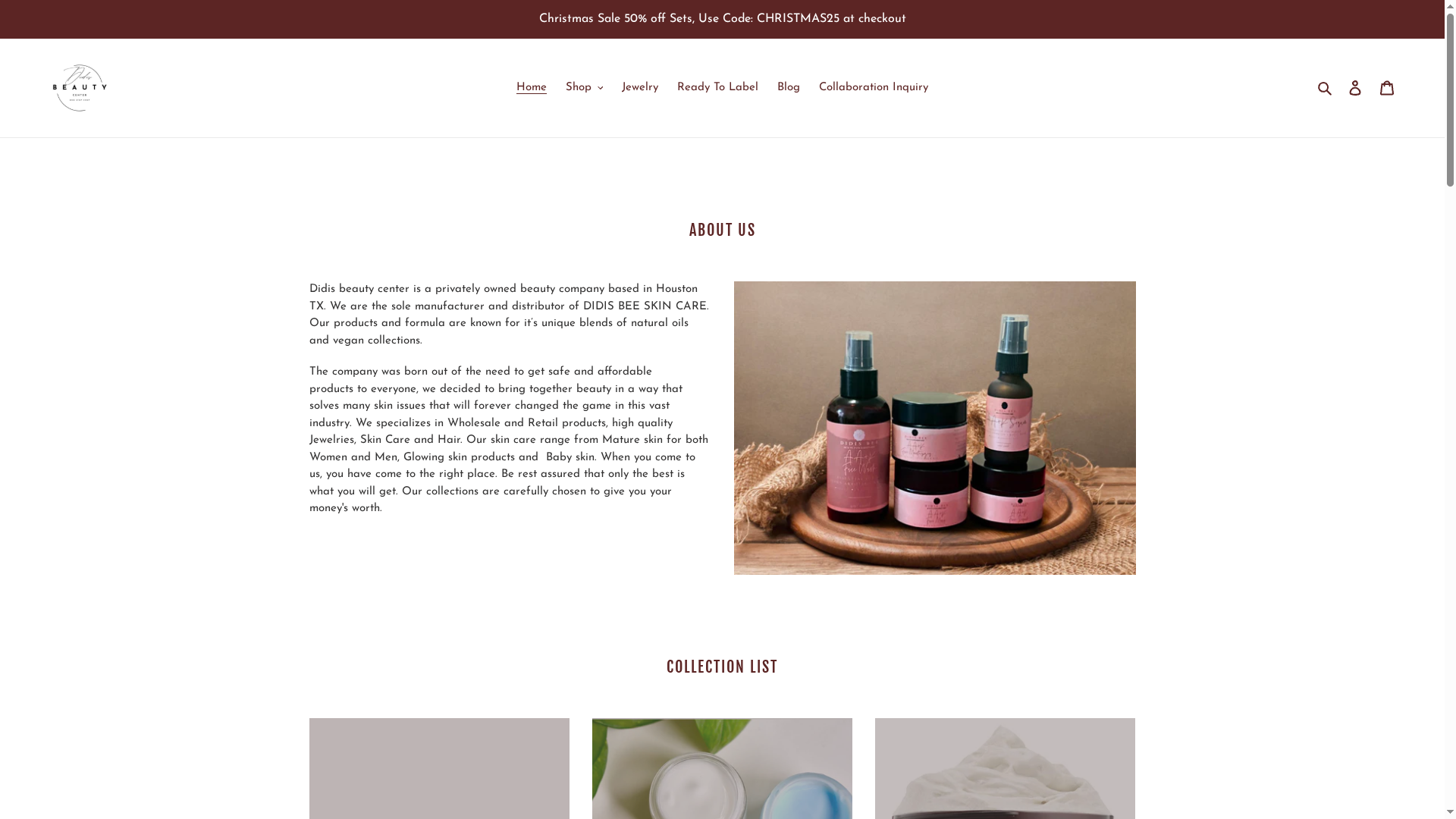
Didisbeautycenter builds its product line around the exact criteria in this checklist: natural and vegan formulations, transparent ingredient sourcing, and eco-conscious packaging. The Daily Essential Bundle is a strong starting point if you want a complete routine that aligns with ethical beauty standards without compromising on results. For targeted nighttime care, the Detox Nightwear Face Cream delivers a clean-formula option backed by real customer results. Every product reflects Didisbeautycenter’s commitment to making responsible beauty accessible and affordable for everyday shoppers and entrepreneurs alike.
FAQ
What is the difference between cruelty-free and vegan beauty?
Cruelty-free means no animal testing at any stage of production or supply chain. Vegan means no animal-derived ingredients in the formula. A product can be one without being the other, so both must be verified independently.
Which cruelty-free certification is the most trustworthy?
Leaping Bunny certification is the most rigorous standard because it requires supplier-level audits and annual renewal, not just brand self-declaration. The Leaping Bunny brand directory is updated regularly and is the most reliable consumer verification tool.
Does selling in China affect a brand’s cruelty-free status?
Brands that sell through physical retail stores in China are subject to mandatory post-market animal testing under Chinese regulations, which disqualifies them from Leaping Bunny certification. Brands selling only through cross-border e-commerce to China are not subject to the same requirement.
What does MoCRA mean for beauty shoppers in 2026?
MoCRA gives the FDA expanded authority over cosmetics, including mandatory product listing, ingredient disclosure, and adverse event reporting. Shoppers can now check public dashboards for safety complaints and confirm whether a brand has registered its products with the FDA.
How do I spot hidden animal-derived ingredients in beauty products?
Review the full INCI ingredient list and search for names like Cera Alba (beeswax), CI 75470 (carmine), lanolin, and keratin. These substances appear under technical names that marketing language rarely highlights, making a reference list or ingredient-scanning app a practical tool for every purchase.
Discourse (0)