


TL;DR:
- Vegan skincare products do not contain any animal-derived ingredients and are verified by third-party organizations. They offer benefits for skin health, reduce animal exploitation, and lessen environmental impact, with market growth reflecting increasing consumer demand. Advances in formulation science are closing the performance gap between vegan and conventional products, making vegan options a trustworthy and ethical choice.
Vegan formulations are skincare products made without any animal-derived ingredients, and they represent one of the most significant shifts in modern beauty. Why vegan formulations matter goes beyond ethics alone. Plant-based skincare connects your daily routine to health outcomes, environmental responsibility, and a growing demand for ingredient transparency. The vegan skincare market in North America is projected to reach $15.92 billion by 2025, a figure that reflects real consumer conviction, not just trend-chasing. If you’ve been wondering whether the switch is worth it, the answer is grounded in science, data, and your skin’s long-term wellbeing.
Why vegan formulations matter for skin, ethics, and the planet
The benefits of vegan formulations operate on three levels at once: what goes on your skin, what happens to animals, and what impact your purchase has on the environment. Most conventional skincare relies on ingredients like lanolin (from sheep’s wool), beeswax, collagen (from animal tissue), and carmine (from crushed beetles). Replacing these with plant-based alternatives removes a direct line of animal exploitation from your beauty routine.

From a skin health perspective, many consumers prefer vegan skincare for its simpler, gentler formulas built around botanical extracts. Fewer synthetic fillers and animal byproducts mean a lower risk of irritation, especially for sensitive or reactive skin types. Ingredients like shea butter, jojoba oil, and aloe vera deliver moisture and barrier support without the heaviness of animal-derived emollients.
The environmental case is equally direct. Animal agriculture, including the industries that supply beauty ingredients, generates significant land use, water consumption, and greenhouse gas emissions. Choosing plant-based skincare reduces your personal contribution to those supply chains. That’s not a small thing when you consider how many products the average person uses daily.
Here is a clear breakdown of the core vegan formulations advantages:
- Skin gentleness: Botanical ingredients like chamomile, green tea extract, and rosehip oil are less likely to clog pores or trigger allergic reactions compared to animal-derived alternatives.
- No animal exploitation: Vegan formulations exclude ingredients sourced through processes that harm or kill animals, from beeswax harvesting to collagen extraction.
- Lower environmental footprint: Plant-based ingredient sourcing generally requires less land and water than animal agriculture.
- Ingredient transparency: Certified vegan products must meet strict criteria including full ingredient disclosure, which pushes brands toward cleaner, more honest labeling.
- Cruelty-free alignment: Most vegan brands also commit to no animal testing, meaning the product is ethical from formulation to final shelf. You can read more about this connection in Didisbeautycenter’s guide to cruelty-free beauty meaning.
Pro Tip: Check for both a vegan certification AND a cruelty-free logo on packaging. A product can be vegan in ingredients but still be tested on animals, so you need both marks to confirm full ethical compliance.
How do vegan formulations compare to non-vegan alternatives?
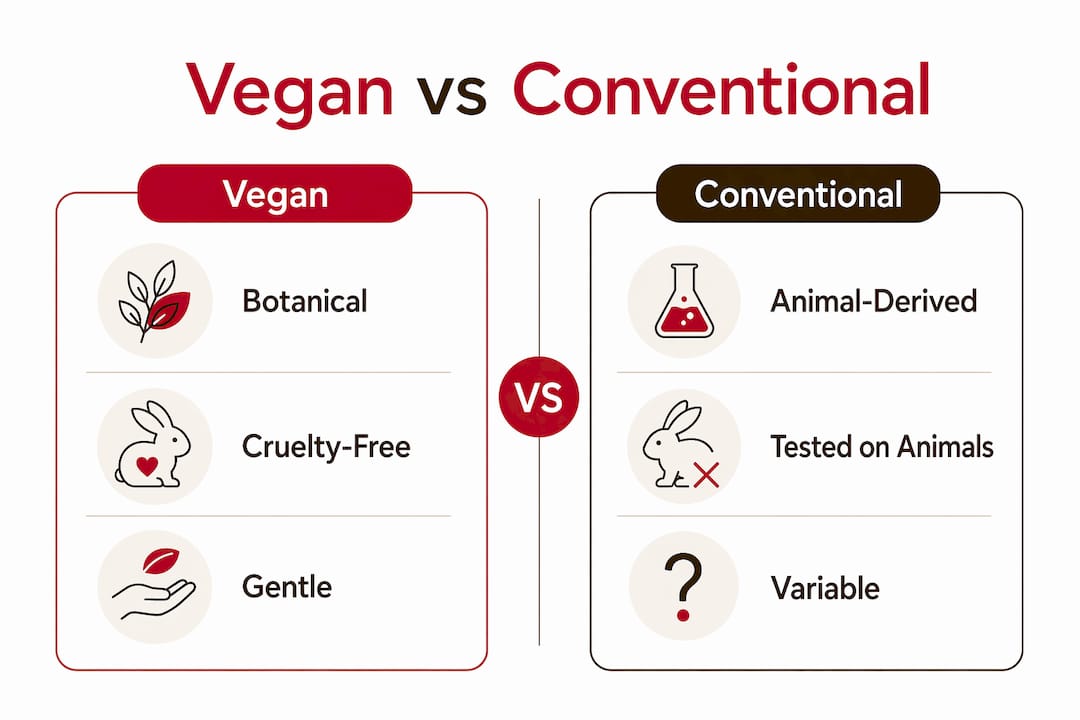
Performance is where vegan skincare has historically faced the most skepticism, and that skepticism is not entirely unfounded. Replacing animal-derived ingredients like beeswax and lanolin with plant-based alternatives can alter texture and melting points, creating real formulation challenges. Beeswax, for example, has a specific melting point and film-forming quality that plant waxes like candelilla or carnauba must work harder to replicate.
Cosmetic chemist Amanda Lam has noted that the sensory gap between conventional and vegan formulas is narrowing fast, driven by advances in plant-based emulsifiers, thickeners, and wax alternatives. Brands that once struggled with greasy or unstable textures are now producing vegan creams and serums that perform at the same level as their conventional counterparts. The key is formulation science, not just ingredient swapping.
The table below compares conventional and vegan formulation approaches across the dimensions consumers care most about:
| Attribute | Conventional Formulation | Vegan Formulation |
|---|---|---|
| Emollients | Lanolin, tallow, mink oil | Shea butter, jojoba oil, squalane (plant-derived) |
| Thickeners/Waxes | Beeswax, carnauba (animal-processed) | Candelilla wax, rice bran wax |
| Collagen/Proteins | Hydrolyzed animal collagen | Hydrolyzed wheat or rice protein |
| Texture stability | Well-established, predictable | Improving rapidly with new plant emulsifiers |
| Skin irritation risk | Higher for sensitive skin types | Generally lower due to simpler ingredient profiles |
| Ethical footprint | Involves animal sourcing | No animal-derived ingredients |
The honest reality is that some vegan formulas still underperform in specific categories like long-wear lip products or heavy-duty barrier creams. But for daily moisturizers, serums, toners, and cleansers, the performance gap has largely closed. Consumers increasingly demand vegan products that do not sacrifice sensory performance, and brands are responding with genuine innovation rather than just ethical marketing.
Pro Tip: When testing a new vegan moisturizer, apply it to clean, slightly damp skin. Plant-based emollients like squalane and jojoba absorb better with a small amount of water present, which improves both texture and efficacy.
What do consumer trends reveal about vegan product demand?
The numbers behind vegan skincare adoption tell a story about shifting consumer values, not a passing trend. A 2026 Edelman survey of 15,000 people found that 84% of global consumers prioritize sharing values like cruelty-free practices with the brands they buy from. That figure covers beauty purchases directly and signals that ethical alignment is now a baseline expectation, not a bonus.
What drives the purchase decision most often is not environmental guilt. Health concerns rank above environmental factors in motivating plant-based product purchases for many consumers. This “Meconomy” pattern means people choose vegan skincare primarily because they believe it is better for their own skin and body, with the ethical and environmental benefits as reinforcing factors. That’s a useful insight for anyone still on the fence: you don’t need to be an activist to benefit from vegan formulations.
Price remains a real friction point. Plant-based alternatives still cost significantly more than conventional products in many categories. That premium reflects the cost of sourcing quality botanical ingredients and meeting certification standards. The gap is narrowing as demand scales up and supply chains mature.
| Consumer Insight | Data Point | What It Means |
|---|---|---|
| Values alignment | 84% prioritize brand values (Edelman 2026) | Ethical claims now influence majority purchasing decisions |
| Primary motivation | Health ranks above environment (EcoVox 2026) | Skin health is the strongest driver for vegan skincare adoption |
| Market size | $15.92B projected for North America by 2025 | Vegan skincare is a mainstream category, not a niche |
| Price premium | Plant-based alternatives cost ~68% more | Quality vegan products carry a cost, but the gap is closing |
| Sales growth | Plant-based sales growing 3.3% in Europe | Consumer demand is consistent and growing across markets |
How can you identify trustworthy vegan skincare products?
Identifying genuinely vegan skincare requires more than reading the word “natural” on a label. Consumer confusion between “vegan,” “cruelty-free,” and “plant-based” is widespread, and that confusion is exactly what formal certifications are designed to resolve. Each term means something different, and brands sometimes use them interchangeably to mislead buyers.
Here is what each term actually means:
- Vegan: No animal-derived ingredients in the formula. Does not automatically mean cruelty-free.
- Cruelty-free: No animal testing at any stage of production. Does not automatically mean vegan ingredients.
- Plant-based: Primarily plant-derived, but may still contain some animal byproducts like honey or beeswax.
To shop with confidence, look for third-party certifications from organizations like The Vegan Society (the sunflower logo), PETA’s Beauty Without Bunnies program, or Leaping Bunny. These programs require full ingredient transparency and supply chain examination, which means the brand has been independently verified, not just self-declared.
Practical steps for reading ingredient lists:
- Search for hidden animal derivatives: glycerin (can be animal or plant-derived), stearic acid (often from animal fat), and keratin (from animal hair or hooves) are common ones to watch.
- Use apps like Think Dirty or EWG’s Skin Deep database to cross-reference ingredients quickly.
- Check the brand’s website for a full ingredient sourcing statement. Transparent brands publish this without hesitation.
Didisbeautycenter’s blog covers this topic in depth, including a full breakdown of what vegan beauty means in 2026 and how to navigate the terminology with confidence.
Key takeaways
Vegan formulations deliver real skin health benefits, ethical integrity, and environmental value, making them the most complete choice in modern skincare.
| Point | Details |
|---|---|
| Definition matters | Vegan formulations contain zero animal-derived ingredients and require third-party certification to verify the claim. |
| Health is the top driver | Consumers choose vegan skincare primarily for skin health benefits, not just environmental reasons. |
| Performance gap is closing | Advances in plant-based emulsifiers and waxes now match conventional formulas in most skincare categories. |
| Labels require scrutiny | “Vegan,” “cruelty-free,” and “plant-based” are not interchangeable; look for certified logos from The Vegan Society or Leaping Bunny. |
| Market demand is real | The North American vegan skincare market is projected at $15.92 billion, confirming this is a mainstream consumer priority. |
The shift i’ve watched happen in vegan skincare
I’ve followed the vegan beauty space long enough to remember when “vegan skincare” meant a watery lotion that pilled on your skin and smelled like a health food store. That era is over. What I find genuinely interesting now is that the conversation has moved from “is it ethical?” to “does it actually work better?” That’s a meaningful shift.
The brands that are winning in this space are not the ones leading with activism. They’re the ones that figured out plant-based emulsifiers, stabilized their formulas, and delivered a sensory experience that rivals conventional products. Consumers are not forgiving about texture anymore, and that pressure has made vegan formulation science sharper than it’s ever been.
What I tell people who are skeptical: the importance of vegan products is not about sacrifice. You’re not giving up performance for principles. You’re choosing formulas that tend to be gentler, more transparent in their ingredient sourcing, and backed by a growing body of consumer research showing real skin benefits. The health motivation is the one that tends to stick long-term. People who switch for ethical reasons sometimes drift back if the product doesn’t perform. People who switch because their skin is calmer and clearer? They stay.
My advice: start with one product category, like a daily moisturizer or toner, and give it 30 days. The results will tell you more than any label claim.
— Gloria
Explore vegan skincare that actually delivers
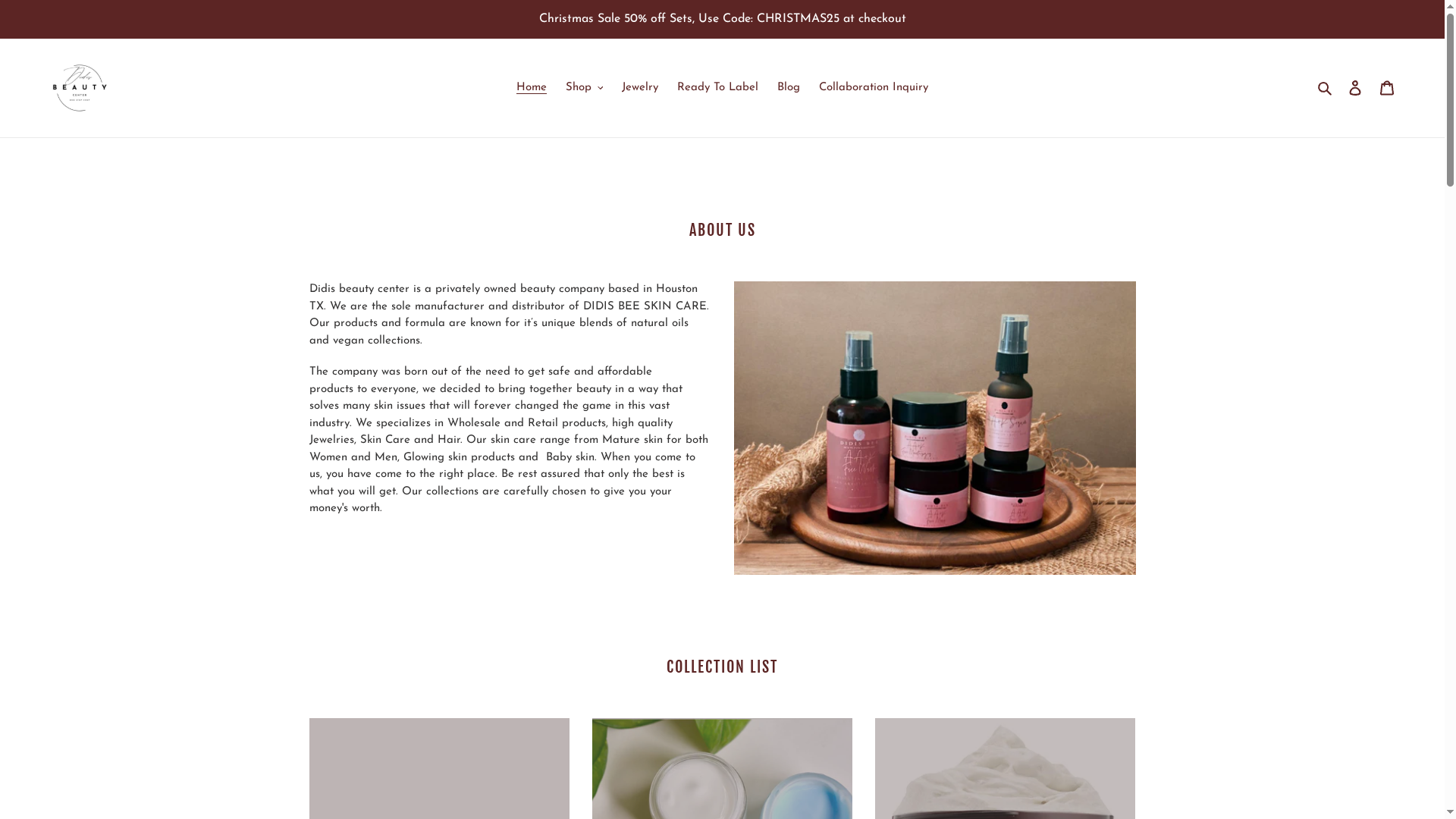
Didisbeautycenter carries a curated selection of vegan-friendly skincare built around the principles covered in this article: clean botanical ingredients, ethical sourcing, and formulas that perform in real daily use. If you’re ready to put these ideas into practice, the Daily Essential Bundle is a strong starting point. It brings together the core products you need for a complete routine, all aligned with the ethical and performance standards that make vegan skincare worth choosing. For targeted overnight repair, the Detox Nightwear Face Cream delivers plant-based actives while you sleep. Both products reflect what Didisbeautycenter stands for: effective, honest skincare you can trust.
FAQ
What makes a skincare product truly vegan?
A truly vegan skincare product contains no animal-derived ingredients and has been verified by a third-party certifier like The Vegan Society or Leaping Bunny. Self-declared “vegan” labels without certification carry no independent verification.
Are vegan formulations better for sensitive skin?
Vegan formulations are generally gentler on sensitive skin because they rely on botanical extracts and plant-based emollients that carry a lower irritation risk than many animal-derived ingredients. Simpler ingredient profiles also reduce the chance of triggering reactions.
Is vegan skincare the same as cruelty-free skincare?
Vegan and cruelty-free are not the same. Vegan means no animal ingredients in the formula; cruelty-free means no animal testing. A product can be one without being the other, so look for both certifications to confirm full ethical compliance.
Why do vegan skincare products sometimes cost more?
Vegan skincare products often carry a price premium because quality botanical ingredients and third-party certification processes add cost to production. Plant-based alternatives still cost significantly more than conventional animal-derived ingredients in many categories, though the gap is narrowing as demand grows.
How do i know if a vegan claim is legitimate?
Look for recognized certification logos such as The Vegan Society’s sunflower symbol or PETA’s cruelty-free bunny. Brands with genuine vegan credentials also publish full ingredient sourcing statements and welcome supply chain scrutiny.
Discourse (0)