


Choosing a skincare product goes far beyond just picking a nice scent for eco-conscious beauty lovers. The fragrances in your beauty routine are not only about aroma but come from complex plant-based extracts that interact deeply with both your senses and your well-being. By understanding the difference between natural fragrance compositions and synthetic alternatives, you gain insight into how these scents deliver genuine skin and emotional benefits while reflecting your commitment to sustainability.
Table of Contents
- Defining Natural Scents In Beauty Products
- Types Of Natural Aromatic Ingredients Used
- How Natural Scents Affect Skin And Well-Being
- Sustainability And Ethical Sourcing Insights
- Synthetic Vs. Natural Scents: Risks And Benefits
- Common Misconceptions About Fragrance Ingredients
Key Takeaways
| Point | Details |
|---|---|
| Natural Scents as Therapeutics | Natural scents from essential oils offer sensory and therapeutic benefits that enhance well-being beyond traditional fragrances. |
| Sustainability in Ingredients | Beauty brands are urged to prioritize sustainable and ethically sourced ingredients to support environmental and social responsibility. |
| Consumer Transparency | Demand for transparency in ingredient sourcing is increasing, encouraging brands to provide detailed information about their natural and synthetic components. |
| Educated Choices | Understanding the differences between natural and synthetic fragrances enables consumers to make informed decisions about personal care products. |
Defining Natural Scents in Beauty Products
Natural scents in beauty products represent more than just pleasant fragrances—they are complex botanical extracts with profound sensory and therapeutic potential. Essential oils derived from plants serve as the primary sources of these authentic, nuanced fragrances that go beyond simple aromatic experiences.
These natural fragrance components emerge directly from botanical sources like flowers, herbs, roots, and fruits, offering a pure alternative to synthetic chemical fragrances. Key characteristics of natural scents include:
- Direct plant extraction methods
- Preservation of original molecular structures
- Complex aromatic profiles with multiple therapeutic properties
- Minimal processing compared to artificial fragrances
Consumer preferences increasingly favor natural fragrance compositions that provide holistic sensory experiences. Natural fragrances contribute significantly to product perception by offering authentic sensory interactions that synthetic alternatives cannot replicate.
The most common natural fragrance sources include essential oils from lavender, citrus, eucalyptus, and geranium. These botanical extracts not only provide appealing scents but also deliver potential skin-nurturing benefits through their inherent chemical compounds like linalool, geraniol, and limonene.
Pro tip: When selecting beauty products, examine ingredient lists for recognizable plant-based essential oils to ensure authentic natural fragrance experiences.
Types of Natural Aromatic Ingredients Used
Natural aromatic ingredients represent a sophisticated palette of botanical extracts that transform skincare experiences. Aromatic plants serve as powerful cosmetic agents, delivering complex therapeutic benefits beyond simple fragrance.
The primary categories of natural aromatic ingredients include:
- Essential Oils: Concentrated plant extracts from lavender, rosemary, chamomile
- Herbal Extracts: Botanical compounds with specific therapeutic properties
- Terpenes: Molecular structures providing antioxidant and anti-inflammatory benefits
- Flavonoids: Plant-based compounds offering skin protection and rejuvenation
Herbal cosmetic ingredients like aloe vera, green tea, and turmeric have gained significant popularity due to their multifaceted skin-nurturing properties. These natural components offer more than aesthetic appeal—they provide genuine skin health advantages through their inherent chemical compositions.
Each aromatic ingredient brings unique characteristics to skincare formulations. Lavender offers calming properties, citrus extracts provide brightening effects, and chamomile delivers soothing sensations. The molecular complexity of these natural ingredients enables them to interact holistically with skin structures, promoting healing and regeneration.

Below is a quick reference for popular natural aromatic ingredients and their primary skincare benefits:
| Ingredient | Main Benefit | Common Use |
|---|---|---|
| Lavender | Calming, soothing effects | Stress relief aromatherapy |
| Citrus oils | Brightening, refreshing | Uplifting scents, toners |
| Chamomile | Reduces irritation | After-sun or sensitive skin care |
| Green Tea | Antioxidant, protective | Anti-aging creams |
| Turmeric | Anti-inflammatory | Clarifying masks |
| Aloe Vera | Moisturizing, healing | Soothing gels and lotions |
Pro tip: When exploring natural aromatic skincare, prioritize products featuring multi-functional botanical ingredients that offer both sensory and therapeutic benefits.
How Natural Scents Affect Skin and Well-Being
Natural scents represent a profound connection between botanical compounds and human physiology. Volatile organic compounds interact directly with human neurological systems, creating complex emotional and physiological responses that extend far beyond simple aromatics.
The primary mechanisms of natural scent interactions include:
- Neurological Pathways: Direct communication with brain’s emotional centers
- Stress Response Modulation: Reduction of cortisol and anxiety levels
- Immune System Signaling: Potential inflammatory response regulation
- Mood Enhancement: Triggering positive neurochemical cascades
The olfactory pathway plays a critical role in translating sensory experiences into measurable physiological outcomes. Natural plant-derived scents can potentially influence stress levels, cognitive function, and overall emotional equilibrium through complex neurochemical interactions.
Each aromatic molecule carries unique potential for wellness. Lavender might promote relaxation, citrus could energize, and chamomile could provide calming sensations. These natural scents work by engaging multiple sensory receptors, creating holistic experiences that synthetic fragrances cannot replicate.
Pro tip: Experiment with different natural essential oils to discover which scents personally resonate with your emotional and physiological well-being.
Sustainability and Ethical Sourcing Insights
Sustainable beauty represents a transformative approach to cosmetic production that prioritizes environmental responsibility and ethical practices. The cosmetics industry is undergoing a critical shift toward more conscious ingredient sourcing and manufacturing methods.
Key principles of sustainable beauty include:
- Green Chemistry: Replacing petrochemical ingredients with plant-based alternatives
- Supply Chain Transparency: Ensuring traceable and responsible ingredient origins
- Renewable Resource Utilization: Leveraging biotechnological advances
- Ecological Impact Reduction: Minimizing environmental footprint
Innovative technologies are reshaping sustainable beauty practices, introducing advanced methods like microbial cell factories and solvent-free extraction techniques. These approaches allow manufacturers to balance product efficacy with environmental stewardship, creating a new paradigm in cosmetic ingredient development.
Ethical sourcing goes beyond environmental considerations, encompassing fair labor practices, community development, and supporting indigenous agricultural communities. By prioritizing sustainable ingredients, beauty brands can create products that not only perform exceptionally but also contribute positively to global ecological and social systems.
Pro tip: Research beauty brands that provide detailed sustainability reports and transparent sourcing information to make more informed purchasing decisions.
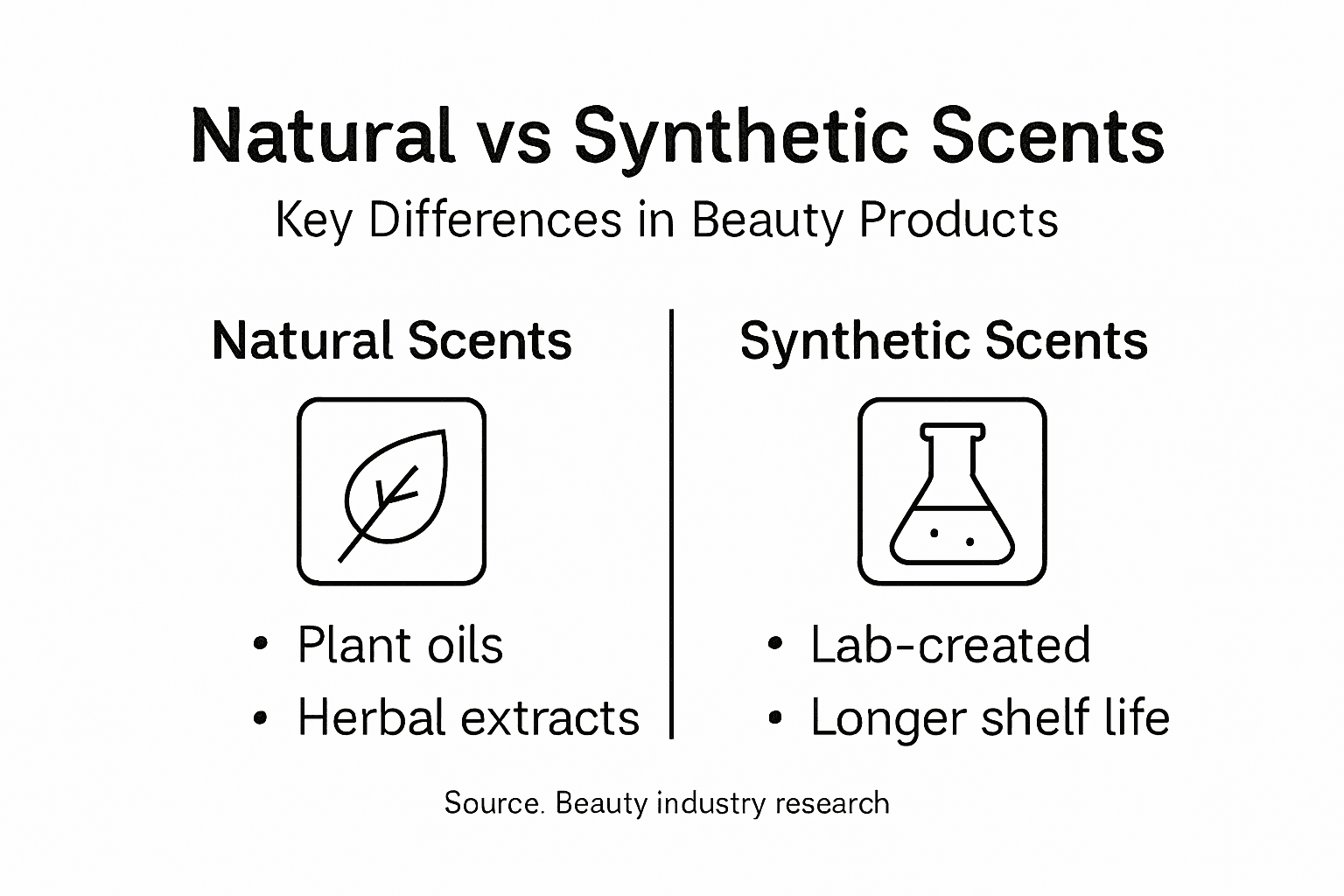
Synthetic vs. Natural Scents: Risks and Benefits
Fragrance selection involves navigating a complex landscape of sensory experience and potential health implications. Synthetic and natural fragrances present unique characteristics that demand careful consumer consideration.
Key comparative aspects include:
-
Natural Fragrances:
- Botanical oil origins
- Perceived as safer and eco-friendly
- Potential allergenic reactions
- Complex molecular structures
-
Synthetic Fragrances:
- Chemically engineered consistency
- More cost-effective production
- Longer-lasting scent profiles
- Potentially controversial environmental impact
Fragrance development involves intricate regulatory considerations, with both synthetic and natural approaches undergoing rigorous safety assessments. Synthetic fragrances can be strategically designed to minimize allergenic potential, offering manufacturers greater creative flexibility and reproducibility.
Consumers increasingly demand transparency, pushing the beauty industry toward more nuanced approaches that balance sensory experience, safety, and environmental consciousness. The future of fragrances lies in understanding molecular interactions, consumer preferences, and sustainable innovation.
Here’s a comparison of natural and synthetic fragrances to inform consumer choices:
| Aspect | Natural Fragrances | Synthetic Fragrances |
|---|---|---|
| Primary Source | Plant-based extracts | Lab-created molecules |
| Allergenic Potential | Higher for some plants | Designed for lower risk |
| Environmental Impact | Lower if sustainably sourced | Often higher, petroleum-based |
| Scent Variety | Limited by nature | Nearly unlimited options |
| Shelf Life | Shorter, can degrade | Longer, more stable |
| Cost | Generally more expensive | Usually more affordable |
Pro tip: Always check ingredient lists and research brand transparency to make informed fragrance choices that align with your health and environmental values.
Common Misconceptions About Fragrance Ingredients
Fragrance understanding requires challenging widespread myths that often mislead consumers. Perfume ingredient misconceptions frequently stem from marketing narratives rather than scientific evidence.
Common fragrance ingredient misconceptions include:
- Price Myth: Expensive doesn’t guarantee quality
- Natural Ingredient Fallacy: Natural doesn’t always mean safer
- Synthetic Ingredient Fear: Not all synthetic ingredients are harmful
- Universality Assumption: Fragrances interact differently with individual skin chemistries
Regulatory oversight plays a crucial role in ensuring ingredient safety across both natural and synthetic formulations. Scientific research demonstrates that proper ingredient selection, concentration, and application matter more than simplistic categorizations.
Consumer education is key to navigating fragrance complexity. Understanding that both natural and synthetic ingredients can contain potential allergens helps individuals make more informed choices. Skin sensitivity, personal preference, and individual biochemistry play significant roles in fragrance interactions.
Pro tip: Conduct patch tests and research ingredient lists to understand how specific fragrances interact with your unique skin chemistry.
Discover the Power of Natural Scents for Your Skin and Well-Being
Embrace the authentic benefits of nature with Didis Beauty Center’s exclusive Oils Collection: Skincare Oils for Face & Body. Our carefully curated selection of natural essential oils captures the calming, brightening, and soothing properties highlighted in the article. These botanically sourced oils offer more than just fragrance — they deliver therapeutic benefits that support your skin’s health and emotional balance.
Elevate your beauty routine with products crafted from high-quality, plant-based ingredients. Explore our variety of natural skincare options including nourishing oils and gentle Soaps designed for sensitive skin. Act now to experience the holistic effects of natural scents and support sustainable, cruelty-free beauty. Visit Didis Beauty Center today to find your perfect scent and start your journey toward radiant, balanced skin.
Frequently Asked Questions
What are natural scents in beauty products?
Natural scents are fragrances derived from botanical sources like flowers, herbs, and fruits, primarily through essential oils. They provide a pure aromatic experience and may offer therapeutic benefits that synthetic scents cannot.
How do natural scents affect skin and well-being?
Natural scents interact with the neurological system, potentially influencing mood and stress levels. They can promote relaxation, energize, or soothe through complex chemical interactions that impact emotional and physiological responses.
What are the main types of natural aromatic ingredients used in beauty products?
Common natural aromatic ingredients include essential oils (like lavender and citrus), herbal extracts (like green tea and turmeric), terpenes, and flavonoids. Each offers unique benefits for skin health and sensory experiences.
How do natural fragrances compare to synthetic fragrances?
Natural fragrances are derived from plant sources and may be perceived as safer and more eco-friendly, while synthetic fragrances are chemically engineered for consistency and cost-effectiveness. Each has unique qualities, including allergenic potential and environmental impact that consumers should consider.
Recommended
- Why Choose Natural Skincare: Lasting Benefits Revealed – Didis Beauty Center
- Why Choose Natural Skincare: Lasting Benefits Revealed – Didis Beauty Center
- 7 Signs of High-Quality Skincare for Natural Beauty – Didis Beauty Center
- 7 Signs of High-Quality Skincare for Natural Beauty – Didis Beauty Center
Discourse (0)