


TL;DR:
- Skin hydration refers to water content in the outermost layer, affecting plumpness and radiance.
- Effective hydration requires a combination of humectants, emollients, and occlusives layered properly.
- A true hydration routine supports barrier function, reduces water loss, and improves skin elasticity.
Your skin’s hydration level shapes everything from its texture and elasticity to how well it fights off irritation. Even if your skin never feels tight or flaky, it may still be running low on water content, which quietly weakens your barrier and dulls your natural glow. For those of us choosing natural and vegan formulations, understanding hydration goes beyond picking a moisturizer labeled “deeply nourishing.” This guide breaks down exactly what skin hydration means, what the science says, and how to build a plant-based routine that genuinely keeps your skin plump, resilient, and radiant.
Table of Contents
- What does it mean for skin to be hydrated?
- The science: Why your skin needs hydration
- Best natural and vegan ingredients for skin hydration
- How to build an effective hydration-focused skincare routine
- Our take: Why true hydration means more than just water
- Explore clean, hydration-focused skincare solutions
- Frequently asked questions
Key Takeaways
| Point | Details |
|---|---|
| Hydration is essential | Proper skin hydration keeps your barrier strong, smooth, and luminous. |
| Natural ingredients work | Plant-based humectants and vegan emollients effectively hydrate without animal-derived ingredients. |
| Layering is powerful | Using humectants first, then sealing in moisture, gets the best results for all skin types. |
| Routine should adapt | Choose hydration steps and ingredients based on your skin type and environmental needs. |
What does it mean for skin to be hydrated?
Hydration and moisture are often used like they mean the same thing, but they don’t. Skin hydration refers specifically to the water content held in your stratum corneum, which is the outermost layer of your skin. When that layer holds enough water, your skin looks plump and even, feels smooth to the touch, and bounces back when pressed. When it doesn’t, you start seeing dullness, fine lines, and a rough texture even if no visible dryness is present.
Here’s where most people get confused: oily skin can still be dehydrated. Oil and water are two entirely separate things. Your sebaceous glands produce oil to protect the surface of your skin, but that oil does nothing to replenish the water that evaporates from your cells throughout the day. So even if your T-zone is shiny by noon, your skin cells underneath might be starved for hydration.
So what actually delivers water to that top layer? Three categories of ingredients work together:
- Humectants draw water into the skin from the environment or deeper layers. Humectants like hyaluronic acid, glycerin, sodium PCA, and beta-glucan attract water molecules and hold them in place.
- Emollients smooth and soften the skin by filling in gaps between skin cells, helping your barrier feel intact and supple.
- Occlusives form a physical barrier on the surface to slow down water loss, sealing everything in.
A truly hydrated skin routine uses all three in layers, not just one. Most people reach for an occlusive moisturizer and call it done. But without a humectant underneath pulling water into the skin first, you’re essentially just sealing in dryness.
“Skin hydration isn’t about how much product you apply. It’s about whether the right type of ingredient reaches the right layer of skin at the right moment.”
For those prioritizing plant-based formulas, the good news is that many of the most effective humectants and emollients come straight from nature. You can explore a breakdown of vegan skincare ingredients that are both safe and high-performing if you want a deeper look at what to include in your routine.
The science: Why your skin needs hydration
Hydration isn’t just about looking good. It’s about keeping your skin barrier functional, which is the foundation of everything else your routine tries to accomplish.

One key concept here is trans-epidermal water loss, or TEWL. This is the rate at which water evaporates from your skin into the air. A healthy, well-hydrated barrier keeps TEWL low, meaning your skin retains moisture efficiently. When TEWL is high, your barrier is compromised. Irritants get in more easily, inflammation rises, and products that once worked well may start to sting or cause breakouts.
The research on this is compelling. A 12-week clinical trial found that oral sodium hyaluronate at 120mg per day significantly improved skin hydration, reduced water loss, and increased both skin elasticity and thickness. While that’s an oral supplement, the same mechanism applies topically. Ingredients that boost hyaluronic acid activity on and in the skin consistently show measurable improvements in barrier function.
Here’s a quick look at the core benefits hydration delivers:
- Improved elasticity — Hydrated skin snaps back when stretched. Dehydrated skin creases and stays.
- Fewer visible fine lines — Fine lines are often just creases in dehydrated skin. Proper hydration plumps them temporarily and reduces their depth over time.
- Stronger barrier function — A hydrated stratum corneum resists environmental stressors, UV damage, and pollutants more effectively.
- Reduced irritation — Dry, compromised barriers trigger inflammation. Hydration calms and strengthens the skin’s natural defenses.
- Support for your natural moisturizing factor (NMF) — Your skin naturally produces amino acids, urea, and lactic acid to hold water in cells. Hydrating products support and reinforce this existing system.
| Skin condition | TEWL level | Visible signs |
|---|---|---|
| Well-hydrated | Low | Plump, even, radiant |
| Mildly dehydrated | Moderate | Dullness, some fine lines |
| Severely dehydrated | High | Flaking, tightness, sensitivity |
For those using vegan skincare products, choosing formulas that address TEWL and support NMF is the key to lasting results rather than short-term surface gloss.
Best natural and vegan ingredients for skin hydration
Knowing what to look for on an ingredient label changes everything. The good news for natural and vegan skincare fans is that plant-derived hydrating ingredients are not a compromise. Many of them outperform synthetic alternatives.
Here’s how the main categories break down:
Plant-based humectants (draw water into skin):
- Aloe vera — One of nature’s most efficient humectants, with polysaccharides that bind water and soothe simultaneously.
- Glycerin from plant sources — Widely used, highly effective, and inexpensive. Works at multiple skin depths.
- Beta-glucan — Derived from oats or yeast, it penetrates deeply and supports barrier repair while hydrating.
- Plant-derived hyaluronic acid — Fermented from cassava or other plant substrates, it holds up to 1000 times its weight in water.
Vegan emollients (soften and smooth):
- Shea butter — Rich in fatty acids that mimic your skin’s own lipids.
- Plant-based ceramides — From wheat, rice bran, or sweet potato, these fill in the “grout” between skin cells.
Vegan occlusives (seal in moisture):
- Baobab oil — Lightweight yet effective at reducing moisture loss. Natural vegan options like aloe, baobab oil, rose water, and plant-derived hyaluronic acid are among the most clinically recognized.
- Squalane from olives — Closely matches your skin’s natural sebum, making it an excellent finisher.
- Rosehip oil — Packed with essential fatty acids, ideal for locking in hydration without clogging pores.
| Ingredient | Hydration role | Vegan source |
|---|---|---|
| Aloe vera | Humectant | Aloe plant |
| Glycerin | Humectant | Coconut or palm (plant) |
| Beta-glucan | Humectant + barrier | Oats, yeast |
| Shea butter | Emollient | Shea tree nut |
| Squalane | Occlusive | Olive or sugarcane |
| Baobab oil | Occlusive + emollient | Baobab fruit |
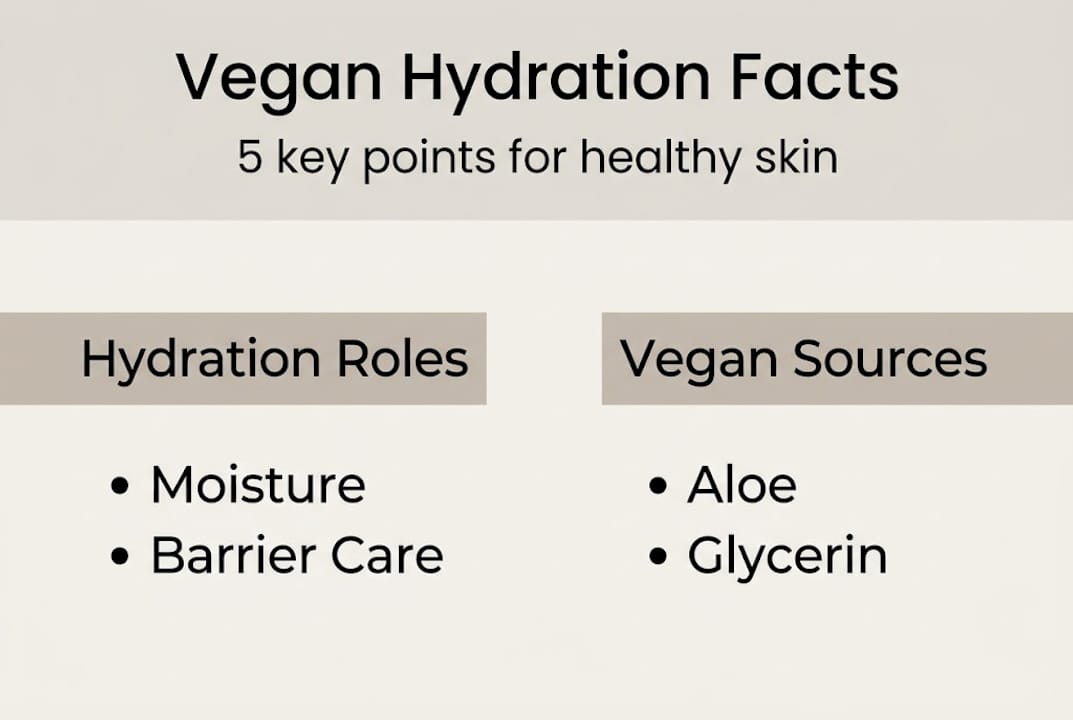
Pro Tip: Always apply your humectant (like aloe or hyaluronic acid serum) first to damp skin, then follow immediately with your emollient or occlusive. This traps the water the humectant just drew in. Skip this order and the humectant can pull water out of your skin instead of into it in dry environments.
For more on how plant-based oils fit into a hydration routine, facial oils for hydration offers a solid guide. And if you’re building a full routine, vegan beauty products worth knowing about can help you find the right matches.
How to build an effective hydration-focused skincare routine
Putting this all together into a daily routine doesn’t have to be complicated. The trick is getting the order right and choosing ingredients that match your skin’s current needs.
Step-by-step hydration routine:
- Cleanse — Use a gentle, sulfate-free cleanser that doesn’t strip your skin’s natural oils or NMF. Harsh cleansers raise TEWL immediately after washing.
- Mist or toner — Apply a hydrating mist (rose water, aloe mist) to slightly damp skin. This gives your humectant something to work with.
- Hydrating serum — Apply your humectant serum (hyaluronic acid, beta-glucan, or glycerin-based) while your skin is still slightly moist.
- Moisturizer — Choose one with emollients like shea butter or plant ceramides to seal in what your serum delivered.
- Face oil (if needed) — A light occlusive oil like squalane or baobab as a final layer locks everything in, especially in dry or cold climates.
How to read your labels for plant-based hydrating ingredients:
- Look for Aloe barbadensis leaf juice near the top of the ingredient list.
- Sodium hyaluronate (the salt form of hyaluronic acid) is the most common topical form.
- Glycerin should appear in the first five ingredients to be effective.
Adapting for your skin type:
- Dry skin: Add an extra emollient layer and choose richer occlusives like baobab oil.
- Oily skin: Stick to lightweight humectants and skip heavy occlusives. A gel-based formula works well.
- Sensitive skin: Prioritize natural vegan humectants and pair them with ceramides from non-animal sources to support your barrier without triggering reactions.
Pro Tip: Your environment matters more than most routines account for. In high humidity, a simple humectant serum plus a light moisturizer may be all you need. In dry or heated indoor air, you’ll need that occlusive layer to prevent your humectant from pulling moisture out of your deeper skin cells instead.
For ideas on building a routine that’s both effective and earth-friendly, eco-conscious vegan skincare is a great starting point. Budget-conscious readers may also find value in checking out affordable vegan skincare brands that deliver real results.
Our take: Why true hydration means more than just water
Here’s something most hydration guides don’t say out loud: buying a product labeled “ultra-hydrating” means almost nothing if you don’t understand where it fits in your routine.
We see this pattern constantly. People stock up on beautiful face oils and rich plant-based butters, convinced they’re hydrating their skin. But oils and butters are emollients and occlusives. They smooth and seal. Without a humectant underneath first, they’re not actually adding water to your skin.
True, lasting hydration is a three-part strategy: draw water in with humectants, reinforce the barrier with emollients, then seal with an occlusive. The sequence matters. The environment matters. And knowing which ingredients actually work matters far more than a product’s marketing claims.
The most sustainable, effective vegan routines we’ve seen aren’t the most expensive or elaborate ones. They’re built on understanding what each product actually does. That knowledge is what turns a collection of natural products into a routine that works. If you’re curious about how to sequence your products effectively, vegan skincare layering strategies can help you map out the right order for your skin type.
Explore clean, hydration-focused skincare solutions
If this guide has shifted how you think about hydration, the next step is finding products that actually reflect these principles. Not all natural formulas are built the same, and finding the right humectants, emollients, and occlusives in one clean, vegan lineup makes a real difference.
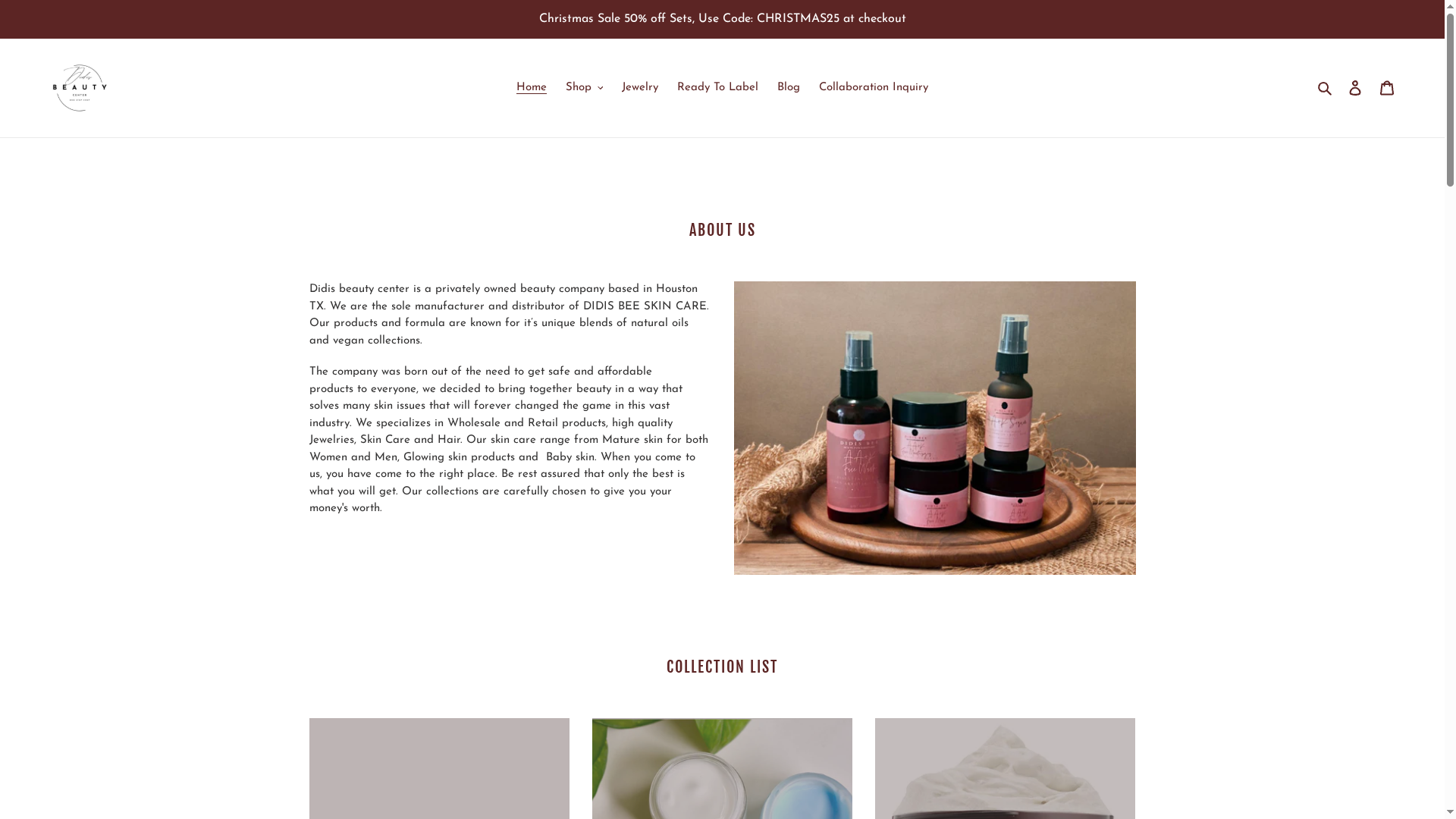
At Didis Beauty Center, our full skincare selection is curated around exactly this kind of ingredients-first thinking. From hydrating toners and serums to plant-based moisturizers with real barrier-supporting actives, each product is designed to work in sequence. If you’re building a brand of your own, our private label vegan skincare options let you launch a hydration-focused line with clean, effective formulas already tested and ready to go.
Frequently asked questions
What are the signs of dehydrated skin versus dry skin?
Dehydrated skin feels tight, looks dull, or shows fine lines and can affect any skin type including oily skin, while dry skin specifically lacks oil and tends to flake. Hydrated skin is more elastic and radiant regardless of oil levels.
Which vegan ingredients are best for locking in moisture?
Aloe, plant-based hyaluronic acid, glycerin, shea butter, and baobab oil are all effective vegan options that hydrate and seal moisture into the skin when layered correctly.
Does humidity in my environment affect how I should hydrate my skin?
Yes. High humidity means humectants have plenty of ambient moisture to draw from, while dry air conditions require more emollients and occlusives to prevent water loss from the skin’s surface.
Is drinking water enough for skin hydration?
Drinking water supports overall cell function, but topical humectants deliver direct benefits to the skin barrier and are essential for visible hydration, glow, and elasticity at the surface level.
Discourse (0)