


TL;DR:
- The slow beauty movement encourages mindful, intentional skincare focused on quality, patience, and sustainability. It emphasizes consistent routines, ethical sourcing, and holistic wellness over trend-chasing and product overload. Practicing slow beauty supports long-term skin health while reducing environmental impact and mental stress.
If you’ve ever felt overwhelmed by a 12-step skincare routine that changes every season, you’ve already felt the cost of fast beauty. The slow beauty movement is a direct answer to that exhaustion. It asks you to step back from trend-chasing and instead invest in rituals, ingredients, and habits that genuinely serve your skin and your wellbeing over time. This guide breaks down what the slow beauty movement means, why it matters for your skin health, and how to actually live it without overhauling your life overnight.
Table of Contents
- Key takeaways
- What is the slow beauty movement, really?
- Skin health benefits backed by science
- How slow beauty differs from clean beauty and minimalism
- How to actually practice slow beauty
- Environmental and ethical impact
- My honest take on why slow beauty changed how I see skincare
- Explore slow beauty products at Didisbeautycenter
- FAQ
Key takeaways
| Point | Details |
|---|---|
| Quality beats quantity | Fewer, well-chosen products support skin barrier health better than rotating through large collections. |
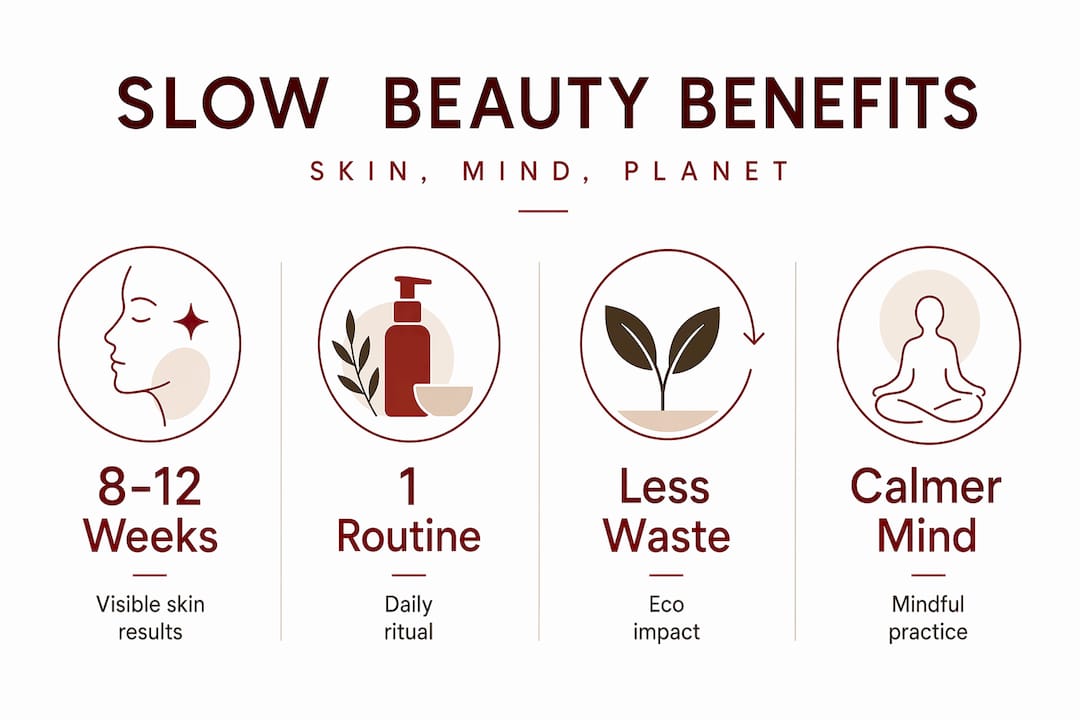
| Patience produces results | Clinical skincare trials take 8 to 12 weeks to show real improvement, so consistency matters more than speed. |
| Rituals over routines | Slowing down during skincare reduces stress and supports skin barrier recovery. |
| Sustainability is built in | Slow beauty naturally favors ethical sourcing, eco-friendly packaging, and reduced consumption. |
| Personalization is the point | Slow beauty invites you to tailor your approach to your skin type, lifestyle, and climate. |
What is the slow beauty movement, really?
The slow beauty movement is a philosophy, not a product category. It grew directly out of the broader slow living movement, which encourages people to resist the pressure of constant acceleration and instead choose presence, intentionality, and depth. Applied to beauty, that shift means treating your skincare practice as genuine self-care rather than a performance or a problem to solve.
At its core, the slow beauty philosophy rests on a few foundational values:
- Mindfulness. You pay attention to how products feel, what your skin needs today, and how your routine affects your mood. The application itself becomes meaningful.
- Sustainability. You choose brands and products that minimize environmental harm, from ingredient sourcing to packaging disposal.
- Quality over quantity. A small selection of products you trust and use consistently outperforms a shelf full of things you rotate through every few weeks.
- Holistic wellness. Slow beauty looks beyond skin appearance to consider sleep, nutrition, stress, and emotional health as equally important factors.
- Rituals over routines. A routine is a checklist. A ritual carries intention. Slow beauty treats the morning or evening skincare moment as something worth being present for.
This philosophy also aligns with what slow beauty as self-care describes as an inward turn, a counterweight to burnout culture that reconnects you with your body. It is not about being anti-technology or rejecting effective ingredients. It is about choosing thoughtfully instead of reactively.
Skin health benefits backed by science
The slow beauty lifestyle is not just philosophically appealing. It has real, measurable advantages for your skin, and dermatologists are increasingly validating its core principles.
Longevity skin care represents a major shift in expert thinking away from chasing anti-aging shortcuts and toward building daily habits that support skin resilience over decades. Sun protection, hydration, adequate sleep, and a diet rich in antioxidants are the pillars. These are not exciting product launches. They are boring, consistent practices that compound over years, which is exactly what slow beauty advocates.
One of the most important skin science principles slow beauty gets right is barrier protection. Frequent product swapping disrupts the skin’s acid mantle and increases the risk of irritation, sensitivity, and inflammation. When you stick to a curated set of products and give them time to work, your barrier stays intact and your skin becomes more resilient, not less. That resilience is what prevents premature aging, not any single miracle ingredient.
“Slowing down during skincare rituals reduces stress on skin and supports sympathetic nervous system recovery, meaning products applied mindfully may enhance relaxation and skin barrier strengthening.” — The Art + Sacred Ritual of Slow Beauty
Time expectations matter here too. Skincare ingredients need sustained use over many weeks before you see meaningful changes. If you switch products every three weeks because results feel slow, you are not giving any formula a fair chance. Slow beauty builds patience directly into the practice.
Pro Tip: If your skin is sensitive or dry, consider limiting cleansing to evenings only. Skipping morning cleansing preserves your skin’s protective acid mantle and reduces the risk of over-stripping, which is one of the most common mistakes in fast beauty routines.
How slow beauty differs from clean beauty and minimalism
These three movements overlap, and people often use the terms interchangeably. They are related but meaningfully different, and understanding those differences helps you make smarter choices.
| Movement | Core focus | What it prioritizes | Potential blind spots |
|---|---|---|---|
| Slow beauty | Mindfulness and rituals | Intentional practice, sustainability, holistic health | Can feel abstract without clear entry points |
| Clean beauty | Ingredient safety | Avoiding harmful or synthetic ingredients | Does not always address ritual or sustainability |
| Minimalism | Simplicity | Fewer products and reduced complexity | Can overlook the emotional depth of skincare rituals |
| Fast beauty | Speed and trends | Quick results, new launches, viral routines | Disrupts skin barrier, generates excess waste |
Slow beauty and minimalist skincare share a preference for fewer products, but slow beauty goes further. Minimalism asks, “Do I need this?” Slow beauty asks, “Does this serve me, and does it align with my values?” Clean beauty focuses on what is in the bottle. Slow beauty cares about that too, but also how you use it, where it came from, and how the ritual feels.
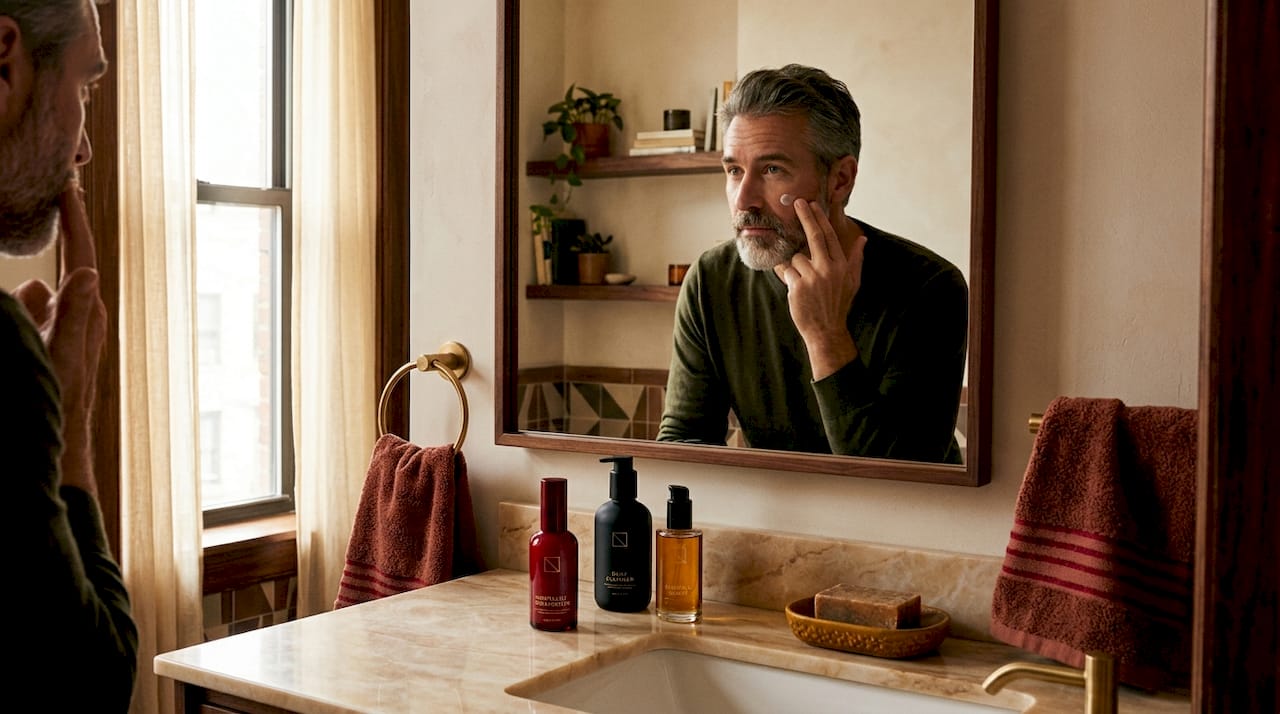
Fast beauty is the real contrast. It thrives on novelty: new launches, 10-step routines, trending ingredients that disappear from feeds six weeks later. The pitfalls of product overload are real. Layering too many actives too frequently breaks down the acid mantle and heightens irritation risk. Slow beauty treats that cycle as the problem, not the solution.
How to actually practice slow beauty
Adopting the slow beauty lifestyle does not require replacing everything in your bathroom cabinet. It starts with a shift in perspective and then gradually becomes a physical practice.
Here are the starting steps:
- Audit your current products. Go through everything you own. Discard expired items and set aside anything you have not used in 60 days. What remains is your actual routine, and it is probably smaller than you thought.
- Choose one anchor product. Pick one product you trust completely, whether that is a gentle cleanser, a nourishing facial oil, or a reliable SPF. Build your routine around it rather than around trends.
- Slow down application time. Use upward, circular massage strokes when applying serums or moisturizers. This is not just ritual theater. It supports lymphatic drainage and product absorption.
- Give products a full trial period. Commit to at least eight weeks with a new product before evaluating results. Real skin changes take time, and impatience is the fastest way to derail progress.
- Adapt to your body’s changes. Hormonal shifts affect skin significantly. For example, avoiding fragrances during perimenopause reduces the risk of reactions as skin becomes more sensitive. Your routine should evolve with you, not stay fixed.
- Build a seasonal awareness. Humidity, temperature, and UV exposure change throughout the year. A slow beauty routine adapts to each season rather than applying one formula year-round.
Pro Tip: Facial oils are one of the most practical multi-purpose tools in slow beauty. A single high-quality facial oil can replace a moisturizer, add a glow step, and even double as a gentle makeup remover, cutting product count without sacrificing results.
The foundation of a slow beauty practice is building naturally consistent routines that you can sustain across months and years. Consistency compounds. That is where the real transformation happens.
Environmental and ethical impact
The slow beauty movement’s relationship with sustainability is not incidental. It is structural. When you buy fewer products, you generate less packaging waste. When you choose brands that practice ethical sourcing and eco-friendly packaging, your purchasing power directly supports better industry standards.
Here is what that looks like in practice:
- Reduced overconsumption. Buying ten products you rotate through creates far more waste than buying three you use completely.
- Ingredient transparency. Slow beauty brands typically disclose their sourcing and formulation practices, making it easier to verify ethical claims.
- Cruelty-free practices. Many slow beauty brands overlap with vegan and cruelty-free certifications because the philosophy of gentleness extends to animals and ecosystems, not just skin.
- Community and education. Social media platforms play a growing role in spreading slow beauty education, with influencers promoting ingredient transparency and mindful consumption over product hauls.
Choosing an eco-conscious beauty routine is not a sacrifice. It is a more deliberate way to spend your beauty budget on things that actually work, and that leave a lighter footprint.
My honest take on why slow beauty changed how I see skincare
I spent years chasing results. New serums, new actives, new systems. My skin was reactive, and I kept assuming the answer was more. More products, better formulas, faster results. What I did not see was that the problem was the pace itself.
When I started slowing down, the first thing I noticed was not better skin. It was less anxiety about my skin. The ritual of washing my face carefully at night, using three products I genuinely trusted, and not checking for results every morning created a kind of relief I had not expected. The skin improvements came later, and they were real. But the mental shift came first.
What I have learned is that most of us are not lacking the right product. We are lacking consistency and permission to stop experimenting. Slow beauty gives you that permission without making you feel like you are falling behind.
The hardest part is social pressure. Beauty content moves fast, and the constant stream of “you need this now” messaging is genuinely hard to resist. My advice is to use that pressure as a signal. Every time a new launch makes you feel like your current routine is not enough, that is an invitation to pause and ask whether your skin actually needs it or whether the marketing does.
Slow beauty is not rigid. It can include a new product. It can include an indulgent mask. What it cannot include is the belief that more is always better. Once that belief loosens, the whole practice gets easier.
— Gloria
Explore slow beauty products at Didisbeautycenter
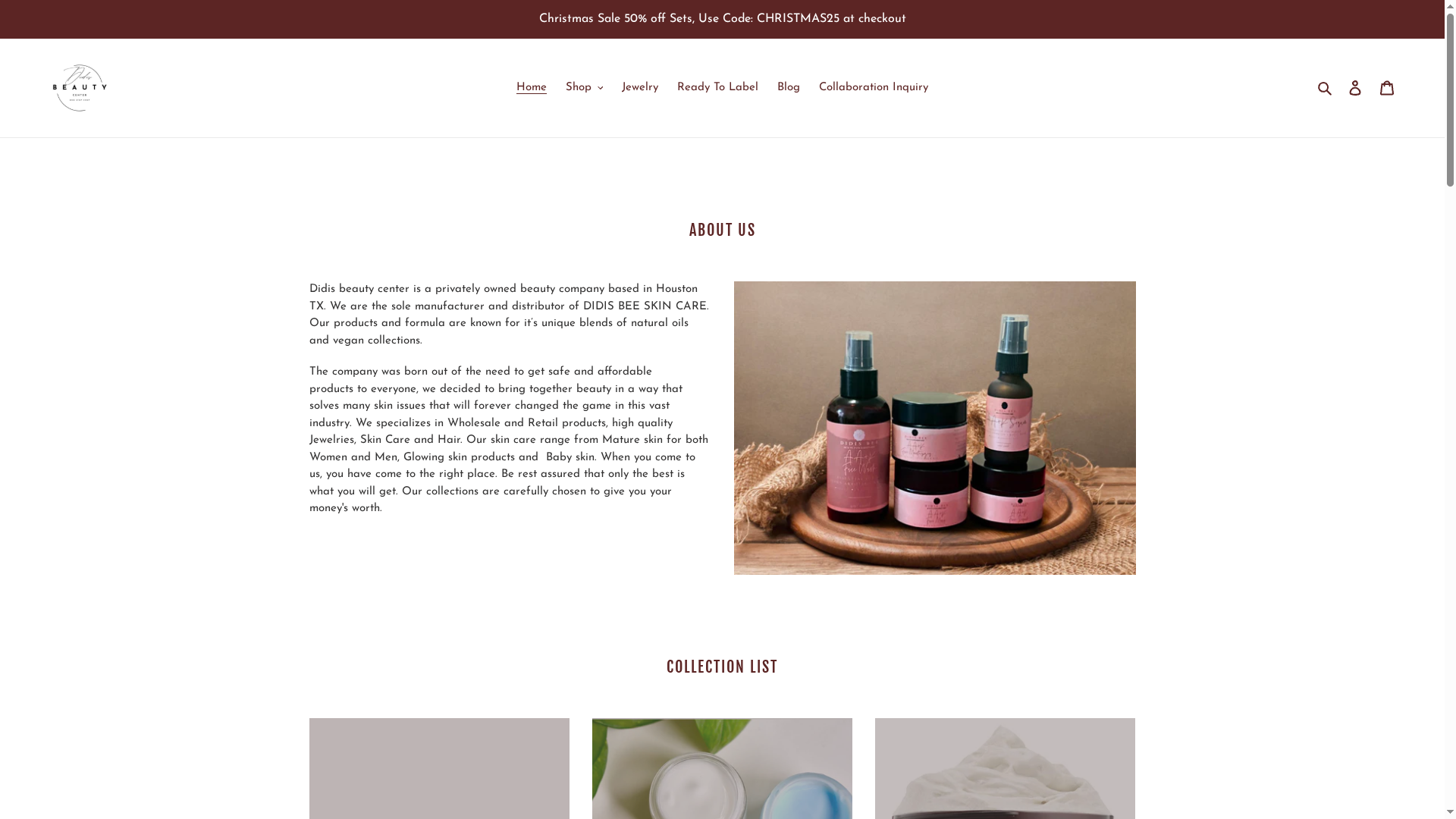
If you are ready to start putting slow beauty principles into practice, Didisbeautycenter offers a carefully curated selection of natural, vegan skincare formulations designed with exactly this philosophy in mind. The products are built for consistency, skin barrier support, and real results over time, not for novelty.
For entrepreneurs who want to build their own slow beauty brand, the private label program offers ethically sourced, clean formulations you can trust and put your name on. Didisbeautycenter also carries ritual-enhancing accessories like facial tools that make the slow beauty practice more tactile and intentional. Every product reflects a commitment to cruelty-free, eco-conscious beauty that does not ask you to choose between quality and conscience.
FAQ
What is slow beauty in simple terms?
Slow beauty is a mindfulness-based approach to skincare that prioritizes intentional rituals, sustainable products, and consistent habits over trend-driven routines and quick fixes.
How does slow beauty differ from clean beauty?
Clean beauty focuses on ingredient safety, while slow beauty encompasses the full practice including ritual, sustainability, ethical sourcing, and holistic wellness. The two often overlap but are not the same.
How long does it take to see results from slow beauty practices?
Meaningful skin improvements typically require 8 to 12 weeks of consistent product use, which is why patience is a foundational principle in slow beauty.
Is slow beauty only for people with sensitive skin?
No. Slow beauty principles benefit all skin types because they support barrier health, reduce irritation from over-experimenting, and build long-term skin resilience regardless of skin type.
Can I practice slow beauty on a budget?
Yes. Slow beauty actually tends to cost less over time because it encourages buying fewer, higher-quality products rather than accumulating large collections you cycle through quickly.
Discourse (0)