


Holistic skincare is revolutionizing how we approach beauty by addressing skin health from the inside out. Unlike conventional methods that focus solely on topical treatments, this approach integrates nutrition, gut health, stress management, and ethical product choices for lasting results. Consumers are seeking routines that address root causes, emphasizing inner health and outer radiance. This guide walks you through practical steps for building a natural, vegan skincare routine that works from every angle.
Table of Contents
- Understanding Holistic Skincare: Beyond The Surface
- The Role Of Gut Health And Nutrition In Skin
- Natural, Vegan, And Organic Skincare: Benefits And Cautions
- Scientific Approaches And Supplements Enhancing Holistic Skincare
- Explore Holistic Skincare Solutions With Didis Beauty Center
- Frequently Asked Questions
Key takeaways
| Point | Details |
|---|---|
| Inner health matters | Holistic skincare combines gut balance, stress management, and nutrition with topical care for comprehensive results. |
| Vegan products align values | Natural vegan formulations support ethical consumption while nourishing skin without animal-derived ingredients. |
| Supplements boost results | Oral sodium hyaluronate improves hydration, elasticity, and reduces wrinkle depth when combined with topical care. |
| Organic needs caution | Even natural ingredients like tea tree or lavender oils can trigger allergies; personalization prevents irritation. |
| 360-degree approach wins | Combining diet, lifestyle changes, and ethical skincare routines delivers superior long-term skin health. |
Understanding holistic skincare: beyond the surface
Holistic skincare represents a fundamental shift from treating symptoms to addressing root causes. This approach integrates multiple dimensions of wellness: diet, lifestyle habits, stress levels, emotional well-being, and topical care work together to create healthier skin.
Conventional skincare often promises quick fixes through potent active ingredients applied directly to skin. Holistic methods take a different path by recognizing that what happens inside your body profoundly affects what shows up on your face. Your gut microbiome, cortisol levels, nutrient intake, and even sleep quality all play crucial roles in skin appearance.
Key elements that define holistic skincare include:
- Gut health optimization through probiotics and anti-inflammatory foods
- Stress management practices like meditation or yoga
- Nutrient-dense diets rich in antioxidants and healthy fats
- Ethical product selection focusing on vegan skincare and cruelty-free formulations
- Lifestyle modifications including adequate hydration and quality sleep
Many users report significant improvements in skin clarity, tone, and texture when they address underlying health factors alongside topical treatments. This 360-degree approach aligns perfectly with the natural vegan movement, which prioritizes both personal wellness and environmental responsibility.
“True beauty radiates from within when you nourish your body, mind, and skin as interconnected systems rather than separate concerns.”
The holistic framework empowers you to make informed choices about everything from the foods you eat to the products you apply. It’s about creating sustainable habits that support lifelong skin health rather than chasing temporary results.
The role of gut health and nutrition in skin
Your digestive system directly influences your complexion in ways most people never consider. Research shows that gut health significantly impacts skin, with inflammation in the gut potentially worsening skin conditions like acne. Approximately 80 to 85 percent of skin issues including breakouts, dullness, and premature aging connect back to gut imbalances and systemic inflammation.

The gut-skin axis operates through several mechanisms. When your digestive system struggles with dysbiosis or inflammation, it triggers immune responses that manifest as skin problems. Poor gut health compromises your body’s ability to absorb nutrients essential for skin repair and collagen production. It also increases inflammatory markers that accelerate aging and worsen conditions like eczema or rosacea.
Nutrition provides the building blocks for healthy skin from within. Antioxidant-rich foods combat free radical damage, while omega-3 fatty acids reduce inflammation and support skin barrier function. Probiotics restore beneficial gut bacteria that improve digestion and reduce systemic inflammation. Vitamins A, C, and E support collagen synthesis and protect against environmental damage.
Practical dietary strategies for better skin include:
- Consuming fermented foods like kimchi, sauerkraut, or kombucha for probiotic benefits
- Eating colorful vegetables and fruits packed with skin-protective antioxidants
- Including healthy fats from avocados, nuts, and seeds to support skin barrier integrity
- Staying hydrated with at least eight glasses of water daily to maintain skin moisture
- Limiting processed foods and refined sugars that spike inflammation
Stress management deserves equal attention because elevated cortisol levels disrupt both gut health and skin function. Chronic stress impairs digestion, weakens skin barrier defenses, and accelerates aging. Incorporating eco-friendly beauty tips alongside stress-reduction practices creates a comprehensive wellness approach.
Pro Tip: Start your day with a probiotic-rich smoothie containing Greek yogurt, berries, and spinach. This simple habit supports gut health while delivering skin-nourishing antioxidants in one convenient package.
Combining these internal health strategies with external vegan skincare products amplifies results. When you nourish your body from the inside while using clean, ethical formulations on the outside, you create optimal conditions for radiant, healthy skin.
Natural, vegan, and organic skincare: benefits and cautions
Natural and vegan skincare products have surged in popularity as consumers prioritize ethical, environmental, and health considerations. These formulations exclude animal-derived ingredients and often emphasize plant-based actives that align with holistic wellness values. However, the natural label doesn’t automatically guarantee safety or effectiveness for everyone.
The appeal of vegan skincare extends beyond personal health to encompass cruelty-free testing practices and reduced environmental impact. Plant-based ingredients like aloe vera, jojoba oil, and green tea extract offer proven benefits without ethical concerns. Many people experience fewer irritations when switching from synthetic-heavy conventional products to thoughtfully formulated natural alternatives.
Yet organic ingredients carry their own risks. Research indicates that organic ingredients can contain allergens and impurities, with common culprits including tea tree oil, lavender oil, and peppermint oil. These natural substances can trigger contact dermatitis or allergic reactions in sensitive individuals. The assumption that “natural equals safe” overlooks individual variability in skin tolerance.
Personalization becomes critical when selecting skincare products. What works beautifully for one person might cause breakouts or irritation for another, regardless of whether ingredients are natural or synthetic. Consider your specific skin type, sensitivities, and concerns before adopting any new routine.
| Aspect | Natural/Organic Products | Synthetic Products |
|---|---|---|
| Allergen risk | Can contain natural allergens like essential oils | Generally lower allergen potential with purified ingredients |
| Environmental impact | Typically biodegradable with lower ecological footprint | May contain persistent chemicals that accumulate in ecosystems |
| Efficacy consistency | Can vary based on plant source and growing conditions | Highly standardized with predictable results |
| Ethical considerations | Often cruelty-free and vegan-friendly | May involve animal testing or animal-derived ingredients |
Key considerations for choosing natural vegan products:
- Always patch test new products on a small skin area before full application
- Research specific ingredients rather than relying solely on “natural” marketing claims
- Look for products with minimal essential oil content if you have sensitive skin
- Choose brands transparent about sourcing and testing practices
- Follow a 4-week vegan skincare layering guide when transitioning to new products
Pro Tip: Introduce one new natural product at a time with at least two weeks between additions. This methodical approach helps you identify any problematic ingredients before building a complete routine.
The optimal strategy combines the best of both worlds: leveraging proven plant-based actives while remaining open to safe synthetic ingredients when they offer superior stability or efficacy. Your goal should be finding formulations that work for your unique skin, not adhering rigidly to any single philosophy.
Scientific approaches and supplements enhancing holistic skincare
Modern science has validated many holistic skincare principles while introducing innovative methods that bridge traditional wisdom and cutting-edge research. Two particularly promising developments include oral sodium hyaluronate supplementation and the APIA skin management methodology, both of which enhance results when integrated into comprehensive skincare routines.
Oral hyaluronate supplements represent a breakthrough in skin hydration and structural support. Unlike topical hyaluronic acid, which primarily affects the skin’s surface layers, oral sodium hyaluronate supplementation improves hydration and elasticity, reduces water loss, and decreases wrinkle depth throughout skin tissue. The supplement works systemically to boost moisture retention, enhance collagen integrity, and improve overall skin texture from within.

The APIA methodology offers a personalized, science-backed framework for skin management. Research on APIA scientific skin management shows benefits from personalized scientific approaches that analyze individual skin characteristics and customize treatment protocols accordingly. This systematic method evaluates factors like skin type, concerns, lifestyle, and goals to create targeted interventions.
| Supplement Type | Typical Dosage | Primary Effects | Timeline for Results |
|---|---|---|---|
| Sodium Hyaluronate | 120-240mg daily | Improved hydration, reduced wrinkles, enhanced elasticity | 4-12 weeks |
| Collagen Peptides | 2.5-10g daily | Firmer skin, reduced fine lines, better texture | 8-12 weeks |
| Vitamin C | 500-1000mg daily | Brightening, antioxidant protection, collagen support | 4-8 weeks |
| Omega-3 Fatty Acids | 1-2g daily | Reduced inflammation, improved barrier function | 6-12 weeks |
Combining oral and topical approaches maximizes benefits through complementary mechanisms. While supplements work internally to improve skin structure and hydration capacity, topical products deliver concentrated actives directly where needed. This dual strategy addresses skin health comprehensively.
Practical integration strategies include:
- Taking oral hyaluronate supplements with meals for better absorption
- Pairing internal supplementation with quality vegan skincare products
- Tracking progress with photos and skin assessments every four weeks
- Consulting healthcare providers before starting supplement regimens
- Maintaining consistency for at least three months to evaluate true effectiveness
Holistic skincare now seamlessly blends ancient wellness principles with modern scientific validation. You gain access to evidence-based interventions that support skin health through multiple pathways simultaneously. The key lies in selecting approaches backed by credible research while remaining patient enough to allow time for cumulative benefits to emerge.
Explore holistic skincare solutions with Didis Beauty Center
Ready to transform your approach to beauty with products that align with holistic wellness values? Didis Beauty Center specializes in natural, vegan skincare formulations designed for both personal use and small business owners launching their own eco-friendly beauty lines.
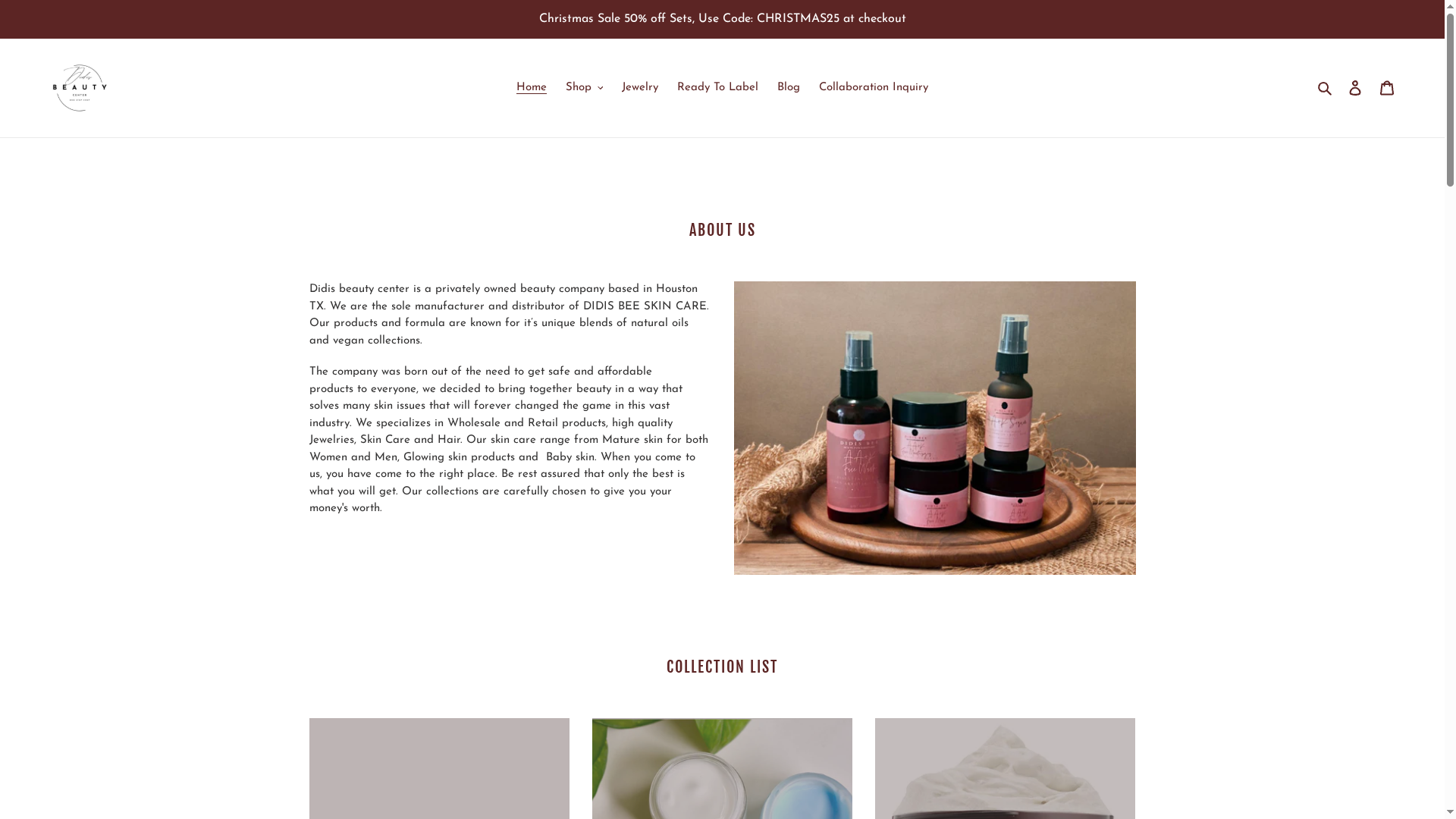
Their private label services empower entrepreneurs to create customized skincare brands without compromising on quality or ethics. Whether you’re building a business focused on holistic beauty or simply seeking products that honor your values, their scientifically formulated, cruelty-free options support comprehensive skin health. Explore their private label skincare products to discover how you can combine business success with meaningful impact in the natural beauty industry.
Frequently asked questions
What is the difference between holistic and traditional skincare?
Holistic skincare addresses skin health through internal factors like nutrition, gut health, and stress management alongside topical treatments, while traditional approaches focus primarily on applying products directly to skin. Holistic methods emphasize long-term wellness and root cause solutions rather than quick cosmetic fixes. This comprehensive strategy recognizes that lasting skin improvements require attention to overall health, not just surface-level interventions.
Can organic and natural skincare products cause skin allergies?
Yes, certain organic ingredients can trigger allergic reactions despite being natural. Organic ingredients can contain allergens and impurities, with tea tree oil, lavender oil, and peppermint oil being common irritants. Always patch test new products on a small area before full application, and introduce items gradually to identify any problematic ingredients.
How does gut health affect my skin?
Your digestive system directly influences skin appearance through the gut-skin axis. Gut health significantly impacts skin, with inflammation in the gut potentially worsening skin conditions like acne, rosacea, and premature aging. Improving digestion through probiotics, anti-inflammatory foods, and stress management often leads to clearer, more radiant skin as systemic inflammation decreases.
Are oral supplements effective for skin health?
Scientific evidence supports certain oral supplements for skin improvement. Oral sodium hyaluronate supplementation improves hydration and elasticity, reduces water loss, and decreases wrinkle depth when taken consistently. Oral supplements complement topical skincare by working internally to enhance skin structure, moisture retention, and collagen integrity for comprehensive results that surface treatments alone cannot achieve.
How do I choose the right vegan skincare products?
Start by identifying your specific skin type and primary concerns rather than selecting products based solely on vegan or natural labels. Research individual ingredients for proven efficacy and safety relevant to your needs. Look for brands transparent about sourcing, testing, and formulation practices. Introduce new products one at a time with adequate spacing to monitor how your skin responds, and prioritize formulations that balance ethical values with demonstrated effectiveness.
Discourse (0)