


TL;DR:
- Many so-called natural face soaps contain synthetic irritants, making pH balance and certification crucial for true skin safety. Syndet bars with a pH of 5 to 6 and MADE SAFE® certification provide reliable, gentle cleansing for different skin types. Choosing products based on ingredient transparency, certification, and your skin’s needs ensures effective, genuine natural skincare.
Walk into any beauty store and you’ll find dozens of products claiming to be “natural.” Most of them aren’t. Finding the top natural face soaps that actually deliver clean ingredients, gentle cleansing, and real skin benefits requires cutting through a lot of noise. This guide gives you a clear framework for evaluating what’s genuine, profiles the best options across skin types and budgets, and helps you make a choice you’ll feel confident about every morning.
Table of Contents
- Key takeaways
- 1. How to evaluate top natural face soaps
- 2. Cocokind Organic Facial Cleansing Oil
- 3. KRAVEBEAUTY Matcha Hemp Hydrating Cleanser
- 4. Ecobar Moisture Retention Gentle Face Bar
- 5. OSEA Ocean Cleanser
- 6. True Botanicals Nourishing Cleanser
- 7. Aloe vera and oatmeal natural soap for sensitive skin
- 8. Charcoal and tea tree herbal facial cleanser
- 9. Homemade natural face soap as a genuine option
- 10. Comparison of top natural face soaps
- 11. Choosing the right natural face soap for your skin type
- My honest take on natural face soaps in 2025
- Explore natural face soaps at Didisbeautycenter
- FAQ
Key takeaways
| Point | Details |
|---|---|
| pH balance matters more than labels | Choose syndet bars or cleansers with pH 5 to 6 to protect your skin barrier. |
| Certifications reveal true safety | MADE SAFE® screens over 6,500 chemicals, making it more trustworthy than vague “natural” claims. |
| Budget options exist | Effective natural face washes start at around $15, so you don’t need to spend big. |
| Skin type should drive your pick | Sensitive, oily, and dry skin each need different formulations and ingredient profiles. |
| Fragrance is a red flag | Even in natural soaps, added fragrance is one of the most common skin irritants to avoid. |
1. How to evaluate top natural face soaps
Before you spend a dollar, you need to know what separates a genuinely natural face soap from one that just uses green packaging to sell the same old chemicals.
pH balance is the single most important factor most people overlook. Traditional bar soaps have a pH between 9 and 10, which disrupts your skin’s natural acid mantle and leads to dryness, tightness, and breakouts. Syndet bars, which use plant-based surfactants instead of saponified oils, sit closer to your skin’s natural pH of 5.5. That difference is not small. It determines whether your face feels balanced after washing or stripped raw.
Certifications are your next filter. The MADE SAFE® label is the gold standard in personal care. It screens 6,500 toxic chemicals and evaluates the full supply chain, not just the ingredient list. USDA Organic certification covers ingredient sourcing but says nothing about the safety of the full formulation. A product can be USDA Organic and still contain irritating preservatives.
Ingredient transparency is equally telling. Avoid any face soap containing sulfates, parabens, or synthetic dyes. These are common irritants that have no place in a genuinely skin-friendly cleanser. Look for short ingredient lists you can actually read, and treat any vague term like “fragrance” as a potential red flag.
Pro Tip: Flip the bottle over before you buy. If the ingredient list starts with water followed by a long row of chemical names you can’t pronounce, no marketing claim on the front matters.
- Check for pH compatibility (syndet bars rated 5 to 6 are ideal for facial skin)
- Look for MADE SAFE®, USDA Organic, or Leaping Bunny certifications
- Avoid SLS, synthetic fragrance, parabens, and artificial colorants
- Consider packaging: biodegradable or recyclable materials signal real eco-commitment
- Budget range: affordable natural cleansers start around $15, while premium options run $40 and up
2. Cocokind Organic Facial Cleansing Oil
This is one of the best natural face soaps for dry and sensitive skin, and it comes in at around $15. Cocokind uses organic oils to dissolve makeup and impurities without stripping any moisture from the skin. It’s lightweight, fragrance-free, and earned organic certification for its ingredient sourcing.
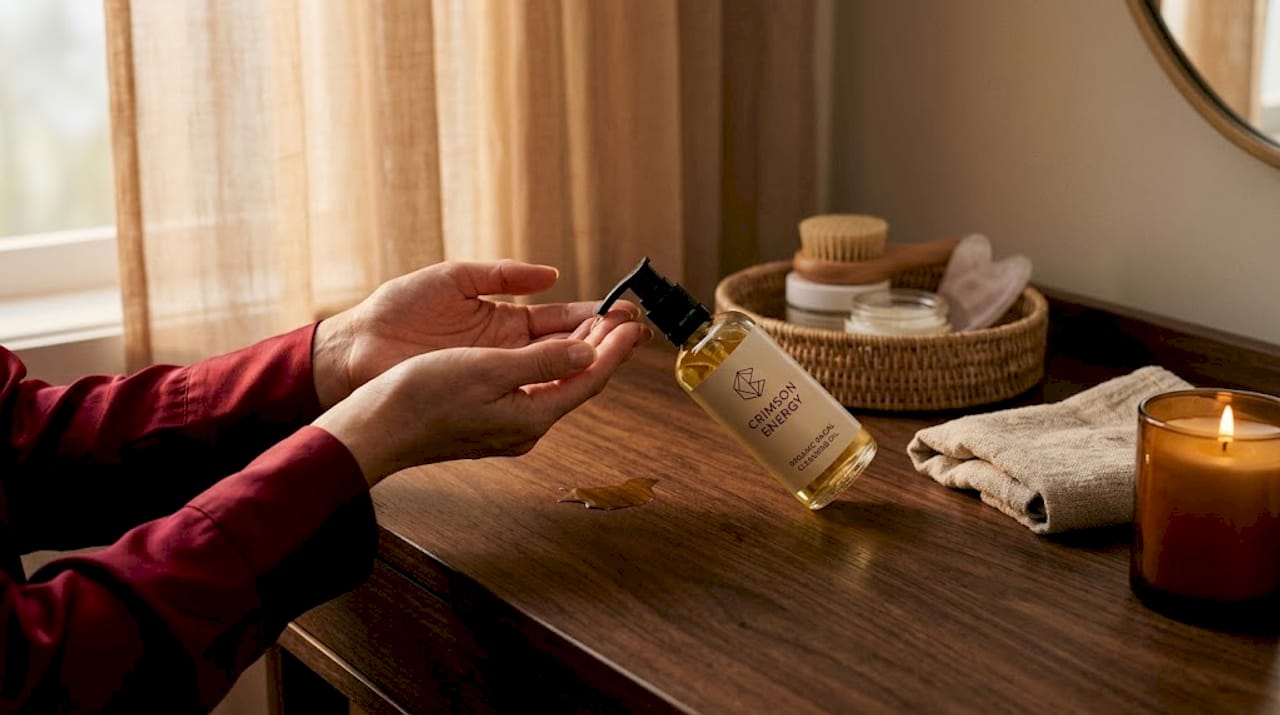
The texture feels rich without being greasy, and it rinses clean with warm water. Users consistently report that their skin feels soft, not tight, after use. For anyone transitioning away from harsh foam cleansers, this is an excellent starting point.
3. KRAVEBEAUTY Matcha Hemp Hydrating Cleanser
Priced at around $16, this cleanser punches well above its price point. It combines matcha and hemp seed oil with a gentle surfactant system that won’t wreck your moisture barrier. Matcha delivers antioxidant protection while hemp seed oil soothes inflammation, making it particularly well-suited for oily or acne-prone skin that still needs hydration.
The lather is light and refreshing. It doesn’t foam dramatically, which surprises some first-time users, but that’s actually a sign the formula isn’t loaded with harsh sulfates. Natural ingredients like green tea and botanical oils in formulas like this provide real skin benefits you can measure in texture and tone over time.
4. Ecobar Moisture Retention Gentle Face Bar
This is the syndet bar benchmark. Ecobar’s face bar is pH-balanced near 5.5, which means it cleanses without disrupting your skin’s protective acid mantle. That matters especially if you deal with redness, sensitivity, or reactive skin.
Syndet bars are crafted using plant-derived surfactants that deliver all the cleansing performance of traditional soap without the alkaline pH that damages skin long term. Ecobar also uses minimal, recognizable ingredients and avoids synthetic additives entirely. For anyone looking for a zero-waste format with genuine skin-science backing, this bar earns its place on the list.
5. OSEA Ocean Cleanser
At around $48, OSEA is a premium pick. But the formulation justifies the price for anyone with dry or mature skin. It’s built around seaweed extract, which delivers minerals and natural hydration factors that few other cleansers match.
OSEA’s products are certified vegan and cruelty-free, and the brand uses recyclable packaging. The scent is light and oceanic from natural botanical sources, not synthetic fragrance. Users describe it as the rare cleanser that actually improves skin texture over weeks of consistent use, not just for the 30 seconds it’s on your face.
6. True Botanicals Nourishing Cleanser
Another premium option at roughly $48, True Botanicals earns its price with MADE SAFE® certification. That means the entire formulation has been audited for toxic chemical exposure, not just the hero ingredients listed on the front. This is the kind of depth most brands skip.
The formula suits dry and normal skin types particularly well, using plant oils and botanicals to cleanse gently while maintaining moisture. It works especially well as part of a natural skincare routine for anyone building a consistent morning and evening practice.
Pro Tip: If MADE SAFE® certification is your top priority and budget allows, True Botanicals is the most rigorously verified option currently available in the $40 to $50 range.
7. Aloe vera and oatmeal natural soap for sensitive skin
Handcrafted aloe and oatmeal soaps represent the artisanal end of this list, and they deserve serious consideration. Aloe vera is one of the most effective soothing agents in skincare, backed by decades of use for irritated and reactive skin. Oatmeal adds gentle physical texture while calming inflammation.
These soaps are widely available from small-batch makers on platforms like Etsy or through natural beauty retailers. They’re typically cold-process formulated, meaning the saponification process preserves more of the active botanical compounds than heat-based methods. They won’t carry MADE SAFE® certification in most cases, but if you source from a transparent maker who publishes a full ingredient list, they can be among the most trustworthy natural face soaps available.
8. Charcoal and tea tree herbal facial cleanser
For oily and acne-prone skin, activated charcoal combined with tea tree oil creates one of the most effective natural pore-clearing combinations available. Charcoal binds to excess oil and draws out impurities from pores. Tea tree provides antimicrobial action without the harshness of benzoyl peroxide or salicylic acid in synthetic concentrations.
This category of top herbal facial cleansers is widely available at multiple price points, from drugstore versions around $12 to premium artisanal bars at $25 or more. Look for formulas where activated charcoal and tea tree are listed near the top of the ingredient list, not buried at the bottom as token additions.
9. Homemade natural face soap as a genuine option
Homemade natural face soap recipes have moved well beyond hobbyist territory. A basic cold-process recipe using olive oil, coconut oil, and lye produces a genuinely effective cleanser with a short, clean ingredient list. You can customize it with additions like lavender essential oil, calendula infusion, or shea butter depending on your skin type.
The critical step in any homemade recipe is pH testing after cure. Uncured or improperly saponified soap can be caustic. A properly cured cold-process bar, tested with pH strips to confirm it reads between 8 and 10 (slightly higher than syndet bars but safer than commercial high-pH soaps), is a legitimate and affordable option for anyone comfortable with a simple DIY process.
10. Comparison of top natural face soaps
| Soap | pH level | Certification | Best for | Price range | Cruelty-free |
|---|---|---|---|---|---|
| Cocokind Cleansing Oil | Skin-neutral | USDA Organic | Dry, sensitive | ~$15 | Yes |
| KRAVEBEAUTY Matcha Cleanser | Balanced | None (transparent) | Oily, acne-prone | ~$16 | Yes |
| Ecobar Face Bar | ~5.5 (syndet) | Eco-certified | All, especially sensitive | ~$18 | Yes |
| OSEA Ocean Cleanser | Balanced | Vegan certified | Dry, mature | ~$48 | Yes |
| True Botanicals Nourishing | Balanced | MADE SAFE® | Dry, normal | ~$48 | Yes |
| Aloe Oatmeal Artisan Soap | Variable | None | Sensitive, reactive | $10 to $25 | Usually yes |
| Charcoal Tea Tree Bar | Variable | Varies | Oily, acne-prone | $12 to $25 | Varies |
11. Choosing the right natural face soap for your skin type
The best organic facial cleansers work precisely because they match your specific skin’s needs. A formula that transforms dry skin can wreak havoc on oily skin, and vice versa.
- Sensitive skin: Go with pH-balanced syndet bars or fragrance-free oil cleansers. Ecobar and Cocokind are both strong picks. Avoid anything with essential oils in the top five ingredients.
- Oily and acne-prone skin: Choose cleansers with clay, charcoal, or tea tree. KRAVEBEAUTY’s matcha formula is gentle enough for daily use without over-stripping.
- Dry and mature skin: Prioritize oil-based or cream cleansers that add back moisture while they clean. OSEA and True Botanicals both deliver here.
- Budget-conscious shoppers: Top affordable natural face washes absolutely exist below $20. Cocokind and KRAVEBEAUTY prove you don’t need to spend $50 for a clean, effective formula.
- Eco-conscious consumers: Look for biodegradable packaging and cruelty-free certifications alongside ingredient quality. Both criteria matter equally for a purchase that aligns with your values.
When you transition from conventional to natural soaps, give your skin two to three weeks to adjust. Your skin barrier recalibrates, and some users experience a brief purge before they see improvement. That’s normal. Stick with it.
My honest take on natural face soaps in 2025
I’ve spent years watching the natural skincare space evolve, and I’ll tell you what I’ve learned: the word “natural” is nearly meaningless without context. I’ve seen products with “natural” on the label that contained more synthetic irritants than your average drugstore cleanser.
What I’ve come to believe, and tell anyone who asks me, is that pH balance matters more than any single ingredient story. You can load a soap with botanical extracts and organic oils, but if it’s stripping your skin’s acid mantle with every wash, those ingredients don’t help.
I’m also genuinely impressed by how few brands pursue rigorous certification. MADE SAFE® includes random audits and lab testing after the initial certification. That ongoing accountability is rare and valuable. When I see that seal, I trust the brand put real work into earning it. When I see vague “all-natural” claims with no third-party backing, I move on.
My advice: stop chasing trends and start reading ingredient lists. A $15 cleanser with three recognizable ingredients will serve your skin better than a $60 one dressed up with buzzwords.
— Gloria
Explore natural face soaps at Didisbeautycenter
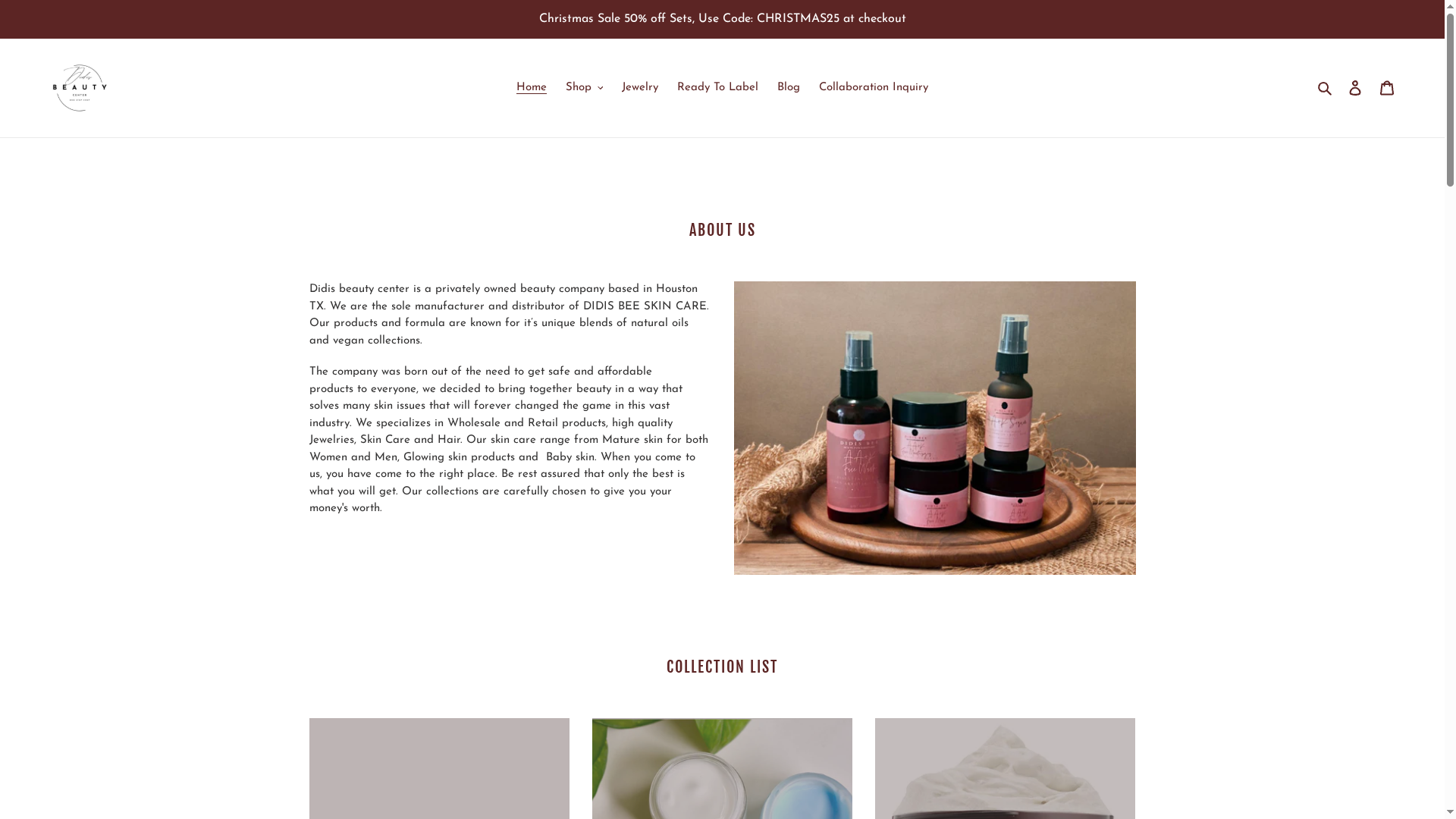
Didisbeautycenter curates natural, vegan-formulated face soaps designed for real skin results, not just clean-sounding labels. Whether you’re building a personal skincare routine or looking to launch your own natural beauty line, the platform has you covered. Their private label program offers bespoke, organic, and cruelty-free formulations ready to carry your brand. Every product reflects a commitment to ingredient integrity, eco-friendly packaging, and affordability. If you’re serious about natural skincare, this is where to start exploring.
FAQ
What makes a face soap truly natural?
A truly natural face soap uses plant-derived ingredients without synthetic dyes, parabens, or sulfates, and ideally carries a third-party certification like MADE SAFE® or USDA Organic to verify those claims independently.
Are syndet bars better than regular soap for your face?
Yes, for most skin types. Syndet bars have a pH around 5 to 6, which matches your skin’s natural acidity and prevents the barrier disruption that high-pH traditional soaps cause.
What is the best natural face soap for sensitive skin?
pH-balanced syndet bars and fragrance-free oil cleansers work best for sensitive skin. Look for short ingredient lists, no essential oils near the top, and certifications that confirm the full formulation has been safety-tested.
How do I know if a “natural” face soap is actually safe?
Check for MADE SAFE® certification, which screens over 6,500 known toxic chemicals across the entire product formulation, or look for full ingredient transparency with no vague terms like “fragrance” on the label.
Can I make an effective natural face soap at home?
Yes. A cold-process recipe using olive oil, coconut oil, and properly measured lye produces a genuine natural cleanser. The key is allowing full cure time and testing pH before use to confirm it’s safe for facial skin.
Discourse (0)