


Choosing the right brightening ingredients for your skincare routine can feel overwhelming when you want natural, vegan options that actually work. With countless products claiming miraculous results, how do you identify which ingredients deliver genuine brightening benefits without compromising your values or skin health? This guide breaks down the science behind effective natural brightening agents, compares their strengths and limitations, and shows you exactly how to incorporate them into your daily routine for radiant, even-toned skin that glows from within.
Table of Contents
- Criteria For Choosing Natural Brightening Ingredients
- Top Natural Brightening Ingredients And Their Benefits
- Comparison Of Brightening Ingredients: Effectiveness And Suitability
- How To Integrate Brightening Ingredients Into Your Skincare Routine
- Discover Natural Brightening Products At Didis Beauty Center
- FAQ
Key takeaways
| Point | Details |
|---|---|
| Evaluation criteria | Effective brightening ingredients must inhibit melanin production safely while promoting radiance and compatibility with your skin type. |
| Top natural options | Vitamin C, niacinamide, licorice root extract, kojic acid, and alpha arbutin offer proven brightening benefits from natural sources. |
| Comparison matters | Ingredients vary in potency, concentration requirements, and suitability, making side-by-side evaluation essential for smart choices. |
| Integration strategy | Start with low concentrations, layer properly with moisturizer, and always use sun protection to maximize results safely. |
Criteria for choosing natural brightening ingredients
Understanding how brightening ingredients work helps you make informed decisions. Effective brightening requires ingredients that inhibit melanin production safely and promote skin radiance through mechanisms like tyrosinase inhibition or exfoliation. These biological processes reduce hyperpigmentation and create a more luminous complexion over time.
Safety should never be negotiable. Natural brightening agents generally pose fewer irritation risks than synthetic alternatives, but individual reactions vary. Look for ingredients with established safety profiles and clinical backing, particularly if you have reactive or sensitive skin that tends to flush or sting easily.
Vegan certification and ethical sourcing matter beyond personal values. They signal quality control and manufacturing standards that often correlate with product efficacy. Check for third-party certifications that verify both the ingredient origin and the production process meet strict ethical guidelines.
Skin type compatibility determines success. Oily skin tolerates stronger concentrations and active formulations better than dry or sensitive types. Combination skin may need targeted application, using potent ingredients only on areas with hyperpigmentation while keeping gentler formulas for delicate zones.
Pro Tip: Always patch test new brightening ingredients on your inner forearm for 24 hours before applying to your face, even with natural formulations that seem gentle.
Key evaluation factors include:
- Mechanism of action and scientific evidence supporting brightening claims
- Concentration levels needed for visible results versus irritation threshold
- Stability in formulations and shelf life after opening
- Compatibility with other active ingredients in your routine
- Ethical sourcing, sustainability, and vegan certification status
Top natural brightening ingredients and their benefits
Vitamin C, niacinamide, licorice root extract, kojic acid, and alpha arbutin are proven natural brightening agents commonly used in vegan skincare formulations. Each brings unique advantages to your brightening arsenal.
Vitamin C stands as the gold standard for natural brightening. This powerful antioxidant neutralizes free radicals while inhibiting tyrosinase, the enzyme responsible for melanin production. It also boosts collagen synthesis, giving you dual benefits of brightness and firmness. Look for stable forms like ascorbic acid, sodium ascorbyl phosphate, or magnesium ascorbyl phosphate in concentrations between 10% and 20%.
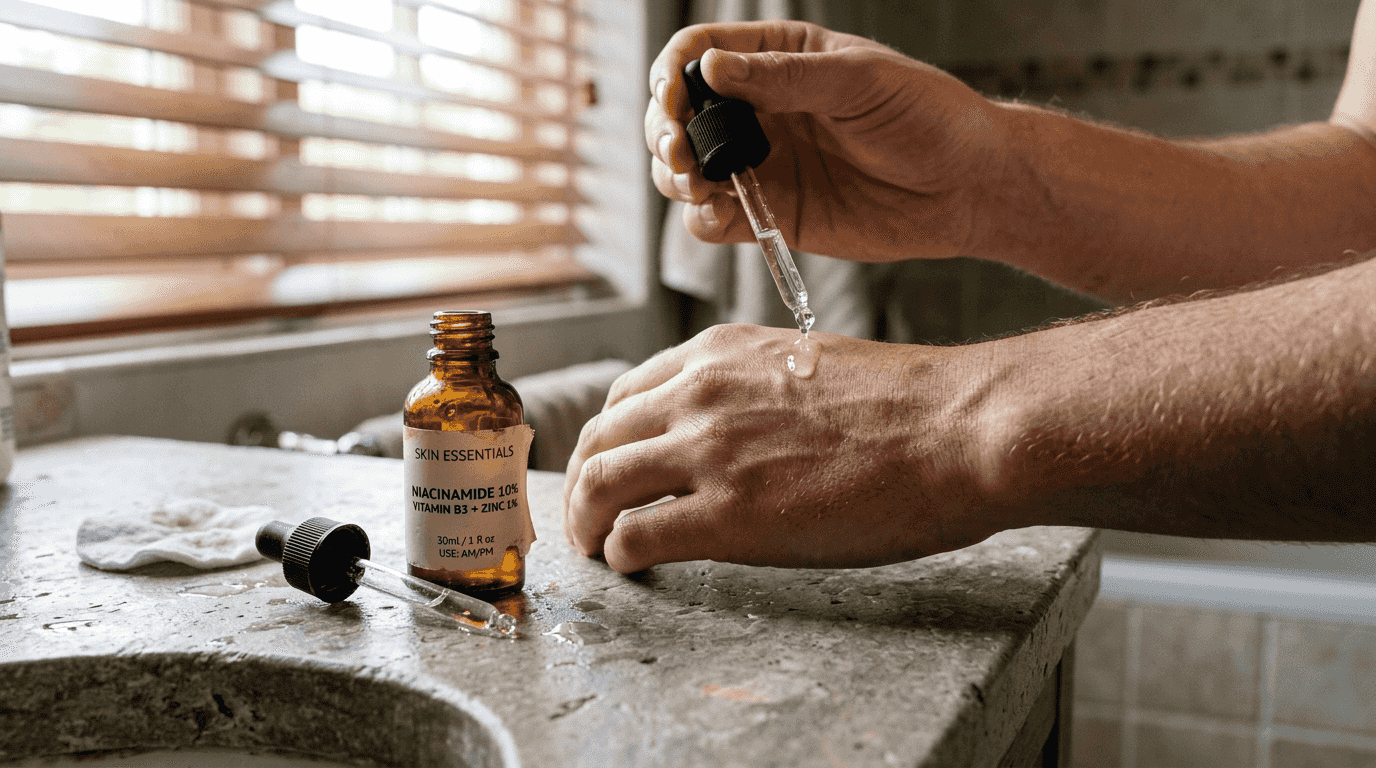
Niacinamide, a form of vitamin B3, reduces the transfer of melanin to skin cells rather than blocking its production. This gentler mechanism makes it ideal for sensitive skin while still delivering visible results. It also strengthens the skin barrier, reduces inflammation, and minimizes pore appearance. Concentrations of 2% to 5% work effectively without irritation for most users.
Licorice root extract contains glabridin, a compound that inhibits tyrosinase and provides anti-inflammatory benefits. It calms redness while brightening, making it perfect for skin dealing with both hyperpigmentation and sensitivity. This ingredient works beautifully in combination with other brightening agents to enhance overall effectiveness.
Kojic acid, derived from fungi during the fermentation of rice, blocks tyrosinase activity to prevent melanin formation. It delivers potent brightening effects but requires careful use since higher concentrations can irritate. Concentrations between 1% and 4% offer the best balance of efficacy and tolerability.
Alpha arbutin provides a safer alternative to hydroquinone, the controversial synthetic brightening agent. This naturally occurring compound releases hydroquinone slowly and in much smaller amounts, minimizing irritation while still inhibiting melanin production effectively. Concentrations of 1% to 2% deliver results without the risks associated with pure hydroquinone.
Notable natural brightening ingredients:
- Azelaic acid from grains, which reduces inflammation and brightens simultaneously
- Mulberry extract containing arbutin for gentle melanin inhibition
- Bearberry extract, another natural source of arbutin compounds
- Turmeric with curcumin for antioxidant and brightening properties
Comparison of brightening ingredients: effectiveness and suitability
Ingredient efficacy and safety vary, making a comparative evaluation critical for selecting the best fit for individual skincare needs. This table breaks down the key differences to guide your choice.
| Ingredient | Effectiveness | Recommended Concentration | Best For | Irritation Risk |
|---|---|---|---|---|
| Vitamin C | High | 10-20% | All skin types, photoaging | Moderate at high concentrations |
| Niacinamide | Moderate to High | 2-5% | Sensitive skin, barrier support | Very Low |
| Licorice Root | Moderate | 1-2% | Sensitive, inflamed skin | Very Low |
| Kojic Acid | High | 1-4% | Stubborn dark spots | Moderate to High |
| Alpha Arbutin | Moderate | 1-2% | Sensitive skin seeking hydroquinone alternative | Low |
Vitamin C delivers the fastest visible results but requires careful formulation selection. L-ascorbic acid works powerfully but oxidizes quickly and can irritate at concentrations above 15%. Derivative forms like sodium ascorbyl phosphate offer more stability with slightly slower results.
Niacinamide shines for long-term use and overall skin health. While it may take longer to show dramatic brightening compared to vitamin C or kojic acid, its anti-inflammatory properties and barrier-strengthening effects make it ideal for consistent, gentle improvement. It plays well with almost every other ingredient, unlike vitamin C which can destabilize in certain combinations.
Kojic acid and alpha arbutin target stubborn hyperpigmentation more aggressively. Kojic acid works faster but demands respect due to potential sensitivity. Alpha arbutin offers a middle ground with reliable results and better tolerability, though it may require more patience.
Pro Tip: Avoid combining multiple strong brightening actives initially. Start with one ingredient for four weeks, assess results and tolerance, then consider adding a complementary agent if needed.
How to integrate brightening ingredients into your skincare routine
Proper incorporation of brightening ingredients enhances efficacy and reduces risks of irritation or sensitivity. Follow this strategic approach for optimal results.
-
Start with the lowest effective concentration of your chosen ingredient. Your skin needs time to adapt to new actives, even natural ones. Begin with products containing 5% to 10% vitamin C, 2% niacinamide, or 1% alpha arbutin, then gradually increase if your skin tolerates it well after four weeks.
-
Apply brightening products to clean, dry skin before moisturizer. Most brightening actives work best when they penetrate directly without barrier interference. Wait 60 seconds after cleansing to ensure your skin is completely dry, then apply your brightening serum or treatment.
-
Layer your moisturizer immediately after the brightening product absorbs. This seals in the active ingredients and prevents moisture loss that could trigger irritation. Choose a moisturizer without conflicting actives that might destabilize your brightening ingredient.
-
Use broad-spectrum SPF 30 or higher every single morning without exception. Brightening ingredients make your skin more photosensitive, and sun exposure can trigger the very hyperpigmentation you’re trying to fade. Reapply every two hours if you’re outdoors.
-
Introduce new brightening ingredients one at a time with four-week intervals. This allows you to identify which products deliver results and which might cause sensitivity. Keep a simple photo log to track progress since changes happen gradually.
-
Consider professional guidance for persistent hyperpigmentation. A dermatologist or licensed esthetician can recommend prescription-strength options or in-office treatments that complement your natural brightening routine for stubborn dark spots that resist over-the-counter solutions.
Consistency trumps intensity. Using a moderate concentration daily yields better results than sporadic application of high-strength formulas. Set a specific time for your brightening routine, morning or evening, and stick to it religiously for at least eight weeks before evaluating effectiveness.
Discover natural brightening products at Didis Beauty Center
Ready to transform your skincare routine with effective, ethical brightening solutions? Didis Beauty Center specializes in private label brightening products formulated with the natural, vegan ingredients you’ve just learned about. Our collections feature clinically-backed concentrations of vitamin C, niacinamide, and other proven brightening agents designed for real results.
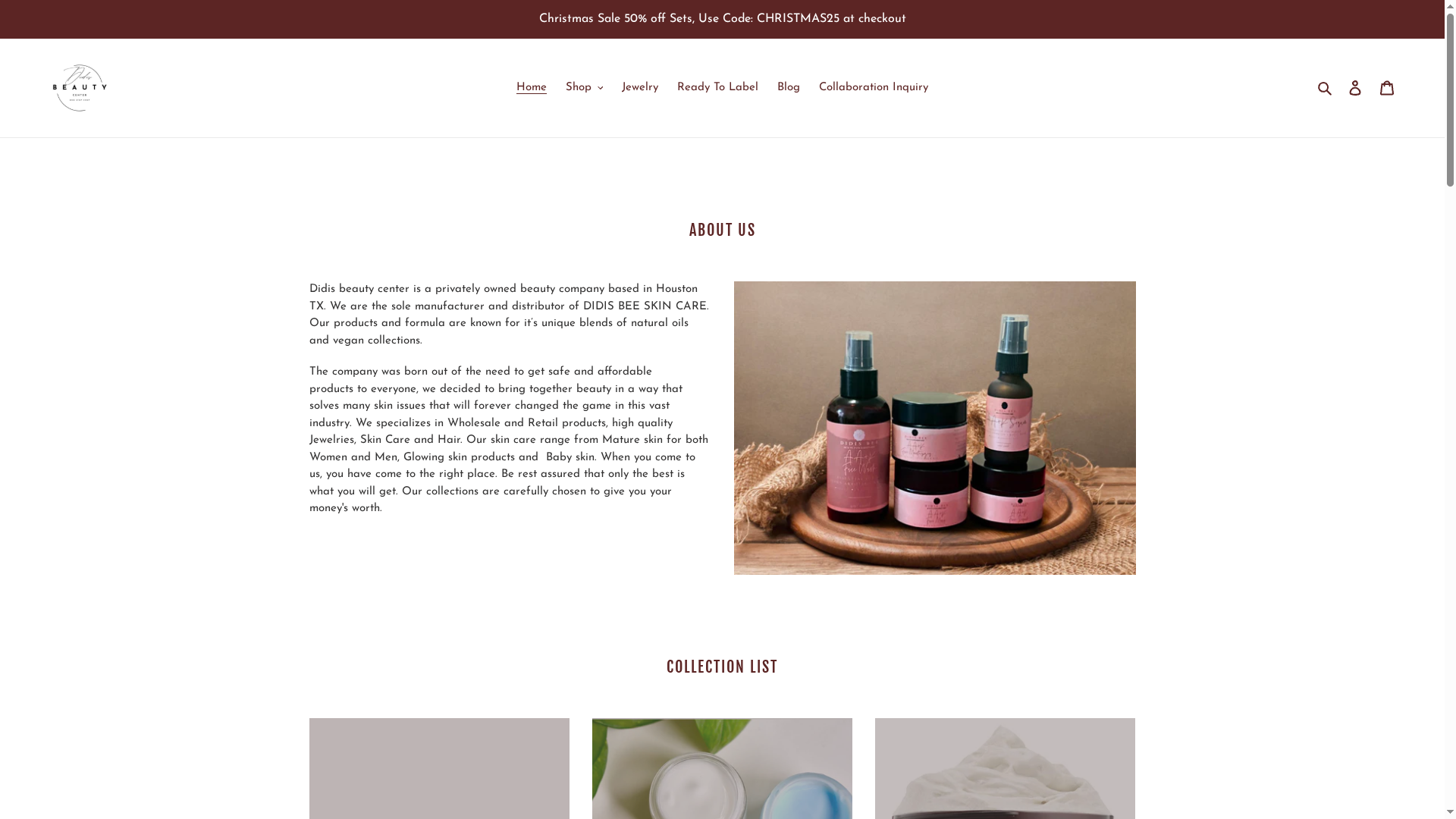
Whether you’re building your personal skincare routine or launching your own beauty brand, we offer carefully curated formulations that deliver the glowing, even-toned complexion your skin deserves. Explore our complete range of cruelty-free brightening solutions at Didis Beauty Center and discover how natural ingredients create lasting radiance.
FAQ
What is the best natural ingredient for brightening skin?
Vitamin C is widely regarded as the best natural ingredient for brightening due to its antioxidant properties and ability to inhibit melanin production. It also stimulates collagen synthesis for additional anti-aging benefits. For maximum effectiveness, look for stable formulations with concentrations between 10% and 20%.
Are natural brightening ingredients safe for sensitive skin?
Many natural brightening ingredients like niacinamide and licorice root extract are well-tolerated by sensitive skin, but patch testing is recommended. These gentler options deliver results without the harsh irritation associated with stronger synthetic alternatives. Start with lower concentrations and monitor your skin’s response carefully.
How long does it take to see results from brightening ingredients?
Visible improvement typically appears within 4 to 8 weeks of consistent use, depending on the ingredient and individual skin. Patience and daily application matter more than product strength. Stubborn hyperpigmentation may require three to six months of dedicated use for significant fading.
Can I use multiple brightening ingredients together?
You can combine certain brightening ingredients for enhanced results, but avoid mixing too many actives initially. Niacinamide pairs well with almost everything, while vitamin C can destabilize when combined with certain ingredients. Start with one active, establish tolerance, then add complementary ingredients gradually with professional guidance if needed.
Do I need to use brightening products year-round?
Consistent year-round use maintains results and prevents new hyperpigmentation from forming. However, you might reduce frequency during winter months when sun exposure decreases. Always continue daily SPF regardless of season, as UV exposure remains the primary trigger for melanin production even on cloudy days.
Discourse (0)