


TL;DR:
- The beauty industry in 2025 centers on prioritizing skin health and longevity over traditional anti-aging.
- Technologies like AI personalization, micro-needle devices, and sustainable packaging regulations are reshaping product development and consumer expectations worldwide.
The top beauty industry trends 2025 center on a fundamental shift: skin health and longevity have replaced traditional anti-aging as the dominant consumer and clinical paradigm. AI-driven personalization, sustainability regulations, and the explosive growth of K-beauty are reshaping product development, retail strategy, and brand positioning worldwide. Galderma, Shiseido, and TikTok are among the named forces accelerating this transformation. For beauty professionals and trend analysts, understanding these shifts is not optional. It is the difference between leading the market and chasing it.
1. top beauty industry trends 2025: longevity replaces anti-aging
The most significant reframe in skincare this year is the shift from anti-aging to proactive skin health. Consumers no longer want to reverse damage. They want to build resilience before damage occurs.
Terms like skin healthspan, barrier repair, and cellular resilience now drive product naming, marketing copy, and clinical positioning. This is not a semantic change. It reflects a deeper consumer demand for evidence-backed outcomes rather than aspirational promises.
Key markers of this trend include:
- Medical credentialing: Brands are partnering with dermatologists and investing in clinical validation to differentiate from mass-market competitors.
- Barrier-first formulations: Products targeting the skin barrier with ceramides, peptides, and postbiotics are outpacing traditional retinol-only lines.
- Transparency over fear: Beauty brands in 2025 emphasize clinical evidence and dose context rather than fear-based “clean beauty” messaging.
Pro Tip: If you are repositioning a skincare line, audit your product claims. Replace language like “fights aging” with measurable outcomes like “strengthens barrier function in 4 weeks” to align with the longevity narrative.
2. galderma and medical-grade skincare investment
Galderma invested 4.7% of sales in R&D in 2025, making it one of the most aggressive spenders in dermatological skincare. That level of commitment signals where the premium market is heading: toward science-backed skin outcomes that can withstand clinical scrutiny.
This investment is producing a new category of products that blur the line between cosmetics and medical devices. Instrument beauty, which combines topical formulations with device-based delivery, is growing fastest in this segment. Brands that can credibly occupy this space will command significantly higher price points and consumer loyalty.
The practical implication for smaller brands is clear. You do not need Galderma’s R&D budget to compete. You do need to partner with credentialed formulators, cite peer-reviewed ingredients, and build a transparent evidence trail for every claim you make.
3. micro-needle technology comes home
Micro-needle technology has moved from dermatology clinics into daily at-home use, with Shiseido leading the consumer launch of devices designed to mimic professional procedure efficacy. This is one of the most disruptive skincare innovations 2025 has produced.
The significance is not just technological. It signals that consumers are willing to invest in more complex, procedure-adjacent routines if the results are credible and the experience is accessible. Brands that can deliver clinical-grade outcomes at home will capture the premium consumer who previously only trusted in-office treatments.
For product developers, this creates a formulation challenge. Actives designed for micro-needle delivery require different stability profiles and safety testing than standard topicals. Getting this right early is a competitive advantage.
4. ai-driven personalization as an ongoing process
AI personalization in beauty is not a quiz you take once at checkout. AI-driven personalization is now defined as an ongoing, adaptive process that responds to changes in skin condition, environment, and lifestyle over time. Brands that treat it as a one-time recommendation engine will lose credibility fast.
The most effective implementations in 2025 use AI across three stages:
- Product formulation: AI models analyze ingredient interaction data to identify high-performing combinations faster than traditional lab cycles.
- Consumer recommendations: Adaptive algorithms update product suggestions based on seasonal skin changes, user feedback, and purchase history.
- Education and engagement: AI-powered content tools deliver personalized skin health education, keeping consumers engaged between purchases.
Pro Tip: When evaluating AI personalization tools for your brand, ask vendors specifically how their system updates recommendations over time. A static model is a liability, not an asset.
The credibility gap is real. Personalization must evolve continuously, or brands risk losing consumer trust when the technology fails to reflect their actual skin reality. Understanding how personalization grows beauty brands is now a core competency, not a marketing add-on.
5. EU packaging regulations reshape sustainable beauty
The EU Packaging and Packaging Waste Regulation (PPWR) is the most consequential regulatory shift for beauty brands operating in or exporting to European markets. PPWR 2025 requires all packaging to be reusable or recyclable by 2030, graded on an A to E scale, with minimum recycled content thresholds.
Here is what that means in practice for beauty packaging teams:
| Requirement | What It Means for Brands |
|---|---|
| Design-for-recycling criteria | Packaging must be technically validated as recyclable, not just theoretically compliant |
| Recycled content minimums | Brands must source and document post-consumer recycled materials by category |
| A to E recyclability grading | Products graded D or E face market access restrictions in EU member states |
| Documentation and traceability | Multi-material packaging requires component-level evidence trails for audits |
| Over-packaging ban | Excess secondary packaging must be eliminated or justified by function |
PPWR compliance challenges are particularly acute for smaller brands, which often lack the internal resources to manage packaging redesign, supplier audits, and regulatory documentation simultaneously. Starting early is not a suggestion. It is a survival strategy.
For brands looking to build a compliance-ready foundation, the role of sustainable packaging in modern beauty development is a practical starting point.
6. microplastics ban forces formulation overhaul
Rinse-off cosmetics containing synthetic microplastics for exfoliating purposes are banned in the EU after october 2025. This affects scrubs, exfoliating cleansers, and any product using polyethylene beads or similar synthetic particles as physical exfoliants.
The formulation challenge is significant. Natural alternatives like jojoba beads, rice bran, and bamboo powder perform differently in texture, stability, and consumer sensory experience. Reformulating without compromising the product’s core appeal requires rigorous testing.
Compliance also requires updating Cosmetic Product Safety Reports (CPSRs) to reflect the new ingredient substitutions. Brands that reformulate without updating their safety documentation are still non-compliant, even if the physical product no longer contains microplastics. The documentation step is where many brands will stumble.
For a broader view of how ethical beauty practices intersect with regulatory compliance, the standards are converging faster than most brands anticipated.
7. k-beauty’s $2 billion US surge
US K-beauty sales surged 37% year over year to $2 billion in 2025. Hair care is the fastest-growing category within K-beauty, outpacing even facial skincare. That growth rate is not a trend. It is a structural shift in how American consumers discover and adopt beauty products.
The key drivers behind K-beauty’s acceleration include:
- TikTok as a force multiplier: TikTok significantly boosts sales and awareness for K-beauty brands, enabling viral ingredient moments that traditional retail cannot replicate at the same speed.
- Retail platform expansion: Amazon, Sephora, and Ulta have all expanded dedicated K-beauty sections, reducing friction for first-time buyers.
- Ingredient-led storytelling: Ingredients like centella asiatica, snail mucin, and fermented extracts have built loyal consumer followings independent of specific brands.
- Demographic broadening: K-beauty is no longer concentrated among younger consumers. It is expanding into older demographics drawn by the longevity and skin health narrative.
For brands outside Korea, the opportunity is not to copy K-beauty. It is to adopt its core principles: ingredient transparency, layered routines, and skin health as a lifestyle. The men’s beauty sector is one of the fastest-growing areas where K-beauty influence is now visible.
8. transparency and evidence replace fear-based marketing
The clean beauty movement is maturing past its fear-based origins. Brands in 2025 are shifting toward clinical validation, dose context, and personalized skin health education as their primary consumer communication tools. “Free from” claims are losing credibility with informed consumers who now demand proof of efficacy, not just proof of absence.
This shift rewards brands that invest in consumer education. Explaining why an ingredient works, at what concentration, and for which skin types builds the kind of trust that drives repeat purchase and word-of-mouth. It also raises the bar for competitors who rely on vague wellness language.
For brands building this kind of credibility, understanding the indicators of clean beauty in a post-fear market is a useful framework for repositioning existing product lines.
Key takeaways
The top beauty industry trends of 2025 are defined by evidence, technology, and regulation working together to raise the standard for every brand competing in the global market.
| Point | Details |
|---|---|
| Longevity replaces anti-aging | Reframe product claims around skin resilience and barrier health to align with 2025 consumer expectations. |
| AI personalization must adapt | Static recommendation engines lose consumer trust; build systems that update with changing skin conditions. |
| EU regulations demand early action | PPWR and microplastics compliance require packaging redesign and safety report updates before deadlines hit. |
| K-beauty growth is structural | US K-beauty reached $2 billion in 2025, driven by TikTok and retail expansion across all demographics. |
| Transparency builds loyalty | Clinical evidence and dose-specific education outperform fear-based marketing with informed consumers. |
What i’ve learned watching these trends unfold
The longevity narrative is the one trend I would bet on most confidently for the next five years. Every other shift, from AI personalization to K-beauty, connects back to it. Consumers are not just buying products anymore. They are investing in a long-term relationship with their skin. Brands that understand this will build loyalty that no promotional discount can disrupt.
What surprises me most is how many brands are still treating sustainability compliance as a future problem. The EU PPWR and microplastics restrictions are not hypothetical. They are active, and the documentation requirements alone will create bottlenecks for brands that wait until 2029 to start. I have seen well-resourced brands underestimate the traceability demands of multi-material packaging. Smaller brands face even steeper challenges.
On AI, my honest observation is that most brands are still at the “quiz and recommend” stage. That is not personalization. That is a filter. True adaptive personalization, the kind that updates as your skin changes through seasons and stress cycles, is where the real differentiation lives. The brands investing in that now will own the credibility advantage in three years.
K-beauty’s influence is also deeper than ingredient trends. Its real lesson is that a disciplined, education-first approach to skincare can build global audiences without massive advertising budgets. That is a model worth studying regardless of your brand’s origin.
— Gloria
Build your 2025-ready brand with Didisbeautycenter
The trends shaping 2025 demand more than awareness. They demand products that can back up every claim with real formulation integrity.
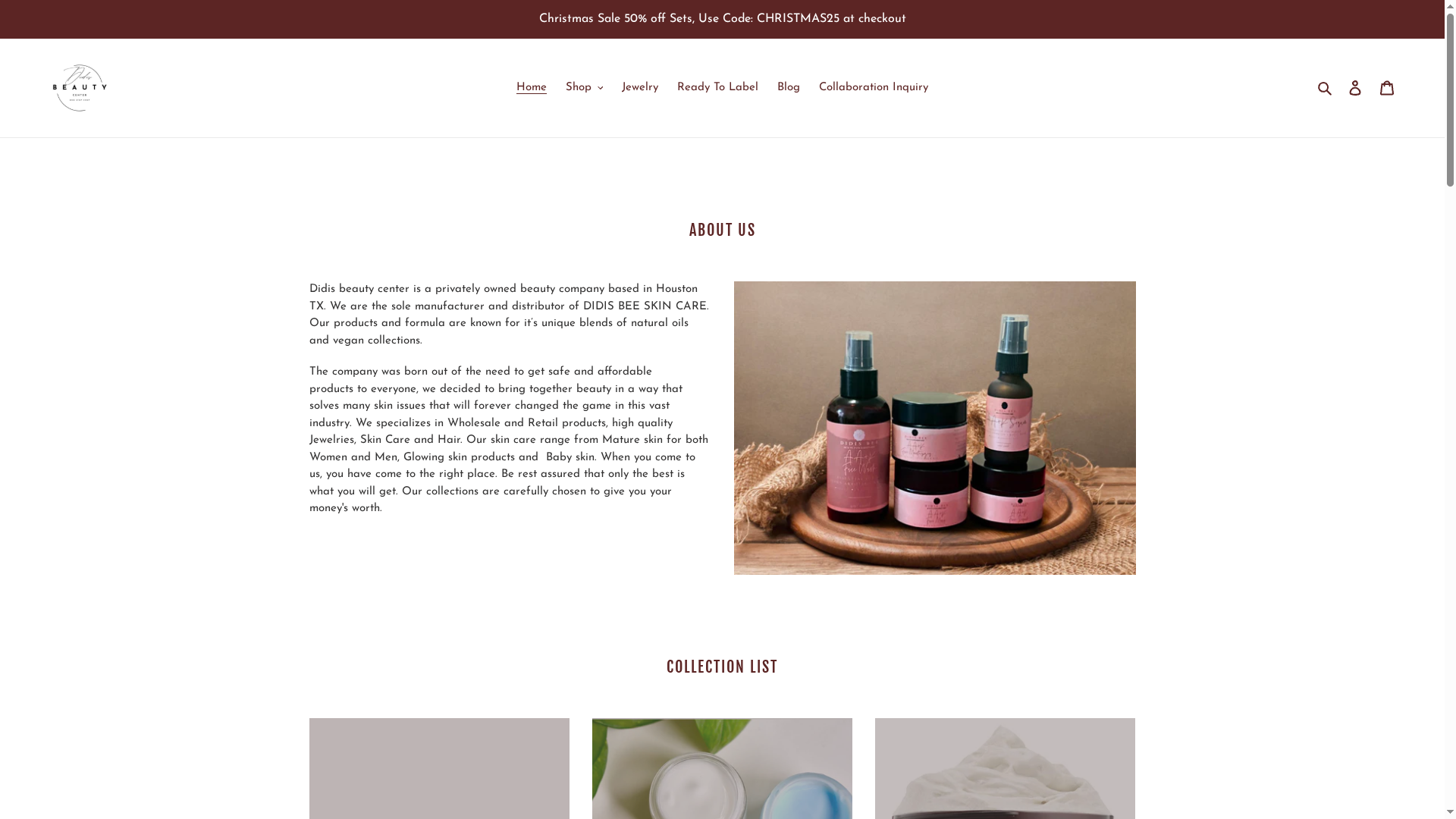
Didisbeautycenter’s private label solutions are built for exactly this moment. Whether you are developing a longevity-focused skincare line, sourcing naturally formulated alternatives to synthetic microplastics, or launching K-beauty-inspired products for a new market, Didisbeautycenter offers turnkey private label options aligned with where the industry is heading. Explore the full range of private label formulations to bring your 2025 trend strategy to market with confidence.
FAQ
What is the biggest skincare trend in 2025?
Longevity and skin health have replaced anti-aging as the dominant skincare paradigm in 2025. Brands now focus on barrier repair, cellular resilience, and evidence-backed outcomes rather than reversing visible signs of aging.
How does k-beauty influence global beauty trends?
US K-beauty sales reached $2 billion in 2025, a 37% year-over-year increase, driven by TikTok virality and expanded retail presence on Amazon, Sephora, and Ulta. Its ingredient-led storytelling and layered routine philosophy are now influencing brands worldwide.
What are the EU packaging rules for beauty brands?
The EU PPWR requires all cosmetic packaging to be reusable or recyclable by 2030, graded A to E, with minimum recycled content requirements. Brands must also eliminate over-packaging and maintain full documentation for compliance audits.
How is AI changing beauty product development?
AI in beauty now covers product formulation, adaptive consumer recommendations, and personalized skin education. The most effective systems update continuously based on changing skin conditions rather than delivering a single static recommendation.
Are microplastics still allowed in cosmetics?
Synthetic microplastics used as exfoliants in rinse-off cosmetics are banned in the EU after october 2025. Brands must reformulate with natural alternatives and update their Cosmetic Product Safety Reports to maintain compliance.
Discourse (0)