


TL;DR:
- The sustainable beauty market is growing rapidly but faces challenges like greenwashing and consumer distrust.
- Transitioning to eco-friendly routines involves reducing product use, choosing verified packaging, and adopting reusable tools.
- Genuine sustainability requires verified lifecycle assessments, not just natural or vegan labels, to ensure real environmental impact.
The beauty industry generates 120 billion packaging units every single year, yet nearly 6 in 10 consumers say they can’t tell which products are actually sustainable. The market is projected to reach $48 billion by 2027, but the path forward is buried under vague labels, recycled buzzwords, and clever packaging. Whether you’re a consumer trying to simplify your shelf or an entrepreneur building a brand from scratch, the confusion is real and costly. This guide cuts through the noise with a clear, step-by-step framework covering what you need, how to transition, what to avoid, and what real results look like.
Table of Contents
- Why sustainable beauty matters: Problems and possibilities
- What you need: Tools, products, and mindset shifts
- Step-by-step transition: How to create a sustainable beauty routine
- Common mistakes, troubleshooting, and expert tips
- Results you can expect: Visible changes and larger impact
- Our take: Why going beyond ‘natural’ is the future of sustainable beauty
- Discover certified sustainable essentials for your routine
- Frequently asked questions
Key Takeaways
| Point | Details |
|---|---|
| Focus on less, not more | A sustainable beauty routine works best when you simplify to 3–6 multi-use, quality essentials. |
| Prioritize true impact | Verify claims with third-party certifications and choose products based on their environmental scores, not just marketing labels. |
| Expect real, visible results | Give your routine 6–8 weeks and you’ll likely see clearer skin, less waste, and measurable savings. |
| Entrepreneurs need circularity | Brand leaders must move beyond greenwashing—invest in regenerative sourcing, waterless formulas, and transparent audits. |
| DIY and reusables boost results | Homemade options and reusable tools further maximize your impact and save money. |
Why sustainable beauty matters: Problems and possibilities
The numbers are hard to ignore. The sustainable beauty market is projected to hit $48 billion by 2027, with 67% of Gen Z consumers willing to pay more for genuinely sustainable products. That’s a massive shift in purchasing power, and it’s reshaping what brands must deliver. But demand alone doesn’t fix the problem.
The beauty industry’s environmental footprint is staggering. Packaging waste, synthetic ingredient runoff, and supply chain emissions all add up. In fact, beauty industry emissions contribute up to 1.5% of global greenhouse gas output. That figure might sound small, but when you multiply it across billions of products and consumers, the impact is enormous.
| Impact category | Current scale | Trend |
|---|---|---|
| Packaging units produced | 120 billion/year | Increasing |
| GHG contribution | Up to 1.5% globally | Slowly declining |
| Consumer distrust rate | 59% of shoppers | Rising |
| Market value by 2027 | $48 billion | Growing fast |
Greenwashing, which means making misleading environmental claims, is a major part of the problem. Brands slap words like “natural,” “clean,” or “eco” on products without any verified backing. This leaves consumers frustrated and skeptical, and it makes it harder for genuinely sustainable brands to stand out.
“The real issue isn’t just what’s in the bottle. It’s what happens before and after: where ingredients come from, how they’re processed, and where the packaging ends up.”
Here’s what a sustainable beauty routine actually addresses:
- Packaging: Choosing refillable, recyclable, or compostable containers
- Ingredients: Prioritizing plant-based, biodegradable, and ethically sourced materials
- Emissions: Supporting brands that offset or reduce their supply chain footprint
- Skin health: Avoiding synthetic fragrances, parabens, and hormone-disrupting chemicals
- Transparency: Demanding third-party certifications, not just marketing claims
If you want to go deeper on what clean beauty actually costs versus what it delivers, our affordable clean beauty guide breaks it down without the fluff. The point is this: moving beyond “natural” or “vegan” labels and focusing on verified, full-lifecycle sustainability is no longer optional. It’s the baseline for making real change.
What you need: Tools, products, and mindset shifts
Before you overhaul your routine, you need to know what you’re actually building. A sustainable routine focuses on four core categories: cleanser, serum, moisturizer, and SPF. That’s it. Everything else is optional, and most of it is marketing.
Here’s a comparison to help you see the difference between a conventional and a sustainable setup:
| Conventional routine | Sustainable routine |
|---|---|
| 10 to 15 single-use products | 3 to 6 multi-use essentials |
| Plastic-heavy packaging | Refillable or zero-waste containers |
| Ingredient labels you can’t read | Plant-based, verified formulations |
| Replaced every 1 to 2 months | Used fully before replacing |
| Marketing-driven purchases | Certification-driven choices |
Your essential sustainable kit should include:
- A gentle, plant-based cleanser (bar or concentrate format preferred)
- A targeted serum with verified active ingredients
- A multi-use moisturizer that works for face and neck
- Broad-spectrum SPF with mineral filters
- Reusable cotton rounds or a silicone cleansing pad
- A refillable spray bottle for toner or mist
The mindset shift matters just as much as the product swap. Most people approach beauty routines with a “more is better” logic. In reality, fewer well-chosen products reduce skin irritation, save money, and cut waste significantly. Think of it like a capsule wardrobe for your skin.
Pro Tip: Before buying anything new, check for EcoBeautyScore or Life Cycle Assessment (LCA) data. These tools measure a product’s real environmental impact from production to disposal, not just what the label says.
For entrepreneurs, the same principles apply at scale. Sourcing verified vegan formulations, choosing minimal packaging, and building transparency into your brand from day one is far easier than retrofitting it later. Our vegan beauty guide and eco-friendly skincare tips are solid starting points for understanding what those standards actually require.
Step-by-step transition: How to create a sustainable beauty routine
Transitioning to a sustainable routine doesn’t happen overnight. Most people take 6 to 8 weeks to fully shift, and that timeline is intentional. Here’s how to do it without overwhelm.
- Audit your current shelf. List every product you use. Note the packaging type, ingredient quality, and how often you actually reach for it. Be honest.
- Finish before you swap. Don’t throw everything out at once. Use up what you have, then replace one product at a time with a verified sustainable alternative.
- Adopt reusable tools. Swap single-use cotton pads for washable rounds. Replace plastic applicators with silicone or bamboo alternatives.
- Try simple DIY options. A basic sugar scrub or oil cleanse with a single-ingredient oil (like jojoba or rosehip) can replace two or three products.
- Minimize and maintain. Once you’ve reached your 3 to 6 product core, stop adding. Resist the urge to “upgrade” constantly.
A typical consumer transition follows exactly this pattern: audit, swap, adopt reusables, try DIY, and then minimize. It’s not glamorous, but it works.
For entrepreneurs and brand builders, the parallel process looks like this: sustainable brand sourcing means using regenerative ingredient suppliers, designing for circular packaging from the start, and pursuing third-party certifications before launch, not after.
“The brands that will lead in 2026 and beyond are those that build sustainability into their DNA, not those that add it as an afterthought.”
Pro Tip: During the first 2 to 3 weeks of switching to cleaner formulations, your skin may go through a “purging” phase. This is normal. Your skin is adjusting to the absence of fillers, silicones, and synthetic emollients. Stick with it.
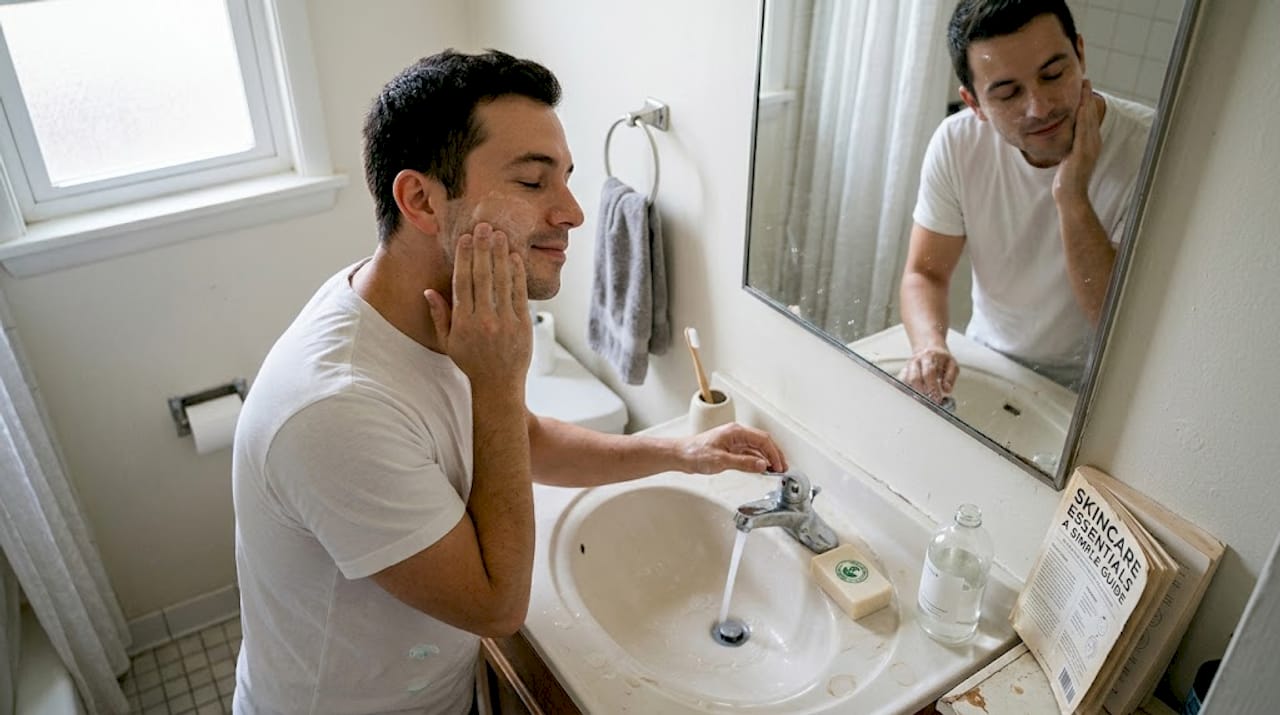
Our eco-conscious beauty steps guide and waterless beauty explained article both offer practical next steps once you’ve completed your initial transition.
Common mistakes, troubleshooting, and expert tips
Even well-intentioned people make the same mistakes when switching to sustainable beauty. Knowing them in advance saves you time, money, and frustration.
The most common pitfalls:
- Overbuying “green” products. Buying 10 new sustainable products at once defeats the purpose. Waste is waste, regardless of the label.
- Trusting “all-natural” claims. 59% of consumers are confused by greenwashing, and natural does not always equal sustainable. Arsenic is natural. So is formaldehyde.
- Equating vegan with sustainable. A product can be vegan and still come in non-recyclable plastic, use water-intensive crops, or ship from halfway around the world.
- Giving up during the purge phase. Skin adjustments are temporary. Most people who quit do so in the first two weeks, right before results start showing.
- Ignoring packaging. A clean formula in a non-recyclable tube is still a waste problem.
Pro Tip: Track your routine in a simple notes app. Log what you’re using, when you started, and how your skin responds. After 4 weeks, you’ll have real data instead of guesses.
If you experience irritation after switching products, don’t immediately assume the new product is the problem. Reintroduce one product at a time to identify the actual trigger. Patch testing on your inner arm before full application is always a smart move.
For ongoing guidance on building a routine that works at home, our home skincare tips page covers vegan and eco-friendly approaches in practical detail.
Results you can expect: Visible changes and larger impact
After 6 to 8 weeks, most people report clearer, healthier skin alongside a measurable reduction in product waste. Those two outcomes are connected. Fewer products with cleaner ingredients means less potential for irritation, clogged pores, and allergic reactions.
| Timeline | Personal results | Environmental impact |
|---|---|---|
| Week 1 to 2 | Skin adjustment, possible purge | Packaging reduction begins |
| Week 3 to 4 | Stabilized skin, reduced breakouts | Fewer products purchased |
| Week 6 to 8 | Clearer skin, lower spending | Measurable waste reduction |
| Month 3 and beyond | Consistent glow, simplified routine | Ongoing lower footprint |
Beyond your own skin, the collective impact of consumers making these switches adds up. Fewer purchases mean less demand for excessive packaging. Choosing certified brands signals to the industry that transparency is non-negotiable.
| Metric | Before transition | After transition |
|---|---|---|
| Monthly product count | 10 to 15 items | 3 to 6 items |
| Monthly spend | High and variable | Lower and predictable |
| Packaging waste | Multiple units/month | Minimal, refillable |
| Skin condition | Often reactive | Calmer, more balanced |
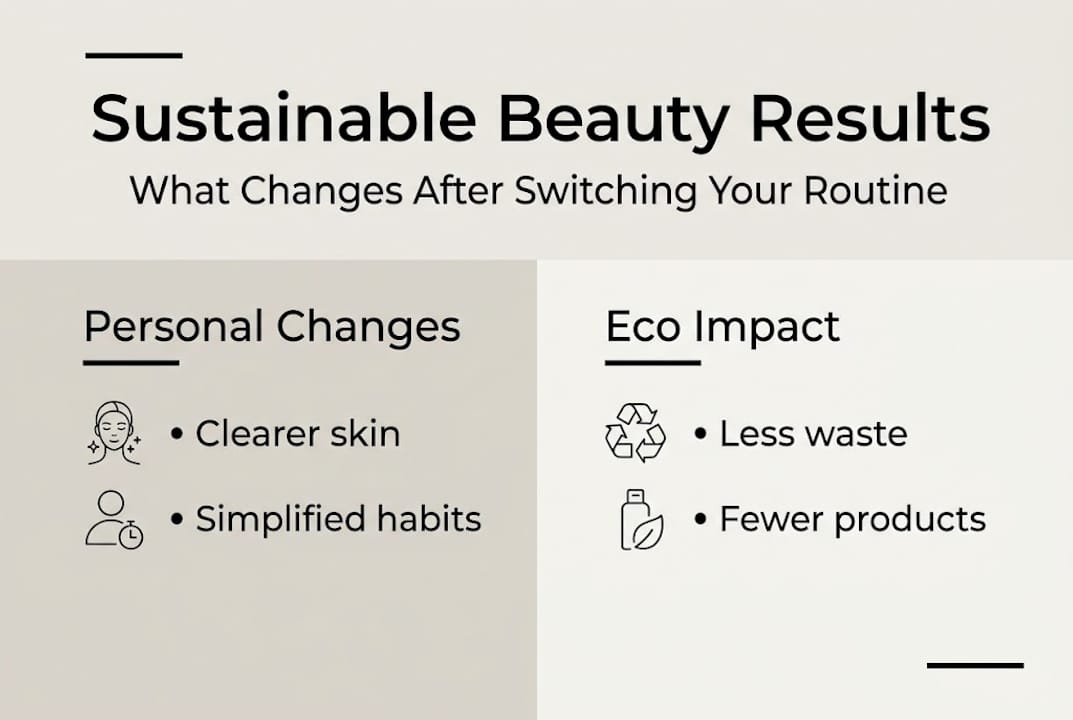
You can measure your progress by keeping a simple digital audit: how many products you bought, how much packaging you discarded, and how your skin looks and feels. Share your results with your community. Real stories move people more than statistics.
For more on what clean beauty results actually look like, our clean beauty results resource gives honest, experience-based insights.
Our take: Why going beyond ‘natural’ is the future of sustainable beauty
Here’s the uncomfortable truth most beauty content won’t tell you: “natural” and “vegan” are marketing categories, not sustainability standards. We’ve worked with enough brands and consumers to know that a product can check every trendy box and still leave a significant environmental footprint.
Sustainable beauty increasingly means regenerative, not just “less harmful,” and that shift requires verification beyond standard labels. Waterless formulations, for example, often outperform organic alternatives in terms of actual environmental impact because they require less energy, less packaging, and lower shipping weight.
Third-party audits and Life Cycle Assessments tell you more in one document than a year’s worth of brand marketing. If a brand can’t show you its LCA or point to a recognized certification body, that’s a signal worth taking seriously.
The brands and consumers who will lead the next decade of sustainable beauty are those who demand proof, not promises. That’s the standard we hold ourselves to, and it’s the one we encourage you to apply everywhere. For a deeper look at how waterless formulations are changing the game, our waterless beauty insights article is worth your time.
Discover certified sustainable essentials for your routine
You’ve done the research. Now it’s time to act on it with products that actually meet the standard.
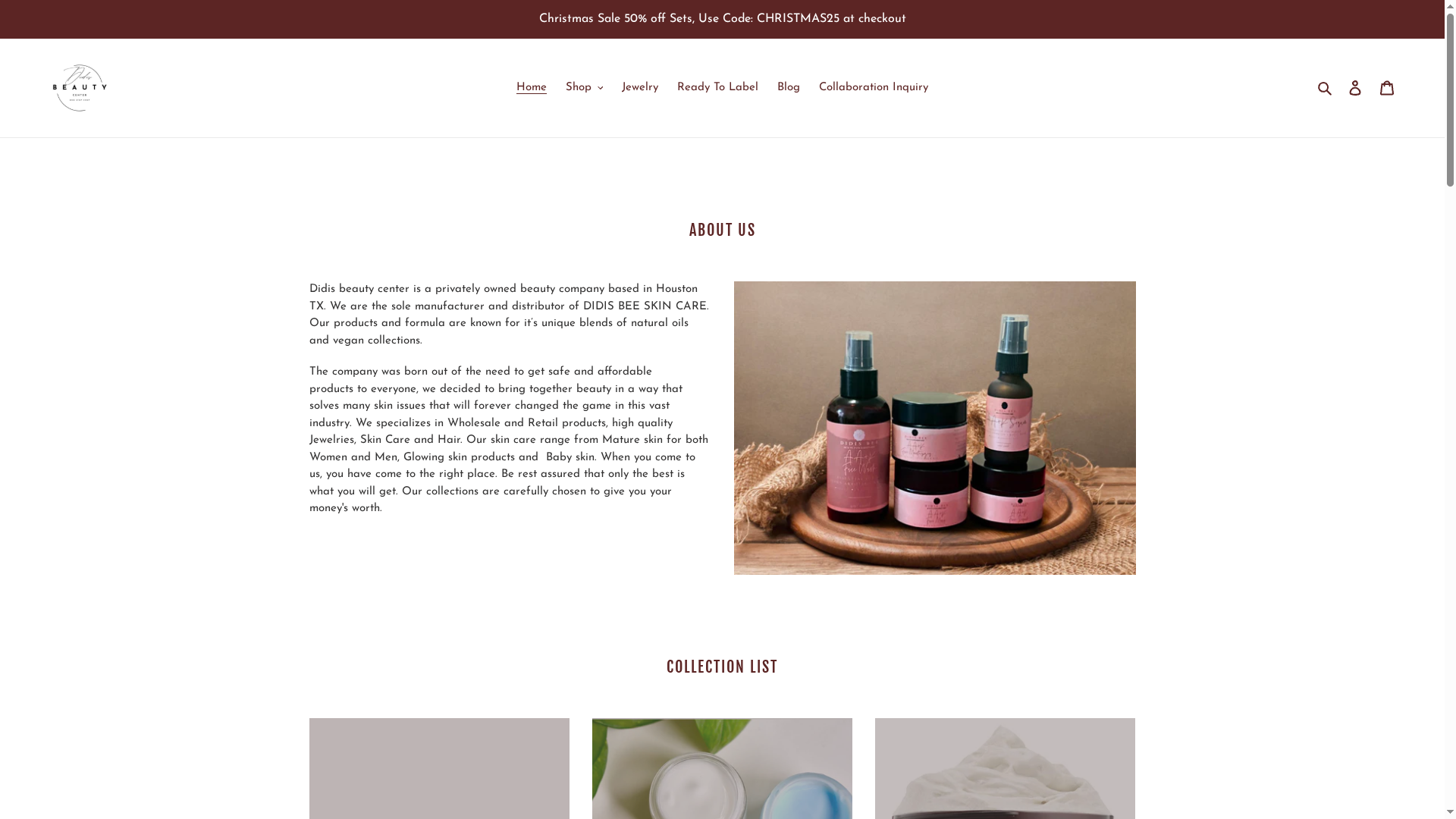
At Didis Beauty Center, we’ve curated options for both personal routines and brand builders. The Daily Essential Bundle gives you a clean, minimal starting point with eco-conscious formulations and responsible packaging. If you’re ready to build a fuller routine, the Daily Routine Bundle covers every core step. Entrepreneurs looking to launch their own sustainable line can explore our private label sustainable beauty program, which offers ready-to-label, vegan-formulated products with flexible minimum orders. Real sustainability starts with the right foundation.
Frequently asked questions
How many products should I use in a sustainable beauty routine?
Aim for 3 to 6 essentials that are multi-use and high-quality. Fewer products mean less waste and less chance of skin irritation.
How long does it take to see results from switching to sustainable beauty?
Most people notice visible improvements within 6 to 8 weeks, including calmer skin, fewer breakouts, and a noticeably reduced product pile.
What’s the difference between natural, vegan, and sustainable beauty?
Natural and vegan describe ingredients, but true sustainability requires verified low-impact sourcing, responsible packaging, and third-party certification across the full product lifecycle.
How do I avoid greenwashing when shopping for beauty products?
Skip the label buzzwords and look for LCA data or recognized third-party certifications. 59% of shoppers already distrust unverified claims, and for good reason.
Can a brand be natural and still be unsustainable?
Absolutely. Some natural brands rely on water-intensive crops or ship in excessive plastic packaging. Always assess the full lifecycle, not just the ingredient list.
Discourse (0)