


Finding an effective, affordable natural vegan skincare routine can feel overwhelming with countless products claiming miracle results. You deserve a clear, science-backed approach that delivers real improvements without breaking the bank. This guide walks you through a proven step by step natural face care routine using vegan products, combining expert-backed botanical ingredients with practical application methods. You’ll learn exactly which natural actives work, how to use them correctly, and what results to expect for genuinely healthy skin in 2026.
Table of Contents
- Understanding Natural Ingredients And Skincare Preparation
- Step By Step Natural Face Care Routine Using Vegan Products
- Common Mistakes And Troubleshooting Your Natural Face Care Routine
- Expected Results And How To Verify Healthy Skin Progress
- Discover Natural Vegan Skincare At Didis Beauty Center
- Frequently Asked Questions
Key takeaways
| Point | Details |
|---|---|
| Natural botanicals deliver proven results | Centella asiatica improves hydration, elasticity, and wrinkle appearance with consistent use. |
| Step by step consistency matters most | Following a structured routine daily maximizes ingredient absorption and skin barrier strength. |
| Proper preparation enhances effectiveness | Clean, moisturized skin absorbs active botanicals better, delivering faster visible improvements. |
| Common mistakes sabotage progress | Over-exfoliation, skipping patch tests, and ingredient incompatibility reduce routine effectiveness significantly. |
Understanding natural ingredients and skincare preparation
Before diving into your daily routine, understanding which natural ingredients actually work and how to prepare your skin makes the difference between frustration and visible results. Science supports specific botanicals for skin health, and building a natural skincare routine starts with ingredient knowledge.
Centella asiatica improves hydration, elasticity, and wrinkle appearance through its pentacyclic triterpenoids, which stimulate collagen synthesis and enhance wound healing. This botanical has centuries of traditional use backed by modern clinical validation. Another powerhouse is Houttuynia cordata, whose essential oil inhibits skin pathogens while delivering antioxidant protection against environmental stressors.
Key natural ingredients for your vegan routine include:
- Centella asiatica for barrier repair and anti-aging effects
- Houttuynia cordata for antimicrobial and antioxidant benefits
- Opuntia ficus-indica for sebum control and pore refinement
- Astragalus membranaceus for wound healing and barrier strengthening
- Green tea extracts for antioxidant protection and inflammation reduction
Proper skin preparation amplifies these ingredients’ effectiveness dramatically. Start with thoroughly cleansed skin to remove oil, dirt, and dead cells that block absorption. Pat skin slightly damp before applying water-based products, as moisture helps actives penetrate the stratum corneum. Advanced delivery systems like liposomes and nanocarriers improve botanical penetration, but simple layering from thinnest to thickest consistency works remarkably well.
Your skin’s barrier function determines how well it absorbs and retains beneficial compounds. Compromised barriers from harsh products or environmental damage reduce effectiveness and increase irritation risk. Gentle cleansing followed by pH-balancing toners creates the optimal foundation for treatment products to work.
Pro Tip: Always apply serums to slightly damp skin within 60 seconds of cleansing or toning to trap moisture and enhance ingredient delivery through the epidermis.
Step by step natural face care routine using vegan products
Now you’re ready to implement a complete daily routine that leverages natural vegan ingredients for maximum skin health. This vegan skincare routine follows the principle of layering products from lightest to heaviest for optimal absorption and barrier support.
-
Cleanse thoroughly but gently using a natural soap or gel cleanser formulated with mild surfactants. Massage for 60 seconds to dissolve makeup, sunscreen, and sebum without stripping natural oils. Rinse with lukewarm water and pat dry, leaving skin slightly damp.
-
Tone to balance pH immediately after cleansing with a hydrating toner containing botanicals like green tea or rose water. This step removes residual impurities, normalizes skin pH to around 5.5, and preps the epidermis for better serum absorption.
-
Apply treatment serums targeting your specific concerns next. For oily or acne-prone skin, isorhamnetin from Opuntia ficus-indica reduces sebum, pore size, and inflammation significantly. For aging concerns, use Centella asiatica serums rich in asiaticoside and madecassoside to boost collagen and improve elasticity. Press serums into skin rather than rubbing to enhance penetration.
-
Moisturize to lock in hydration with a vegan cream or lotion containing barrier-supporting ingredients. Natural oils like jojoba or squalane mimic sebum composition, while plant ceramides reinforce the lipid matrix between skin cells. Apply while serums are still slightly damp for best results.
-
Protect with SPF every morning to prevent photoaging, hyperpigmentation, and barrier damage from UV exposure. Choose mineral sunscreens with zinc oxide or titanium dioxide for reef-safe, non-irritating protection. Reapply every two hours during extended sun exposure.
-
Add weekly treatments like gentle enzyme exfoliants from papaya or pumpkin to remove dead cells without physical scrubbing. Clay masks with kaolin or bentonite draw out impurities while delivering minerals. Limit exfoliation to twice weekly maximum to avoid barrier disruption.
Consistency beats intensity in natural skincare. Following these steps morning and evening establishes a rhythm that your skin adapts to, optimizing its natural repair cycles. Most people see initial improvements in hydration and texture within two weeks, with continued enhancement over months.

Pro Tip: Keep your routine simple initially with just cleanser, toner, one serum, moisturizer, and SPF before adding specialized treatments to identify what works best for your unique skin.
Common mistakes and troubleshooting your natural face care routine
Even with the right products and knowledge, certain pitfalls derail results and frustrate your natural skincare efforts. Recognizing and correcting these mistakes quickly gets your routine back on track.
Over-exfoliation ranks as the most common barrier-damaging mistake. Using physical scrubs daily or combining multiple acid exfoliants creates micro-tears, inflammation, and increased sensitivity. Your skin barrier needs time to regenerate between exfoliation sessions. Stick to twice weekly maximum, and choose either physical or chemical exfoliation, never both simultaneously.
Neglecting patch tests before introducing new botanicals invites allergic reactions or irritation. Natural doesn’t automatically mean non-irritating for every skin type. Test new products on your inner forearm for 24 hours before facial application. Watch for redness, itching, or burning that indicates sensitivity.
Ignoring seasonal adjustments reduces routine effectiveness as environmental conditions change. Winter’s dry air requires heavier moisturizers and more barrier support, while summer humidity allows lighter formulations. Your skin’s needs fluctuate with temperature, humidity, and indoor heating or cooling.
Common troubleshooting issues include:
- Breakouts from new products usually indicate comedogenic ingredients or too-rich formulations for your skin type
- Persistent dryness suggests inadequate moisturizer or over-cleansing that strips natural oils
- Increased sensitivity often results from using too many actives simultaneously or damaged barrier function
- Lack of results after 8 weeks may require formula adjustments or addressing underlying health factors
Inconsistent application sabotages even the best formulated products. Centella asiatica’s pentacyclic triterpenoids require regular use to accumulate in skin tissue and deliver benefits. Skipping days or switching products constantly prevents your skin from adapting and responding.
Ingredient incompatibility creates irritation or reduces effectiveness when certain actives shouldn’t be combined. Avoid using vitamin C with niacinamide in immediate succession, as pH differences reduce stability. Retinol alternatives like bakuchiol pair well with most botanicals but increase photosensitivity, requiring diligent SPF use.
Pro Tip: Keep a simple skincare journal noting products used, skin condition, and any reactions to identify patterns and optimize your routine based on real results rather than guesswork.
Expected results and how to verify healthy skin progress
Understanding realistic timelines and measurable improvements keeps you motivated and helps you recognize when adjustments are needed. Your natural skincare routine delivers progressive benefits as skin cells regenerate and barriers strengthen.
Skin hydration improves first, usually within 7 to 14 days of consistent routine use. You’ll notice reduced tightness, smoother texture, and better makeup application. Elasticity enhancement follows as Astragalus membranaceus and Centella asiatica saponins improve skin barrier and collagen synthesis over 4 to 8 weeks.
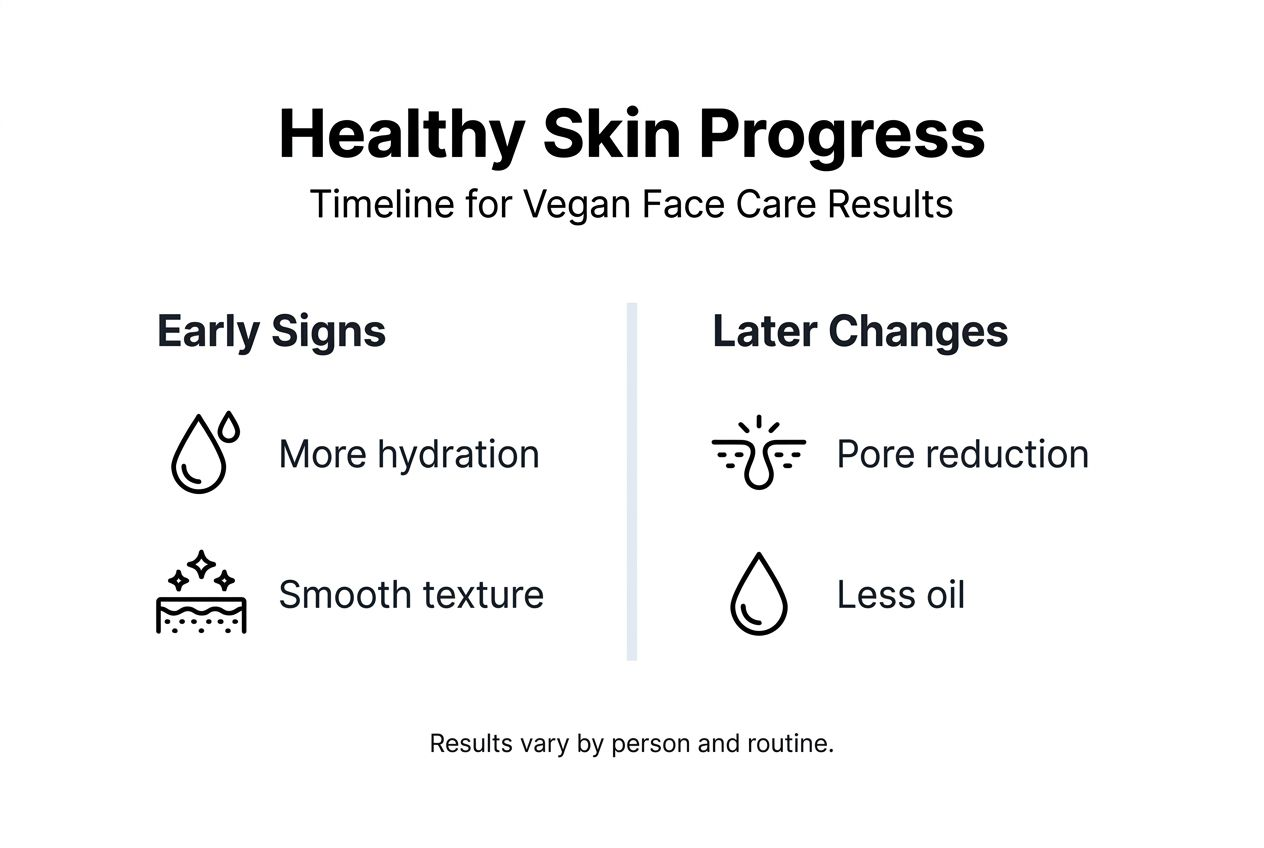
Sebum regulation and pore size reduction become visible around week 4 to 6 with botanical actives like Opuntia ficus-indica. Inflammation markers decrease as antimicrobial and antioxidant compounds from Houttuynia cordata accumulate in tissue. Fine lines and wrinkle depth show measurable improvement by week 8 to 12 with consistent Centella asiatica use.
| Timeline | Expected improvements | Verification method |
|---|---|---|
| Week 1-2 | Increased hydration, reduced tightness | Touch test, makeup application ease |
| Week 3-4 | Smoother texture, initial pore refinement | Visual inspection, close-up photos |
| Week 5-8 | Improved elasticity, reduced inflammation | Skin bounce-back test, redness reduction |
| Week 9-12 | Fine line reduction, barrier strengthening | Before/after photos, professional analysis |
Tracking progress objectively helps you identify what’s working. Take consistent photos in identical lighting weekly, focusing on problem areas. Simple at-home tests like the skin bounce test assess elasticity improvements by gently pressing and releasing to observe how quickly skin returns to position.
Professional skin analysis devices measure hydration levels, pore size, and elasticity with precision, though consistent visual documentation works well for most people. Notice tactile changes like increased smoothness, reduced roughness, and improved firmness alongside visible improvements.
Discover natural vegan skincare at Didis Beauty Center
Implementing this step by step routine becomes simpler when you have access to quality natural vegan products formulated with the botanicals discussed. Didis Beauty Center specializes in science-backed skincare using plant-derived ingredients that deliver real results without harsh chemicals or animal products.
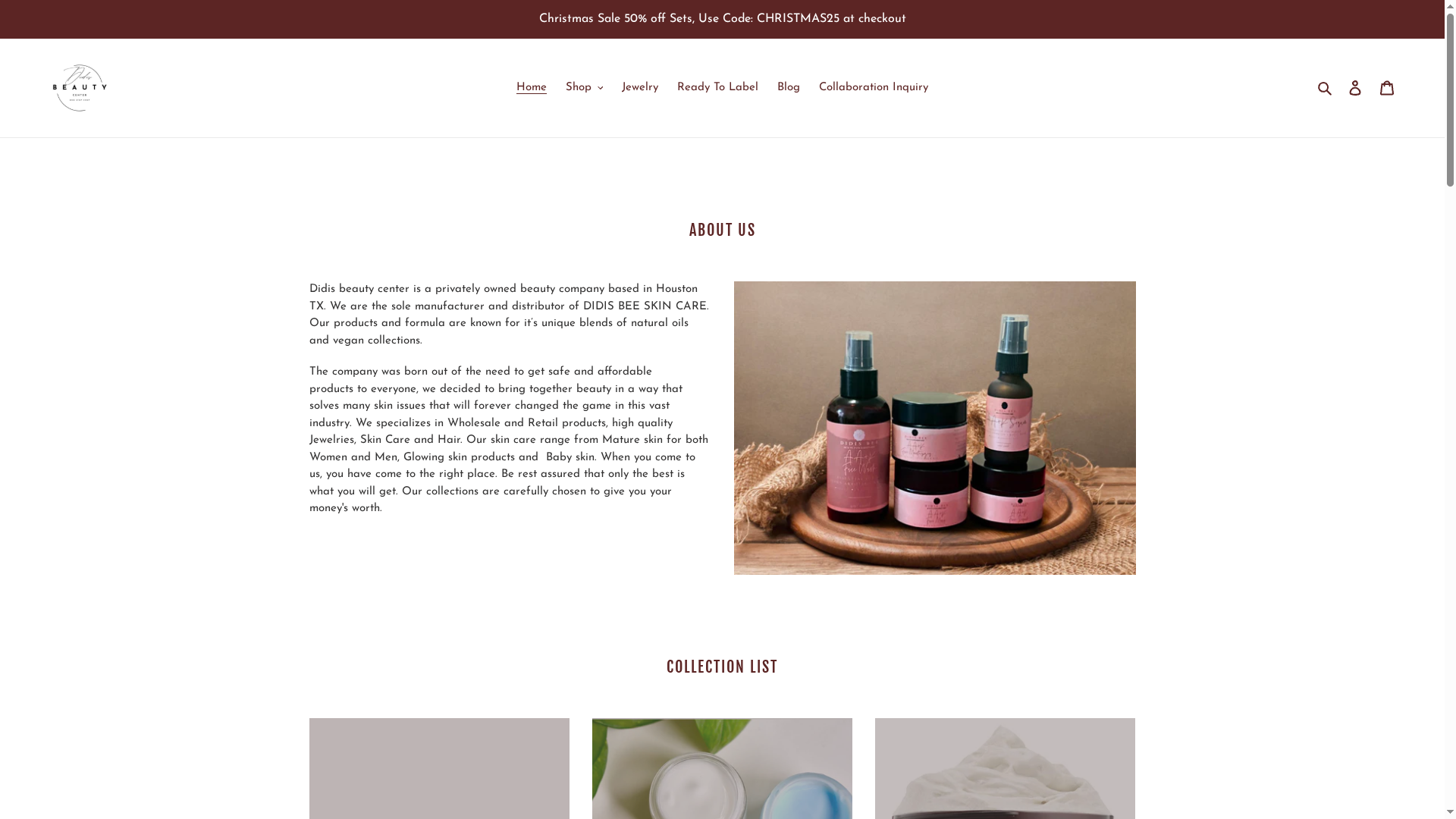
Their product line includes gentle cleansers, pH-balancing toners, and concentrated serums featuring ingredients like Centella asiatica and green tea extracts. The Fresh Tea Face Mist provides instant hydration and antioxidant protection throughout the day, perfect for the toning step in your routine. For entrepreneurs interested in launching their own natural skincare brand, explore private label options that let you offer these quality formulations under your brand.
Frequently asked questions
How long does it take to see results from a natural face care routine?
Most people notice initial hydration and texture improvements within 2 weeks of consistent use. More significant changes in elasticity, pore size, and fine lines typically appear between weeks 4 and 8. Individual results vary based on skin type, age, and adherence to the routine.
Can I use natural vegan products if I have sensitive skin?
Yes, natural vegan formulations often work well for sensitive skin since they avoid harsh synthetic ingredients and common irritants. Always patch test new products first and introduce one item at a time to identify any sensitivities. Start with gentle formulas and basic routines before adding active treatments.
Do I need different products for morning and evening routines?
Your morning routine should always include SPF as the final step, while evening routines can focus on treatment serums and richer moisturizers. Cleansing, toning, and basic moisturizing remain consistent. Some actives like certain acids work best at night when sun exposure isn’t a concern.
What’s the correct order to apply multiple serums?
Apply serums from thinnest to thickest consistency, starting with water-based formulas before oil-based ones. If using multiple treatment serums, apply the one targeting your primary concern first when absorption is optimal. Wait 30 to 60 seconds between layers for better penetration.
How do I know if a natural ingredient is causing breakouts?
Introduce new products one at a time with at least a week between additions to isolate potential triggers. Breakouts appearing within 24 to 72 hours typically indicate comedogenic ingredients or allergic reactions. Keep notes on products and timing to identify patterns and problematic ingredients for your skin type.
Discourse (0)