


Many believe beauty advocacy is a fringe movement reserved for activists, but the reality is far more impactful. Advocacy has fundamentally reshaped how natural and vegan skincare products reach consumers, driving transparency, cruelty-free standards, and sustainable practices across the industry. Whether you’re a passionate consumer seeking ethical products or a small business owner building a cruelty-free brand, understanding advocacy’s role empowers you to make informed choices and contribute to meaningful change. This article reveals how advocacy influences product standards, amplifies consumer power, and transforms the beauty landscape for everyone committed to natural, vegan skincare.
Table of Contents
- Key takeaways
- Understanding the role of advocacy in beauty
- How advocacy has shaped transparency and cruelty-free movements
- The importance of advocacy for small businesses in natural and vegan beauty
- Practical ways you can participate in beauty advocacy today
- Explore cruelty-free and vegan beauty solutions
- FAQ
Key Takeaways
| Point | Details |
|---|---|
| Advocacy Drives Transparency | Advocacy efforts push for clear labeling and verifiable certifications that reveal ingredients and sourcing to consumers. |
| Cruelty Free Standards | Coordinated advocacy helps enforce cruelty free practices and reduces animal testing across the skincare industry. |
| Consumer Empowerment | Informed consumers can shift markets by choosing ethical brands, sharing verified information, and supporting transparent supply chains. |
| Practical Advocacy Actions | Actionable steps include researching brands beyond marketing claims, asking about testing policies, and supporting legislation that strengthens animal welfare protections. |
Understanding the role of advocacy in beauty
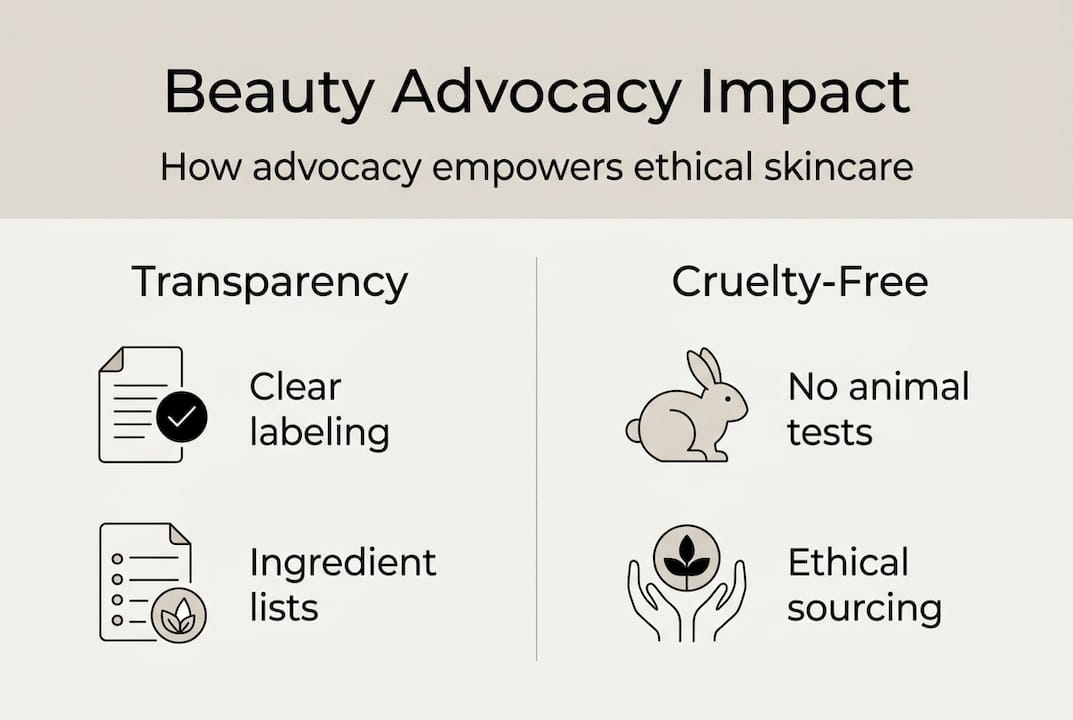
Beauty advocacy encompasses coordinated efforts by consumers, organizations, and ethical businesses to promote transparency, safety, and cruelty-free practices throughout the skincare industry. These efforts directly challenge harmful practices like animal testing, toxic ingredient use, and misleading marketing claims. Consumer advocacy plays a key role in ensuring product safety and transparency, creating pressure for brands to meet higher ethical standards.
Advocacy specifically supports the natural, vegan, and cruelty-free beauty movements by demanding verifiable certifications, honest ingredient disclosures, and sustainable sourcing practices. When advocates push for change, they influence not only individual brand decisions but also regulatory frameworks and industry-wide standards. This creates a ripple effect that benefits everyone seeking safer, more ethical skincare options.
Common advocacy activities include:
- Campaigning for stricter animal testing bans and enforcement
- Educating consumers about ingredient safety and product certifications
- Supporting ethical brands through purchasing decisions and public endorsement
- Demanding transparency in supply chains and manufacturing processes
- Organizing petitions and social movements to pressure non-compliant brands
- Collaborating with regulatory bodies to strengthen beauty product standards
These actions collectively shift market dynamics, making ethical products more accessible and forcing brands to prioritize consumer wellbeing over profit shortcuts. Understanding this framework helps you recognize your own power within the beauty ecosystem.
Pro Tip: Before purchasing any skincare product, research the brand’s stance on animal testing and ingredient sourcing. Look for third-party certifications rather than relying solely on marketing claims.
How advocacy has shaped transparency and cruelty-free movements
Advocacy efforts have achieved remarkable milestones in transforming beauty industry standards over the past two decades. Successful advocacy campaigns have increased visibility and acceptance of sustainable and vegan beauty products, creating market conditions where ethical choices are now mainstream rather than niche. Major retailers now dedicate entire sections to cruelty-free products, a direct result of sustained consumer pressure and organized advocacy.
The certification landscape illustrates advocacy’s tangible impact. Understanding different certifications helps you make informed choices:
| Certification Type | What It Guarantees | What It Doesn’t Cover |
|---|---|---|
| Cruelty-Free | No animal testing on finished products or ingredients | May contain animal-derived ingredients |
| Vegan | No animal-derived ingredients | Doesn’t address animal testing practices |
| Clean Beauty | Excludes certain harmful chemicals | Standards vary widely by certifier |
| Organic | Ingredients grown without synthetic pesticides | Doesn’t guarantee cruelty-free or vegan |
Consumer advocacy ensures better labeling and safety standards in clean beauty products, pushing brands to clearly communicate what their certifications actually mean. This transparency empowers you to align purchases with your values without decoding marketing jargon.
To support these movements effectively, follow these proven tactics:
- Research brand practices beyond surface-level marketing claims by checking advocacy organization databases
- Share verified information about ethical brands within your social networks and communities
- Contact brands directly to ask specific questions about testing policies and ingredient sourcing
- Support legislation that strengthens animal welfare protections and ingredient safety requirements
- Choose certified products consistently to signal market demand for ethical alternatives
- Report misleading claims to consumer protection agencies and advocacy groups
These individual actions aggregate into powerful market signals that companies cannot ignore. When enough consumers demand change, even resistant brands must adapt or risk losing market share.
Pro Tip: Cross-reference cruelty-free claims with databases from Leaping Bunny, PETA, or Choose Cruelty Free. Legitimate certifications require ongoing compliance audits, not just one-time declarations.
The importance of advocacy for small businesses in natural and vegan beauty
Small businesses face unique challenges when competing in the natural and vegan beauty market. Large corporations often dominate shelf space and marketing budgets while simultaneously making unsubstantiated ethical claims. This creates an uneven playing field where genuinely committed small brands struggle for visibility despite offering superior ethical standards.
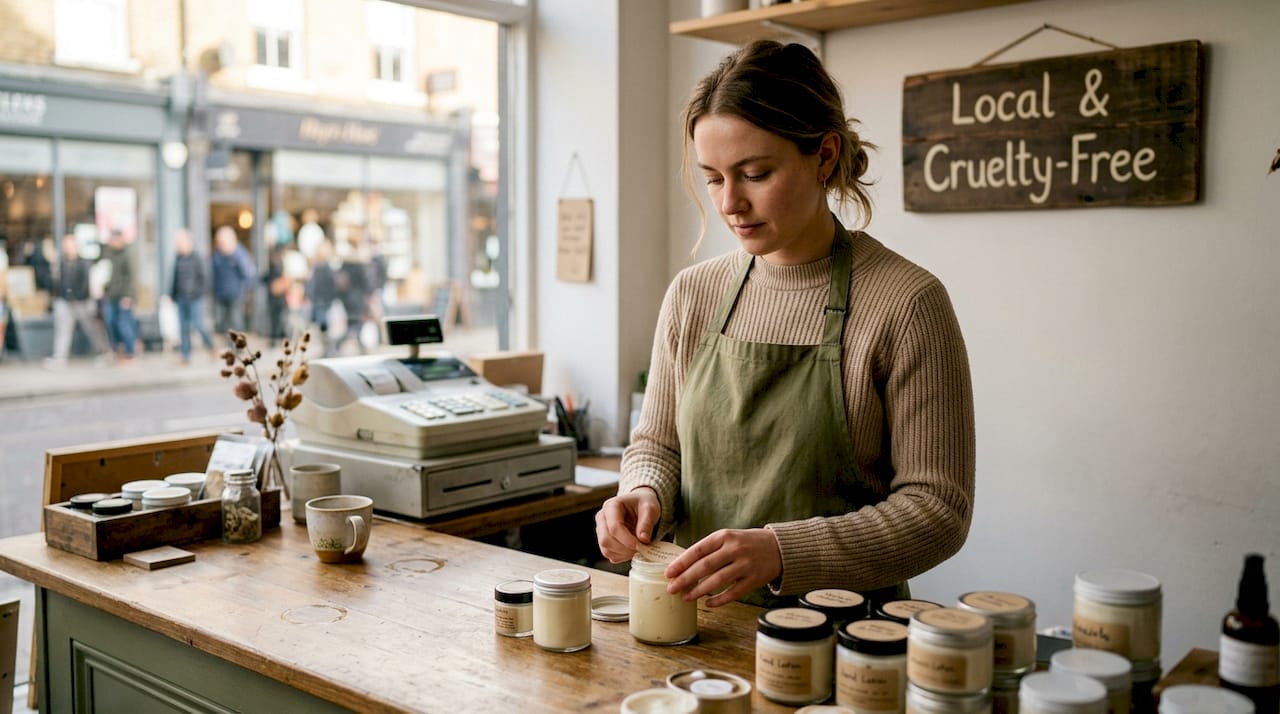
Advocacy levels this playing field by creating informed consumer bases that actively seek authentic ethical products. When consumers understand the difference between genuine commitment and greenwashing, they naturally gravitate toward brands with verifiable practices. This consumer education directly benefits small businesses that have built their entire operations around cruelty-free, natural, and vegan principles.
Key benefits advocacy provides to small ethical businesses include:
- Building consumer trust through third-party verification and transparent communication
- Creating networking opportunities with like-minded brands and advocacy organizations
- Aligning business practices with growing consumer values around sustainability and ethics
- Accessing educational resources about certifications, regulations, and best practices
- Amplifying brand visibility through advocacy group recommendations and features
- Differentiating from larger competitors who prioritize profit over principles
Many conscious brands use advocacy to boost eco-friendly standards and healthy skincare practices, positioning themselves as industry leaders rather than followers. This proactive stance attracts customers who want their purchases to reflect their values.
Small businesses can actively participate in advocacy by:
- Pursuing recognized certifications that verify cruelty-free, vegan, and clean beauty claims
- Sharing transparent information about ingredient sourcing and manufacturing processes
- Educating customers through content that explains ethical beauty standards
- Collaborating with advocacy groups to strengthen industry-wide ethical practices
- Supporting policy changes that protect animals and promote ingredient safety
- Mentoring other small businesses entering the ethical beauty space
These actions not only strengthen individual brands but also elevate the entire natural and vegan beauty sector. When small businesses lead by example, they create pressure for larger companies to follow suit or face consumer backlash.
Pro Tip: Partner with established advocacy organizations for certification guidance and credibility. Their expertise helps you navigate complex requirements while their endorsement signals authenticity to skeptical consumers. Consider joining industry groups focused on eco-conscious practices to expand your network.
Practical ways you can participate in beauty advocacy today
You don’t need to launch a full-scale campaign to make a meaningful difference in beauty advocacy. Small, consistent actions by informed consumers collectively drive industry transformation. Empowered consumers can accelerate market shifts toward ethical beauty through advocacy at multiple levels, from personal purchasing decisions to community education efforts.
Start with these accessible advocacy actions:
- Purchase products with verified cruelty-free and vegan certifications to signal market demand
- Research brands thoroughly before buying, checking advocacy databases and certification registries
- Share accurate information about ethical beauty practices with friends and family
- Support small businesses genuinely committed to natural and cruelty-free principles
- Contact brands to ask specific questions about their testing policies and ingredient sources
- Advocate for stronger animal welfare and ingredient safety legislation through petitions and letters
- Educate yourself continuously about emerging issues in beauty product safety and ethics
- Call out greenwashing and misleading marketing claims through reviews and social media
- Join online communities focused on ethical beauty to exchange information and recommendations
- Attend or organize local events promoting natural and vegan skincare awareness
Each purchase you make represents a vote for the kind of beauty industry you want to see. When you consistently choose ethical products, you create financial incentives for brands to maintain high standards. This economic pressure often proves more effective than regulatory action alone.
Every informed choice you make as a consumer sends a powerful message to the beauty industry. Your purchasing decisions, combined with those of millions of other conscious consumers, create unstoppable momentum toward transparency, safety, and cruelty-free practices. Never underestimate the collective power of individual advocacy actions.
Social media amplifies your advocacy reach exponentially. Sharing honest reviews of ethical brands, explaining certification differences, or simply posting about your commitment to cruelty-free beauty educates your network and normalizes these values. This grassroots education builds the informed consumer base that advocacy organizations rely on to pressure resistant brands.
Community involvement creates lasting impact beyond individual actions. Attend local sustainability events, join beauty advocacy groups, or start conversations in existing social circles about ethical skincare. These discussions plant seeds that grow into broader awareness and behavior change. You become part of a movement that’s fundamentally reshaping how beauty products are developed, marketed, and sold.
Explore cruelty-free and vegan beauty solutions
Putting advocacy principles into practice starts with choosing brands that genuinely prioritize natural, vegan, and cruelty-free standards. Didis Beauty Center offers a carefully curated selection of skincare products that align with these values, making ethical choices accessible and affordable. Every product reflects a commitment to transparency, safety, and animal welfare.
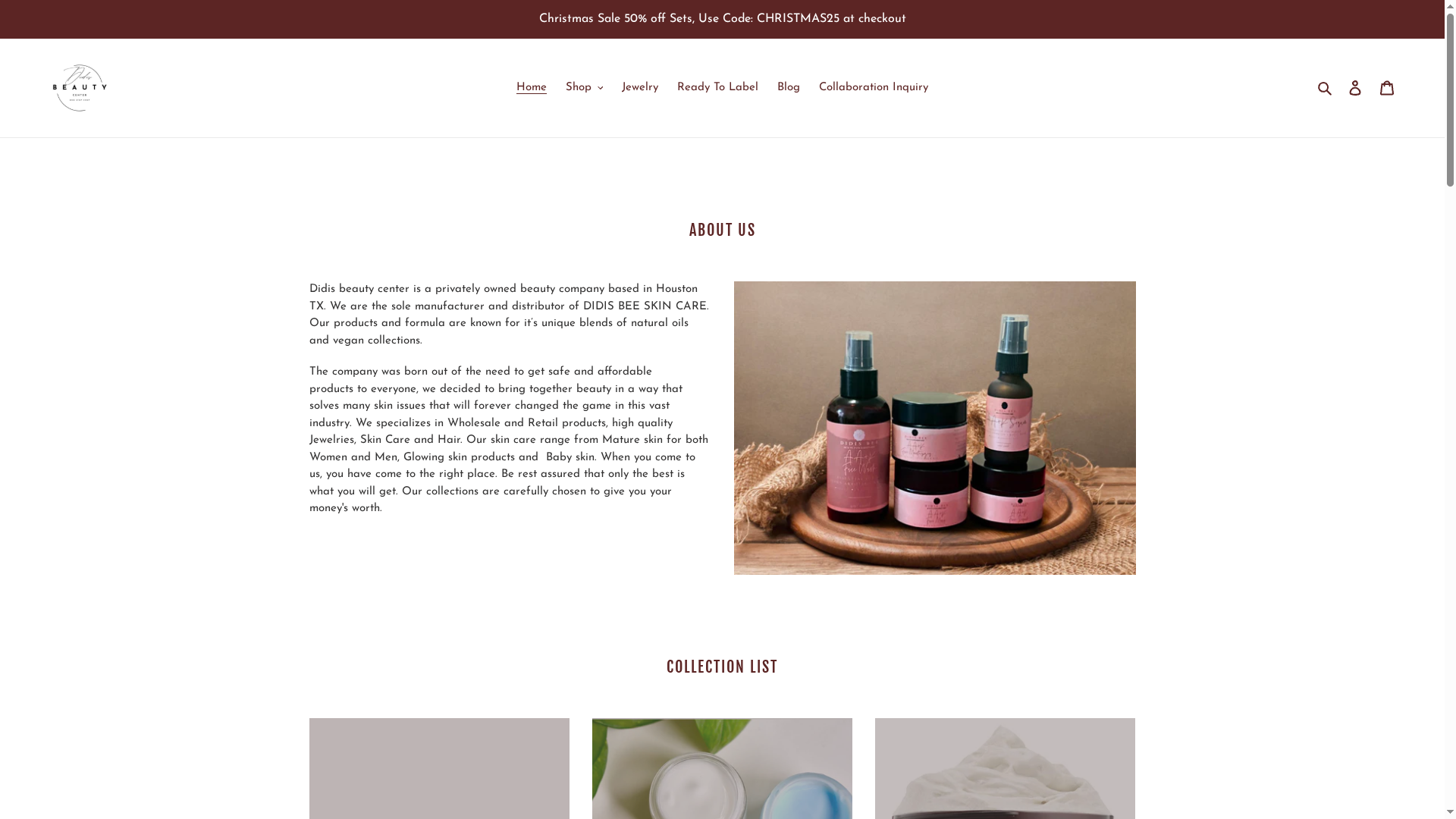
For small business owners passionate about ethical beauty, our private label solutions provide ready-to-brand products that meet cruelty-free and vegan standards. This empowers you to launch or expand your business while maintaining the ethical principles your customers expect. Complement your skincare routine with our beauty accessories collection, designed to enhance natural skincare rituals. Explore Didis Beauty Center today to discover products that support your advocacy-aligned beauty journey.
FAQ
What is beauty advocacy and why is it important?
Beauty advocacy involves organized efforts by consumers, organizations, and ethical businesses to promote transparency, cruelty-free practices, and ingredient safety throughout the skincare industry. It protects both consumers and animals by demanding verifiable standards and challenging harmful practices like animal testing and toxic ingredient use. Advocacy creates market pressure that forces brands to prioritize ethics over profit shortcuts, ultimately making safer and more ethical products accessible to everyone.
How can I verify if a product is truly cruelty-free or vegan?
Check packaging for recognized certification logos from organizations like Leaping Bunny, PETA, or Choose Cruelty Free, which require ongoing compliance audits rather than self-declarations. Research brand transparency by visiting their websites for detailed policy statements and consulting credible advocacy group databases that track company practices. Be skeptical of vague marketing language and always seek third-party verified seals rather than trusting unsubstantiated brand claims. Cross-referencing multiple sources ensures you’re supporting genuinely ethical products.
What role do small businesses play in beauty advocacy?
Small businesses often lead innovation in ethical product development because their entire operations are built around cruelty-free, natural, and vegan principles rather than retrofitting ethics onto existing profit models. They rely on advocacy to build consumer trust, differentiate from larger competitors making unsubstantiated claims, and access networks that amplify their visibility. By partnering with advocacy organizations and pursuing rigorous certifications, small businesses demonstrate authentic commitment that attracts values-driven consumers. Their success proves that ethical practices can be both principled and profitable.
How can consumers effectively participate in beauty advocacy?
Support brands with transparent cruelty-free and vegan practices through consistent purchasing decisions that signal market demand for ethical products. Share accurate information about certifications, ingredient safety, and brand practices within your social networks to educate others and normalize ethical beauty standards. Engage in constructive dialogue on social platforms and community forums, calling out greenwashing while celebrating brands that demonstrate genuine commitment. Contact brands directly with specific questions about their practices, support relevant legislation, and join advocacy organizations to amplify your individual impact through collective action.
Discourse (0)