


Choosing effective natural and vegan skincare products feels overwhelming when you face shelves packed with countless options promising radiant skin. You want formulations that deliver real results without compromising your values or skin health. The beauty industry has evolved dramatically, with natural and vegan products now matching synthetic counterparts in efficacy while offering gentler, more sustainable solutions. This guide walks you through proven criteria for evaluating must-have products and highlights award-winning formulations backed by clinical data and 2025 industry trends, helping you build an effective routine or launch your own clean beauty brand.
Table of Contents
- Key takeaways
- How to evaluate must-have skincare products
- Top natural and vegan skincare must-haves in 2025
- Comparing natural, synthetic, and hybrid skincare options
- Choosing the right products for your personal routine or beauty brand
- Partner with Didis Beauty Center for private label skincare solutions
- Frequently asked questions
Key Takeaways
| Point | Details |
|---|---|
| Barrier repair focus | Prioritize products that strengthen the skin barrier with ceramides and lipids to reduce moisture loss. |
| Hydration and antioxidants | Look for hyaluronic acid for lasting moisture and antioxidants such as vitamin C or vitamin E to protect skin and support collagen. |
| Hybrid actives advantage | Hybrid formulations blend plant actives with delivery systems to improve potency and tolerance. |
| Clinical validation matters | Choose products with clinical data or awards to verify real world performance beyond marketing claims. |
How to evaluate must-have skincare products
Selecting truly effective natural and vegan skincare requires understanding what separates marketing hype from scientifically backed formulations. You need clear criteria that prioritize both ingredient quality and real-world performance.
Start by examining core functional ingredients that address fundamental skin needs. Barrier repair, hydration, and antioxidant protection form the foundation of any effective routine. Ceramides and lipids strengthen your skin’s protective barrier, preventing moisture loss and environmental damage. Hyaluronic acid attracts and retains water molecules, delivering deep hydration that plumps skin and reduces fine lines. Antioxidants like vitamin C and tocopherol neutralize free radicals that accelerate aging, while brightening skin tone and supporting collagen production.
Formulation stability presents unique challenges with natural actives. Plant-based ingredients can degrade faster than synthetic alternatives when exposed to light, air, or pH fluctuations. Quality products address these issues through protective packaging, stabilizing agents, and careful pH balancing. You want formulations that maintain potency throughout their shelf life, not products that lose effectiveness after a few weeks.
Hybrid formulations represent the evolution of clean beauty, blending the best of natural and synthetic science. These products combine plant-derived actives with advanced delivery systems like liposomes, microspheres, or encapsulation technology. The result optimizes both potency and tolerance, allowing higher concentrations of actives without irritation. For sensitive skin or anyone seeking maximum results, hybrids often outperform purely natural or purely synthetic options.
Clinical backing validates product claims beyond marketing promises. Look for formulations tested in controlled studies or recognized by industry awards. Lab results provide objective data on efficacy, while consumer trials reveal real-world performance across diverse skin types. Products that invest in validation demonstrate commitment to genuine results rather than trendy ingredients.
Pro Tip: When evaluating natural skincare routine steps, prioritize products with multiple functional ingredients rather than single-ingredient formulas. Synergistic combinations deliver better results than isolated actives.
Understanding the natural vs synthetic debate helps you make informed choices aligned with your skin goals and values. Neither category is inherently superior. Effectiveness depends on specific formulations, ingredient quality, and how well products match your individual needs.
Top natural and vegan skincare must-haves in 2025
The clean beauty landscape has matured significantly, with standout products earning recognition through rigorous testing and consumer validation. These award-winning formulations set benchmarks for what natural and vegan skincare can achieve.
Clean Beauty Awards 2025 recognized exceptional products across key categories. KORA Organics algae cleansing balm earned top honors for its vegan formulation that dissolves makeup and impurities without stripping skin. The product combines algae extracts rich in minerals with nourishing plant oils, backed by clinical testing that confirms gentle yet thorough cleansing. Users praise its ability to remove waterproof makeup while leaving skin soft and balanced.
Alpyn Beauty eye cream stands out in the competitive anti-aging category, specifically formulated for the delicate eye area. This product reduces visible wrinkles while nourishing thin skin prone to dehydration and sensitivity. Its plant-based formula incorporates alpine botanicals known for resilience in harsh conditions, translating those protective properties to your skin. Clinical results show measurable improvement in fine lines and firmness after consistent use.

Weleda moisturizer combines decades of natural formulation expertise with modern consumer preferences. This award-winning product delivers deep hydration through plant-derived ingredients that support barrier function and moisture retention. Strong user approval ratings confirm its effectiveness across different skin types, from dry to combination. The formulation balances rich nourishment with a non-greasy finish that works well under makeup.
Cellexia Deep Wrinkle Filler represents the clinical potential of advanced natural formulations, achieving up to 45% wrinkle density reduction in controlled studies. This empirical benchmark demonstrates that natural and hybrid products can deliver results comparable to conventional treatments. The formula combines high concentrations of proven actives with innovative delivery systems that penetrate effectively.
Trending actives dominate 2025 formulations across categories:
- Niacinamide at 5% concentration improves skin texture, reduces pore appearance, and regulates oil production
- Vitamin C derivatives provide antioxidant protection and brightening without the instability of pure ascorbic acid
- Tocopherol works synergistically with vitamin C to enhance antioxidant effects and support skin barrier repair
- Hyaluronic acid in multiple molecular weights hydrates different skin layers from surface to deep dermis
- Biotech actives like plant-derived peptides and fermented ingredients offer sustainable alternatives to animal-derived components
These vegan skincare key products demonstrate that clean formulations no longer require compromises in performance. The combination of quality ingredients, smart formulation, and clinical validation creates products that compete effectively with any skincare category.
Comparing natural, synthetic, and hybrid skincare options
Understanding the distinctions between formulation approaches helps you select products that align with your priorities and skin needs. Each category offers specific advantages and potential drawbacks worth considering.
| Formulation Type | Advantages | Disadvantages | Best For |
|---|---|---|---|
| Natural/Organic | Gentle on sensitive skin, eco-friendly sourcing, lower risk of harsh reactions, aligns with clean beauty values | Shorter shelf life, potentially lower potency, formulation stability challenges, higher cost per unit | Sensitive skin, environmental consciousness, gentle daily care |
| Synthetic | Targeted high-potency actives, longer shelf life, precise dosing control, extensive research backing | Higher irritation risk for sensitive skin, environmental concerns in production, less alignment with clean values | Specific skin concerns requiring clinical-strength actives, extended shelf stability needs |
| Hybrid | Optimized efficacy and tolerance, stable formulations with natural feel, best of both approaches, innovative delivery systems | Higher development costs, requires advanced formulation expertise, more complex ingredient lists | All skin types seeking maximum results, sensitive skin needing potent actives, brand differentiation |
Natural products tend toward gentleness but may sacrifice some potency, while synthetic formulas deliver targeted results with potential for irritation. Hybrid approaches optimize this balance by combining plant-based ingredients with advanced delivery technology.
Price points vary significantly across categories. Natural and organic products often cost more due to premium sourcing, smaller production batches, and certification requirements. Synthetic formulations benefit from economies of scale and established supply chains. Hybrids typically position at premium price points reflecting their advanced development and dual-benefit positioning.
Formulation complexity increases from synthetic to hybrid to purely natural. Synthetic products use well-characterized ingredients with predictable interactions. Natural formulations must account for ingredient variability, seasonal differences in plant materials, and complex phytochemical interactions. Hybrids require expertise in both domains plus sophisticated delivery system integration.
User experience considerations extend beyond efficacy. Natural products often feature botanical scents that appeal to sensory preferences but may trigger sensitivities in some users. Synthetic formulations typically use fragrance-free or standardized scent profiles. Texture, absorption rate, and finish vary widely within each category based on specific formulation choices.
Environmental impact weighs heavily for conscious consumers. Natural products generally offer better sustainability profiles through renewable plant sources and biodegradable ingredients. Synthetic production may involve petroleum derivatives and less eco-friendly manufacturing. Hybrid formulations balance these concerns by minimizing synthetic components while maintaining performance.
Pro Tip: For sensitive skin or brand innovation, inclusive natural vegan skincare hybrids offer the most reliable combination of safety and efficacy. They allow you to leverage proven actives while maintaining clean credentials.
Choosing the right products for your personal routine or beauty brand
Applying these insights to real-world decisions requires a systematic approach whether you’re building your own routine or launching a skincare line. Start by clearly defining your priorities and constraints.
Assess your skin type and primary concerns first. Dry skin needs rich moisturizers with ceramides and plant oils. Oily or combination skin benefits from lightweight hydrators with niacinamide. Sensitive skin requires fragrance-free formulations with minimal ingredient lists. Aging concerns call for products with proven anti-aging actives like retinol alternatives, peptides, and antioxidants. Barrier damage responds to lipid-rich formulas that restore protective function.
Follow a strategic product layering sequence:
- Cleanse with a gentle formula that removes impurities without stripping natural oils
- Apply treatment serums with targeted actives for specific concerns like brightening or anti-aging
- Layer hydrating products from thinnest to thickest consistency
- Seal everything with a moisturizer appropriate for your skin type
- Add targeted treatments like eye creams or wrinkle fillers to problem areas
Trending ingredients and formats shape consumer preferences in 2025. Gourmand scents featuring vanilla, chocolate, and warm spices appeal to sensory experiences. Skinimalism continues influencing product development, with multifunctional formulas replacing elaborate routines. Consumers increasingly demand transparency around sourcing, testing, and environmental impact.
For business owners entering the market, the facial care natural and organic sector grows at 6.89% CAGR, creating significant opportunities. Prioritize clinically backed formulations that differentiate your brand through proven results. Scalable stability ensures your products maintain quality through distribution and shelf life. Market demand for vegan and clean labels continues expanding as consumers seek ethical and health-conscious options.
Top factors for product selection include:
- Ingredient efficacy backed by clinical studies or industry recognition
- Consumer safety through hypoallergenic testing and minimal irritant potential
- Brand authenticity demonstrated through transparent sourcing and formulation practices
- Competitive positioning that clearly communicates your unique value proposition
- Regulatory compliance meeting all labeling and safety requirements for your target markets
- Supply chain reliability ensuring consistent quality and availability
Building a step by step vegan skincare routine or product line requires patience and testing. Start with core products addressing fundamental needs, then expand into specialized treatments. Monitor results over 4-6 weeks, the typical skin cell turnover cycle, before evaluating effectiveness. For brands, conduct consumer testing with diverse skin types to validate performance claims before full launch.
Partner with Didis Beauty Center for private label skincare solutions
Launching your own natural and vegan skincare brand becomes achievable when you partner with experienced manufacturers who understand both formulation science and market trends. Didis Beauty Center offers comprehensive private label skincare formulations tailored to your brand vision and target market.
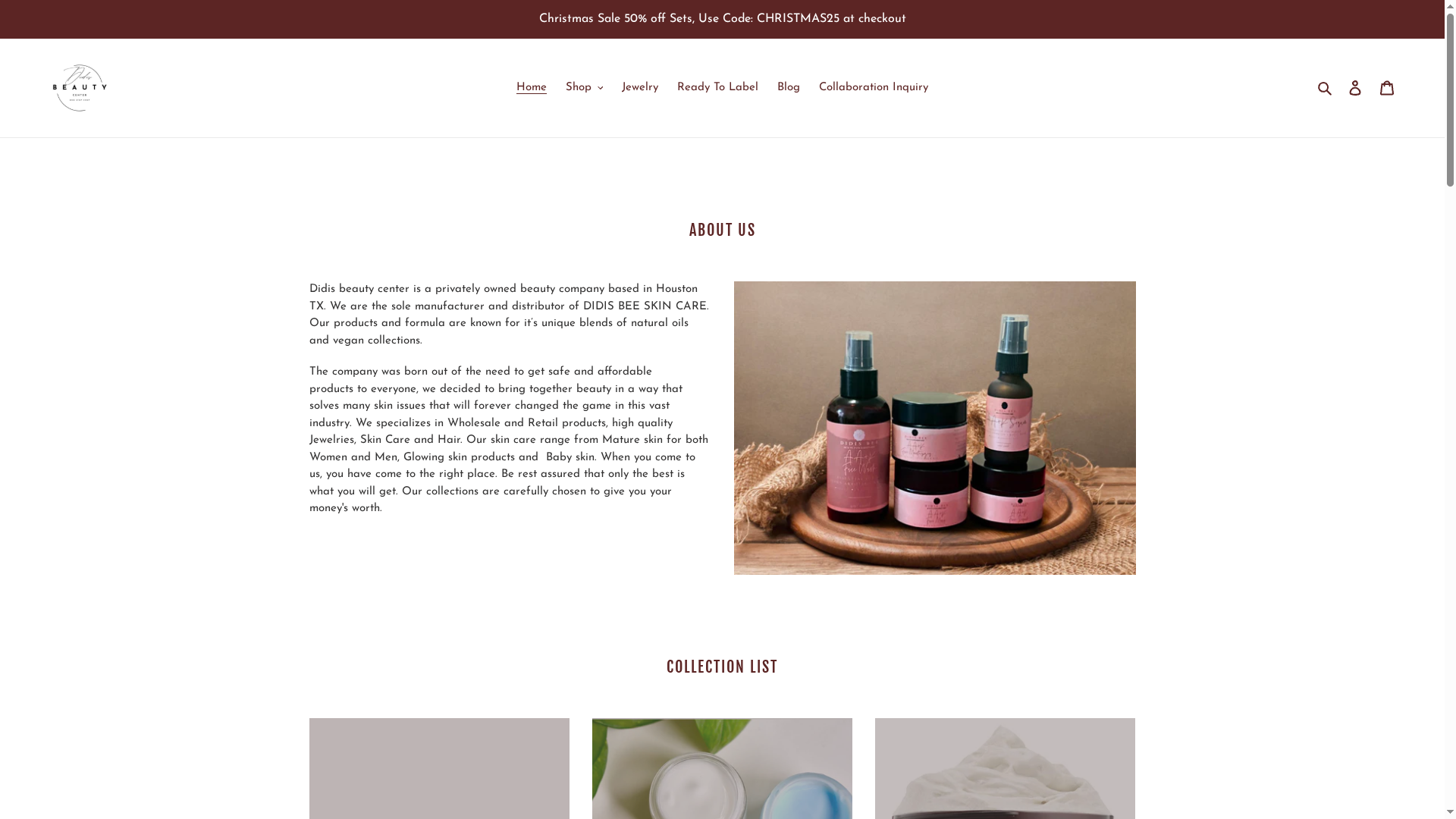
You gain access to expert formulation services that incorporate trending ingredients and proven actives discussed throughout this guide. Scalable production capabilities grow with your business, from initial small batches to larger commercial runs. Current trend alignment ensures your products meet consumer expectations for clean, vegan, and effective skincare. Turnkey solutions include custom branding, product development, and quality control, removing technical barriers that often prevent small business owners from entering the market. Contact Didis Beauty Center through their private label solutions page to transform your skincare brand vision into reality with formulations that deliver results your customers will love.
Frequently asked questions
What are the must-have ingredients for natural skincare?
Ceramides and lipids repair and strengthen your skin barrier, preventing moisture loss and environmental damage. Hyaluronic acid delivers deep hydration by attracting water molecules that plump skin and reduce fine lines. Antioxidants like vitamin C and tocopherol neutralize free radicals while brightening skin tone and supporting collagen production. These core ingredients promote skin health, anti-aging benefits, and optimal moisture retention in natural formulations.
How effective are vegan skincare products compared to synthetic ones?
Vegan products typically offer gentler formulations with high tolerance across sensitive skin types, though some purely natural options may have lower potency or shorter shelf life than synthetic alternatives. Modern hybrid formulations combine plant-based actives with advanced delivery technology to achieve optimal performance and safety. Clinical studies show that well-formulated vegan products can match or exceed synthetic efficacy when properly stabilized and concentrated.
What skincare products should small beauty brands prioritize in 2025?
Focus on moisturizers, wrinkle treatments, and hybrid formulations featuring plant-based actives with proven delivery systems. Products validated through clinical testing or recognized by consumer awards significantly improve brand credibility and customer trust. Sustainability credentials and clean labeling attract conscious consumers who increasingly research ingredients and environmental impact before purchasing. These categories align with market growth trends and consumer preferences driving the natural skincare sector.
How long does it take to see results from natural skincare products?
Most natural skincare products require 4-6 weeks of consistent use to show visible results, matching your skin’s natural cell turnover cycle. Hydrating products may deliver immediate comfort, while anti-aging and barrier repair formulations need longer to demonstrate measurable improvement. Clinical-grade natural products with higher active concentrations can produce faster results, sometimes within 2-3 weeks for specific concerns like texture or brightness.
Can natural skincare products work for acne-prone skin?
Natural formulations with niacinamide, salicylic acid from willow bark, and tea tree oil effectively address acne while maintaining gentle profiles suitable for sensitive skin. These ingredients regulate oil production, reduce inflammation, and prevent bacterial growth without the harsh drying effects of some synthetic treatments. Choose non-comedogenic natural oils and avoid heavy plant butters that may clog pores in acne-prone skin types.
Discourse (0)