


TL;DR:
- Choosing fragrance-free, barrier-supporting formulations is essential for sensitive skin, focusing on minimal ingredients and patch testing to prevent reactions. Dermatologists recommend ingredients like ceramides, niacinamide, and hyaluronic acid, while avoiding fragrances, alcohol, dyes, and harsh exfoliants to reduce irritation risks. A simple routine of gentle cleansing, moisturizing, and mineral sun protection, combined with slow product introduction and professional testing when needed, helps maintain healthy sensitive skin.
Selecting skincare for sensitive skin means choosing fragrance-free, barrier-supporting formulations that your skin can tolerate without triggering redness, burning, or breakouts. The American Academy of Dermatology defines sensitive skin by its tendency to react negatively to cosmetic products, producing itch, redness, and stinging that healthy skin handles without issue. Brands like La Roche-Posay and CeraVe have built entire product lines around this reality, using clinically tested ingredients such as ceramides, niacinamide, and hyaluronic acid. The core principle behind every good sensitive skin routine is the same: fewer ingredients, slower introductions, and a clear understanding of what your skin barrier actually needs.
How to select skincare for sensitive skin: ingredients and labels that matter
The first step in choosing gentle skincare is learning to read a product label the way a dermatologist would. Two categories of information matter most: what the product contains and what claims it makes on the front of the packaging.
Ingredients to seek out
Three ingredients have the strongest evidence for sensitive skin support. Niacinamide reduces water loss and inflammation, making it a foundational choice for conditions like rosacea and atopic dermatitis. Ceramides rebuild the lipid barrier that keeps irritants out and moisture in. Hyaluronic acid draws water into the skin without adding any chemical load that could trigger a reaction. Products from CeraVe and La Roche-Posay consistently combine all three in their core moisturizers, which is why dermatologists recommend them by name.
Ingredients to avoid for sensitive skin
The AAD advises avoiding fragrance in all products during sensitive skin flares, and the guidance holds even when skin is calm. Alcohol (specifically denatured alcohol or SD alcohol) strips the skin barrier and accelerates water loss. Artificial dyes serve no functional purpose and add unnecessary chemical exposure. Harsh exfoliants like high-concentration glycolic acid or physical scrubs with jagged particles cause micro-tears that worsen sensitivity over time. Avoiding alcohol and dyes is one of the simplest ways to reduce daily irritation without changing your entire routine.
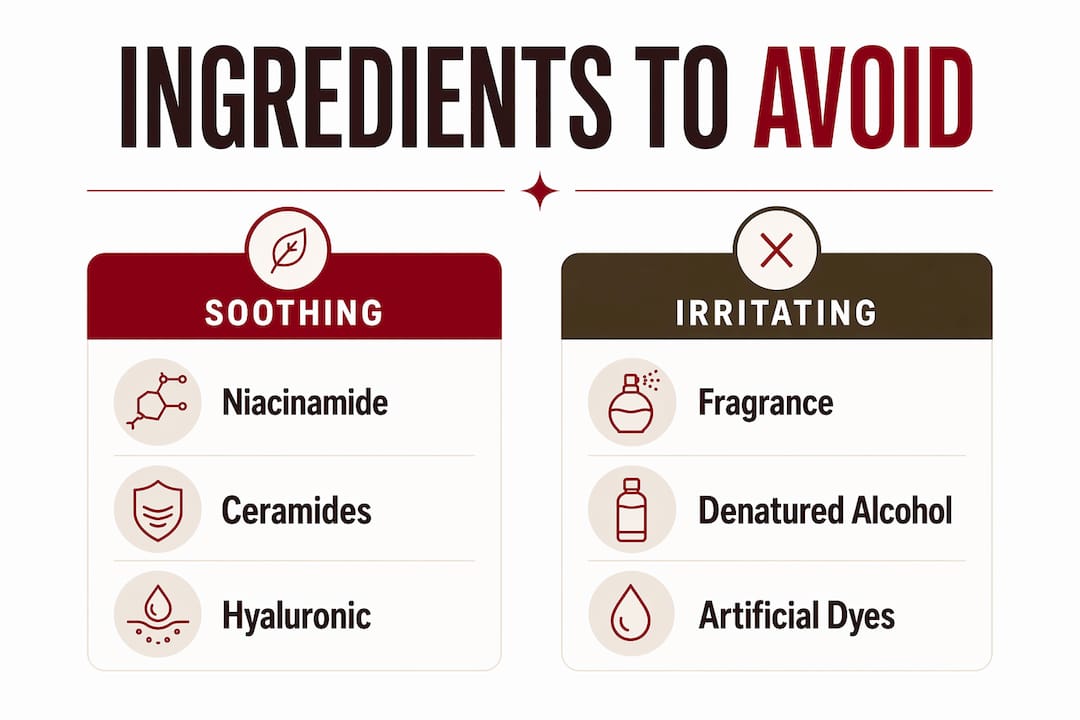
| Soothing ingredients | Irritating ingredients |
|---|---|
| Niacinamide | Fragrance (parfum) |
| Ceramides | Denatured alcohol (SD alcohol) |
| Hyaluronic acid | Artificial dyes |
| Colloidal oatmeal | High-concentration AHAs |
| Aloe vera | Sodium lauryl sulfate (SLS) |
Decoding product label claims
Labels that say “fragrance-free” are meaningfully different from “unscented.” Unscented products can still contain masking fragrances that neutralize odor without eliminating the chemical. “Dermatologist tested” means at least one dermatologist reviewed the formula, though it does not guarantee universal tolerance. “Hypoallergenic” has no regulated definition in the United States, so treat it as a starting point rather than a guarantee. The most reliable signal is a short ingredient list with recognizable, well-studied compounds.
Pro Tip: When comparing two moisturizers, count the total ingredients. The shorter list almost always carries lower irritation risk for sensitive skin, all else being equal.
How to safely introduce new skincare products
Introducing products one at a time is the single most effective strategy for identifying what your skin tolerates. The AAD recommends introducing one new product at a time and waiting one to two weeks before adding anything else. This window gives your skin enough time to show a delayed reaction, which can take days to appear.
Follow this sequence when trialing any new product:
- Patch test first. Apply a small amount of the product to the inside of your wrist or behind your ear. Wait 24 to 48 hours and check for redness, swelling, or itching before applying it to your face.
- Introduce to a small facial area. If the patch test is clear, apply the product to one area of your face, such as your jaw or cheek, for three to five days before using it across your whole face.
- Use the product alone. Do not introduce a second new product during the same testing window. Changing one product at a time preserves your ability to attribute any reaction accurately.
- Track your reactions. Keep a simple log noting the product name, date introduced, and any skin changes. This record becomes invaluable when you consult a dermatologist.
- Wait the full two weeks. Reactions to ingredients like preservatives and certain emulsifiers can appear after repeated exposure, not just the first application.
Environmental triggers complicate this process. Sudden weather changes, travel to new climates, and seasonal shifts can all cause flares that look like product reactions. The Cleveland Clinic notes that behavioral tracking of triggers is as important as ingredient selection because many flares come from exposure combinations rather than a single offending ingredient.
Pro Tip: When traveling, bring only your established, tested products. New hotel toiletries are one of the most common causes of unexpected sensitive skin flares because they often contain fragrance and preservatives your skin has never encountered.
What does a simple sensitive skin care routine look like?
Dermatologists are consistent on one point: more products do not produce better results for sensitive skin. A three-step routine covering cleansing, moisturizing, and sun protection covers every functional need without creating ingredient overload. You can explore natural skincare routines that follow this same minimalist logic with plant-based formulations.
| Step | Product type | What to look for |
|---|---|---|
| 1. Cleanse | Gentle, non-foaming cleanser | Fragrance-free, sulfate-free, pH-balanced |
| 2. Moisturize | Fragrance-free moisturizer | Ceramides, niacinamide, hyaluronic acid |
| 3. Protect | Mineral sunscreen SPF 30+ | Zinc oxide or titanium dioxide base |
Choosing the right cleanser
A gentle cleanser removes dirt and excess oil without stripping the skin’s natural moisture barrier. Non-foaming or low-foam formulas are preferable because high-foam cleansers typically rely on sulfates that disrupt the lipid layer. Use lukewarm water rather than hot, since heat dilates capillaries and worsens redness in reactive skin. CeraVe Hydrating Cleanser and La Roche-Posay Toleriane Hydrating Gentle Cleanser are two widely recommended options that meet these criteria.
Selecting a sensitive skin moisturizer
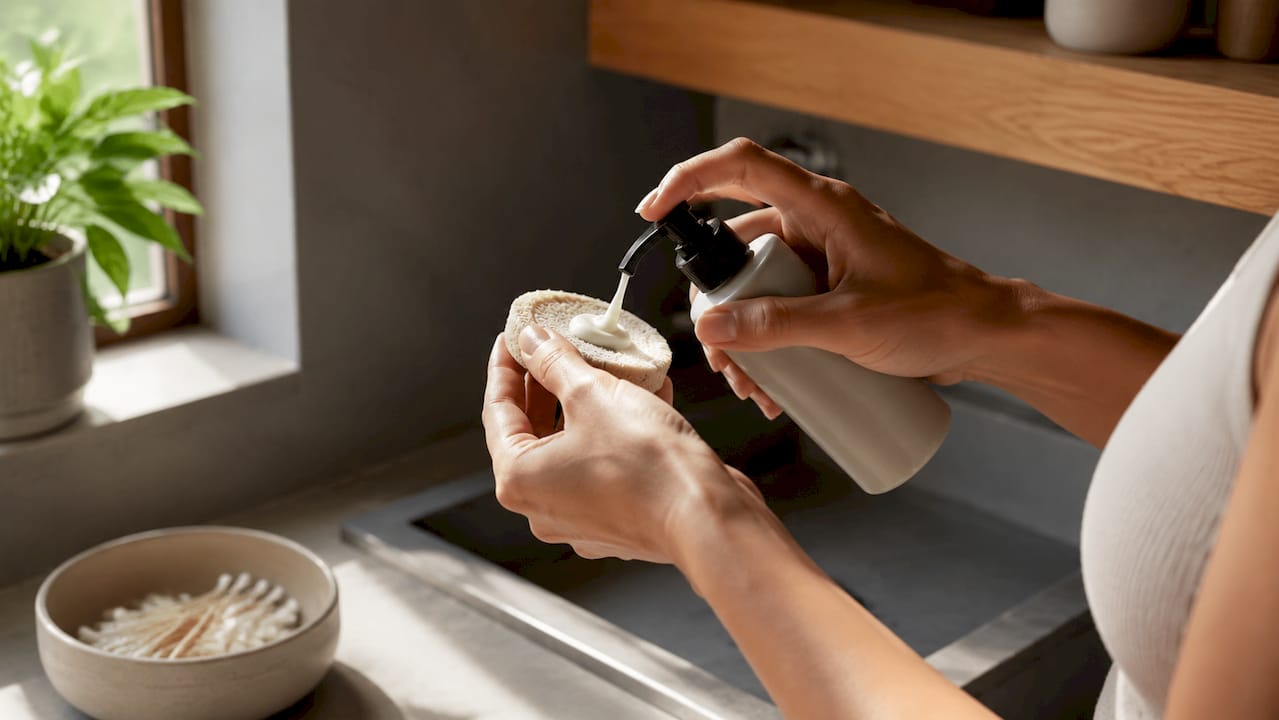
A good sensitive skin moisturizer does three things: it seals in water (occlusive), draws moisture into the skin (humectant), and repairs the barrier (emollient). Ingredients like ceramides and niacinamide address all three functions. Apply moisturizer while your skin is still slightly damp after cleansing to maximize absorption. For those building an affordable skincare routine, drugstore options with these ingredients perform as well as premium alternatives in clinical comparisons.
Why mineral sunscreen is non-negotiable
Mineral-based sunscreens using zinc oxide or titanium dioxide sit on top of the skin and physically deflect UV rays rather than absorbing them chemically. Chemical sunscreens, by contrast, convert UV into heat, which can trigger flushing and irritation in sensitive skin. SPF 30 is the minimum daily threshold recommended by dermatologists, even on overcast days. The Didisbeautycenter sunscreen lotion uses a mineral base suited for reactive skin types.
Pro Tip: Apply your mineral sunscreen as the final step in your morning routine, after moisturizer. Layering it under moisturizer reduces its UV-blocking effectiveness.
When should you see a dermatologist about sensitive skin?
Persistent redness, burning that does not resolve within a week, or reactions that spread beyond the application site are all signs that home management is not enough. The Cleveland Clinic advises seeking healthcare if symptoms persist beyond one week despite stopping the suspected product.
Dermatologist-directed patch testing is the gold standard for diagnosing contact allergy. It goes well beyond reading labels. The EFISS study on fragrance allergens confirms that patch testing baseline series include fragrance mix I and II as well as balsam of Peru, specific compounds that cause contact dermatitis even in products labeled “natural” or “botanical.” This matters because many consumers assume natural fragrance is safe for sensitive skin. It is not always.
- Persistent redness or flushing that does not clear within 48 hours of stopping a product warrants professional evaluation.
- Burning or stinging on application, even with gentle formulas, can indicate a compromised barrier that needs prescription repair.
- Hives or swelling after product use suggest a true allergic reaction rather than simple irritation, and require allergy testing.
- Recurring flares with no clear product trigger may point to an underlying condition like rosacea, eczema, or contact dermatitis that needs diagnosis.
“Patch testing is superior to label-reading alone in diagnosing true fragrance allergies, identifying specific allergens reliably.” — Extended Fragrance Ingredients Surveillance Study (EFISS)
Key takeaways
Selecting skincare for sensitive skin requires fragrance-free formulations, one-product-at-a-time introductions, and a minimal routine built around cleansing, moisturizing, and mineral sun protection.
| Point | Details |
|---|---|
| Prioritize fragrance-free products | Fragrance is the leading contact allergen in skincare and must be avoided even during calm periods. |
| Use barrier-supporting ingredients | Niacinamide, ceramides, and hyaluronic acid repair and protect sensitive skin without irritation risk. |
| Introduce products one at a time | Wait one to two weeks between new products to accurately identify any skin reaction triggers. |
| Keep your routine minimal | A three-step routine of cleanse, moisturize, and protect covers all sensitive skin needs without overload. |
| Seek professional patch testing | Persistent reactions require dermatologist-directed testing to identify specific allergens beyond label reading. |
What I’ve learned after years of watching sensitive skin routines go wrong
Most people with sensitive skin over-invest in products and under-invest in patience. I see it constantly: someone buys five new items, uses them all in the same week, gets a reaction, and then has no idea which product caused it. The testing protocol is not optional. It is the entire strategy.
The other mistake I see is chasing “clean” or “natural” labels as a proxy for safety. Balsam of Peru is entirely natural and one of the most common fragrance allergens in the baseline patch test series. Essential oils like lavender and tea tree appear in countless “gentle” formulations and regularly cause contact dermatitis. Marketing language and ingredient safety are not the same thing.
Price is also a red herring. The most effective sensitive skin moisturizers in clinical practice are mid-range drugstore products with short, ceramide-forward ingredient lists. Spending more does not reduce your reaction risk. Spending smarter, by reading labels and testing slowly, does.
My practical shortcut: before buying any new product, I check whether the first five ingredients include fragrance, alcohol, or an artificial dye. If any of those appear in the top five, I put it back. The top five ingredients make up the bulk of any formula. What comes after them is present in trace amounts. That single filter eliminates the majority of high-risk products immediately. For those who want a minimalist skincare approach with vegan and eco-conscious options, that same filter applies just as well to natural formulations.
— Gloria
Gentle skincare for sensitive skin from Didisbeautycenter
Didisbeautycenter formulates its skincare line with sensitive skin in mind, using natural, vegan ingredients that skip the fragrance, harsh sulfates, and synthetic dyes that trigger reactions. Every product in the collection is designed to support your skin barrier rather than challenge it.
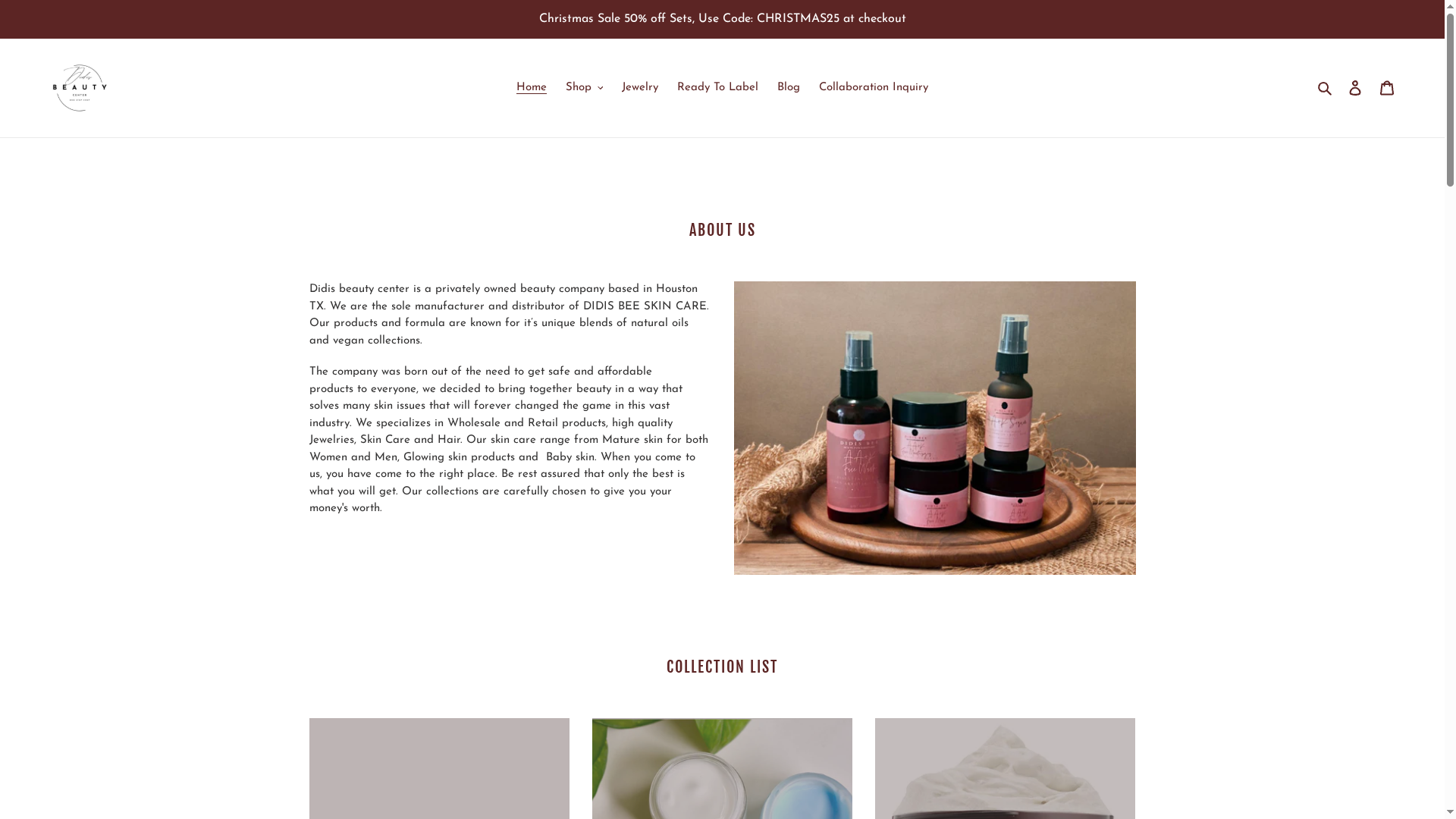
Whether you need a fragrance-free cleanser, a ceramide-rich moisturizer, or a mineral sunscreen that sits comfortably on reactive skin, Didisbeautycenter offers affordable options that meet the criteria dermatologists recommend. Small business owners building their own sensitive skin line can explore the private label skincare solutions to create custom, gentle formulations under their own brand. Visit Didisbeautycenter to find products that work with your skin, not against it.
FAQ
What are the best ingredients for sensitive skin?
Ceramides, niacinamide, and hyaluronic acid are the three most evidence-backed ingredients for sensitive skin. Niacinamide specifically reduces transepidermal water loss and inflammation, making it effective for conditions like rosacea and atopic dermatitis.
What ingredients should I avoid if I have sensitive skin?
Avoid fragrance (listed as “parfum”), denatured alcohol, artificial dyes, and sodium lauryl sulfate. The AAD identifies fragrance as the top contact allergen in skincare, and it should be avoided even when skin appears calm.
How do I patch test a new skincare product?
Apply a small amount of the product to the inside of your wrist or behind your ear and wait 24 to 48 hours. If no redness, swelling, or itching appears, the product is likely safe to introduce to a small area of your face before full use.
How many products does a sensitive skin routine actually need?
Three products cover every functional need: a gentle cleanser, a fragrance-free moisturizer, and a mineral sunscreen with SPF 30 or higher. Dermatologists consistently find that adding more steps increases irritation risk without improving outcomes.
When should I see a dermatologist for sensitive skin?
See a dermatologist if redness, burning, or itching persists for more than one week after stopping a suspected product. Recurring flares with no clear trigger may indicate an underlying condition like eczema or contact dermatitis that requires professional diagnosis and patch testing.
Discourse (0)