


TL;DR:
- Greenwashing in beauty involves misleading claims about environmental friendliness without regulation or verification.
- Recognizing tactics like vague language, false badges, and misleading visuals helps consumers shop smarter.
- Genuine eco-friendly brands prioritize transparency, verified certifications, and transparent ingredient lists.
The beauty aisle looks greener than ever. Shelves are full of products wrapped in earthy tones, decorated with leaves, and labeled with words like “pure,” “natural,” and “clean.” But here is the uncomfortable truth: most of those claims are not regulated, not verified, and sometimes not even close to accurate. A growing number of brands use eco-friendly language as a marketing shortcut, not a genuine commitment. If you have ever bought a product because it looked sustainable, only to wonder whether it actually was, you are not alone. This guide breaks down exactly what greenwashing is, how brands pull it off, and what you can do to shop smarter.
Table of Contents
- Understanding greenwashing in beauty
- Common greenwashing tactics in beauty products
- How to identify genuinely eco-friendly beauty brands
- The impact of greenwashing on consumer trust and industry standards
- Why true beauty goes beyond green claims
- Discover genuinely eco-friendly beauty bundles
- Frequently asked questions
Key Takeaways
| Point | Details |
|---|---|
| Spot deceptive marketing | Greenwashing tricks often use vague eco claims or fake certifications that confuse consumers. |
| Demand real transparency | Genuine eco-friendly beauty brands openly share ingredients, certifications, and sustainability efforts. |
| Choose trusted brands | Selecting products with reputable third-party certifications reduces your risk of greenwashing. |
| Push for better standards | Your buying power encourages brands and regulators to elevate industry ethics and authenticity. |
Understanding greenwashing in beauty
Greenwashing is not a new concept, but it has become more sophisticated in beauty. At its core, greenwashing in beauty is the practice of misleading consumers by making a product or brand appear more environmentally friendly, natural, or sustainable than it actually is through deceptive marketing tactics.
It sounds simple enough, but the ways brands execute it are surprisingly subtle. Some use vague buzzwords on packaging. Others invest in beautiful nature-inspired visuals while the formula inside remains loaded with synthetic chemicals. A few go as far as creating fake-looking certification badges that carry zero authority.
Why does this happen so often in beauty specifically? Because the industry is largely self-regulated. Words like “natural” and “eco-friendly” have no universal legal definition in most markets. That means any brand can slap those terms on a label without consequence. Consumers who are building an eco-conscious beauty routine deserve better than that.
“Greenwashing in beauty is the practice of misleading consumers by making a product or brand appear more environmentally friendly, natural, or sustainable than it actually is through deceptive marketing tactics.”
The impact is real. When you spend money on a product because you believe it aligns with your values, and it turns out those claims were hollow, that is a betrayal of trust. It also makes it genuinely harder to support brands that are doing the right thing. Real sustainability gets diluted when everyone claims it.
Here are the most common ways greenwashing damages the consumer experience:
- You pay a premium for products that do not deliver on their eco promises
- Authentic sustainable brands struggle to stand out against louder, less honest competitors
- Your purchasing decisions do not create the environmental impact you intended
- Confusion grows around what “natural” or “vegan” actually means
- Trust in all eco claims drops, even legitimate ones
If you want a solid foundation for why this matters beyond marketing, our eco-friendly skincare guide breaks down what real sustainability looks like in skincare formulation and brand practice.
Common greenwashing tactics in beauty products
Knowing the definition is one thing. Recognizing the tactics in real time is what actually protects you as a shopper. Brands that greenwash tend to rely on a predictable playbook, and once you know it, you cannot unsee it.
Here is how the typical greenwashing approach unfolds, step by step:
- Use vague language. Words like “natural,” “clean,” “green,” and “pure” sound meaningful but have no regulated definition in beauty.
- Lean on visual cues. Green packaging, leaf imagery, and earthy fonts create a psychological association with nature, regardless of what is inside.
- Deploy fake or unofficial badges. A logo that looks like a certification seal may mean absolutely nothing without third-party verification.
- Highlight one good ingredient. Featuring a single plant extract in the name or description while burying a long list of synthetic fillers.
- Point to the packaging, not the product. A recyclable bottle does not make a harmful formula sustainable.
The packaging trick is especially worth watching. A brand might proudly advertise biodegradable outer packaging, which sounds great, but if the formula inside contains microplastics or harmful preservatives, the overall environmental footprint is not actually reduced. For a clearer understanding of what sustainable beauty really requires across both formula and packaging, the picture becomes much more demanding.
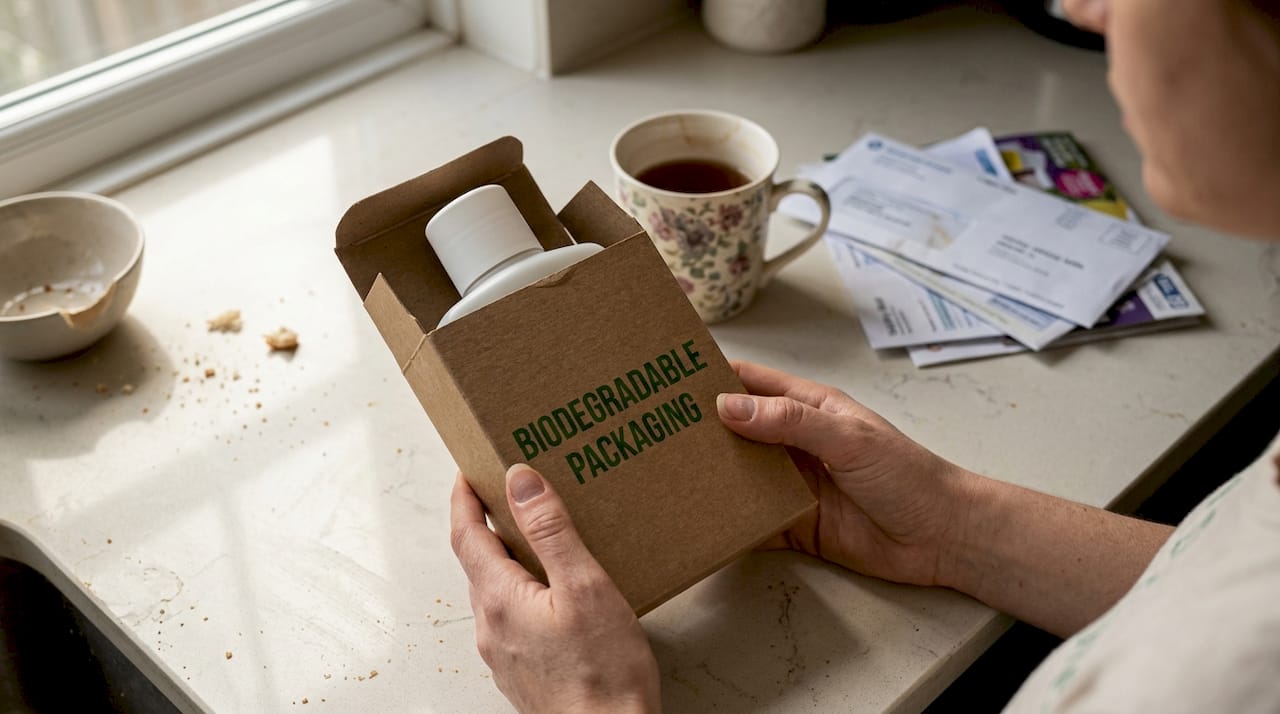
Here is a quick comparison to make spotting the difference easier:
| Feature | Greenwashed product | Genuinely eco-friendly product |
|---|---|---|
| Label language | Vague: “natural,” “pure” | Specific: certified organic, vegan |
| Certifications | Unofficial badges | USDA Organic, Leaping Bunny |
| Ingredient list | Long, hard to read | Short, recognizable, transparent |
| Packaging | May be recyclable | Minimal, recycled, or refillable |
| Brand transparency | Limited sustainability info | Published reports and sourcing details |
According to examples of greenwashing in the beauty sector, even large, well-known brands have been caught using misleading claims. No brand is automatically trustworthy just because it is popular.
Pro Tip: Before buying any product marketed as “natural” or “eco-friendly,” open the full ingredient list. If you see ingredients you cannot pronounce alongside one or two plant extracts, the product is probably not as green as its label suggests.
How to identify genuinely eco-friendly beauty brands
Once you know the tricks, you can flip the script and focus on the signals that actually mean something. Authentic brands are not hard to spot once you know what to look for.
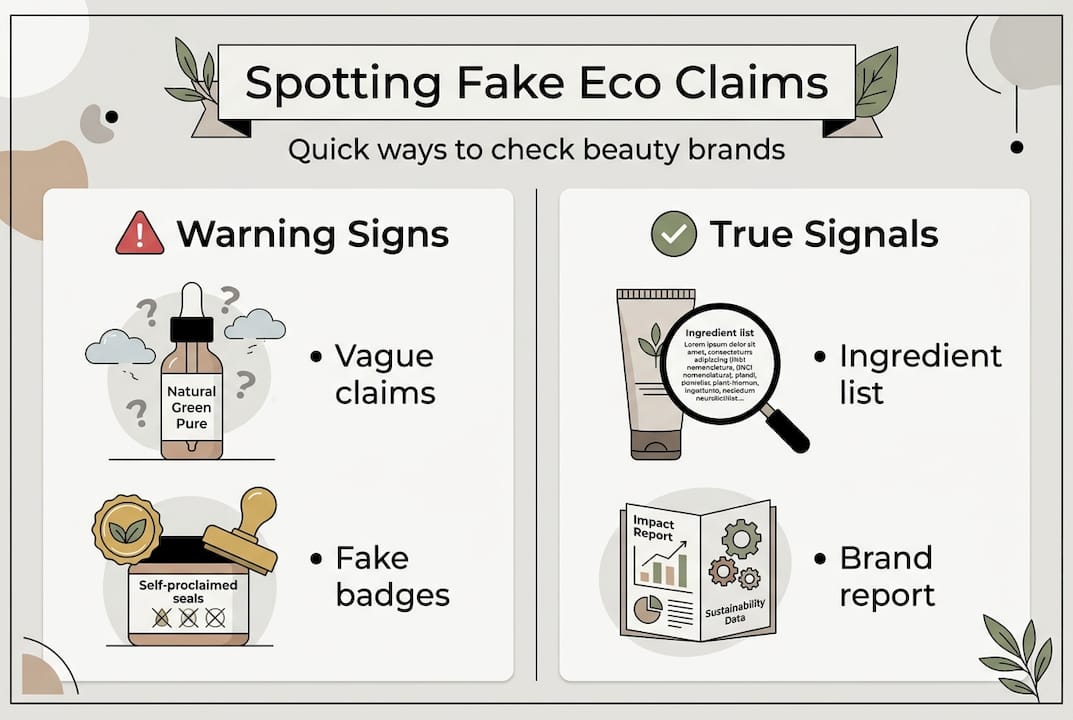
Start with the ingredient list. A truly natural or vegan formula will have a short, readable list of recognizable ingredients. Real botanical names, plant-derived actives, and minimal synthetic additives are good signs. Brands that are proud of what they put in their products show it plainly.
Next, check for reputable certifications. Not all certification logos are equal, but some carry real weight:
- USDA Organic: Requires at least 95% organically produced ingredients
- Leaping Bunny: Guarantees no animal testing at any stage of production
- COSMOS Organic: European standard with strict ingredient and production requirements
- EWG Verified: Screened against the Environmental Working Group’s safety standards
- Vegan Society: Confirms no animal-derived ingredients or by-products
Only 23% of natural claims across beauty products are backed by third-party verification. That means more than three quarters of what you see on labels is essentially unconfirmed. That statistic should change how you approach every “natural” label you encounter.
Research the brand itself, not just the product. Does it publish sourcing information? Does it have a sustainability report? Does it explain its manufacturing process? Brands committed to defining sustainable beauty in practice put that information front and center because it is a point of pride, not a liability.
Pro Tip: Use independent review platforms and ingredient checkers like INCI Decoder or Think Dirty to cross-reference claims before purchasing. These tools give you an unbiased look at what a product actually contains, regardless of how its label reads. Our eco-friendly skincare guide also walks through practical ways to evaluate products step by step.
The impact of greenwashing on consumer trust and industry standards
Greenwashing does not just cost you money. It reshapes the entire landscape of how consumers relate to the beauty industry. When trust erodes, everyone loses, including the brands that are genuinely doing the work.
Studies consistently show that consumers who feel deceived by eco claims become broadly skeptical. They do not just distrust one brand. They start doubting all green claims, which punishes honest brands for the behavior of dishonest ones. This creates a race to the bottom where clever marketing wins over real action.
Regulators are starting to respond. The U.S. Federal Trade Commission’s Green Guides and similar frameworks in the European Union are placing increasing pressure on brands to substantiate their environmental claims. In 2026, regulatory scrutiny is higher than it has ever been, and more brands are facing legal challenges over misleading eco-language. That is a step in the right direction, but enforcement is still inconsistent.
Here is a snapshot of how greenwashing affects different parts of the beauty ecosystem:
| Stakeholder | Effect of greenwashing |
|---|---|
| Consumers | Eroded trust, wasted spending, confusion |
| Authentic eco brands | Harder to differentiate, reduced market share |
| Regulators | Increased workload, pressure to legislate |
| Environment | No real impact reduction despite green claims |
Brands that build impactful natural branding around real sustainability commitments are increasingly setting the benchmark others are measured against. Transparency is becoming a competitive advantage, not just an ethical stance.
“Greenwashing erodes consumer confidence and sets back genuine progress in sustainable beauty. The brands that will lead are those who make proof, not promises, their marketing strategy.”
Consumers who demand proof and share their findings publicly are accelerating industry standards across the board. Your voice and purchasing decisions carry real weight in shaping what brands feel pressure to deliver.
Why true beauty goes beyond green claims
Here is something the standard greenwashing conversation often misses: many brands that start with good intentions still end up greenwashing, not always out of malice, but because image becomes easier to manage than actual change. Sustainability is genuinely hard. It requires supply chain overhauls, ingredient reformulations, and honest communication when you fall short. Marketing a “green vibe” is much simpler.
We believe that real beauty is built on transparency and accountability, not just aesthetics. Consumers have more power than the industry gives them credit for. When you ask questions, demand sourcing details, and choose brands that publish their practices openly, you raise the floor for everyone. Explore sustainable beauty insights to understand what brands that take this seriously actually look like in practice.
Pro Tip: Join online communities of eco-beauty enthusiasts. Collective knowledge about brands, ingredients, and certifications spreads faster than any individual could track alone, and authentic reviews are one of the most powerful tools you have.
Discover genuinely eco-friendly beauty bundles
Now that you know what to look for, the next step is finding products that actually hold up to scrutiny. At Didis Beauty Center, our formulations are built around transparency, vegan ingredients, and honest claims you can verify.
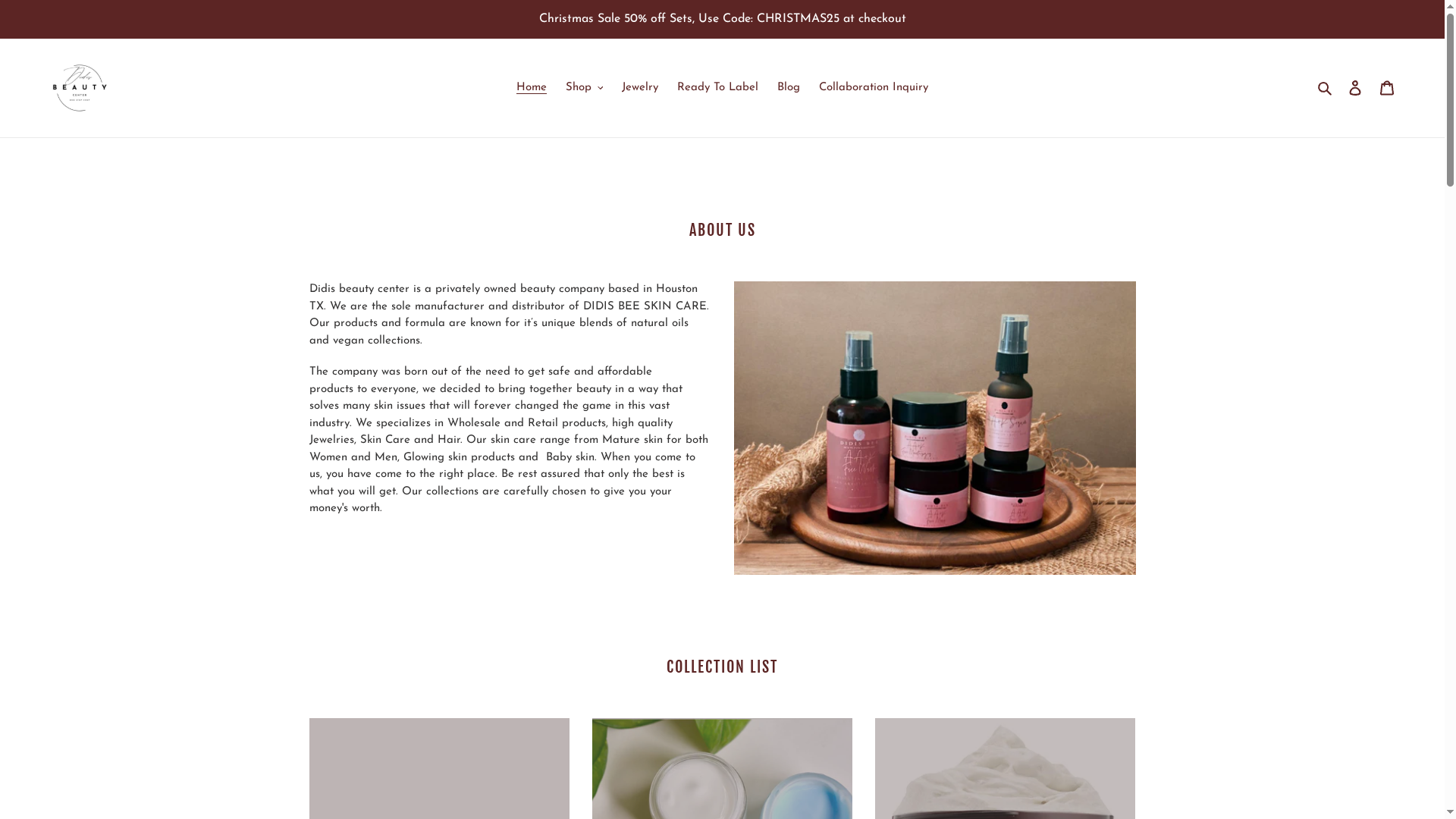
Our Daily Essential Bundle brings together a curated selection of clean skincare staples, while the Detox Nightwear Face Cream delivers targeted overnight support with clearly listed, purposeful ingredients. For a complete routine you can trust from first cleanse to final step, the Daily Routine Bundle offers genuine value without the greenwashing. Every product tells you exactly what is in it and why.
Frequently asked questions
What is greenwashing in beauty?
Greenwashing is when beauty brands use deceptive marketing to appear eco-friendly or natural without actually meeting those standards. It involves vague language, misleading visuals, and unverified claims designed to influence purchasing decisions.
How can I spot greenwashed beauty products?
Check for vague eco claims, unofficial certification badges, and always review the full ingredient list and brand transparency. If a brand cannot back up its claims with sourcing data or verified certifications, treat those claims with skepticism.
Are eco-friendly certifications reliable for beauty products?
Reputable certifications like USDA Organic and Leaping Bunny carry real authority, but some brands use unofficial or visually similar badges that mean nothing. Always verify a certification’s legitimacy through the certifying body’s official website.
Does greenwashing affect consumer trust in the beauty industry?
Yes. Greenwashing erodes trust broadly, pushing consumers to demand greater transparency and authenticity from all brands, not just the ones caught misleading them.
Discourse (0)