


TL;DR:
- Eco-friendly accessories reduce waste and support ethical, cruelty-free beauty practices.
- Natural labels can be misleading; true sustainability depends on sourcing, durability, and end-of-life options.
- Proper care and certification verification are essential for maintaining eco-conscious, effective beauty routines.
Most people assume that slapping the word “natural” on a beauty product automatically makes it sustainable. It does not. The reality is more layered, and for eco-conscious beauty enthusiasts, understanding that difference is the starting point for genuinely responsible routines. The global vegan cosmetics market is set to grow from $11.45 billion in 2024 to $17.88 billion by 2032, and yet greenwashing remains rampant. Eco-friendly accessories, from reusable cotton rounds to plant-based brushes, are quietly reshaping how we approach beauty, one ethical swap at a time. This guide breaks down why they matter, how to choose them wisely, and what most articles forget to tell you.
Table of Contents
- Why eco-friendly accessories matter in beauty routines
- Types of eco-friendly accessories: natural, vegan, and reusable options
- Mythbusting: ‘natural’ vs. sustainable, and hidden lifecycle impacts
- How to choose and care for eco accessories in your routine
- What most guides miss about eco-friendly accessories
- Explore bundles and eco accessories for your beauty routine
- Frequently asked questions
Key Takeaways
| Point | Details |
|---|---|
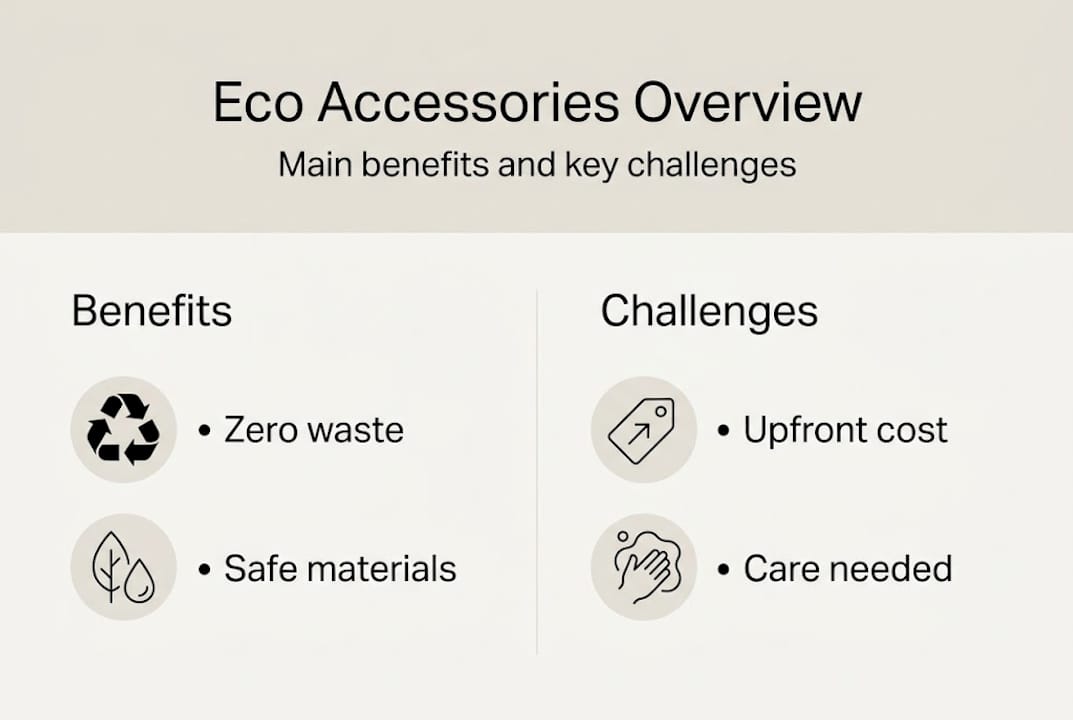
| Eco-accessories drive zero waste | Switching to eco-friendly accessories reduces daily beauty routine waste and supports ethical self-expression. |
| Natural doesn’t always mean sustainable | Some ‘natural’ options may use more resources than durable synthetics, so materials should be carefully evaluated. |
| Hygiene and care are crucial | Proper care and sanitation are essential for maximizing benefits and safety with reusable accessories. |
| Long-term savings beat upfront costs | Eco-friendly accessories offer financial advantages over time compared to disposables, despite initial investment. |
Why eco-friendly accessories matter in beauty routines
Eco-friendly accessories are not just a trend. They are a structural shift in how beauty routines are built. When you replace single-use items with thoughtfully sourced reusables, you are doing more than cutting waste. You are participating in a larger movement that ties personal care to planetary care.
The eco-friendly accessory benefits go far beyond environmental impact. These products often contain no animal-derived materials, meaning they align with cruelty-free values without compromise. For many shoppers, that ethical alignment is non-negotiable. Research shows that 73.9% of shoppers seek cruelty-free products, though price fairness plays a moderating role in purchase decisions.
There is also a powerful social dimension. Choosing eco-accessories connects you to a community of like-minded consumers who see beauty as an extension of their values. That sense of shared purpose builds brand loyalty and drives real market change.
Here is why eco-accessories are becoming central to zero-waste beauty routines:
- They reduce single-use plastic waste in daily skincare
- They support ethical labor and supply chain practices
- They align with cruelty-free and vegan values from production to application
- They create lasting savings compared to disposable alternatives
- They signal consumer values, which pushes brands toward better practices
The market data confirms this momentum. The reusable personal care market exceeds $9 billion in 2026, and vegan cosmetics are projected to hit $17.88 billion by 2032 at a compound annual growth rate of 5.73%. These are not niche numbers. They represent a mainstream consumer shift.
“Eco-friendly accessories are not just purchases. They are votes for the kind of beauty industry you want to exist.”
When you explore the types of beauty accessories available today, you will find options that match every skin type and routine. From a certified organic certified cotton tote to bamboo-handled brushes, the variety has never been broader or better. The barrier to entry is lower than ever, and the payoff is both personal and collective.
Types of eco-friendly accessories: natural, vegan, and reusable options
Not all eco-friendly accessories are built the same. Understanding their categories helps you make smarter choices that match your skin’s needs and your sustainability goals.
The main categories include:
- Reusable cotton or bamboo rounds: Replacing single-use pads for toning and cleansing
- Plant-based makeup brushes: Synthetic fibers made from recycled or plant-derived materials
- Biodegradable applicators: Tools designed to decompose without leaving microplastic residue
- Reusable silicone tools: Cleansing pads and massagers that last for years
- Eco-friendly packaging accessories: Refillable containers and compostable bags
When it comes to materials, the choice is not always obvious. Here is a quick comparison:
| Accessory type | Material | Sustainability | Hygiene consideration |
|---|---|---|---|
| Reusable cotton round | Organic cotton | High (long-term) | Requires regular washing |
| Bamboo brush handle | Bamboo fiber | High (biodegradable) | Moderate, keep dry |
| Recycled synthetic brush | Recycled PET | Medium to high | Easy to sanitize |
| Single-use cotton pad | Virgin cotton | Low | Safe for sensitive skin |
| Silicone cleansing pad | Medical silicone | High (durable) | Easy to sanitize |
A key insight from performance research: reusable pads are hypoallergenic but need consistent washing, while single-use options may actually be safer for very sensitive skin types. That does not mean disposables are the better choice overall. It means hygiene habits matter as much as material choice.

For a deeper look at material ethics and performance, the vegan beauty guide offers a solid foundation. And if you are weighing whether the switch is worth it, reviewing the vegan beauty benefits can help you connect the dots between material choice and skin health.
Pro Tip: When shopping for eco accessories, look for third-party certifications like GOTS (Global Organic Textile Standard) or Leaping Bunny. A brand that cannot point to verified credentials may be leaning on vague language rather than real standards. A good guide to sustainable accessories can help you learn what labels to trust.
The innovation in this space is also accelerating. Plant-based synthetics now outperform natural alternatives in durability and consistency, while carrying a lower overall environmental footprint than many traditionally “natural” materials. The best choice is the one that balances all three: performance, ethics, and longevity.
Mythbusting: ‘natural’ vs. sustainable, and hidden lifecycle impacts
Here is where things get interesting. Most shoppers assume “natural” equals “better for the planet.” That assumption is wrong more often than you might expect.
Natural materials like cotton and bamboo still require land, water, and energy to produce. A single cotton crop can use enormous amounts of water before it ever becomes a reusable pad. Meanwhile, a well-made synthetic brush from recycled PET bottles might carry a significantly lower lifecycle impact. As Outside Online points out, “natural” is not always sustainable, and synthetics can have a lower lifecycle impact when they are durable.
Brands that succeed long-term understand this distinction. Sustainability drives loyalty when brands pair transparent sourcing with real innovation in plant-based synthetics, rather than leaning on “natural” as a marketing shortcut.
Here is a lifecycle snapshot comparing accessory types:
| Product | Water use | Carbon footprint | End-of-life |
|---|---|---|---|
| Organic cotton round (reusable) | High (production) | Low (over lifetime) | Biodegradable |
| Synthetic brush (recycled PET) | Low | Low to medium | Recyclable |
| Single-use cotton pad | High per unit | High (cumulative) | Landfill |
| Bamboo tool | Medium | Low | Biodegradable |
So how do you verify true sustainability beyond a “natural” label? Follow these three steps:
- Ask about sourcing: Where do the raw materials come from, and are they third-party verified?
- Check durability: A product designed to last 3 years beats a “natural” item replaced every month.
- Review end-of-life options: Can the product be composted, recycled, or returned through a take-back program?
“The most sustainable product is often the one already in your drawer, used fully before replacing it.”
This is where ethical skincare thinking becomes practical. It is not about perfection. It is about making choices informed by the full picture, not just front-of-package claims. For broader context on how transparency shapes sustainable markets, sustainable fashion insights offer a useful parallel.
How to choose and care for eco accessories in your routine
Knowing what to buy is only half the equation. The other half is taking care of what you already own. Proper maintenance extends product life, reduces replacement frequency, and keeps your routine genuinely sustainable.
Start with this checklist before buying any new eco accessory:
- Verify certifications: Look for GOTS, Leaping Bunny, or OEKO-TEX labels
- Match material to skin type: Sensitive skin may need softer, hypoallergenic options
- Assess wash-ability: Can the item be sanitized easily at home?
- Check brand transparency: Does the brand disclose sourcing and manufacturing practices?
- Consider longevity: A pricier item that lasts five years beats a cheaper one replaced annually
Hygiene is a real concern with reusables. Reusables risk contamination if not sanitized properly, which is why professional spa settings often prefer disposables for client safety. At home, that risk is manageable with a consistent care routine.
Here are the basics for keeping your eco accessories clean and effective:
- Wash reusable pads after every use with a gentle, fragrance-free soap
- Store silicone tools in a dry, well-ventilated space to prevent mold
- Deep-clean brushes weekly with a diluted gentle cleanser
- Replace items showing visible wear, even if they seem “still usable”
Pro Tip: Build washing into your existing laundry routine. Keep a small mesh bag in your bathroom to collect reusable pads throughout the week, then wash them with your regular load. It takes zero extra effort and keeps hygiene consistent.
Community matters here too. Research shows that eco-friendly accessories boost empowerment through ethical self-expression and social bonding. Finding a group, whether online or local, that shares your values makes sustainable habits easier to maintain. Explore the essential beauty accessories that work best for daily routines, and consider the role of advocacy in beauty in shaping both personal habits and industry practices.
What most guides miss about eco-friendly accessories
Most eco-beauty guides focus on the purchase moment. They tell you what to buy and why it is better. What they rarely discuss is the full story before and after that transaction.
Lifecycle thinking is where most consumers and brands fall short. A product with a “natural” label and no certification may actually carry higher environmental costs than a well-engineered synthetic alternative. The front-facing label tells you almost nothing about water use, labor conditions, or end-of-life disposal.
Another overlooked factor: community and advocacy are the real engines of behavioral change, not individual willpower. When people connect over shared values, habits shift faster and stick longer. That insight rarely makes it into a product roundup.
And yes, upfront costs and greenwashing risks are real barriers. Certifications cost brands money, which can mean higher prices for consumers. But the long-term math almost always favors reusables. The key is cutting waste with eco-accessories over time, not chasing perfection on day one. A transparent cosmetic pouch sustainability choice, for example, can anchor an entire travel routine sustainably. Start with one good swap and build from there.
Explore bundles and eco accessories for your beauty routine
If you are ready to move from intention to action, Didis Beauty Center makes it simple to start building a sustainable routine with products you can trust. Every item is selected with natural, vegan formulations and ethical sourcing in mind, so you spend less time decoding labels and more time enjoying your routine.
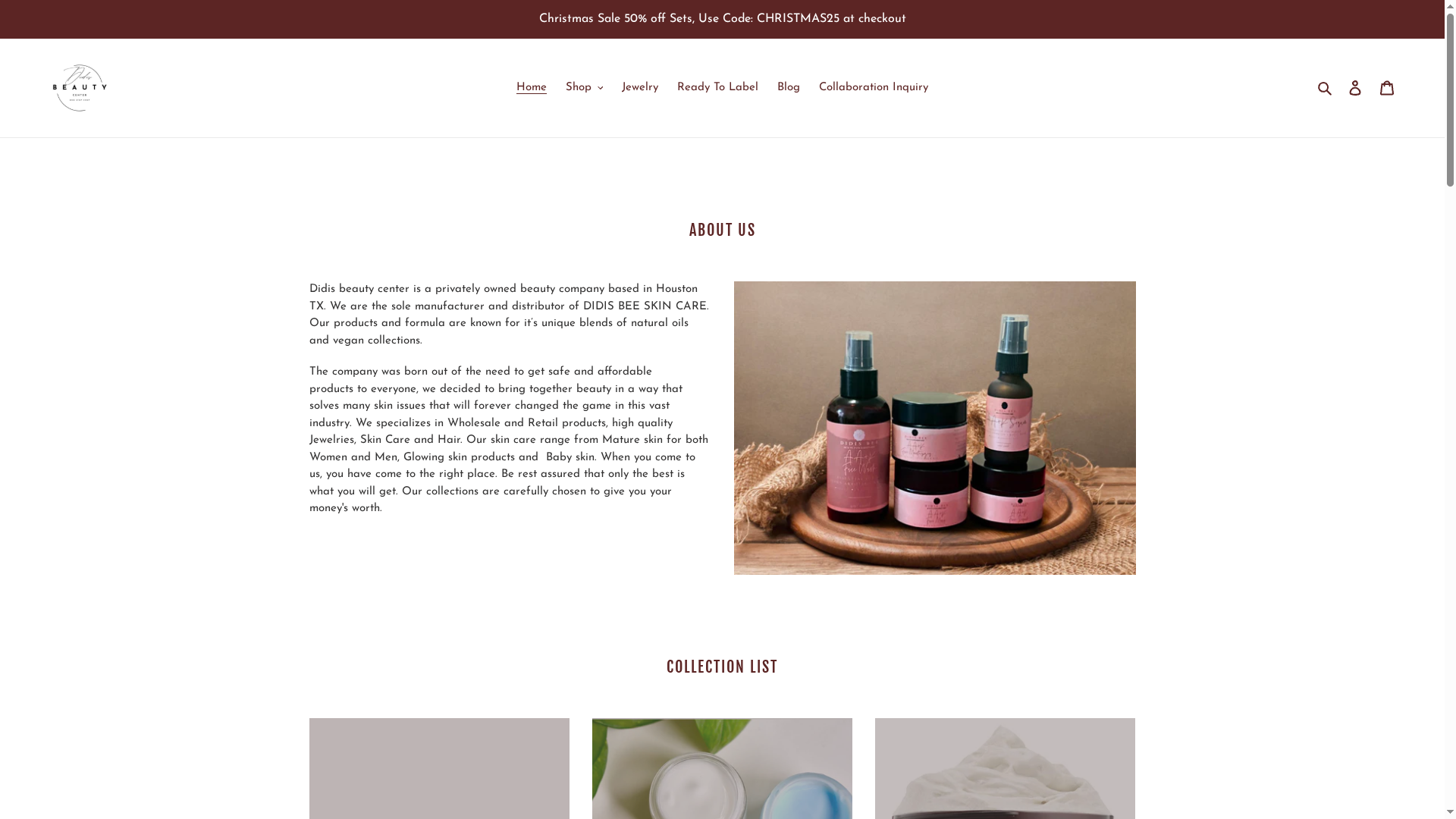
The daily essential bundle is a practical starting point, combining the core products most routines need into one thoughtfully assembled package. For accessories specifically, the accessories collection features curated options that complement both your skincare and your values. Sustainable beauty does not have to be complicated. It just needs a good first step.
Frequently asked questions
What makes an accessory truly eco-friendly?
An accessory qualifies as eco-friendly when it uses low-impact materials, is designed to be reused or recycled, and comes from a brand with transparent sourcing practices. Third-party certifications are the clearest signal that those claims hold up.
Are reusable accessories always safer than disposables?
Reusable accessories can be very safe for sensitive skin when properly sanitized, but single-use options may be preferred in professional spa settings where hygiene between clients is a top priority.
How can I avoid greenwashing when buying eco accessories?
Look for verifiable certifications and specific sourcing disclosures. Brands that rely only on “natural” labeling without third-party backing present real greenwashing risks, especially when certifications are absent.
Do vegan accessories perform as well as traditional products?
Vegan accessories increasingly outperform traditional options in both durability and skin compatibility, driven by strong vegan cosmetics growth at a 5.73% CAGR through 2032. The innovation in plant-based materials has genuinely closed the performance gap.
Discourse (0)