


Finding skincare that is both effective and environmentally responsible can feel like a challenge for eco-conscious consumers and small beauty brand entrepreneurs. The growing interest in natural, vegan solutions and bulk purchasing reflects a shift toward sustainability without sacrificing quality. By understanding sustainable beauty product standards and overcoming common myths about bulk skincare, you open new opportunities for product development that aligns with ethical values and supports long-term business success.
Table of Contents
- Bulk Skincare Defined And Common Myths
- Types Of Bulk Skincare And Key Features
- How Bulk Skincare Supports Sustainable Brands
- Legal, Safety, And Quality Requirements
- Bulk Purchasing Risks And Best Practices
Key Takeaways
| Point | Details |
|---|---|
| Bulk Skincare Provides Customization | Entrepreneurs can purchase concentrated formulations and raw materials in bulk, allowing for tailored branding and product development. |
| Sustainability Benefits | Bulk skincare reduces packaging waste and carbon emissions, aligning with eco-conscious consumer demands. |
| Quality Misconceptions Debunked | Bulk products are often as effective as retail items, with costs reflecting volume rather than quality. |
| Regulatory Considerations | Compliance with global regulations ensures product safety and builds customer trust, making understanding local standards crucial. |
Bulk Skincare Defined and Common Myths
Bulk skincare refers to purchasing concentrated formulations, raw ingredients, or pre-made bases in large quantities designed for small brand creators and retail resellers. Unlike retail products, bulk items come without fancy packaging, allowing you to customize labels and formulations for your own brand vision.
Many entrepreneurs think bulk skincare automatically means lower quality or less effective products. That’s simply not true. Sustainable beauty products can reduce environmental footprints while maintaining skin health and efficacy through evidence-based formulations.
What Bulk Skincare Actually Includes
Didis Beauty Center offers several options for entrepreneurs:
- Pre-made bases: Ready-to-use formulations you label and rebrand
- Concentrated ingredients: Raw materials for custom formulation
- Ready-to-label packs: Complete products needing only packaging and branding
- Natural and vegan options: Plant-based alternatives to synthetic formulas
Each category serves different business models and production capabilities.
Common Myths Debunked
Myth 1: Natural ingredients are always less effective.
Natural formulations can deliver results comparable to synthetic options when properly formulated. Evidence-based research supports natural ingredient efficacy for specific skincare goals.
Myth 2: Bulk products are cheaper but lower quality.
Bulk pricing reflects volume discounts, not reduced quality. Many eco-friendly skincare brands use identical ingredient standards to premium retailers while keeping costs lower through eliminated packaging overhead.
Myth 3: You need chemistry expertise to use bulk ingredients.
Ready-to-label packs eliminate this barrier entirely. Pre-formulated bases handle the science while you focus on branding and marketing.
Myth 4: Sustainable skincare costs significantly more.
This misconception overlooks certifications like USDA Organic and fair trade practices that add transparency, not necessarily expense. Bulk purchasing specifically reduces per-unit costs for eco-conscious formulations.
Understanding what clean beauty standards really mean helps you communicate product value to customers authentically.
Pro tip: Start with ready-to-label packs from Didis Beauty Center to test your market before investing in concentrated ingredients or custom formulation—this reduces risk while you validate your brand concept.
Types of Bulk Skincare and Key Features
Bulk skincare comes in multiple formats, each designed for different business needs and production scales. Understanding the distinctions helps you choose the right starting point for your brand.
Core Product Categories
Bulk skincare products are sold in large volumes intended for resale or long-term use. Common types include:
- Cleansers: Facial washes, makeup removers, and deep-cleansing formulas
- Moisturizers: Creams, lotions, and lightweight hydrating bases
- Serums and essences: Concentrated treatments targeting specific skin concerns
- Toners: Balancing and prep products for skincare routines
- Body butters: Rich nourishing formulas for full-body care
- Specialty treatments: Masks, exfoliants, and targeted solutions
Each category offers opportunities for customization and private labeling.
Format Options for Entrepreneurs
Didis Beauty Center supplies bulk skincare in three primary formats:
- Raw ingredients and concentrates: Standalone components you blend and formulate
- Pre-formulated bases: Ready-to-use foundations requiring only branding and packaging
- Complete ready-to-label products: Finished formulations needing only your labels and packaging design
The format you choose depends on your expertise level and production timeline.
Here’s a quick comparison of bulk skincare formats and their business benefits:
| Format Type | Typical Use Case | Expertise Needed | Business Advantage |
|---|---|---|---|
| Raw Ingredients | Custom formulation | Advanced | Maximum control over product |
| Pre-formulated Bases | Branding & packaging | Moderate | Fast market entry, less risk |
| Ready-to-label Packs | Private labeling | Beginner | No science barrier, quick launch |
This table helps entrepreneurs match their skill level to the right bulk skincare format.
Key Features of Quality Bulk Skincare
Modern bulk formulations prioritize specific benefits that appeal to eco-conscious consumers. Look for:
- Clean formulations: Minimal preservatives and synthetic additives
- Plant-based ingredients: Plant extracts and antioxidants integrated for multifunctional benefits
- Sustainability focus: Reduced packaging waste and refillable container compatibility
- Efficacy-driven design: Peptides, probiotics, and anti-inflammatory compounds for visible results
- Customizable packaging: Options to reflect your brand identity and values
Quality bulk skincare balances affordability with effectiveness, allowing small creators to compete with established brands while maintaining ethical standards.
When evaluating bulk suppliers, high-quality skincare should demonstrate transparency about ingredient sourcing and formulation science.
Pro tip: Request samples before committing to large orders—test the product on your skin and get honest feedback from a small focus group to ensure it aligns with your brand promise and target customer expectations.
How Bulk Skincare Supports Sustainable Brands
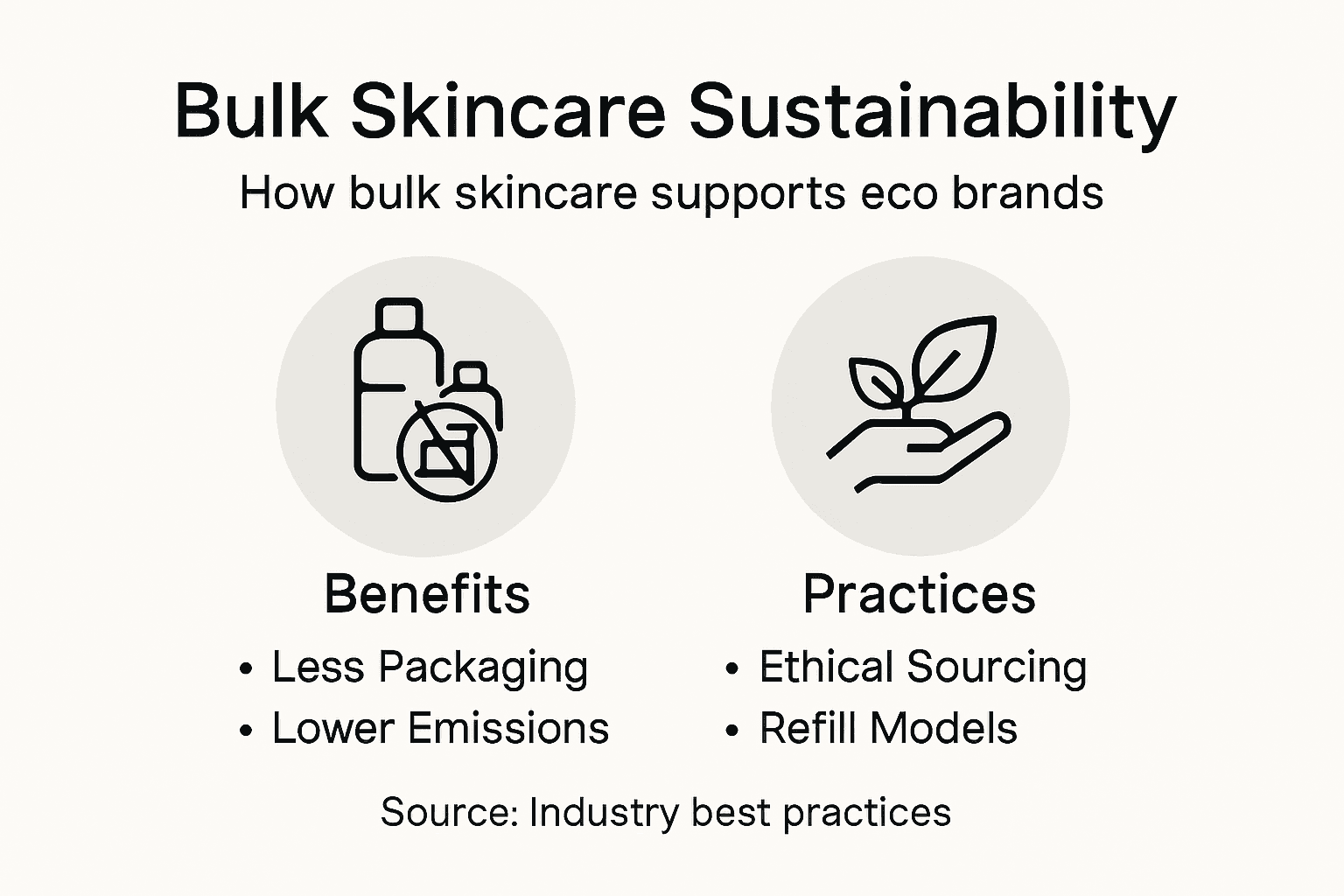
Bulk skincare is a game-changer for entrepreneurs committed to environmental responsibility. It aligns perfectly with circular economy principles while reducing your carbon footprint from day one.
Minimizing Packaging Waste
Traditional retail products generate enormous packaging waste. Bulk skincare eliminates this problem by design. Products arrive in large, refillable containers rather than individual units.

This approach directly reduces plastic consumption across your entire operation. When customers purchase refills, they reuse containers instead of discarding them. The result? Significantly less waste reaching landfills.
Reducing Transportation Emissions
Shipping hundreds of small packages creates substantial carbon emissions. Bulk purchasing consolidates volume into fewer, heavier shipments with lower overall impact.
Consider this: ordering one bulk container instead of 50 individual units means fewer trucks on the road. Refillable and large-volume containers minimize transportation carbon footprints while supporting efficient logistics.
Sustainable Sourcing Practices
Modern bulk suppliers increasingly focus on responsible ingredient sourcing. Key sustainable practices include:
- Agricultural waste upcycling: Converting byproducts into cosmetic ingredients
- Fair trade partnerships: Supporting ethical ingredient sourcing
- Transparent supply chains: Knowing exactly where materials originate
- Resource efficiency: Maximizing yield from each harvested crop
These practices reduce environmental impact while supporting farming communities.
Building Refill Models
Bulk skincare enables profitable refill programs that customers actually want. This strategy creates brand loyalty and reduces per-unit costs for customers.
Sustainable sourcing and transparent ingredient practices build trust with eco-conscious consumers who value transparency.
Brands using bulk skincare with refill models reduce plastic waste by up to 80% compared to traditional single-use packaging.
Your customers become part of the sustainability solution rather than passive observers.
Lower Energy Manufacturing
Large-batch formulation requires less per-unit energy than producing countless small quantities. Consolidated production schedules mean fewer setup cycles and optimized facility usage.
This efficiency translates to real environmental savings without compromising product quality.
The following table summarizes key sustainability benefits of using bulk skincare:
| Sustainability Factor | Bulk Skincare Approach | Environmental Impact |
|---|---|---|
| Packaging Waste | Refillable containers, fewer units | Reduces landfill contributions |
| Transportation | Consolidated shipments, fewer trucks | Lowers carbon emissions |
| Ingredient Sourcing | Fair trade, upcycled materials | Supports farming communities |
| Energy Use | Large-batch production | Lower per-unit energy consumption |
This summary highlights the top reasons why bulk skincare aligns with eco-conscious branding.
Pro tip: Launch with a transparent “sustainability scorecard” showing customers exactly how much packaging waste they’ve prevented through refills—this transparency builds brand loyalty and justifies premium pricing.
Legal, Safety, and Quality Requirements
Starting a bulk skincare brand means navigating strict regulatory frameworks designed to protect consumers. These requirements vary by location, but understanding them prevents costly mistakes and builds customer trust.
Global Regulatory Standards
Cosmetics regulations globally impose strict requirements for safety, quality, and environmental impact. Major markets enforce different rules that impact your bulk sourcing and product formulation.
The European Union enforces the Cosmetics Regulation (EC) No 1223/2009. The United States follows the Modernization of Cosmetics Regulation Act (MoCRA). Each framework mandates different documentation, testing, and approval processes.
Safety and Ingredient Requirements
Regulatory bodies control which ingredients you can use in skincare products. Safety substantiation and ingredient restrictions protect consumers from harmful substances.
Key requirements include:
- Banned substance lists: Each market prohibits specific ingredients
- Concentration limits: Maximum allowable levels for certain compounds
- Natural ingredient verification: Documentation of botanical sourcing
- Allergen declarations: Clear labeling of known irritants
- Stability testing: Proof products remain safe throughout shelf life
Your bulk supplier should provide documentation confirming compliance with these standards.
Documentation and Labeling
Proper records separate compliant brands from those facing regulatory action. Every bulk purchase requires clear documentation proving ingredient safety and origin.
Product Information Files (PIFs) compile all safety data in one location. These files prove you’ve conducted due diligence on every ingredient.
Labeling must include accurate ingredient lists, usage instructions, and required warnings. Vague or misleading claims invite regulatory scrutiny.
Manufacturing Standards
Good manufacturing practices ensure consistent quality across every batch. Your bulk supplier should operate under certified standards.
Verify suppliers maintain proper:
- Storage conditions for raw materials
- Sanitation protocols throughout production
- Temperature control during formulation
- Quality assurance testing on finished products
- Adverse event reporting systems
Non-compliance costs far more than compliance—fines, recalls, and reputation damage can destroy emerging brands before they launch.
Regional Variations Matter
If you sell internationally, you must comply with each market’s specific rules. Canada, Australia, and Asian markets each have unique requirements.
Start by targeting one primary market first. Master those regulations before expanding globally.
Pro tip: Connect with a cosmetics regulatory consultant for your primary market before placing your first bulk order—investing $500-1,500 upfront saves thousands in corrective action later and accelerates your time to market.
Bulk Purchasing Risks and Best Practices
Bulk purchasing offers significant savings, but missteps can drain cash flow and waste inventory. Understanding risks helps you make confident purchasing decisions that actually grow your brand.
Common Bulk Purchasing Pitfalls
Entrepreneurs often rush into large orders without proper planning. This creates predictable problems that derail otherwise promising brands.
Inventory overstocking happens when you order more than customers actually purchase. Dead stock ties up money that could fund marketing or new product development. Supplier dependency emerges when you rely on a single source—price increases or delays become catastrophic.
Managing Inventory Risk
Effective bulk purchasing strategies involve demand forecasting to match orders with actual market needs. Start small, gather real sales data, then scale.
Begin with these steps:
- Test market demand: Sell through smaller orders first
- Track sales velocity: Monitor how quickly products sell
- Forecast conservatively: Assume lower sales than your optimistic projections
- Adjust order sizes: Scale up only after proven traction
- Maintain cash reserves: Keep 3-6 months operating expenses available
This approach protects your business while building confidence in your decisions.
Supplier Evaluation
Choosing the right bulk supplier prevents quality issues and supply disruptions. Vet suppliers thoroughly before committing to large orders.
Key evaluation criteria:
- Track record: How long have they operated? Ask for references from other brands
- Consistency: Do samples match bulk orders exactly? Request test batches
- Communication: Do they respond promptly to questions?
- Certifications: Do they hold organic, cruelty-free, or safety certifications?
- Payment terms: Can they offer NET 30 or 60 payment options?
A supplier relationship is a partnership—choose partners who value your business and support your brand mission.
Price Volatility Strategies
Raw material costs fluctuate seasonally and based on global supply. Lock in favorable pricing when possible without overcommitting inventory.
Negotiate volume discounts for orders placed quarterly rather than monthly. Build relationships where suppliers alert you to price increases before implementation.
Documentation and Contracts
Get everything in writing. Written agreements prevent misunderstandings about pricing, delivery timelines, quality standards, and payment terms.
Clear contracts protect both you and your supplier when disputes arise.
Pro tip: Order a small test batch from any new supplier before committing to bulk quantities—invest $500-1,000 to validate quality, then scale with confidence once you confirm the product meets your standards.
Unlock Your Sustainable Beauty Brand with Didis Beauty Center
Building a sustainable beauty brand means overcoming challenges like sourcing clean, effective bulk skincare and navigating complex regulatory and inventory risks. If you want to stand out with eco-conscious, natural formulations while keeping costs affordable and production manageable Didis Beauty Center offers exactly what you need. Our Cream Collection - Skincare & Moisturizers for Face & Beard and Oils Collection: Skincare Oils for Face & Body provide high-quality, natural ingredients ready for private labeling or personal use.
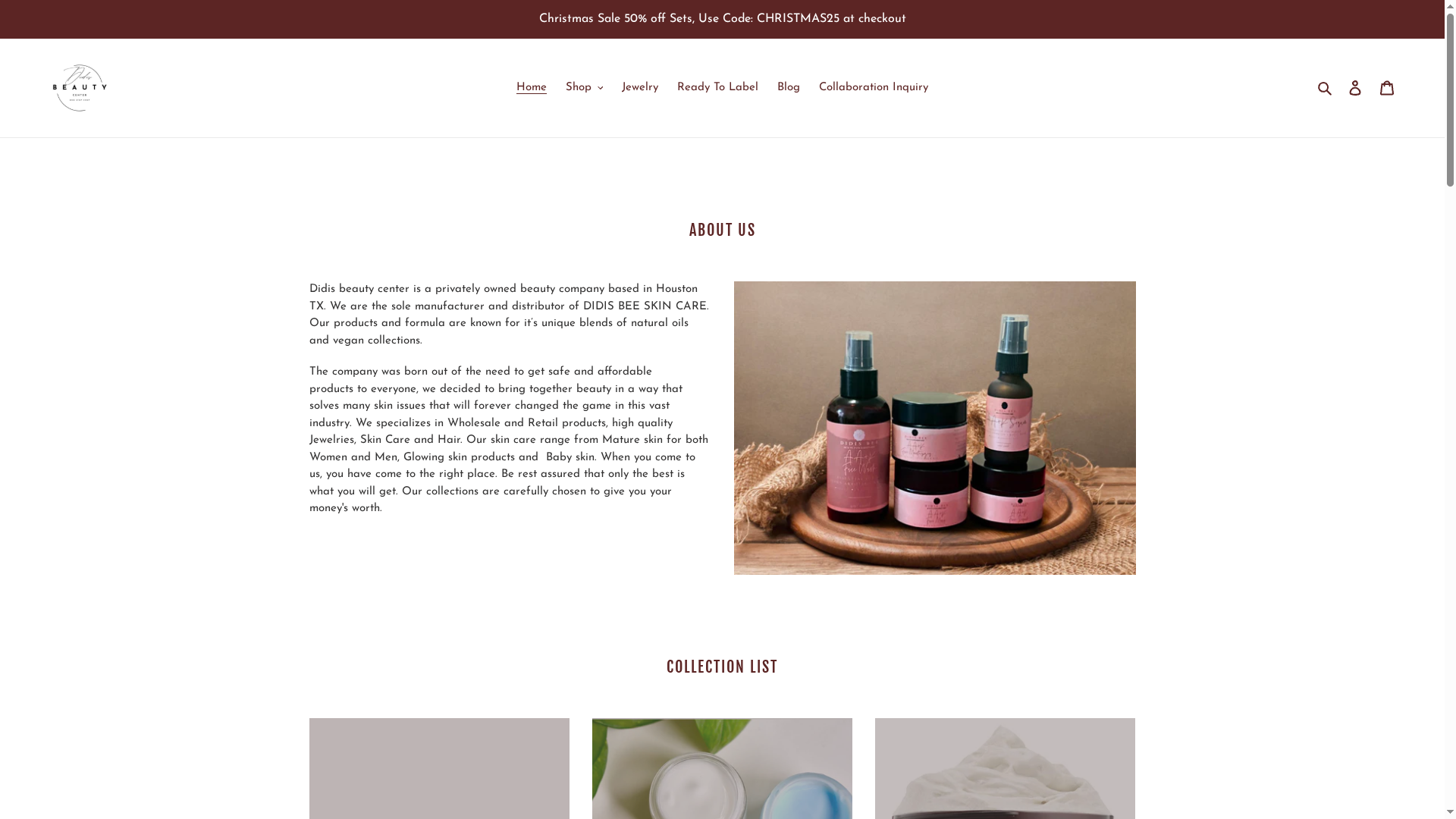
Take advantage of our expert-curated ready-to-label packs and bulk options that remove the need for advanced formulation knowledge. By choosing Didis Beauty Center you reduce packaging waste and energy consumption while delivering proven, clean skincare solutions your customers will trust. Explore our collections today and join a growing movement of beauty entrepreneurs leading with transparency and sustainability. Visit Didis Beauty Center now to start building your brand with confidence.
Frequently Asked Questions
What is bulk skincare?
Bulk skincare involves purchasing concentrated formulations, raw ingredients, or pre-made bases in large quantities, allowing small brand creators and retail resellers to customize their products without the added cost of fancy packaging.
How can bulk skincare support sustainable beauty brands?
Bulk skincare significantly minimizes packaging waste, reduces transportation emissions, and promotes sustainable sourcing practices. This aligns with eco-friendly business models and helps brands reduce their carbon footprint.
Do I need a chemistry background to create my own skincare products using bulk ingredients?
No, you don’t need chemistry expertise; many bulk suppliers offer ready-to-label packs and pre-formulated bases that simplify the process, allowing entrepreneurs to focus on branding and marketing rather than formulation.
Are natural ingredients in bulk skincare always less effective than synthetic ones?
No, natural ingredients can be just as effective as synthetic options when properly formulated. Evidence-based research supports the efficacy of many natural ingredients for various skincare goals.
Recommended
- Defining Sustainable Beauty: Impact on Modern Skincare – Didis Beauty Center
- Defining Sustainable Beauty: Impact on Modern Skincare – Didis Beauty Center
- Beauty Branding: Building Impactful Natural Brands – Didis Beauty Center
- Beauty Branding: Building Impactful Natural Brands – Didis Beauty Center
- Body Care – Pure Parfüm
- Materiaal en duurzaamheid - Philotes
Discourse (0)