


TL;DR:
- Launching a natural vegan skincare brand requires integrating product design, regulatory compliance, and marketing into a cohesive system from day one.
- Focusing on a single hero SKU, ensuring scalability, and treating compliance as a design constraint help build a sustainable, long-lasting brand.
Launching a natural vegan skincare brand is genuinely hard. Not because the ideas are scarce, but because the gap between a great formulation and a business that actually grows is filled with decisions most first-time founders make too late. The best practices for beauty entrepreneurs who succeed share one thing in common: they treat product design, regulatory compliance, and marketing as a single system, not three separate tasks to tackle one after another. This article gives you the exact framework to build that system from day one.
Table of Contents
- Key criteria for launching your natural vegan skincare brand
- Best product choices to start your natural vegan skincare line
- Navigating FDA MoCRA compliance for natural vegan brands
- Effective digital marketing strategies to build your natural vegan beauty brand
- Comparing product strategies: narrow hero SKU focus vs broader multitasking lines
- Why treating regulatory compliance as a design constraint sets winning beauty brands apart
- Explore Didis Beauty Center bundles to start your natural skincare journey
- Frequently asked questions
Key criteria for launching your natural vegan skincare brand
Building a successful natural vegan skincare brand starts long before you finalize a formula. The decisions you make at the architecture level, meaning which products you launch, how they connect, and who supplies them, will determine whether you scale or stall.

Start with product architecture. Your line needs three layers: a hero SKU (your main, daily-use product), supporting products that complement it, and a roadmap for future extensions. Trying to build all three layers at once is one of the fastest ways to burn through your startup budget without a single sale to show for it. Following a solid skincare product selection workflow from the start helps you avoid that trap.
Scalability must be baked in from the start. Before you commit to any formula, ask these questions:
- Is this formulation stable across different temperatures and humidity levels?
- Does my supplier have consistent access to each ingredient?
- Can my packaging be reproduced at 10x my launch volume without quality drops?
If the answer to any of these is unclear, solve it before launch, not after. Staying informed on inclusive beauty trends also helps you future-proof your product line against shifting consumer preferences.
Regulatory compliance is a design constraint, not an afterthought. This is the insight most founders miss. As one founder roadmap for scalability notes, beauty founders often overlook regulatory compliance as a design constraint early on, which leads to costly rework later. Building FDA MoCRA requirements into your label design, your ingredient choices, and your packaging from week one saves you from reformulating after you have already ordered 1,000 units.
Here is a quick-start checklist for your foundation:
- Define your hero SKU and its target skin concern
- Identify two to three supporting products that logically follow the hero
- Vet at least two suppliers for each key ingredient
- Draft your ingredient list using proper INCI (International Nomenclature of Cosmetic Ingredients) names
- Review FDA MoCRA requirements before finalizing any packaging
Pro Tip: Choose a hero product that solves a daily problem, like hydration or gentle cleansing, rather than a weekly treatment. Daily use means faster repeat purchases, and repeat purchases are what fund your next product launch.
Best product choices to start your natural vegan skincare line
With a strong foundation set by key criteria, let’s explore the ideal product types and line architecture to prioritize in your launch.
Beauty startups should launch with one hero SKU such as a cleanser or moisturizer, then add supporting products only after measuring real demand. That is not a conservative strategy. It is the most effective one. You can read more about the benefits of natural skincare formulations to understand why customers gravitate toward simple, clean ingredient lists over complex multi-product systems.
Hero SKU recommendations for natural vegan brands:
- Gentle foaming cleanser: Used twice daily, low ingredient complexity, easy to position as the start of any routine
- Lightweight moisturizer: Works across most skin types, high demand, strong repurchase rate
- Brightening face serum: Higher price point, can support premium positioning from launch
Supporting SKU options that complement a hero cleanser or moisturizer:
- Toner or facial mist (simple formula, low cost to produce)
- Body lotion or butter using the same base as your face moisturizer
- Travel-size versions of your hero (excellent for gifting and trial conversions)
| Strategy | Advantages | Risks |
|---|---|---|
| Single hero SKU launch | Focused marketing, low inventory risk, clear brand story | Slower revenue ceiling initially |
| Two to three SKU launch | Broader appeal, higher average order value | Split marketing attention, more supplier complexity |
| Full line launch (5+ SKUs) | Complete routine offering | High upfront cost, diluted messaging, operational strain |
Pro Tip: Use a formula platform approach. This means building your hero moisturizer on a base that can be lightly adapted for a sensitive-skin version, a brightening version, or a body lotion without starting from scratch. It saves formulation costs and keeps your ingredient supplier relationships tight.
Consider inclusive skincare product ideas when planning your extensions. Addressing varied skin tones, sensitivities, and formats like refillable packaging builds long-term brand loyalty.
Navigating FDA MoCRA compliance for natural vegan brands
Understanding how to navigate evolving FDA regulations will safeguard your brand’s longevity and consumer trust.
The Modernization of Cosmetics Regulation Act (MoCRA) came into full effect and brings the most significant overhaul of US cosmetics law in decades. For natural vegan brands, this matters because “natural” and “vegan” are not FDA-regulated claims, which means your products are still subject to the same safety requirements as conventional cosmetics.
Here is what MoCRA requires, and what it does not, for small brands:
| Requirement | Applies to small brands under $1M? | Notes |
|---|---|---|
| Facility registration | Exempt | Must re-register if sales exceed threshold |
| Product listing | Exempt | Same revenue threshold applies |
| Safety substantiation | Yes, required | Must document before market entry |
| Proper INCI labeling | Yes, required | No exceptions for natural claims |
| Adverse event reporting | Yes, required | Serious events must be reported within 15 business days |
According to the FDA MoCRA small business guide, small businesses under $1 million average annual sales are fully exempt from facility registration and product listing but must still report serious adverse events within 15 business days.
MoCRA requires all cosmetics, including natural and vegan skincare, to have safety substantiation, facility registration (with exemptions), and proper labeling with INCI ingredient names. Ignoring this because you are “small” or “natural” is the fastest way to receive an FDA warning letter and lose the consumer trust you worked hard to build.
Practical compliance steps:
- List every ingredient using its official INCI name, in descending order by weight
- Commission a basic stability and safety assessment from a cosmetic chemist before launch
- Keep all safety substantiation documents for a minimum of three years (six is safer)
- Set up a simple system to log any customer complaints related to adverse reactions
- Learn more about selling beauty products legally to ensure your whole business model is structured correctly
Pro Tip: If you are making vegan claims, document why each ingredient qualifies as vegan in your safety file. If the FDA or a retailer ever asks, you need more than marketing copy to back it up.
Effective digital marketing strategies to build your natural vegan beauty brand
Marketing your brand effectively is what turns compliant products into a thriving, loyal business. These are the channels and tactics that actually move the needle for natural vegan skincare startups.
Email remains the highest-ROI channel for retention because beauty products need replenishing, complemented by SEO and TikTok Shop for discovery and revenue. That means your email list is not just a marketing asset. It is your most predictable revenue source.
Build your digital marketing engine in this order:
- Launch a welcome email sequence that educates new customers on how to use your hero SKU, what ingredients do what, and what to expect in the first 30 days
- Set up replenishment reminders at the 25-day mark for any product designed to last 30 days
- Start creating content on TikTok and Instagram focused on ingredient education, before and after results (with proper disclaimers), and behind-the-scenes formulation stories
- Activate TikTok Shop and Instagram Shopping to allow in-app purchases without friction
- Build a blog targeting informational searches like “how to use a toner for oily skin” or “what does niacinamide do for dark spots”
Loyalty programs are underused by beauty startups. Beauty brands with well-designed loyalty programs see 20 to 40% higher repeat purchase rates by offering tiered benefits, early access, and referral incentives. Early access to new product launches and referral bonuses tend to outperform simple point systems because they give customers a reason to feel invested in the brand’s growth.
Content marketing tactics that work for natural vegan brands:
- Short-form video showing your formulation process builds authenticity
- Ingredient spotlights (one post per hero ingredient) drive organic search traffic
- Customer transformation stories formatted as before and after posts perform well on both TikTok and Pinterest
- Educational email newsletters covering topics like “why we never use parabens” reinforce your brand values and reduce churn
Explore digital marketing for beauty further, and study inclusive marketing strategies to make sure your campaigns resonate with a diverse customer base from the start.
Comparing product strategies: narrow hero SKU focus vs broader multitasking lines
After understanding marketing tactics, let’s examine the two main product line strategies and their real trade-offs so you can choose what fits your resources and goals.
Launching with a single hero SKU reduces marketing fragmentation and operational risk, while expanding with supporting SKUs after demand validation is the approach most successful natural skincare founders follow. Here is why that plays out the way it does:
| Factor | Narrow hero SKU focus | Broader multitasking line |
|---|---|---|
| Brand clarity | Very high | Can dilute if not well curated |
| Inventory management | Simple | Complex, higher holding costs |
| Marketing focus | One message, one product | Multiple messages needed |
| Customer loyalty | Deep, single-product attachment | Broader but shallower initially |
| Operational risk at launch | Low | Moderate to high |
| Revenue ceiling (Year 1) | Lower initially | Potentially higher, but costly |
The case for going narrow first:
- You get real customer data fast on one product before betting on five
- Your supplier relationships are tighter and more reliable
- Your branding is cleaner and easier to communicate on social media
- You can price your hero product more confidently once you understand your margin
The risks of going broad too soon:
- You may run out of inventory on your best seller while sitting on stock of a slower mover
- Your marketing budget gets split across products before any single one has proven itself
- Customers get confused about what your brand actually stands for
Use your skincare product selection process to score each potential SKU against demand data, operational feasibility, and margin before adding it to your roadmap.
Why treating regulatory compliance as a design constraint sets winning beauty brands apart
Most beauty founders treat FDA compliance like filing taxes. You do it because you have to, you do it at the last minute, and you hope nothing comes back wrong. The brands that last more than three years do the opposite.
Beauty founders who treat compliance, safety testing, and claims substantiation as early design constraints significantly reduce costly rework and build lines that actually scale. That is not a regulatory talking point. It is a competitive advantage hiding in plain sight.
Here is what that looks like in practice. A founder who decides early that every product must pass a dermatologist-conducted irritancy test before launch will never have to pull a product from shelves due to a reaction wave. A founder who builds INCI-compliant labels in week one will never face a repackaging bill after their first major retailer inquiry. These are not hypothetical risks. They are the exact situations that kill small beauty brands in their second year.
Natural and vegan claims carry particular risk. Neither term is regulated by the FDA, which means you can make the claim, but you bear full responsibility for substantiating it if challenged. A brand that uses coconut-derived surfactants processed with synthetic chemicals cannot credibly call its cleanser “100% natural.” Regulators will not flag this at launch. Your customers will, online, loudly.
The mindset shift is this: skincare product compliance is not a ceiling on what you can create. It is the floor that keeps your brand standing. Founders who internalize this early build products they can stand behind at any scale, in any retail channel, under any level of scrutiny. That is the foundation of a brand that lasts.
Explore Didis Beauty Center bundles to start your natural skincare journey
If you are ready to turn these best practices into action, the next step is having the right products to launch with. Didis Beauty Center makes that easier than sourcing and formulating from scratch.
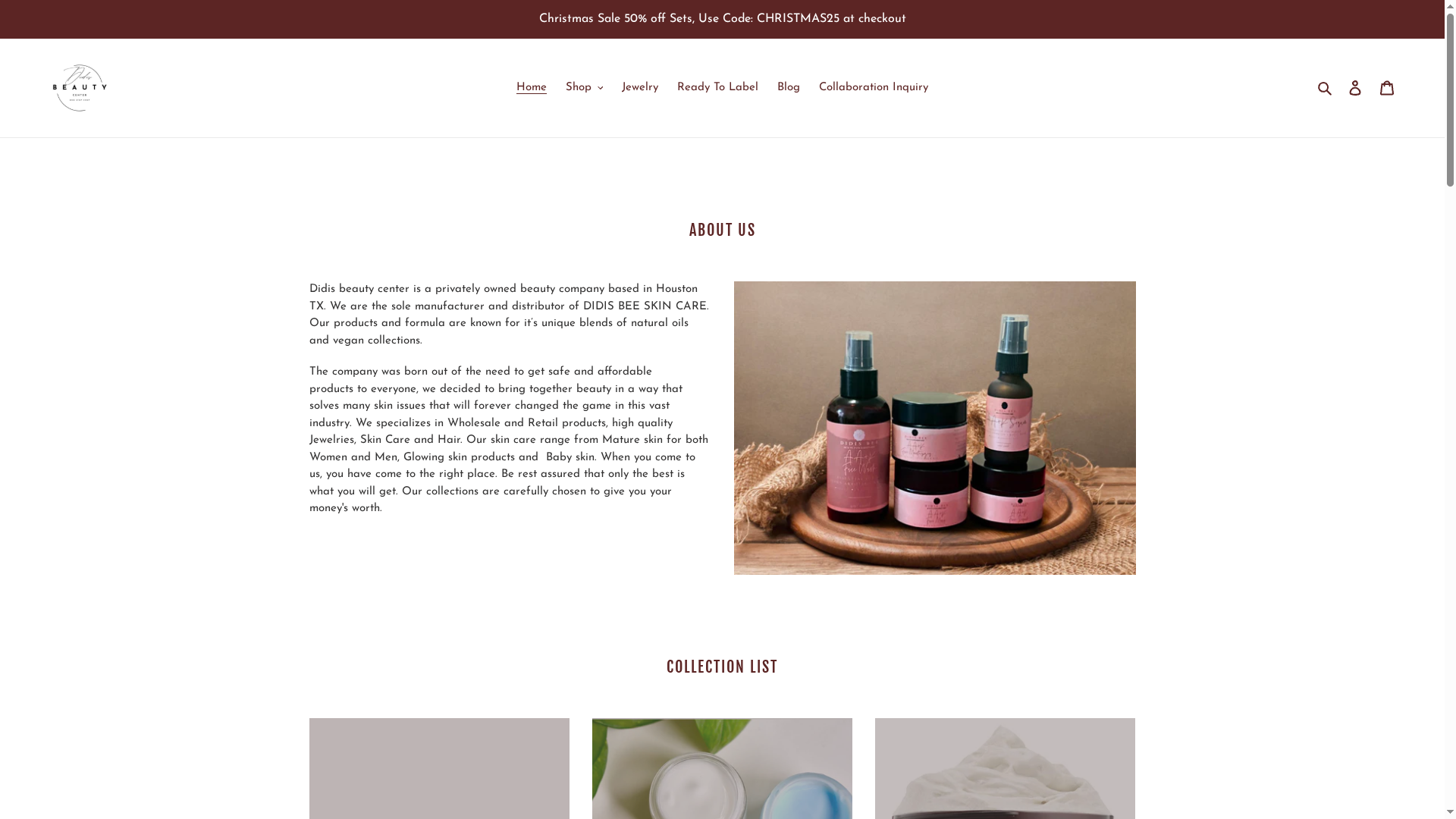
The daily essential bundle is built specifically for entrepreneurs who want a clean, reliable hero product without the formulation complexity of building from zero. Pair it with the detox nightwear cream as a supporting SKU and you have a focused two-product launch ready to go. For founders who want to build a fully branded line, the private label services provide customizable formulations, packaging support, and expert guidance designed for small beauty startups. Less time on production means more time on marketing, community building, and growth.
Frequently asked questions
What is a hero SKU and why is it important for new beauty brands?
A hero SKU is your single standout product designed for daily use that drives most of your sales and anchors your brand identity. Beauty startups should begin with one hero SKU before adding products, since focused marketing on one product converts better and generates the customer data you need before expanding.
Are small natural skincare brands exempt from FDA facility registration in 2026?
Yes, but with conditions. Small businesses under $1 million in sales are exempt from facility registration and product listing, but you must still report serious adverse events to the FDA within 15 business days and comply with all labeling and safety requirements.
What digital marketing channels work best for retaining beauty customers?
Email is the highest-ROI channel for retention because it lets you deliver educational content and well-timed replenishment reminders directly to customers who already bought from you, while SEO and TikTok Shop drive new customer acquisition.
How should vegan beauty brands handle ingredient safety concerns?
Vegan brands must scientifically substantiate safety for every ingredient, avoid common irritants like undiluted essential oils when targeting sensitive skin, and maintain documentation files that satisfy FDA MoCRA requirements in case of an inspection or consumer complaint.
Can I manufacture natural vegan skincare products at home legally?
Yes. The FDA permits home-based cosmetics manufacturing as long as products are safe, properly labeled, and not adulterated or misbranded. However, it is legal to manufacture cosmetics at home only if you accept full responsibility for product safety and label compliance, so basic safety testing is strongly recommended before selling to the public.
Discourse (0)