


TL;DR:
- Effective vegan beauty marketing combines credible certification with performance-focused messaging to build trust and loyalty. Utilizing content that educates about ingredients, sources, and results, alongside platform-specific strategies and micro-influencers, accelerates organic growth and conversions. Transparency and ongoing engagement are key to creating a loyal community beyond initial sales.
Marketing vegan beauty products means combining ethical storytelling with hard proof of performance, and brands that do both consistently outperform those that rely on values alone. More than 70% of Gen Z and Millennials use social media to research brands before buying, which makes your digital presence a direct revenue driver, not a nice-to-have. Platforms like Instagram and TikTok, certification bodies like V-Label and The Vegan Society, and content formats like ingredient tutorials are the core tools of effective vegan beauty marketing. The brands winning this space right now are not just selling cruelty-free products. They are building communities around transparency, education, and results.
How to market vegan beauty products using certification as a trust signal
Third-party vegan certification is the fastest credibility shortcut available to any beauty brand. Certification bodies like V-Label recommend placing their seals prominently on packaging, websites, and all advertising materials, because conscious consumers scan for these signals before reading a single word of copy. Certification also opens doors to ethical retail markets and strengthens retailer partnerships globally, which means it pays dividends far beyond consumer trust alone.
The most effective brands treat certification not as a compliance badge but as the opening chapter of their brand story. Sharing the journey of achieving V-Label or Vegan Society status, including the reformulation challenges and ingredient swaps required, creates emotional resonance that a logo alone never could. This approach turns a regulatory milestone into a marketing asset.
Here is how to integrate certification into your marketing across every channel:
- Place the certification seal above the fold on your homepage and on every product page
- Reference the certification in paid ad copy and email subject lines to increase open and click rates
- Create a dedicated “Our Standards” page that explains what the certification guarantees and what it required to earn
- Use the certification journey as a content series on Instagram Stories or TikTok, showing behind-the-scenes reformulation work
- Include certification language in retailer pitch decks to accelerate wholesale conversations
Pro Tip: Certification is a baseline, not a finish line. Pair your V-Label or Vegan Society seal with a plain-language explanation of what it actually means for the customer. “No animal-derived ingredients, ever. Verified by V-Label” is more persuasive than the seal alone.
“Certifications should be woven into a brand’s core narrative, showcasing sustainability milestones and the ethical journey rather than being treated as mere compliance badges.” — V-Label
What content strategies educate customers on vegan beauty?
Positioning your brand as a knowledge resource that addresses common misconceptions about vegan product efficacy builds consumer confidence faster than any discount campaign. The most persistent misconception is that vegan formulas underperform conventional ones. Your content strategy exists, in large part, to dismantle that belief with specifics.
Content marketing for vegan beauty follows a clear sequence:
- Start with ingredient education. Write blog posts and create short videos explaining what plant-based alternatives like candelilla wax (a vegan substitute for beeswax) and hydrolyzed wheat protein (replacing keratin) actually do for skin and hair. Consumers want to know the function, not just the name.
- Expose hidden animal-derived ingredients. Consumers want transparency about ingredients like carmine, lanolin, and squalene that appear in conventional beauty products under obscure names. A recurring content series called “What’s Actually in That?” builds loyal readership and positions your brand as an honest guide.
- Publish tutorials that show results. A before-and-after tutorial using your vegan foundation or serum does more to overcome skepticism than any ethics-focused copy. Performance is the argument. Ethics is the bonus.
- Build an SEO content calendar. Consistent educational content typically requires three to six months of effort before generating meaningful organic search visibility. Plan for the long game and publish at least two pieces per week.
- Tell sourcing stories. Sharing the challenges of finding plant-based alternatives to collagen or beeswax creates emotional connections that build long-term loyalty. This kind of storytelling is rare in beauty marketing, which makes it memorable.
Pro Tip: Repurpose every blog post into three content formats: a short-form TikTok video, an Instagram carousel, and an email newsletter segment. One piece of research becomes four touchpoints with your audience.
The Didisbeautycenter blog on vegan beauty myths is a strong model for this approach, addressing performance skepticism directly with factual, jargon-free language that converts curious readers into buyers.

Which social media platforms drive the most sales for vegan beauty brands?
Platform choice is not a matter of preference. It is a strategic decision based on where your specific audience spends time and what content format converts best for beauty products.
| Platform | Best content format | Primary strength for vegan beauty |
|---|---|---|
| Carousels, Reels, Stories | Visual product storytelling and community building | |
| TikTok | Short tutorials, ingredient reveals | Viral reach and Gen Z engagement |
| Boards, infographics | Long-tail SEO and purchase intent traffic | |
| YouTube | Long-form tutorials, brand documentaries | Deep trust-building and product demonstration |
Instagram and TikTok dominate for promoting vegan cosmetics to younger audiences, but Pinterest consistently outperforms both for purchase intent. A well-optimized Pinterest board for “vegan skincare routine” or “cruelty-free makeup” can drive traffic for years without additional investment.
Micro-influencers with aligned values and high engagement rates outperform large mainstream beauty influencers for vegan beauty brands. This is because niche ethical audiences trust peer recommendations over celebrity endorsements, and micro-influencers typically have follower bases that already share their values. A creator with 15,000 engaged followers in the clean beauty space will generate more conversions than a general beauty influencer with 500,000 followers who occasionally posts vegan content.
User-generated content and branded hashtags significantly increase authenticity and expand organic reach without additional ad spend. Encourage customers to post their results using a specific hashtag, then feature the best content on your brand account. This creates a feedback loop where customers become marketers.
Additional tactics that consistently perform well when advertising vegan makeup:
- Run Instagram and TikTok polls asking followers to vote on new scents, shades, or formulas. This generates engagement and free product research simultaneously.
- Host monthly live Q&A sessions on Instagram where a formulator or brand founder answers ingredient questions in real time.
- Track engagement metrics including reach, click-through rates, and conversions weekly, then adjust posting frequency and content mix based on what the data shows.
How do you balance ethics and performance in vegan beauty marketing?
The biggest strategic mistake in vegan beauty marketing is leading with values and burying the product. Shopify’s branding analysis confirms that product-centric messaging backed by vegan ethics outperforms ethics-first messaging for reaching audiences beyond the already-converted vegan consumer. Performance is the door. Ethics is what keeps people in the room.
Leading vegan brands must emphasize product performance to appeal to the broader audience that includes non-vegan consumers who are simply curious about better formulas. A non-vegan consumer who discovers your moisturizer because it has a superior texture and then learns it is cruelty-free is a converted customer. A non-vegan consumer who sees your ethics messaging first and has no performance hook will scroll past.
Practical ways to balance both in your marketing:
- Open every product description with a sensory or performance claim. “Absorbs in 30 seconds, leaves zero residue” before “100% plant-based and cruelty-free.”
- Use split-testing on ad copy to measure whether performance headlines or ethics headlines generate higher click-through rates for your specific audience.
- Feature customer reviews that mention texture, scent, and results prominently. Reviews that say “I forgot it was vegan because it works so well” are gold.
- Address the vegan skincare benefits of specific ingredients in product copy, connecting plant-based sourcing directly to the skin result it produces.
- Never use ethical positioning to excuse a product weakness. If a formula has a limitation, fix it. Ethics cannot compensate for performance gaps.
The brands that have scaled most successfully in this space, including those using natural brand-building frameworks, treat vegan ethics as a quality signal rather than a substitute for quality itself.
Key takeaways
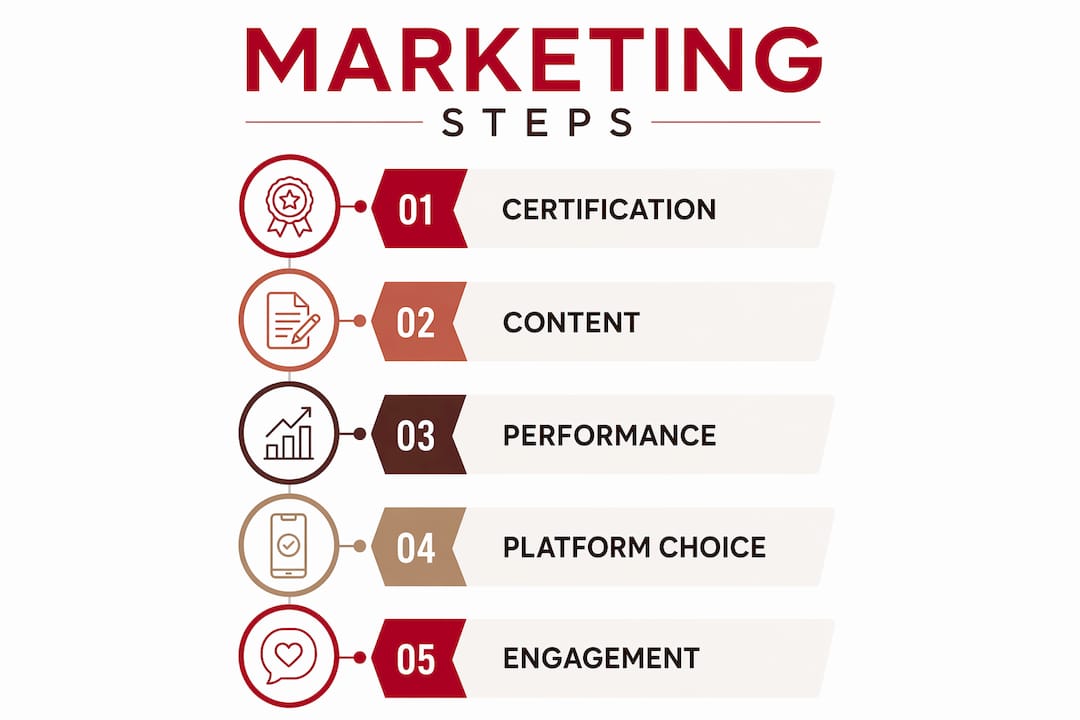
Effective vegan beauty marketing requires certification visibility, performance-first messaging, and platform-specific social media execution working together.
| Point | Details |
|---|---|
| Certification drives trust | Display V-Label or Vegan Society seals prominently and explain what they guarantee in plain language. |
| Content builds long-term SEO | Consistent educational blogs and tutorials take three to six months to generate organic visibility but compound over time. |
| Micro-influencers outperform macro | Niche creators with engaged ethical audiences convert better than large mainstream influencers for vegan beauty. |
| Performance messaging comes first | Lead with texture, results, and efficacy. Let ethics reinforce the product, not replace it. |
| Social data must guide strategy | Track reach, click-through rates, and conversions weekly and adjust platform mix and content format accordingly. |
What I’ve learned about authentic vegan beauty marketing
I have watched too many vegan beauty brands spend their entire launch budget on certification photography and ethics copy, then wonder why their conversion rate stalls after the first month. The honest answer is that their customer already believed in vegan beauty. They were preaching to the choir.
The brands I have seen grow consistently are the ones that treat their marketing as an ongoing conversation rather than a broadcast. They post the failed formula batch alongside the successful one. They share the supplier they had to drop because of an undisclosed ingredient. They answer the uncomfortable questions in their comment sections instead of deleting them. That level of transparency is genuinely rare, and it builds the kind of loyalty that no ad budget can buy.
Influencer relationships work the same way. The partnerships that generate real revenue are the ones where the creator has been using the product for months before posting about it. Their audience can tell the difference between a genuine recommendation and a sponsored post, and so can the algorithm.
My strongest advice: treat your certification not as a marketing tool but as a commitment you make publicly and then prove every quarter. Post your ingredient sourcing updates. Share your packaging sustainability progress. Make your audience feel like they are part of the brand’s ethical journey, not just recipients of it. That is what separates a vegan beauty brand with a loyal community from one with a pretty logo and a declining repeat purchase rate.
— Gloria
Build your vegan beauty brand with Didisbeautycenter
If you are developing a vegan beauty line and need products that are already formulated, certified, and ready to carry your brand, Didisbeautycenter’s private label solutions are built for exactly that. The platform offers natural, vegan-formulated skincare products with quality assurance built in, so your marketing strategy starts from a credible foundation rather than having to compensate for formulation gaps.
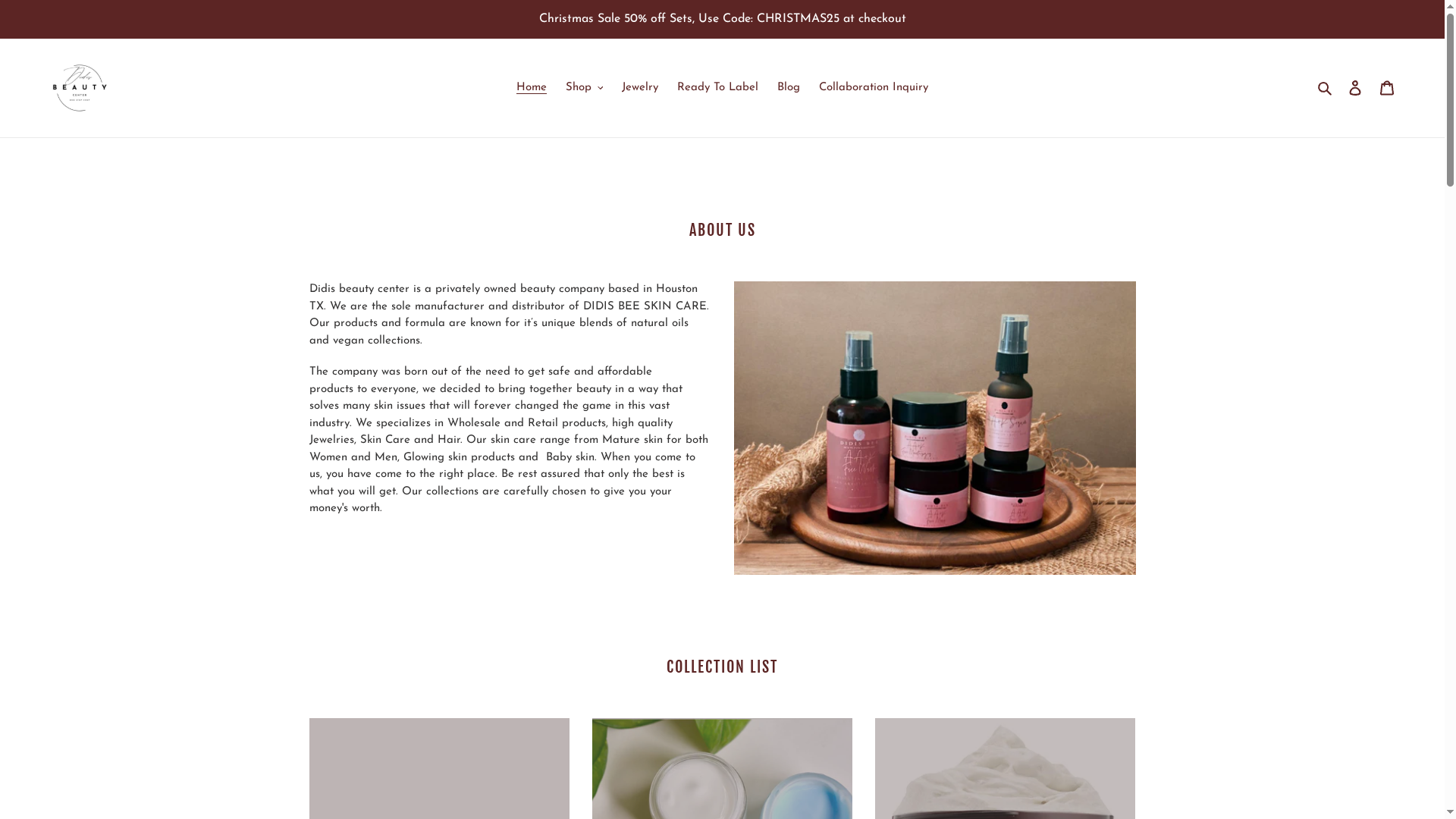
Entrepreneurs who use Didisbeautycenter’s private label program get products that are marketing-ready from day one, with ingredient transparency and cruelty-free credentials already in place. That means less time defending your formula and more time building the community and content strategy that drives long-term growth. Explore the private label catalog to see what is available for your brand.
FAQ
What certifications matter most for vegan beauty marketing?
V-Label and The Vegan Society certification are the two most recognized seals globally. Displaying either prominently on packaging and digital channels signals verified compliance to conscious consumers and ethical retailers.
How long does content marketing take to work for vegan beauty?
Educational content typically requires three to six months of consistent publishing before generating meaningful organic search traffic. Starting with high-intent topics like ingredient comparisons and vegan substitutes accelerates results.
Are micro-influencers better than large influencers for selling cruelty-free products?
Yes. Micro-influencers with niche ethical audiences deliver higher engagement and conversion rates than mainstream beauty influencers because their followers already share aligned values and trust their recommendations more deeply.
What is the biggest mistake in vegan beauty advertising?
Leading with ethics instead of product performance. Shopify’s branding research shows that performance-first messaging with ethical support reaches a broader audience, including non-vegan consumers, more effectively than values-only campaigns.
How do I educate customers on vegan beauty without overwhelming them?
Focus on one ingredient or misconception per content piece. Short-form videos explaining what carmine is or why candelilla wax outperforms beeswax in lip products are more digestible and shareable than comprehensive guides that try to cover everything at once.
Discourse (0)