


TL;DR:
- Indicators of clean beauty include transparent ingredient lists, third-party certifications, cruelty-free sourcing, and the avoidance of harmful chemicals. Consumers should verify full INCI disclosures, seek recognized certifications like EU Ecolabel or Leaping Bunny, and confirm ethical ingredient sourcing to ensure product safety and sustainability. Critical scrutiny remains essential, as “natural” claims often lack regulatory oversight and can be misleading; checking specific certifications and ingredient databases provides reliable guidance.
The indicators of clean beauty are defined as the measurable, verifiable signals that a skincare product is free from harmful chemicals, ethically produced, and environmentally responsible. Clean beauty, known in the industry as “safer beauty” or “conscious beauty,” has no single legal definition in the United States, which means the burden of identification falls on you. Retailers, coalitions, and regulators are now stepping in to fill that gap. In 2026, knowing what to look for on a label, a certification seal, or a brand’s sourcing statement is the most practical skill any beauty consumer can develop.
1. Transparent ingredient labeling
Ingredient transparency is the single most reliable indicator of clean beauty. A genuinely clean product lists every ingredient in full, in descending order of concentration, with no vague catch-all terms hiding what’s actually inside.
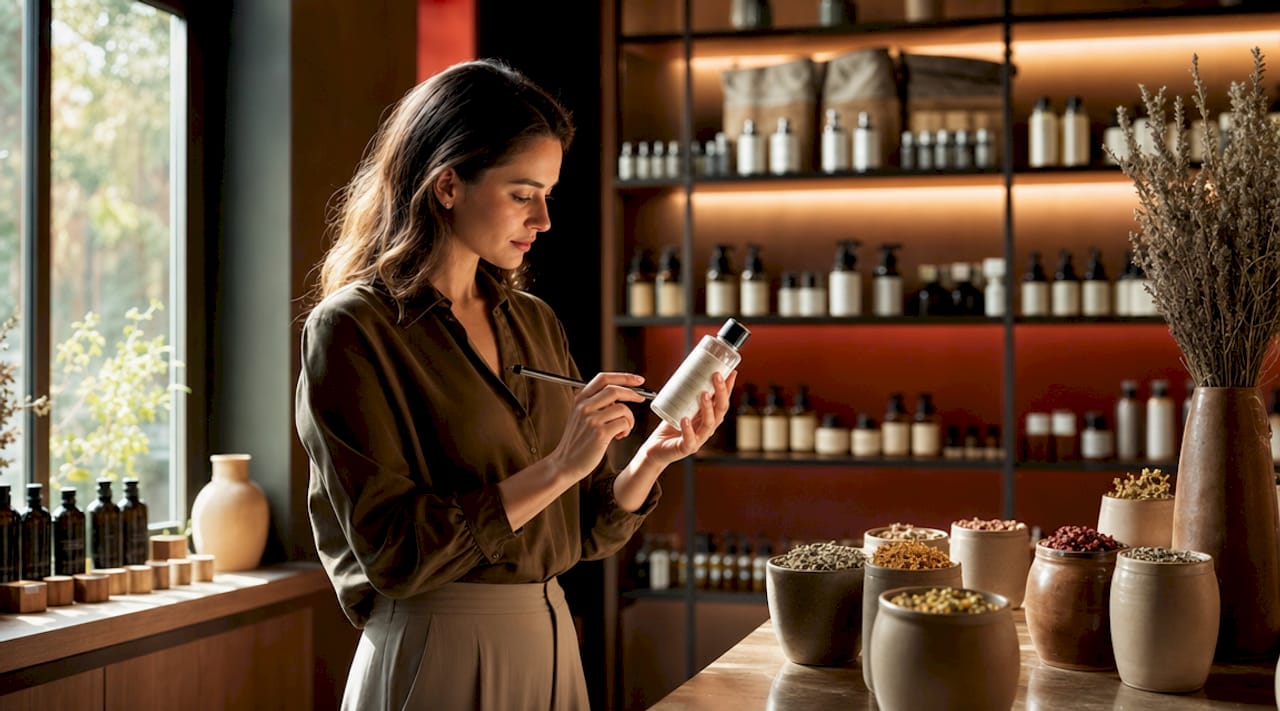
The biggest red flag on any label is the word “fragrance.” Fragrance blends are often undisclosed, and they can contain endocrine disruptors and allergens that never appear on the ingredient deck. This means a product can technically list all its ingredients and still conceal dozens of chemical compounds under a single word.
Beyond fragrance, clean beauty products avoid parabens, phthalates, and oxybenzone. Research from ColumbiaDoctors confirms that avoiding these specific chemicals produces measurably lower levels of hormone-disrupting compounds in the body. That’s not a theoretical benefit. It’s a documented, biological outcome.
One more overlooked risk: contaminants like 1,4-dioxane can appear in products as manufacturing byproducts that never show up on any ingredient list. This is why ingredient transparency alone isn’t enough. It’s the starting point, not the finish line.
- Look for the full INCI (International Nomenclature of Cosmetic Ingredients) name for every ingredient
- Avoid products listing “fragrance,” “parfum,” or “flavor” without further disclosure
- Cross-reference ingredients using safety databases like Clearya or the Environmental Working Group’s Skin Deep database
- Shorter ingredient lists are not automatically safer. Efficacy and safety depend on the specific ingredients, not the count.
Pro Tip: Install the Clearya browser extension before you shop online. It flags potentially harmful ingredients in real time as you browse product pages, so you don’t need to memorize a banned-ingredient list.
2. Third-party certifications and regulatory standards
Certifications are the most objective indicators of eco-friendly cosmetics and clean formulations because they replace brand self-reporting with independent verification. Starting September 27, 2026, the EU bans self-created clean labels unless backed by recognized third-party certification. That regulatory shift makes understanding these seals more relevant than ever.
The three most recognized global certifications are EU Ecolabel, COSMOS Organic (administered by COSMOS-standard AISBL), and NATRUE. Each applies different criteria, so knowing what each one actually verifies helps you read a label with real precision.
| Certification | Criteria focus | Scope |
|---|---|---|
| EU Ecolabel | Environmental impact, biodegradability, packaging | EU-recognized, broad product categories |
| COSMOS Organic | Organic ingredient sourcing, manufacturing processes | Global, cosmetics-specific |
| NATRUE | Natural and organic content thresholds, no synthetic fragrances | Global, strict ingredient standards |
| Leaping Bunny | No animal testing at any production stage | Global, cruelty-free specific |
| USDA Organic | Certified organic agricultural ingredients | US-focused, ingredient-level |
A certification seal tells you that a third party has audited the product against a defined standard. No seal means the brand is asking you to take its word for it. For eco-label impact on skincare, the difference between a certified and an uncertified “clean” claim is the difference between a verified fact and a marketing choice.
3. Cruelty-free and ethical sourcing practices
Cruelty-free status is a core pillar of clean beauty standards, and it extends well beyond the finished product. A product is genuinely cruelty-free only when no animal testing occurs at any stage of production, including raw ingredient sourcing and third-party manufacturing. The Leaping Bunny Program, administered by Cruelty Free International, is the most rigorous certification for this claim.
Retailers like Credo Beauty and Sephora have integrated ethical sourcing and cruelty-free standards directly into their brand frameworks, which means products sold through those channels must meet defined criteria. Credo Beauty’s Dirty List bans over 2,700 ingredients, and the KBDB (Keep Beauty Dirty-Free) coalition uses science-based hazard data to shape ingredient standards across the industry.
Ethical sourcing also means tracing where raw materials come from. Palm oil, for example, is a common cosmetic ingredient linked to deforestation when sourced irresponsibly. Brands committed to clean beauty standards will reference the Roundtable on Sustainable Palm Oil (RSPO) certification or disclose their palm oil sourcing policy directly.
- Leaping Bunny certification covers the entire supply chain, not just the final product
- PETA’s Beauty Without Bunnies list is a widely used but less rigorous alternative to Leaping Bunny
- “Not tested on animals” on a label does not confirm cruelty-free status if suppliers conduct testing
- Vegan and cruelty-free are not the same. A vegan product contains no animal-derived ingredients but may still be tested on animals.
Pro Tip: Search a brand directly on the Leaping Bunny website before purchasing. Many brands claim cruelty-free status in marketing copy without holding any certification. The database takes 30 seconds to check and removes all ambiguity.
4. Avoidance of harmful and controversial ingredients
Avoiding specific harmful ingredients is one of the clearest signs of clean skincare, but the science here is more nuanced than most marketing suggests. Clean beauty is currently unregulated and can be misleading. Effectiveness depends on scientific evidence rather than whether an ingredient is plant-derived or synthetic.
Dr. Low Chai Ling, a physician specializing in aesthetic medicine, points out that retinoids, one of the most evidence-backed anti-aging ingredients available, are frequently excluded from clean beauty lines simply because they are not plant-derived. That exclusion does not make a product safer. It makes it less effective.
The same logic applies to sunscreen filters. Sunscreen chemical filters are often excluded from clean formulations despite strong safety and efficacy evidence. Mineral alternatives like zinc oxide provide solid UV protection, but some formulations using only mineral filters deliver lower broad-spectrum coverage. Choosing “clean” sunscreen without checking the SPF rating and UVA protection factor is a real trade-off.
The ingredients with the strongest evidence for exclusion are:
- Parabens (methylparaben, propylparaben): Synthetic preservatives with endocrine-disrupting potential
- Phthalates (DBP, DEHP): Plasticizers used in fragrance fixatives, linked to hormonal disruption
- Oxybenzone: A chemical UV filter with evidence of hormone disruption and coral reef damage
- Undisclosed fragrance allergens: Potent sensitizers including essential oils like tea tree and citrus-based compounds
Women who avoided fragrances, parabens, and oxybenzone showed less than 50% levels of common phthalates compared to those who did not. That data point reframes ingredient avoidance from a lifestyle preference into a measurable health decision.
5. Sustainability and environmental impact
Sustainability is now a recognized indicator of clean beauty, not a bonus feature. Consumer expectations for sustainability now include packaging, carbon footprint, and ingredient sourcing, and both EU regulations and retailer-driven standards are enforcing those expectations with real consequences.
The EU’s updated Green Claims Directive requires brands to back environmental claims with verifiable evidence. Vague statements like “eco-friendly,” “green,” or “sustainable” without supporting data are now subject to regulatory action in EU markets. This shift matters globally because multinational brands reformulate and relabel for their largest markets first.
Key sustainability signals to look for on a product or brand’s website:
- Recyclable or refillable packaging: Look for the How2Recycle label or explicit recycling instructions
- Biodegradable formulas: Ingredients that break down without harming aquatic ecosystems
- Carbon-neutral or carbon-offset commitments: Verified by programs like South Pole or Gold Standard
- Concentrated or waterless formulas: These reduce packaging volume and transportation emissions significantly
- Sustainably sourced ingredients: RSPO certification for palm derivatives, Rainforest Alliance for botanical ingredients
Greenwashing remains widespread. A brand printing leaves on its packaging while using non-recyclable plastic tubes is not a clean beauty brand. Authentic sustainability claims come with named certifications, published supply chain data, or third-party audit results. For ethical beauty choices in 2026, sustainability verification is as important as ingredient safety.
Key takeaways
The most reliable indicators of clean beauty combine transparent ingredient lists, verified third-party certifications, cruelty-free supply chains, and evidence-backed ingredient exclusions. No single signal is sufficient on its own.
| Point | Details |
|---|---|
| Ingredient transparency | Full INCI disclosure with no hidden fragrance blends is the baseline requirement. |
| Third-party certifications | EU Ecolabel, COSMOS Organic, and NATRUE replace unverifiable brand self-claims. |
| Cruelty-free verification | Leaping Bunny certification covers the entire supply chain, not just the final product. |
| Harmful ingredient avoidance | Avoiding parabens, phthalates, and oxybenzone produces measurable reductions in hormone-disrupting exposure. |
| Sustainability evidence | Authentic environmental claims require named certifications or published supply chain data, not packaging graphics. |
Why clean beauty still requires your critical eye
I’ve spent years reading ingredient lists, cross-referencing certifications, and watching brands rebrand conventional products with green packaging. Here’s what I’ve concluded: the clean beauty movement has done genuine good, and it has also created a new category of sophisticated misinformation.
The most common mistake I see is treating “natural” as a synonym for “safe.” Clean beauty marketing often shifts the safety burden onto consumers to decode complex ingredient lists without any regulatory baseline. That’s not consumer empowerment. It’s a gap in accountability dressed up as transparency.
What actually works is a two-step approach. First, check for a named third-party certification. Second, look up the specific ingredients that concern you in a database like Clearya or Skin Deep. If a brand resists that level of scrutiny, that resistance is itself an indicator.
The advocacy role in natural skincare matters here too. Pushing brands and regulators for clearer standards is not a niche activist position. It’s the logical response to an industry where “clean” still means whatever a marketing team decides it means. You deserve better than that, and so does your skin.
— Gloria
Discover clean beauty products at Didisbeautycenter
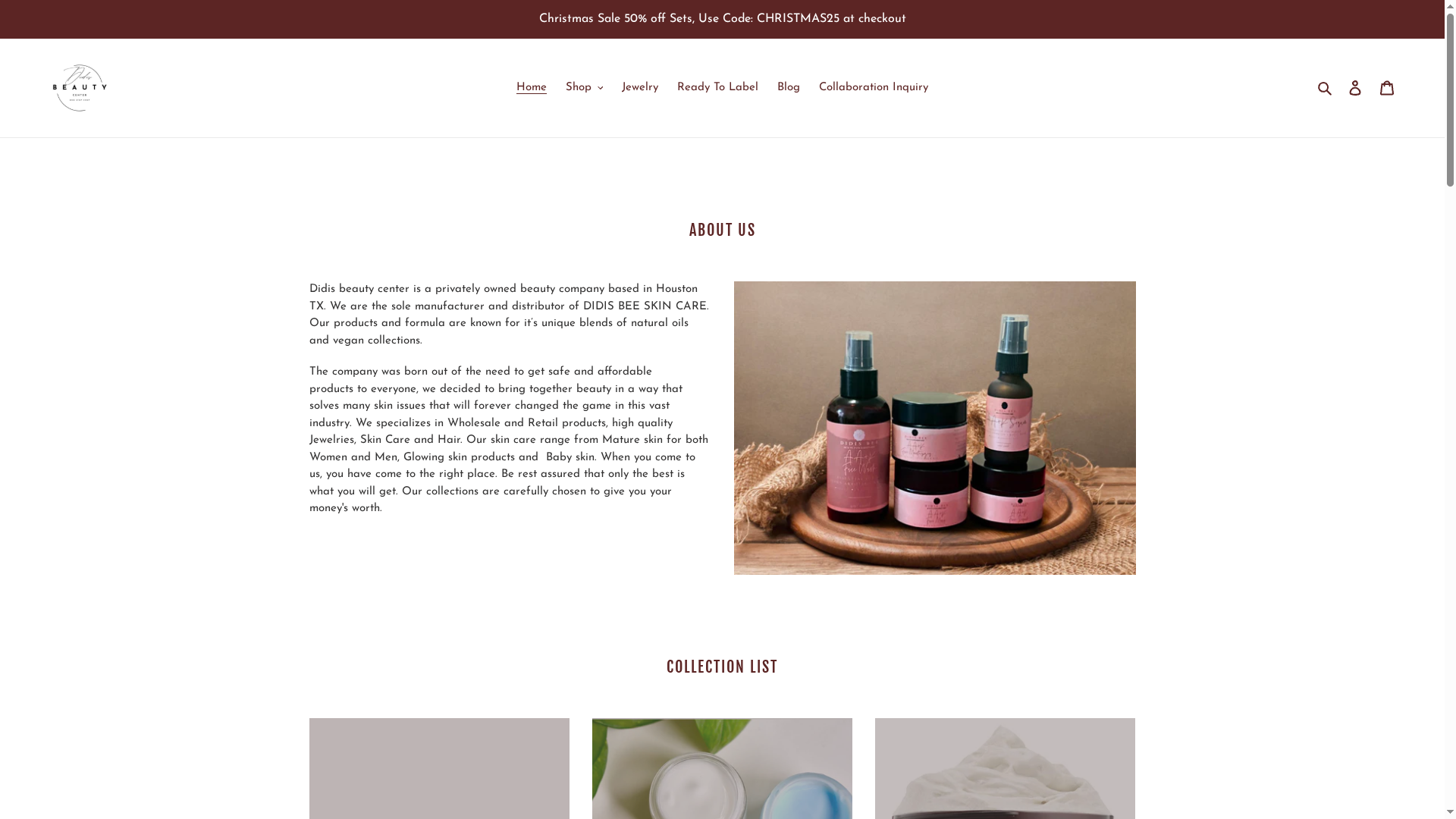
Didisbeautycenter curates skincare products built around the exact indicators covered in this article: full ingredient disclosure, vegan and cruelty-free formulations, and transparent sourcing. If you want a practical starting point, the Daily Essential Bundle brings together core clean skincare products designed for everyday use, with no guesswork about what’s inside. For a targeted nighttime option, the Detox Nightwear Face Cream delivers clean, cruelty-free nourishment while you sleep. Both products reflect the clean beauty standards this article describes, so you can shop with confidence rather than skepticism.
FAQ
What are the main indicators of clean beauty?
The main indicators of clean beauty are full ingredient transparency, third-party certifications like COSMOS Organic or EU Ecolabel, cruelty-free supply chains verified by Leaping Bunny, and the documented absence of parabens, phthalates, and undisclosed fragrance compounds.
Is “natural” the same as clean beauty?
No. Natural ingredients, including essential oils like tea tree and citrus compounds, can cause allergic reactions and skin sensitization. Clean beauty is defined by safety evidence and ethical production, not by whether an ingredient comes from a plant.
How do I identify clean beauty certifications on a label?
Look for recognized seals from COSMOS Organic, NATRUE, EU Ecolabel, Leaping Bunny, or USDA Organic. From September 2026, EU regulations require that any environmental or clean claim on cosmetics be backed by one of these verified third-party certifications.
Do fragrance-free products make a real difference?
Yes. Research from ColumbiaDoctors shows that women using fragrance-free personal care products had less than 50% the phthalate levels of those who did not. Switching to fragrance-free products is one of the highest-impact changes you can make for reducing chemical exposure.
What does cruelty-free actually mean on a beauty label?
Cruelty-free means no animal testing occurred at any stage of production. The Leaping Bunny certification is the most rigorous standard because it audits the entire supply chain, including ingredient suppliers, not just the finished product.
Discourse (0)