


TL;DR:
- Beauty certifications are classified into regulated state licenses, vocational diplomas, and short-course credentials, each serving different legal and professional purposes. Choosing the correct type is essential to avoid legal issues, career setbacks, and unnecessary expenses, as regulated licenses are legally required for practice in most US states. Building a successful beauty career involves first obtaining the appropriate regulated license, then adding specialty certifications or diplomas to expand service offerings and marketability.
Beauty certifications fall into three distinct categories: regulated state licenses, vocational diplomas, and short-course service credentials, each serving a different legal and professional function. Choosing the wrong type wastes money and can leave you unable to legally practice. The three practical buckets include examples like US cosmetology licenses, UK Level 2 and Level 3 diplomas, and manufacturer-issued credentials like Aviva spray-tan certification. Understanding which type of beauty certification you need before enrolling saves time, money, and career setbacks.
1. Types of beauty certifications: the three-tier framework
The beauty industry uses the term “certification” loosely, which creates real confusion for career starters. A spray-tan certificate from a product brand and a state cosmetology license are both called certifications, but they carry completely different legal weight. One permits you to operate a business legally. The other adds a service to your menu.

The three tiers work like this. Regulated state licenses are legally required to practice core beauty services in most US states. Vocational diplomas, like UK NVQ Levels 2 and 3, are nationally recognized qualifications that demonstrate progressive skill mastery. Short-course and manufacturer certifications cover specific treatments and are best used to expand an existing licensed practice. Knowing which tier you need is the first decision every beauty career starter must make.
2. Regulated state cosmetology and esthetician licenses
A regulated state license is the legal permission to perform beauty services professionally, and operating without one carries fines, business closure, and liability. In the United States, cosmetology and esthetician licenses are the two most common regulated credentials. Cosmetology covers hair, skin, and nails broadly. Esthetician licenses focus specifically on skin care services.
To earn either license, candidates complete a state-approved training program, then pass a standardized exam. The NIC exam is administered in 38 or more states and consists of 110 multiple-choice questions completed in 90 minutes, with a passing score around 75%. That exam covers scientific concepts, hair care, skin, and nails. The NIC domain weighting prioritizes Hair Care and Services, so cosmetology candidates who underestimate that section often fall short on their first attempt.
Licenses do not end at passing the exam. The Maryland Board of Cosmetologists requires 6 hours of continuing education at each renewal cycle, including one hour of domestic violence awareness training effective January 2026. Most states have similar renewal requirements, meaning your license demands ongoing investment, not just a one-time effort.
Key requirements for regulated licenses typically include:
- Completion of a state-approved cosmetology or esthetics program (hours vary by state, often 1,000 to 1,500 hours)
- Passing a written exam (NIC or state-specific)
- Passing a practical skills assessment
- Background check in some states
- Renewal every one to two years with continuing education
Pro Tip: Study the NIC exam’s domain breakdown before you start your prep. Hair Care and Services carries the heaviest question weight, so allocate study time accordingly rather than splitting hours evenly across all topics.
3. How vocational diplomas fit into beauty careers
Vocational diplomas, particularly the UK’s NVQ Level 2 and Level 3 Beauty Therapy qualifications, represent a structured, nationally recognized pathway that differs from US state licensing. These are not legally required permits. They are qualifications that signal competency to employers and clients, and they follow a deliberate progression.
Level 2 is the entry point, covering foundational treatments like basic facials, manicures, and waxing. Level 3 builds directly on that foundation. The UK Level 3 Beauty Therapy course requires prior Level 2 completion or an equivalent qualification, plus GCSE-level academic standards. The Level 3 curriculum includes advanced treatments like electrical facials and therapeutic massage, assessed through practical work and written exams over approximately one year.
The progression structure matters for career planning. Vocational levels are designed as sequential development, not standalone qualifications. Skipping Level 2 to attempt Level 3 is not possible within the formal system, which means your education timeline needs to account for both stages.
Here is how the vocational pathway typically unfolds:
- Complete Level 2 Beauty Therapy (foundational treatments, basic client care)
- Build practical salon experience alongside or after Level 2
- Meet academic prerequisites for Level 3 enrollment
- Complete Level 3 with advanced treatments and business skills
- Consider specialist add-on units (eyelash extensions, massage therapy)
- Progress to management roles or self-employment with a recognized credential
Pro Tip: If you are based in the US and researching UK qualifications, note that NVQ Levels do not automatically transfer to US licensing requirements. Verify with your state board whether a foreign qualification counts toward your required training hours.
4. Short-course and manufacturer academy certifications
Short-course certifications are specialized credentials issued by training academies or product manufacturers for specific treatments. They are fast, affordable, and targeted. They are also frequently misunderstood as substitutes for regulated licenses, which they are not.
Aviva Labs offers a self-paced online spray-tan certification that grants an instant credential and includes free in-person training. The course covers solution science, skin types, spray technique, and basic business skills. It is a strong example of what short-course certifications do well: they teach a specific service thoroughly and quickly, making them ideal for licensed professionals adding a new treatment or for entrepreneurs in states where spray tanning does not require a cosmetology license.
The critical distinction is this: short specialized certifications complement but do not replace regulated licenses. Misunderstanding that boundary leads to practicing outside your legal scope, which carries real consequences. Before enrolling in any short course, confirm with your state board whether the service requires a base license.
Short-course certifications are most valuable when you already hold a regulated license and want to expand your service menu. They are a career accelerator, not a career foundation.
Who benefits most from short-course certifications:
- Licensed cosmetologists or estheticians adding specialty services
- Salon owners training staff in specific treatments
- Beauty entrepreneurs in states with limited licensing requirements for certain services
- Professionals seeking manufacturer-endorsed credentials for marketing purposes
5. How these certification types compare for building a beauty career
Choosing between a regulated license, a vocational diploma, and a short-course certification depends on your location, career goals, and how quickly you need to start earning. Each pathway has a distinct profile.
| Certification type | Legal standing | Time commitment | Cost range | Best for |
|---|---|---|---|---|
| Regulated state license | Legally required to practice | 12 to 24 months | $5,000 to $20,000+ | Core beauty services in the US |
| Vocational diploma (NVQ Level 2/3) | Nationally recognized in the UK | 1 to 2 years | Varies by college | UK-based career progression |
| Short-course certification | No legal practice rights | Days to weeks | $50 to $500 | Specialty add-ons for licensed pros |
Geographic differences shape this decision significantly. In the US, a state cosmetology or esthetician license is non-negotiable for most services. In the UK, the NVQ pathway is the primary professional standard. In some countries, no formal licensing exists, making vocational diplomas the primary signal of credibility. Certifications impact not only legal ability but also marketability and consumer trust, which means even where licensing is optional, credentials still drive client confidence.
The smartest career strategy combines tiers. Start with the regulated license your state requires, build your foundational skills through that program, then layer short-course certifications on top to differentiate your service menu. The role of certifications in beauty careers extends beyond legal compliance into brand positioning and client retention.
6. Makeup artist qualifications and spa therapist training
Makeup artistry and spa therapy sit in an interesting position within beauty industry accreditation. Neither requires a state license in most US jurisdictions, yet both benefit enormously from formal credentials. This is where short-course certifications and vocational diplomas carry the most weight.
For makeup artists, qualifications from recognized academies like the Make-Up Designory (MUD) or programs affiliated with the National Cosmetology Association signal professional training to clients and agencies. These are not regulated credentials, but they function as strong market differentiators. Spa therapist training, particularly for services like hot stone massage or hydrotherapy, often requires a base massage therapy license plus specialty certifications from organizations like the Associated Bodywork and Massage Professionals (ABMP).
Balancing quick credentialing with comprehensive skill-building is the central challenge for makeup artists and spa therapists. A two-day workshop certificate looks credible on a website, but clients who ask deeper questions will quickly identify gaps in training. Pairing short courses with a structured vocational program or mentorship builds the depth that sustains a long career. Specialty services like lash and brow work, for example, are increasingly supported by focused professional credentials, as seen in dedicated lash and brow service providers who build their reputation on specialized training.
Key takeaways
The most effective approach to beauty certification is to secure the regulated license your state or country requires first, then build specialty credentials on top of that legal foundation.
| Point | Details |
|---|---|
| Regulated licenses come first | A state cosmetology or esthetician license is legally required before practicing most beauty services in the US. |
| Vocational diplomas follow a sequence | UK NVQ Level 2 must precede Level 3; skipping levels is not permitted within the formal qualification system. |
| Short courses expand, not replace | Manufacturer and academy certifications add services to your menu but carry no legal practice rights on their own. |
| Geography shapes your path | US licensing requirements and UK NVQ standards are separate systems; credentials do not automatically transfer between countries. |
| Continuing education is mandatory | States like Maryland require 6 hours of CE at renewal, meaning licensure is an ongoing commitment, not a one-time achievement. |
My honest take on navigating beauty certifications
I have watched too many people spend $300 on a spray-tan certificate before they even had a cosmetology license, then discover they could not legally operate a business. The beauty industry’s loose use of the word “certification” is genuinely misleading, and it costs career starters real money.
The advice I give consistently is this: call your state board before you enroll in anything. Ask one question. “Does this credential count toward my license requirements or allow me to legally perform this service?” If the answer is no, treat that course as a marketing tool, not a career foundation.
What I find undervalued is the continuing education requirement. Most people view renewal CE hours as a bureaucratic chore. I see them as the best low-cost way to stay current on techniques, safety standards, and new treatments. The education’s role in beauty careers goes far beyond initial licensing. Professionals who treat ongoing learning as a career asset consistently outperform those who treat it as a checkbox.
One more thing: do not let the cost of a full cosmetology program push you toward shortcuts. The license is the asset. Everything else builds on it.
— Gloria
Start your beauty career with the right foundation
Building a beauty career takes more than credentials. It takes the right products, tools, and business support to turn your certification into a thriving practice.
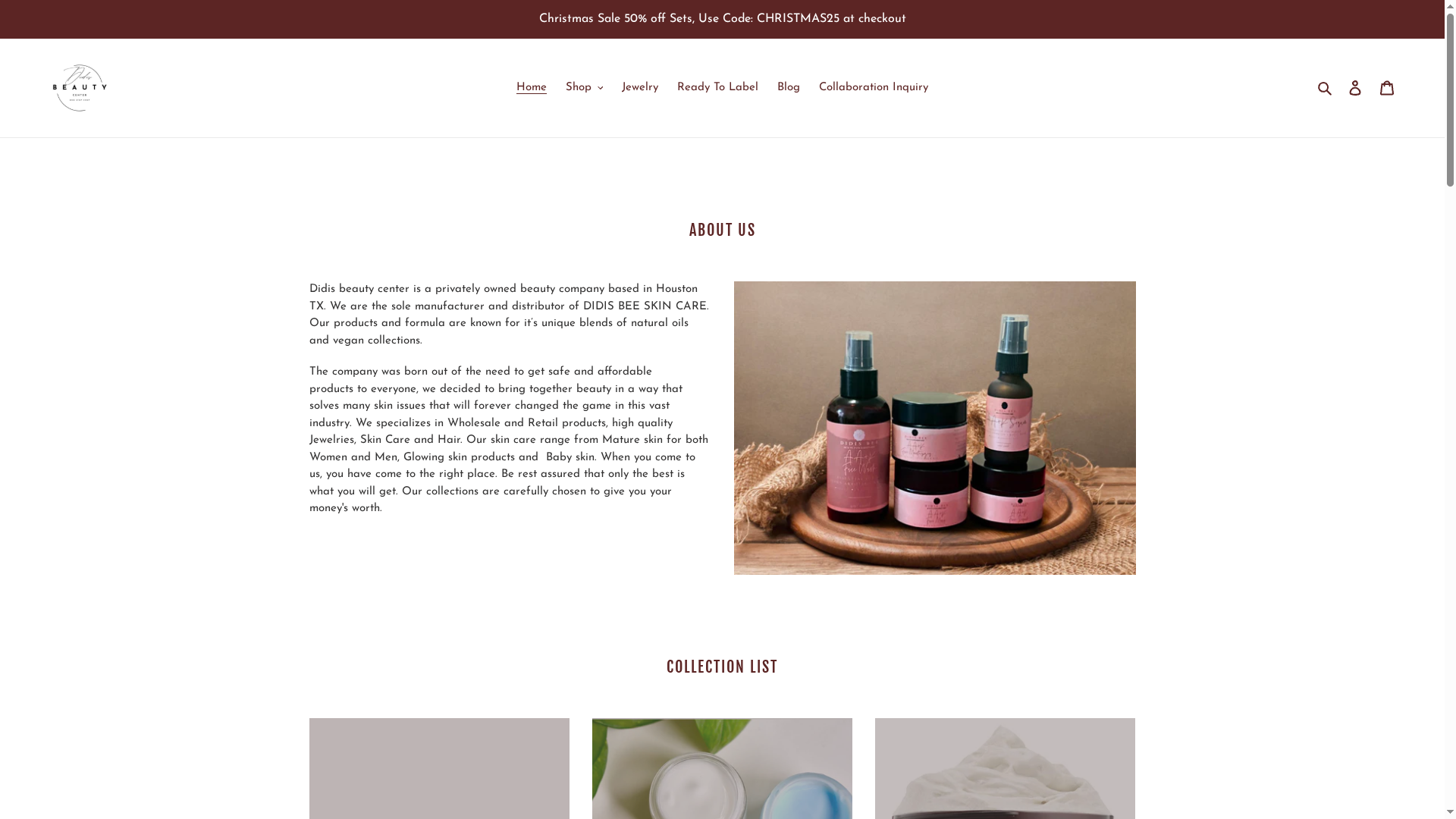
Didisbeautycenter supports beauty professionals at every stage, from first certification to full salon ownership. Whether you are launching a skincare service line or looking to offer clients natural, vegan formulations they can trust, Didisbeautycenter’s private label program gives you ready-to-brand products built for professional use. Certified estheticians and cosmetologists use private label skincare to create signature product lines that generate revenue beyond service bookings. Explore how Didisbeautycenter helps you build a brand that matches the quality of your training.
FAQ
What are the main types of beauty certifications?
Beauty certifications fall into three categories: regulated state licenses (legally required to practice), vocational diplomas like UK NVQ Levels 2 and 3 (nationally recognized qualifications), and short-course or manufacturer certifications (specialty credentials for specific treatments).
Do I need a cosmetology license before getting a specialty certification?
In most US states, yes. Short-course certifications for services like spray tanning or lash extensions do not grant legal permission to practice. A regulated cosmetology or esthetician license is required first for most client-facing beauty services.
How long does it take to get beauty certified?
It depends on the certification type. A state cosmetology license typically requires 12 to 24 months of training. A UK Level 3 Beauty Therapy diploma takes approximately one year after completing Level 2. Short-course certifications can be completed in days to weeks.
What is the NIC exam in cosmetology?
The NIC (National Interstate Council of State Boards of Cosmetology) exam is a standardized licensing test administered in 38 or more states. It consists of 110 multiple-choice questions in 90 minutes, with a passing score around 75%, plus a practical skills component.
Can I get beauty certified online?
Some certifications are fully available online. Aviva Labs, for example, offers a self-paced online spray-tan certification with an instant credential. However, regulated state licenses require in-person training hours and practical exams that cannot be completed entirely online.
Discourse (0)