


Choosing the right facial oil often feels overwhelming when myths and marketing claims blur the facts. For eco-conscious consumers determined to find cruelty-free and vegan skincare, understanding what facial oils actually are—and how they work—is crucial to making informed decisions. Facial oils are plant-derived substances extracted from seeds, nuts, or flowers that can nourish and protect your skin, but not all oils are equally safe or effective. This article unpacks common misconceptions, different types of facial oils, and how their properties fit your values and skin needs.
Table of Contents
- Facial Oils Defined And Common Myths
- Types Of Facial Oils And Key Distinctions
- How Facial Oils Benefit Different Skin Types
- Eco-Friendly And Ethical Advantages
- Potential Risks And How To Avoid Them
- Alternatives To Facial Oils In Vegan Skincare
Key Takeaways
| Point | Details |
|---|---|
| Understanding Facial Oils | Facial oils are plant-derived, regulated as cosmetics, and can provide nourishment and support to the skin barrier when used appropriately. |
| Myth Debunking | “Natural” does not always mean “safe.” Many plant oils can cause allergic reactions, and oils do not detoxify skin as commonly believed. |
| Choosing the Right Oil | Selecting oils based on individual skin type is essential; lightweight oils can benefit oily skin, while heavier oils suit dry skin. |
| Vegan and Ethical Choices | Vegan facial oils contribute to ethical consumerism by reducing demand for animal-derived ingredients and supporting sustainable practices. |
Facial oils defined and common myths
Facial oils get thrown around in skincare conversations without much clarity about what they actually are. At their core, facial oils are plant-derived substances extracted from seeds, nuts, or flowers that contain natural fats and bioactive compounds. Unlike the heavy, pore-clogging oils your grandmother warned you about, modern facial oils are formulated to absorb into skin and work with your natural sebum rather than against it. These products fall into two main categories: carrier oils (like jojoba, rosehip, or argan) and essential oils (concentrated plant extracts). The FDA regulates facial oils as cosmetics when they’re marketed solely for cleansing or beautifying skin, but classifies them as drugs if manufacturers make claims about treating disease or altering body function. This distinction matters because it affects labeling accuracy and safety claims you see on bottles.
Now for the myths. The biggest misconception is that “natural” automatically equals “safe.” Plenty of eco-conscious consumers assume that because an oil comes from plants, it won’t cause irritation or allergic reactions. The reality? Even plant-based oils can trigger serious skin responses in sensitive individuals. Essential oils carry antimicrobial and anti-inflammatory properties, but improper dilution, overuse, or individual sensitivity can cause redness, burning, or contact dermatitis. Another persistent myth claims that facial oils “detoxify” skin or pull out impurities. This detoxification narrative has become trendy in wellness spaces, but there’s no scientific evidence that oils perform this function. Your skin has its own elimination system through the lymphatic and excretory systems, and no topical product can force out toxins through pores. A third myth suggests all oils are comedogenic and will cause breakouts on acne-prone skin. While some oils are indeed heavy, many facial oils actually contain properties that can help balance sebum production and support skin barrier function. Vegan formulations have expanded this category significantly, offering plant-based alternatives that work beautifully for various skin types.
The confusion also stems from marketing language that blurs the line between cosmetic and therapeutic benefits. When brands claim oils “heal” or “treat” conditions, they’re crossing into medical territory where evidence matters. The FDA continues to monitor safety and labeling compliance within the skincare industry, but misconceptions about what facial oils can actually do remain widespread. What facial oils genuinely do is nourish, protect, and support your skin barrier through their vitamin and antioxidant content. They work particularly well for people with compromised barriers, dry patches, or those following vegan skincare routines where animal-derived options are off the table. If you’re exploring facial oils for the first time, understanding these definitions and debunking these myths helps you make informed choices that align with both your skin needs and your values around cruelty-free beauty. The key is matching the right oil to your skin type and using it appropriately rather than expecting miracle results.
Pro tip: Start with a patch test on your inner arm 24 hours before applying any new facial oil to your face, even if it’s marketed as hypoallergenic, to catch potential reactions before they affect your complexion.
Types of facial oils and key distinctions
Facial oils aren’t all created equal. The differences between them come down to their molecular structure, extraction method, and what compounds they contain. Understanding these distinctions helps you choose oils that actually work for your skin type and concerns rather than grabbing whatever looks trendy. Carrier oils form the foundation of most facial oil products. These are typically cold-pressed from seeds, nuts, or fruits and have larger molecular structures that sit on your skin longer. Jojoba oil mimics skin’s natural sebum composition, making it one of the most versatile options for both oily and dry skin types. Rosehip seed oil delivers vitamin A and lycopene for brightening benefits. Argan oil provides a lightweight feel with high vitamin E content. Grapeseed oil works well for sensitive skin because it’s less likely to trigger reactions. On the flip side, essential oils are highly concentrated plant extracts that pack serious potency into just a few drops. They’re never applied directly to skin because of their strength and are instead blended into carrier oils or other products. Lavender, chamomile, and frankincense essential oils offer calming properties, while tea tree and geranium oils support clearer skin. The key distinction is that essential oils require dilution and careful handling, whereas carrier oils can be used alone.
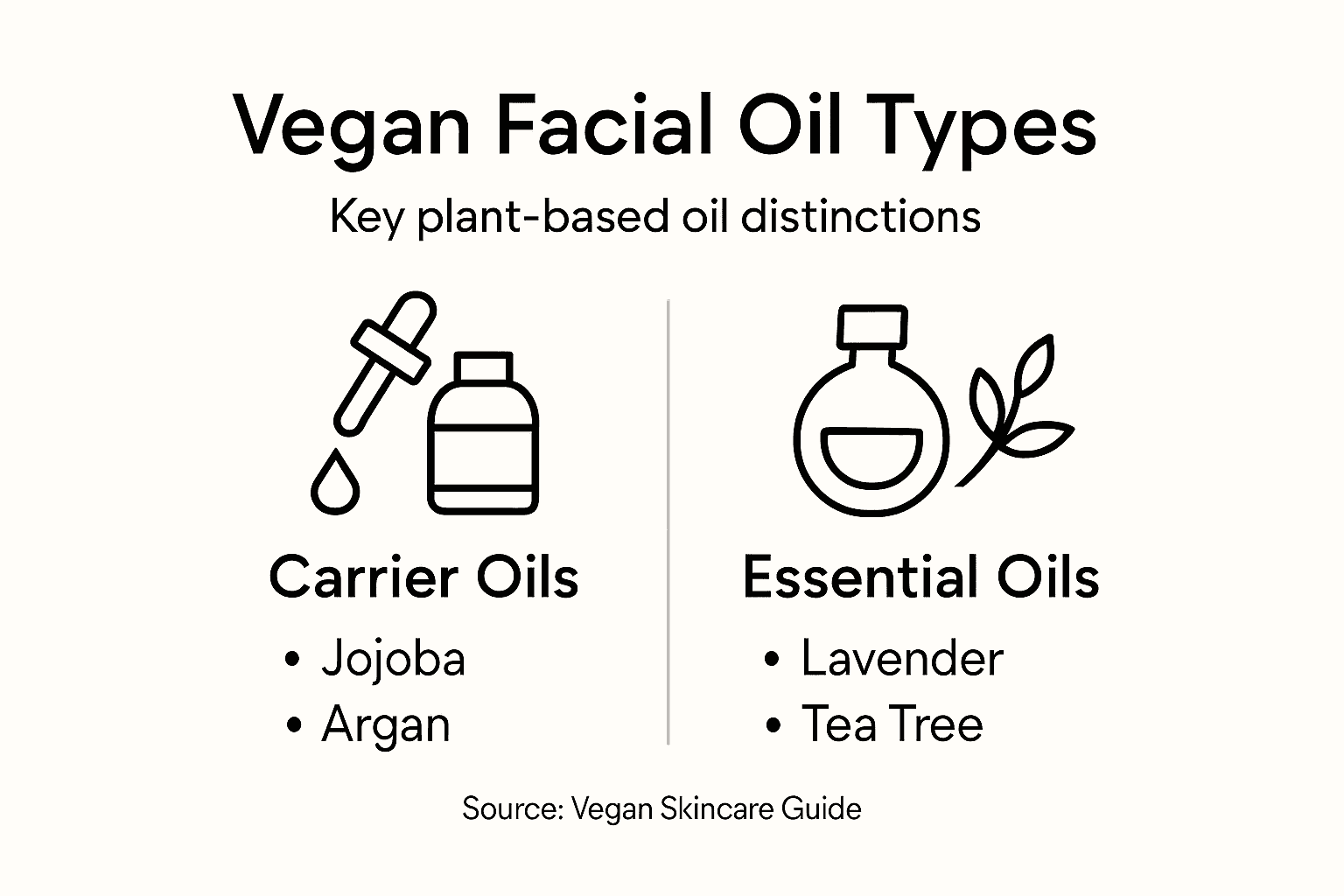
Beyond carrier versus essential, oils differ dramatically in their physicochemical properties that affect how they perform on your face. Plant-based oils like olive, avocado, sesame, and flaxseed vary significantly in their hydration capacity, barrier-supporting abilities, and even sun protection potential. Oil weight matters tremendously here. Lightweight oils like jojoba absorb quickly and won’t leave a greasy residue, while heavier oils like coconut create a more occlusive seal on skin. This matters for your selection strategy because someone with combination skin struggling with congestion needs a fast-absorbing oil, while someone with severely compromised barrier function might prefer that heavier, more protective feel. Comedogenic potential is another critical distinction many people overlook. This refers to how likely an oil is to clog pores and potentially trigger breakouts. Coconut oil rates high on the comedogenic scale, meaning it clogs easily for most people. Jojoba and grapeseed oils score much lower, making them better choices if congestion is your concern. The research shows that individual skin chemistry varies, so what causes breakouts for one person might work beautifully for another.
When selecting oils for vegan skincare, you’re automatically working with plant-derived options, which eliminates animal-derived ingredients like lanolin or squalane from animal sources. Different facial oils offer distinct benefits including anti-inflammatory, antioxidant, and moisturizing properties depending on their active compounds. An oil high in linoleic acid (like jojoba) supports your skin barrier differently than an oil rich in oleic acid (like avocado). Some oils offer photoprotection from sun damage, which becomes valuable in your overall skincare strategy. The oil’s absorption rate also determines how quickly it gets to work. Fast-absorbing oils penetrate deeper and work systemically on your skin cells, while slower-absorbing oils create a barrier that locks in moisture. For vegan skincare formulations, brands often layer multiple oils to capture different benefits at once. You might find rosehip paired with jojoba to combine brightening power with lightweight absorption. Understanding these distinctions means you stop treating all facial oils as interchangeable and start viewing them as targeted skincare solutions with specific jobs to do on your face.
Here is a quick comparison of common carrier and essential facial oils for various skin needs:
| Oil Type | Main Benefits | Typical Skin Type | Notable Precautions |
|---|---|---|---|
| Jojoba (Carrier) | Mimics skin sebum, balances oil | Oily, combination | Rare sensitivity, low comedogenicity |
| Rosehip (Carrier) | Brightens, hydrates | Dry, mature | Possible reactions for sensitive users |
| Argan (Carrier) | Lightweight, rich in vitamin E | Dry, sensitive | May be expensive |
| Lavender (Essential) | Calming, soothes irritation | Sensitive, stressed | Must be diluted, can cause allergies |
| Tea Tree (Essential) | Supports clearer skin | Acne-prone | Highly sensitizing undiluted |
| Grapeseed (Carrier) | Absorbs quickly, antioxidant | Sensitive, oily | Generally safe, patch test advised |
Pro tip: Create a simple test by applying different oils to clean skin on different areas of your face, then wait 30 minutes to observe which ones absorb versus which ones sit on top, helping you identify the weight and absorption rate that matches your skin’s needs.
How facial oils benefit different skin types
Facial oils aren’t one-size-fits-all solutions, and pretending they are will leave you frustrated with your results. The magic happens when you match the right oil to your specific skin type, because each type has different needs and different responses to various oil compositions. Dry skin craves occlusive, nourishing oils that penetrate deeply and lock moisture into the skin barrier. Oils like rosehip seed and argan excel here because they contain both humectant properties that draw water into skin and emollient properties that seal it in. If your skin feels tight, flaky, or uncomfortable by midday, your barrier is likely compromised and needs that heavier protection. Olive oil and avocado oil work beautifully for dry skin types because their fatty acid profiles replicate what your skin naturally produces but lacks. The thickness that might feel heavy on oily skin feels like relief on dry skin because it finally provides the protection your barrier desperately needs.
Sensitive skin requires a completely different approach focused on calming and soothing rather than deep penetration. Oils with anti-inflammatory properties like jojoba and chamomile support irritated skin without triggering additional reactions. Your sensitive skin barrier is often compromised, making it reactive to fragrance, essential oils, and heavy products. Look for oils that have been used traditionally for skin soothing and that contain minimal additives. Argan oil works here too because it’s gentle and rarely triggers allergic responses, even in people with severe sensitivities. The key is starting with the lightest formulations and slowly introducing oils while monitoring your skin’s response. Oily and acne-prone skin needs the lightest touch possible, and this is where people often get it wrong by avoiding oils altogether. Counter-intuitive as it sounds, the right lightweight oils actually help regulate sebum production instead of triggering more breakouts. Jojoba oil works particularly well because its molecular structure so closely mimics your skin’s natural sebum that your skin recognizes it and stops overproducing. Grapeseed oil absorbs rapidly and offers anti-inflammatory benefits without leaving residue. Some people with congestion-prone skin find that oils with sebum-balancing properties actually improve their complexion because they signal to skin that it has enough natural oil and can dial back production.
Combination skin presents a unique challenge because different zones need different care simultaneously. Rather than applying one oil across your entire face, consider a targeted approach where you use lightweight oils on your T-zone and slightly richer oils on drier areas like cheeks and around eyes. Jojoba oil works beautifully as your universal option because it genuinely suits combination skin without favoring either extreme. Many people with combination skin benefit from oils that balance sebum production while reducing irritation, creating equilibrium rather than swinging between extremes. The application method matters tremendously across all skin types. For dry skin, apply oil to damp skin to lock in water molecules. For oily skin, use only a few drops applied to specific dry areas rather than your entire face. For sensitive skin, patch test first and apply to clean, calm skin without layering additional actives that might overwhelm your barrier. Vegan skincare means you have access to plant-based options for every single skin type, eliminating the excuse that animal-derived ingredients are your only choice. The real commitment is matching the right oil to your specific needs rather than assuming all facial oils perform identically.
Pro tip: Keep a simple journal for two weeks noting which oils you use, how much you apply, and how your skin responds the next day, creating a personalized map of which oils truly work for your unique skin chemistry.
Eco-friendly and ethical advantages
Choosing vegan facial oils isn’t just about what goes on your skin. It’s a statement about the world you want to create through your purchasing decisions. When you select plant-based oils over animal-derived alternatives, you’re actively reducing demand for products that require animal farming, exploitation, or extraction. The ethical advantages extend beyond individual animals to entire ecosystems. Animal agriculture for skincare ingredients drives habitat destruction, water pollution, and carbon emissions on a massive scale. Vegan facial oils eliminate this harm chain entirely. Instead of supporting industries that confine animals for lanolin extraction or harvest shark liver oil for squalane, your money flows toward plant-based supply chains. These supply chains still have environmental considerations, but they don’t inherently require animal suffering as a prerequisite. For eco-conscious consumers aged 25 to 40 who’ve already made dietary or fashion choices aligned with their values, vegan skincare represents a natural extension of that commitment. It’s the logical next step in aligning your beauty routine with your beliefs about planetary stewardship and animal welfare.

The environmental impact of vegan facial oils deserves close examination because greenwashing is rampant in beauty marketing. Genuinely sustainable plant-based oils come from responsible farming practices that protect soil health, minimize pesticide use, and support biodiversity. Companies sourcing rosehip oil from regenerative farms in Patagonia or jojoba from drought-resistant cultivation in Arizona are making different environmental trade-offs than those extracting avocado oil from monoculture operations that destroy rainforests. Understanding eco-friendly packaging choices alongside your oil selection amplifies your positive impact. A gorgeous vegan facial oil packaged in virgin plastic undermines its ethical credentials. Responsible vegan skincare brands pair plant-based formulations with refillable containers, glass packaging, or materials derived from agricultural waste. This holistic approach acknowledges that true sustainability means evaluating the entire product lifecycle, not just the active ingredients. When you purchase from brands committed to both vegan formulations and sustainable packaging, you’re supporting systems thinking rather than performative environmentalism. The carbon footprint of shipping lightweight plant oils internationally is negligible compared to the footprint of animal agriculture, making vegan options clearly superior from a climate perspective even when shipped globally.
The cruelty-free advantage extends beyond obvious animal welfare concerns. Many consumers don’t realize that conventional skincare testing involves animal experimentation. While regulations in European Union and other regions now prohibit this practice, many brands still test on animals in countries without such restrictions or purchase ingredients tested on animals by suppliers. Choosing vegan facial oils from certified cruelty-free brands means your money doesn’t support laboratories where rabbits, guinea pigs, and mice suffer from cosmetic testing protocols. Third-party certifications matter here. Look for Leaping Bunny, PETA, or Choose Cruelty-Free certifications that verify brand claims through independent audits. Vegan skincare inherently aligns with cruelty-free principles because animal-derived ingredients require animal use, making the vegan choice the most straightforward path to genuinely humane beauty products. Beyond individual purchases, widespread adoption of vegan skincare sends market signals to the beauty industry that consumers value ethical production. When demand for animal-derived skincare ingredients drops, companies stop investing in extraction infrastructure. When demand for certified cruelty-free products rises, brands prioritize obtaining certifications and improving supply chain transparency. Your facial oil choice participates in this economic shift.
The social justice dimension often gets overlooked in eco-conscious skincare conversations. Many plant oils come from smallholder farmers and indigenous communities in developing nations. Ethical vegan skincare brands invest in fair trade practices, direct relationships with farming communities, and premium pricing that respects the labor involved in cultivation and processing. This contrasts sharply with animal agriculture where workers often face exploitation, dangerous conditions, and poverty wages. When you purchase vegan oils from brands committed to fair trade sourcing, you’re supporting economic models that honor human dignity alongside environmental protection. The intersection of animal welfare, environmental sustainability, and social justice converges in ethical vegan skincare. It’s not just about removing animal products from your routine. It’s about actively choosing products aligned with your values around how people, animals, and ecosystems deserve to be treated. This holistic ethical framework resonates deeply with the eco-conscious consumer who sees skincare as more than cosmetic improvement but as a reflection of their broader commitment to creating a more just and sustainable world.
Pro tip: Before purchasing facial oils, spend 15 minutes researching brand certification claims on Leaping Bunny or PETA databases and reviewing their sourcing transparency, ensuring your choice supports companies that genuinely align with your ethical values rather than those using vegan marketing without backing it up.
Potential risks and how to avoid them
Facial oils offer genuine benefits, but they’re not risk-free products. Like any skincare ingredient, they can trigger adverse reactions if you don’t use them thoughtfully. The most common risk is allergic contact dermatitis, where your skin reacts to a specific oil component by becoming red, itchy, or inflamed. This happens because certain plant compounds are sensitizers for some people. Lavender oil causes reactions in approximately 1 to 3 percent of the population despite being considered gentle. Tea tree oil, while beneficial for many people with congestion-prone skin, irritates sensitive individuals intensely. Another risk is phototoxicity, which occurs when certain oils make your skin more reactive to sun exposure. Citrus oils like lemon and bergamine contain compounds called furocoumarins that increase photosensitivity, meaning you’ll burn more easily and potentially develop dark patches on your skin. If you’re using oils containing these ingredients, you must wear broad-spectrum SPF 30 or higher daily without exception. Undiluted essential oils present perhaps the most serious risk because their concentration is so high. Applying pure lavender or tea tree oil directly to your face can cause chemical burns, severe irritation, and damage to your skin barrier. This is why proper dilution in carrier oils matters tremendously. The FDA monitors cosmetics safety, but you must verify that cosmetic products contain no prohibited or restricted ingredients that could harm your skin or overall health.
People with specific health conditions face elevated risks when using facial oils. Pregnant individuals should avoid certain essential oils entirely because some compounds can affect hormone levels or potentially impact fetal development. Clary sage, fennel, and some other oils are traditionally contraindicated during pregnancy. Anyone with existing skin conditions like eczema, psoriasis, or rosacea needs to approach facial oils with caution because even gentle oils can trigger flare-ups. If you have severe acne, certain oils that are comedogenic for you personally might worsen breakouts, even though they work beautifully for others. Medication interactions represent another overlooked risk. Some essential oils interfere with blood thinners, antidepressants, or other medications by affecting how your body metabolizes them. If you’re taking prescription medications, consult your healthcare provider before introducing essential oils into your routine. People with tree nut allergies should avoid oils derived from those nuts, as cross-contamination during processing is possible. Essential oils can cause skin irritation, allergic dermatitis, and phototoxicity when used improperly, making dilution and patch testing non-negotiable practices. Someone applying undiluted frankincense oil directly to their face as a “shortcut” might develop a chemical burn that takes weeks to heal. Someone else blending essential oils carelessly and then going outside without sunscreen might develop permanent hyperpigmentation from phototoxicity.
The most straightforward way to minimize risks is implementing a systematic approach before full application. Start with patch testing on your inner arm or behind your ear where skin is thin and reactive. Apply a small amount of the diluted oil and wait 24 to 48 hours, watching for redness, itching, swelling, or burning sensations. If your patch test shows any reaction, don’t use the oil on your face. If it passes, introduce it slowly to your facial routine starting 2 to 3 times per week before increasing frequency. Use proper dilution consistently. Essential oils should never exceed 2 to 3 percent of your final product when diluted in carrier oils. For a 1-ounce bottle of carrier oil, that means 6 to 9 drops of essential oil maximum. Read product labels thoroughly and research ingredients you don’t recognize. Understand that “natural” doesn’t mean safe and that some of the most potent skin irritants come from plants. Source oils from reputable brands that provide third-party testing documentation and ingredient transparency. Avoid buying cheap oils from questionable suppliers because adulteration and contamination occur frequently in budget skincare products. Use appropriate sun protection when using photosensitizing oils. Don’t apply facial oils immediately before outdoor activities. If you have health conditions or take medications, have a conversation with your healthcare provider before integrating essential oils into your skincare. Your caution isn’t paranoia. It’s respect for the potency of plant-derived compounds and acknowledgment that your individual skin chemistry determines whether an oil is your skincare solution or your next irritation trigger.
Pro tip: Create a written record of every oil you test including the date, dilution percentage, and any reactions you observe within 24 to 48 hours, building a personalized safety profile that prevents you from repeatedly using oils your skin has already rejected.
Alternatives to facial oils in vegan skincare
Facial oils work beautifully for many people, but they’re not the only path to healthy skin within vegan skincare. If you’ve tried oils and experienced sensitivity, or if you simply prefer different textures and delivery systems, alternative options deliver comparable benefits without the oil base. Hydrating serums and toners represent one major category of alternatives. These water-based or gel-based products absorb faster than oils and feel lighter on skin, making them ideal for people with oily or combination skin types who worry about congestion. Serums formulated with humectants like glycerin, hyaluronic acid, or propanediol draw moisture into your skin without the occlusive seal that oils create. Vegan serums enriched with plant extracts like green tea, niacinamide, or peptides deliver specific benefits targeted to concerns like brightening, pore refinement, or barrier support. Toners and essences layer beautifully under other products, adding hydration and preparing your skin for subsequent treatments. The advantage is versatility. You can apply serums liberally without worrying about greasiness, making them perfect for layering strategies and combination skin management. Lightweight creams and lotions offer another alternative that provides nourishment without the weight of oil. These emulsified formulations combine water and plant-derived ingredients to deliver hydration and protection simultaneously. A vegan moisturizer cream might contain shea butter, plant ceramides, and botanical extracts that provide barrier support comparable to facial oils but in a texture that feels less occlusive. Many people find that rotating between oils and lighter creams throughout their week, or using them at different times of day, addresses their skin’s varying needs without committing entirely to one delivery system.
Oral supplementation through nutraceuticals represents a complementary approach that works from inside your body rather than topically on your skin. Vitamins D and B5, green tea extract, probiotics, and omega-3 fatty acids show potential as safe and effective alternatives or complements to topical facial oils in managing skin health conditions like acne and dryness. These nutrients support skin barrier function, reduce inflammation, and support collagen production from a systemic level. Vegan sources of omega-3s like flaxseed, chia seed, and algae oil provide similar benefits to fish-based options without animal exploitation. A vegan person taking a daily algae-based omega-3 supplement combined with a plant-based collagen booster might see improvements in skin hydration and texture that rival someone using expensive facial oils twice daily. The advantage of nutraceuticals is that they address root causes of skin issues rather than simply treating surface symptoms. If your breakouts stem from systemic inflammation, an oral anti-inflammatory supplement might resolve the issue more effectively than any topical product. If your dryness comes from nutritional deficiencies, supplementation fixes the actual problem rather than temporarily coating your skin with oils. That said, oral supplements take 8 to 12 weeks to show visible results, making them a long-term strategy rather than a quick fix.
Plant-based skincare formulations using concentrated extracts offer another pathway. Rather than using facial oils as your primary moisturizer, you might use a toner enriched with rose hip extract, a serum concentrated with bakuchiol (a plant-derived retinol alternative), and a cream featuring ceramides derived from plants. This layering approach delivers the same skin-supporting compounds that facial oils provide but through multiple targeted products rather than one multipurpose oil. Many vegan skincare brands now formulate entire routines around these concentrated botanicals, creating systems that address multiple concerns simultaneously. Face masks and treatments represent occasional intensive alternatives. Weekly hydrating masks, peel-off masks with plant enzymes, or clay masks with volcanic minerals can address specific skin needs without daily oil application. Someone struggling with congestion might use a clay mask twice weekly instead of applying facial oils, while someone with dry skin might use a hydrating sheet mask several times per week. The benefit is targeted intensity. A hydrating mask delivers concentrated botanical extracts and humectants directly to your skin for 15 to 20 minutes, creating results that sometimes surpass daily oil application.
Your choice between facial oils and alternatives comes down to your skin type, lifestyle, and how different textures feel on your skin. Some people thrive with facial oils as their sole moisturizer. Others layer serums, creams, and oral supplements and skip oils entirely. Many rotate between approaches seasonally or based on skin condition fluctuations. The vegan skincare space offers enough variety that you’re never forced to use a product category that doesn’t work for your skin chemistry. What matters is consistency, patch testing, and selecting products formulated with plant-based ingredients that provide antimicrobial and skin-friendly benefits rather than harsh synthetic alternatives. Experiment across different product types and delivery systems until you identify what makes your skin look and feel its absolute best.
Below is a reference table summarizing alternatives to facial oils in vegan skincare:
| Alternative Type | Primary Function | Skin Type Suitability | Key Active Ingredients |
|---|---|---|---|
| Hydrating Serum | Boosts moisture, light feel | Oily, combo, sensitive | Hyaluronic acid, niacinamide |
| Lightweight Cream | Hydrates, gentle protection | Dry, normal, sensitive | Shea butter, plant ceramides |
| Nutraceutical Supplement | Improves skin from within | All, especially chronic issues | Vegan omega-3s, probiotics |
| Botanical Face Mask | Intensive, targeted action | Any, based on formula | Plant enzymes, antioxidants |
Pro tip: Try the “rotation method” by committing to using a different facial skincare alternative each week for a month, such as serums week one, creams week two, masks week three, and supplements week four, observing which delivery system produces the most noticeable improvements in your skin’s texture and clarity.
Discover the Perfect Vegan Facial Oils for Your Skin Needs
Understanding the true benefits of facial oils and debunking common myths is the first step toward achieving healthier, balanced skin. If you want to nourish your skin with safe, plant-based ingredients that align with your values, choosing the right facial oil tailored to your skin type is essential. Many struggle to find oils that absorb well without causing irritation or breakouts. At Didis Beauty Center, we offer a curated Oils Collection: Skincare Oils for Face & Body – Didis Beauty Center designed to support all skin types including sensitive, oily, and dry skin. Each formulation highlights natural, vegan components that protect and enhance your skin barrier gently and effectively.

Take control of your skincare routine with products crafted for cruelty-free beauty and sustainable care. Visit our Skin Care Collection - Face, Body, Oils – Didis Beauty Center to explore more vegan options including toners and brightening lines that perfectly complement your facial oils. Whether you are a skincare enthusiast or an entrepreneur ready to launch your own cruelty-free brand, Didis Beauty Center provides safe, affordable, and quality solutions. Don’t wait to experience the nourishing benefits of facial oils that work. Start your journey today at https://didisbeautycenter.com and give your skin the care it truly deserves.
Frequently Asked Questions
What are the benefits of using facial oils in vegan skincare?
Facial oils provide nourishing and protective benefits, helping to support the skin barrier, hydrate dry patches, and balance oil production. They are rich in vitamins and antioxidants that cater to various skin needs.
How do I choose the right facial oil for my skin type?
Consider your skin type and needs: lightweight oils like jojoba or grapeseed are ideal for oily or acne-prone skin, while heavier oils like argan or rosehip are better for dry skin. Always patch test new oils to gauge your skin’s reaction.
Can facial oils replace my regular moisturizer?
Facial oils can complement or even replace traditional moisturizers, especially for dry skin. However, their effectiveness depends on the formulation of the oil and your individual skin requirements. Some may find a layering method works best, using both an oil and a cream.
Are there any risks associated with using facial oils?
Yes, potential risks include allergic reactions, phototoxicity with certain oils, and comedogenic reactions, which may lead to breakouts. It’s essential to patch test new oils and consult professionals if you have specific skin conditions or health concerns.
Recommended
- 7 Essential Eco-Friendly Beauty Tips for Natural Skincare – Didis Beauty Center
- 7 Essential Eco-Friendly Beauty Tips for Natural Skincare – Didis Beauty Center
- 7 Essential Skincare Formulations Every Brand Needs – Didis Beauty Center
- 7 Essential Skincare Formulations Every Brand Needs – Didis Beauty Center
- Role of Oils in Skin Health – Nature’s Nourishing Solution – Pure Light Botanical Beauty
- Natural Lip Oils: Eco-Friendly Lip Health Benefits – Luméra Cosmetica
Discourse (0)