


Finding beauty products aligned with your values is more important than ever. Over 67 percent of American millennials now seek cruelty-free and vegan options, reflecting a global movement that questions outdated industry standards. As more brands rise to challenge animal testing and environmental harm, understanding what truly defines cruelty-free beauty empowers you to make thoughtful choices—whether for your daily routine or as inspiration for your own conscious brand.
Table of Contents
- Cruelty-Free Beauty Brands Explained
- Common Myths About Cruelty-Free Labels
- How Cruelty-Free Products Are Tested
- Real Impact On Animals And The Environment
- Benefits For Consumers And Entrepreneurs
Key Takeaways
| Point | Details |
|---|---|
| Commitment to Animal Welfare | Cruelty-free brands do not conduct animal testing at any stage, reflecting a comprehensive ethical approach. |
| Consumer Research Emphasis | Modern buyers prioritize brands that demonstrate ethical practices, influencing purchasing decisions significantly. |
| Importance of Certification | Certifications like Leaping Bunny and PETA are crucial for verifying cruelty-free claims and ensuring genuine ethical standards. |
| Innovative Testing Methods | Advanced non-animal testing methods enhance product safety while promoting animal welfare, demonstrating industry evolution. |
Cruelty-Free Beauty Brands Explained
The beauty industry is experiencing a transformative shift toward ethical consumer practices, with cruelty-free brands emerging as powerful agents of change. Consumer research examining cosmetic purchasing intentions reveals that modern buyers increasingly prioritize brands committed to animal welfare and environmental responsibility.
Cruelty-free beauty brands distinguish themselves by refusing to conduct animal testing during any stage of product development. This commitment extends beyond simple marketing claims - it represents a comprehensive ethical approach that encompasses product formulation, ingredient sourcing, and manufacturing processes. Ethical cosmetics typically involve rigorous verification processes, often requiring certifications from recognized organizations that validate their animal-friendly practices.
Leading cruelty-free brands like Pacifica, The Body Shop, and Lush have set remarkable industry standards by integrating comprehensive ethical sourcing and environmental packaging strategies. These companies demonstrate that compassionate business models can successfully combine high-performance products with genuine social responsibility. They prove that consumers need not compromise quality or effectiveness when selecting beauty products aligned with their moral values.
Pro Tip for Conscious Consumers: Research certification labels like Leaping Bunny or PETA before purchasing beauty products to ensure genuine cruelty-free credentials and support brands truly committed to ethical practices.
Here’s how top cruelty-free certifications compare:
| Certification Label | Issuing Organization | What It Guarantees | Recognition Level |
|---|---|---|---|
| Leaping Bunny | Cruelty Free International | No animal testing at any stage | Global gold standard |
| PETA Cruelty-Free | People for the Ethical Treatment of Animals | No testing; may allow parent company testing | Widely known, but less strict |
| Choose Cruelty Free | Choose Cruelty Free Australia | No animal testing, no animal-derived ingredients | Recognized mainly in Australia |
Common Myths About Cruelty-Free Labels
Cruelty-free labels often create more confusion than clarity for conscientious consumers. Research reveals significant consumer misunderstandings about these certification claims, with many shoppers incorrectly assuming these labels guarantee complete ethical production standards.
One prevalent misconception is that ‘cruelty-free’ automatically means a product contains no animal-derived ingredients. In reality, many cruelty-free products may still include animal-based components while avoiding direct animal testing. This nuanced distinction means consumers must look beyond surface-level marketing claims and investigate product ingredients thoroughly.
Another significant myth involves international manufacturing practices. Many brands claim cruelty-free status while allowing third-party testing in countries with less stringent animal welfare regulations. This loophole enables companies to maintain seemingly ethical certifications while potentially supporting indirect animal testing processes. Consumers must critically examine certification standards and understand the complex global supply chain dynamics that can compromise genuine animal welfare commitments.
Pro Tip for Savvy Shoppers: Always cross-reference multiple certification logos like Leaping Bunny, PETA, and Choose Cruelty Free to validate a product’s true ethical manufacturing standards.
How Cruelty-Free Products Are Tested
The landscape of product safety testing has undergone a remarkable transformation, with innovative scientific approaches replacing traditional animal testing methods. Advanced non-animal testing techniques now provide comprehensive safety assessments that protect both consumer health and animal welfare.
Cell culture techniques represent a groundbreaking approach in cruelty-free product testing. These sophisticated methods involve growing human cell lines in laboratory conditions, allowing researchers to simulate complex biological interactions without involving live animals. Scientists can now evaluate product toxicity, skin irritation potential, and cellular responses using precise, ethically sourced human tissue samples. This approach not only eliminates animal suffering but also provides more accurate results directly applicable to human physiology.
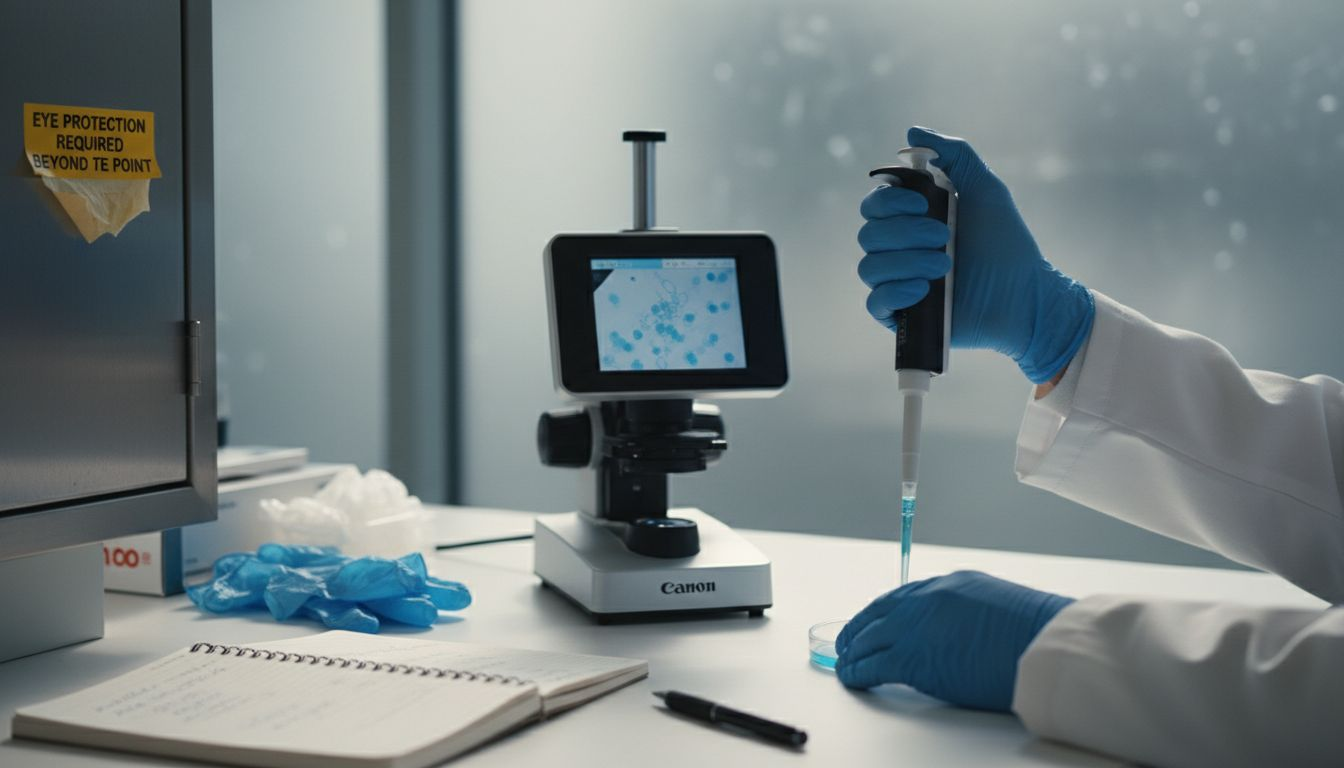
Computational modeling and artificial intelligence have further revolutionized safety testing protocols. Advanced algorithms can now predict potential chemical interactions, skin penetration rates, and potential allergic responses with remarkable accuracy. These digital testing methods dramatically reduce the need for physical experiments, offering a faster, more cost-effective, and completely animal-free approach to product development. By leveraging machine learning and extensive chemical databases, researchers can generate comprehensive safety profiles without causing any animal harm.
Pro Tip for Conscious Researchers: Always verify a brand’s testing methodology by requesting detailed documentation about their non-animal testing protocols and independent certification standards.
Here is a summary of cruelty-free product testing methods:
| Method | Description | Benefits for Safety | Animal Welfare Impact |
|---|---|---|---|
| Cell Culture Techniques | Human cells grown for lab testing | Highly accurate for irritation | Completely avoids animal use |
| Computational Modeling | AI predicts chemical interactions | Fast and cost-effective | Eliminates live animal testing |
| Human Volunteer Testing | Patch testing with consenting adults | Direct real-world safety data | No animals involved |
Real Impact On Animals And The Environment
Consumer choices in beauty products have profound consequences for animal welfare and environmental sustainability, extending far beyond the immediate realm of product testing. When consumers choose cruelty-free brands, they actively participate in a global movement that challenges systemic practices of animal exploitation and environmental degradation.
Animal testing represents more than just laboratory experiments - it’s a complex ecosystem of industrial practices that often involve significant suffering and ecological disruption. Traditional cosmetic testing methods not only subject animals to invasive procedures but also generate substantial waste, chemical contamination, and contribute to broader environmental challenges. By supporting cruelty-free brands, consumers directly reduce demand for these harmful practices, compelling industries to adopt more ethical and sustainable research methodologies.
Technological biases in scientific research can perpetuate systemic harm against animals, creating invisible barriers to genuine animal welfare. Advanced technologies like artificial intelligence and computational modeling offer promising alternatives that minimize animal suffering while providing more accurate, nuanced research outcomes. These innovative approaches demonstrate that ethical considerations and scientific rigor are not mutually exclusive but can actually enhance our understanding of product safety and environmental impact.
Pro Tip for Ethical Consumers: Research brands that demonstrate transparent commitment to animal welfare, prioritizing those with verifiable third-party certifications and comprehensive environmental sustainability reports.
Benefits For Consumers And Entrepreneurs
Cruelty-free cosmetics create unique opportunities that extend far beyond traditional product offerings, providing substantial advantages for both consumers and emerging entrepreneurs in the beauty industry. These ethical products represent a powerful intersection of consumer values and business innovation.
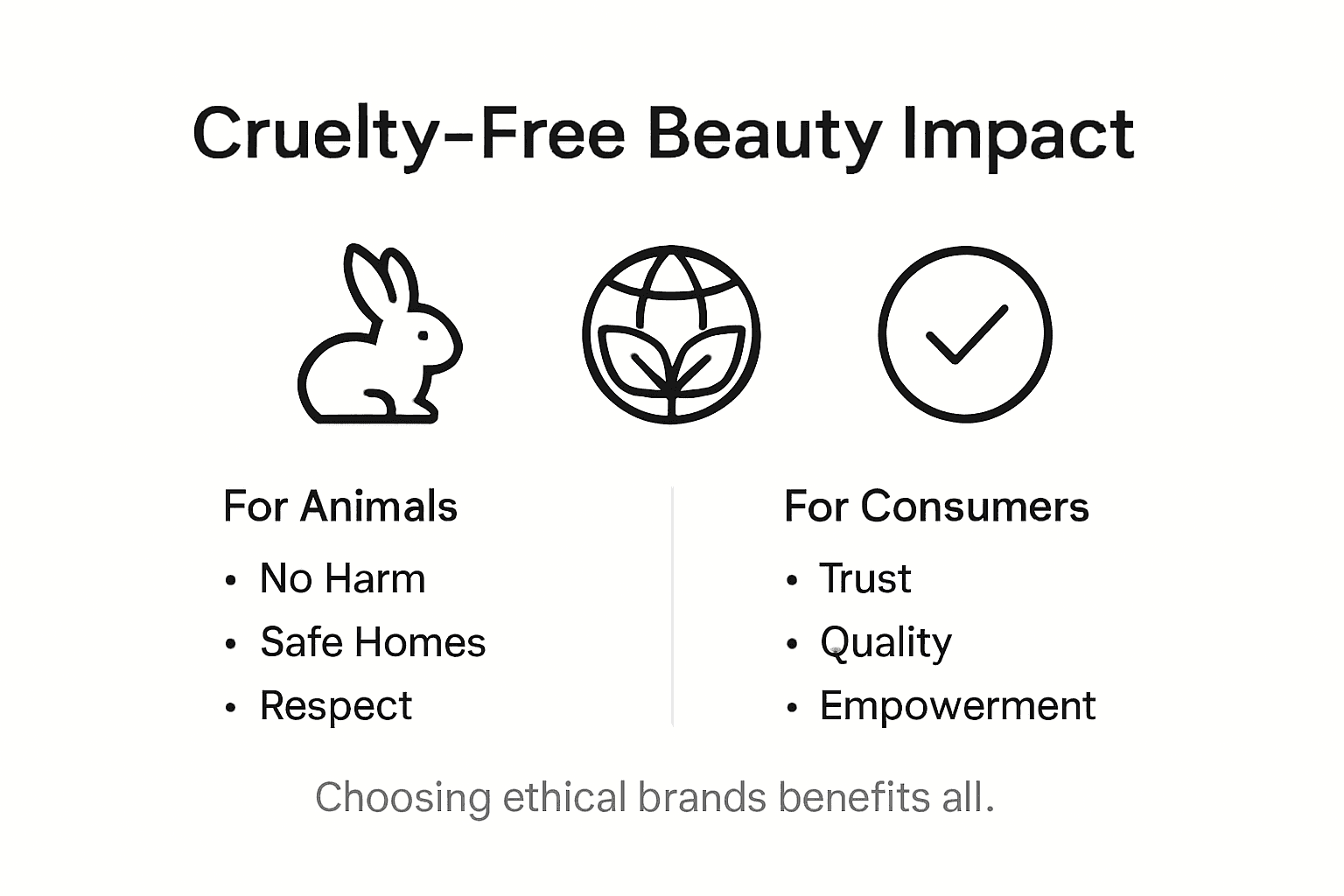
Consumer benefits emerge through multiple dimensions of value. Conscientious buyers gain access to products aligned with their moral principles, experiencing heightened satisfaction from supporting brands that prioritize animal welfare and environmental sustainability. Ethical business practices directly influence consumer purchase intentions, creating a compelling market dynamic where moral considerations become competitive advantages. By choosing cruelty-free products, consumers actively participate in a broader movement of responsible consumption that challenges traditional industry practices.
For entrepreneurs, cruelty-free product lines offer significant market differentiation strategies. Small businesses can distinguish themselves by developing transparent, ethical product ranges that resonate with increasingly sophisticated consumer demographics. These brands can command premium pricing, attract mission-driven customers, and build strong loyalty through genuine commitment to animal welfare and environmental responsibility. The growing awareness around ethical consumption creates unprecedented opportunities for innovative entrepreneurs willing to challenge conventional beauty industry standards.
Pro Tip for Aspiring Beauty Entrepreneurs: Develop a comprehensive narrative around your brand’s ethical commitments, using transparent communication and verifiable certifications to build trust and attract values-driven consumers.
Embrace Cruelty-Free Beauty for Truly Lasting Impact
Choosing cruelty-free products is more than a trend it is a meaningful step toward supporting ethical beauty that respects animals and the environment. The challenges outlined in the article highlight how confusing certification labels and hidden animal testing in supply chains can make it difficult to find genuinely compassionate brands. At Didis Beauty Center you will discover a carefully curated selection of natural vegan skincare designed with transparency and respect for cruelty-free standards. By prioritizing products that align with the highest ethical principles you protect both your skin and your values.
Experience the power of beauty without compromise. From gentle face soaps to brightening lines and toners you can trust Didis Beauty Center to provide effective formulas free from animal testing. We also empower entrepreneurs with ready-to-label packs to launch ethical brands that stand out through authenticity and quality. Don’t settle for products that obscure the truth about animal welfare. Join the growing community of conscious consumers and creators who choose sustainable cruelty-free beauty today.
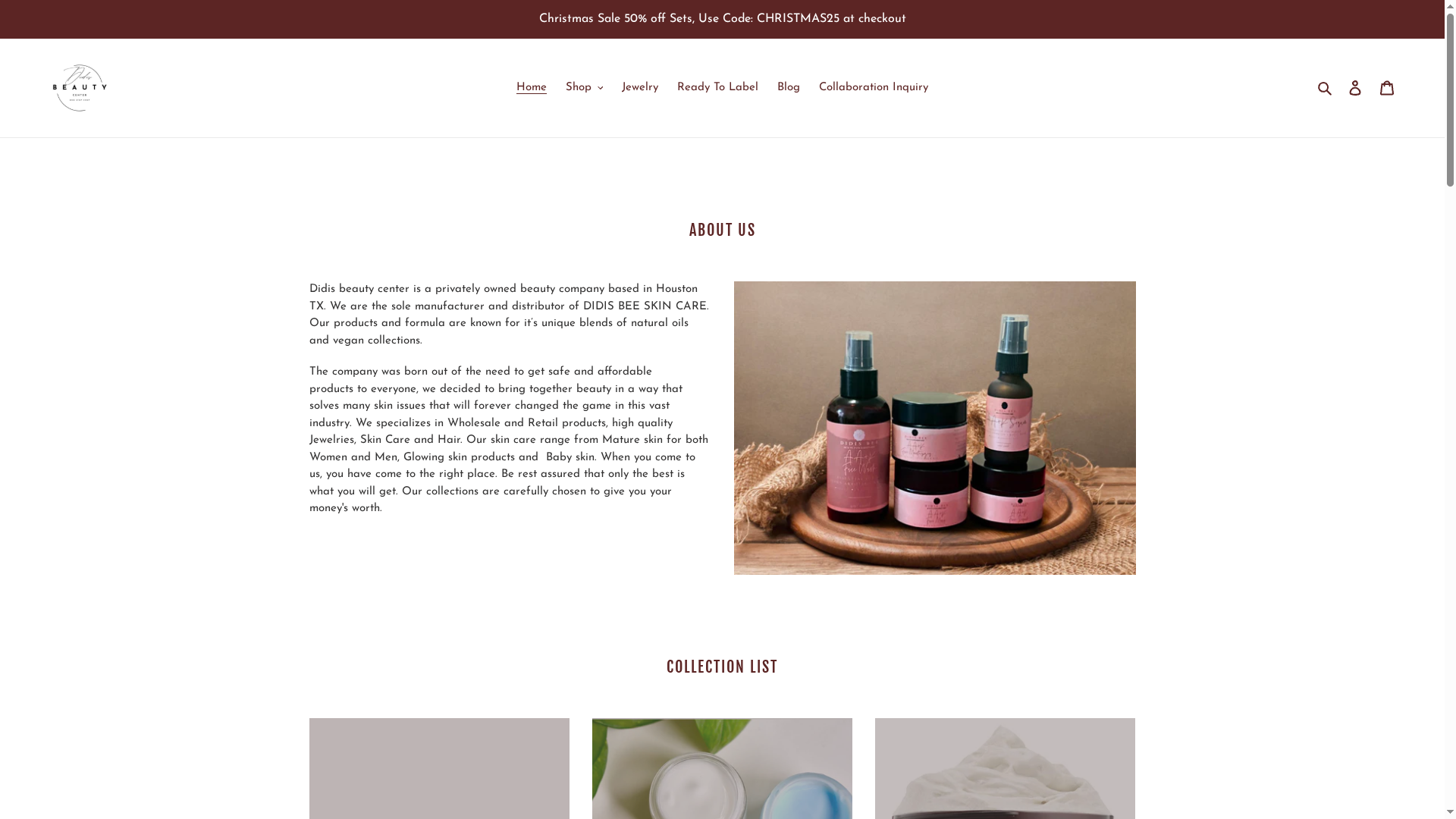
Explore our full range and education resources now at Didis Beauty Center. Make your next skincare purchase an act of kindness and integrity that echoes far beyond your daily routine. Start supporting cruelty-free beauty brands with confidence and take advantage of our seasonal promotions and private labeling opportunities designed to help you succeed.
Frequently Asked Questions
What does it mean for a brand to be cruelty-free?
Cruelty-free brands do not conduct any animal testing at any stage of product development. This commitment covers formulation, ingredient sourcing, and manufacturing processes.
How can I ensure that a product is genuinely cruelty-free?
Look for certification labels such as Leaping Bunny or PETA on the packaging. These organizations verify that brands adhere to strict animal welfare standards.
Are all cruelty-free products free from animal-derived ingredients?
No, many cruelty-free products may still contain animal-derived ingredients. It’s essential to check the ingredient list thoroughly to confirm what the product contains.
What testing methods do cruelty-free brands use instead of animal testing?
Cruelty-free brands utilize advanced non-animal testing methods, including cell culture techniques, computational modeling, and human volunteer testing, to assess product safety without involving animals.
Discourse (0)