


Finding clear answers about regenerative beauty can feel confusing when product labels blur the line between science and marketing. For eco-conscious consumers and beauty entrepreneurs, understanding exactly how regenerative practices impact both your skin and the planet is more important than ever. This guide spotlights regenerative beauty as a proactive approach that seeks to repair and restore ecosystems and skin health while also debunking the hype, giving you real strategies to make better choices for personal care and brand development.
Table of Contents
- Regenerative Beauty Defined and Debunked
- How Regenerative Beauty Differs from Sustainability
- Key Principles and Ingredient Sourcing Methods
- Regenerative Processes in Skincare and Packaging
- Benefits and Challenges for Brands and Consumers
Key Takeaways
| Point | Details |
|---|---|
| Understanding Regenerative Beauty | It focuses on repairing skin tissue and triggering natural healing mechanisms, differentiating from traditional skincare methods. |
| Regenerative vs. Sustainable | Regenerative beauty improves ecosystems and communities, whereas sustainability primarily minimizes harm. |
| Ingredient Sourcing is Key | Prioritize ingredients from suppliers demonstrating measurable positive environmental and social impacts. |
| Transparency Builds Trust | Brands should share verifiable data on their sourcing and regenerative practices to differentiate themselves from competitors. |
Regenerative Beauty Defined and Debunked
Regenerative beauty sits at the intersection of skincare innovation and ecological responsibility, but the term itself means different things depending on who’s using it. At its core, regenerative beauty refers to skincare and cosmetic approaches that actively repair and rebuild skin tissue rather than simply treating surface-level symptoms. Unlike traditional skincare that focuses on hydration, exfoliation, or sun protection, regenerative methods aim to trigger your skin’s own healing mechanisms through biological processes. The field encompasses everything from stimulating collagen production to using advanced ingredients like bioactive peptides and photobiomodulation techniques. For entrepreneurs building brands or consumers evaluating products, understanding what regenerative beauty actually is versus what it claims to be makes all the difference.
Here’s where things get complicated. The buzz around regenerative aesthetics has grown exponentially, with brands making increasingly bold promises about stem cell treatments, exosome therapy, and tissue engineering. However, stem cell and exosome therapies lack consistent, high-quality scientific evidence supporting their efficacy and safety in most cosmetic applications. A systematic review evaluating these techniques found significant gaps in clinical validation and regulatory oversight. This doesn’t mean regenerative approaches are ineffective, but it does mean the current market is flooded with unproven claims. For eco-conscious entrepreneurs particularly, this creates tension: you want to offer innovative solutions, but you also need to build trust through transparency rather than marketing hype. The cosmetics industry still operates with minimal regulation in many regions, making it essential to distinguish between genuinely regenerative formulations and products riding the buzzword trend.
Where regenerative beauty becomes genuinely valuable is when it focuses on skin tissue engineering aimed at addressing underlying aging mechanisms and structural damage. This approach moves beyond cosmetic coverage toward actual physiological repair. Products featuring ingredients that promote collagen synthesis, improve skin barrier function, or enhance cellular turnover represent the practical intersection of regenerative science and accessible beauty. For your brand development, this means prioritizing ingredients and formulations backed by multiple studies rather than single-source marketing claims. The promise of regenerative beauty isn’t in laboratory miracles but in supporting your skin’s natural ability to heal and rebuild over time. When you’re evaluating suppliers or creating your own formulations, ask manufacturers for peer-reviewed research, clinical trial data, and transparent information about ingredient concentrations and mechanisms of action.
Pro tip: When building your beauty brand or selecting products, prioritize manufacturers who openly discuss what their ingredients do at the cellular level and provide links to published research rather than relying solely on trendy terminology like “regenerative” or “anti-aging.”
How Regenerative Beauty Differs from Sustainability
Sustainability and regenerative beauty sound like they occupy the same space, but they’re fundamentally different philosophies. Sustainability in the beauty industry means reducing harm, minimizing waste, and maintaining current environmental conditions. It’s about doing less damage. Think of it as holding the line: using recyclable packaging, sourcing responsibly, avoiding animal testing, and reducing water consumption. These are all critical practices that eco-conscious brands rightfully champion. However, sustainability is essentially defensive. It prevents things from getting worse rather than making them better. A sustainable beauty brand might use recycled bottles and organic ingredients, which is genuinely valuable, but the underlying ecosystems and communities in their supply chain may remain unchanged. Regenerative beauty, by contrast, takes an offensive approach.

Regenerative beauty actively restores and improves natural systems rather than simply preserving them. This means going beyond minimizing negative impacts to actively creating positive environmental and social outcomes. Where sustainability asks “How do we reduce harm?”, regenerative beauty asks “How do we heal what’s been damaged?” This distinction matters enormously for brands and consumers. Regenerative agriculture and supply chains help rebuild soil health and biodiversity, addressing ecological issues systematically. A regenerative brand might source ingredients from farms that practice soil regeneration, work with suppliers to restore degraded land, or invest profits back into community development programs. The commitment extends beyond the product itself to transform entire ecosystems and supply chains. For entrepreneurs building a beauty brand, this represents a strategic difference: sustainability is a baseline expectation, while regeneration is your competitive edge and your contribution to actual environmental healing.
The practical difference shows up in ingredient sourcing, production methods, and brand practices. A sustainable brand uses natural oils responsibly. A regenerative brand partners with suppliers using regenerative farming methods that sequester carbon, increase biodiversity, and strengthen soil while producing those oils. A sustainable brand reduces plastic packaging. A regenerative brand might eliminate packaging waste entirely while ensuring the raw materials were sourced from suppliers who paid workers fairly and invested in community resilience. Both approaches require commitment, but regenerative beauty creates measurable positive change in the systems it touches. For your personal choices as a consumer or your brand strategy as an entrepreneur, ask whether you’re maintaining the status quo or actively improving it. The answer shapes everything from supplier relationships to product development to long-term brand positioning.
Pro tip: When evaluating beauty brands or developing your own, request documentation showing positive ecosystem or community outcomes from suppliers, not just compliance with sustainability standards, to verify genuine regenerative practices.
Here is a clear comparison of sustainability versus regenerative beauty approaches:
| Aspect | Sustainability Approach | Regenerative Beauty Approach |
|---|---|---|
| Environmental Focus | Minimize environmental harm | Actively restore and improve ecosystems |
| Supply Chain Impact | Maintain current conditions | Strengthen communities and biodiversity |
| Brand Philosophy | Mitigate negative effects | Create positive and lasting change |
| Example Practice | Use recycled packaging | Invest in regenerative agriculture |
Key Principles and Ingredient Sourcing Methods
Regenerative beauty operates on a set of core principles that differ fundamentally from conventional cosmetic production. The foundation starts with redefining value by integrating environmental and social capital alongside economic gain. This means ingredient costs reflect not just the market price but the ecological health restored and the labor conditions supported. A regenerative brand looks beyond profit margins to ask whether their supply chain strengthens or weakens the communities and ecosystems involved. The practical application shows up immediately in sourcing decisions. Rather than buying ingredients from the cheapest supplier, regenerative brands partner with producers who demonstrate measurable positive impact. They prioritize regenerative agriculture, ethical harvesting, biodiversity conservation, and reducing carbon footprint throughout their supply chains. For entrepreneurs, this requires transparency at every stage. You need to know where each ingredient comes from, how it was grown or harvested, and what conditions the workers experienced. Consumers increasingly demand this information, and for good reason: it directly affects ingredient quality and brand integrity.
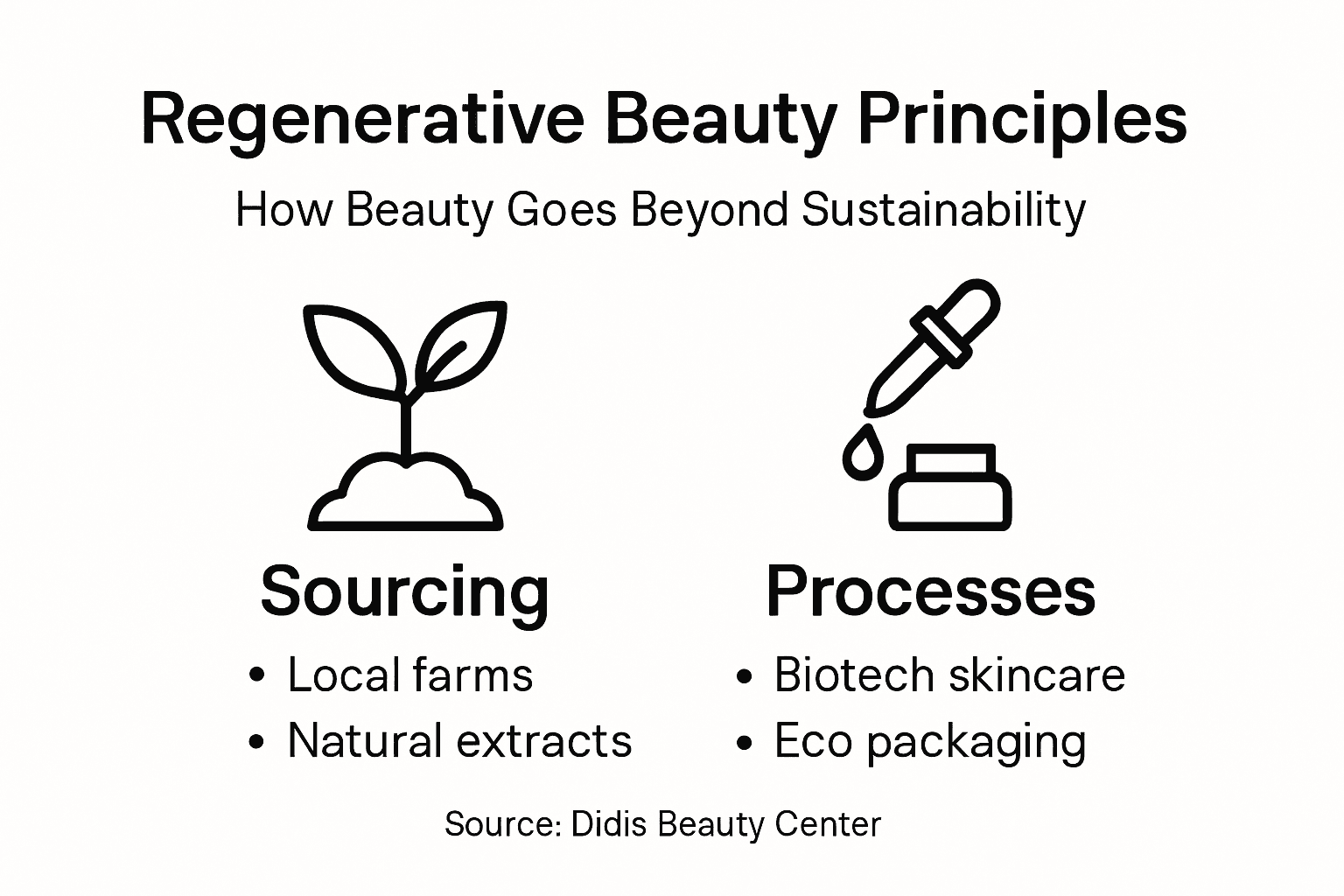
Ingredient sourcing methods in regenerative beauty emphasize transparency and traceability throughout supply chains, ensuring every step from farm to formulation demonstrates environmental and social commitment. This looks different across various ingredients. For botanical oils and plant extracts, regenerative sourcing means partnering with farms practicing agroforestry or permaculture rather than monoculture. Agroforestry integrates trees with crop production, building soil health while producing ingredients. Water conservation becomes integral to the process, whether through rainwater harvesting or drip irrigation systems that reduce waste. Fair trade agreements ensure farmers receive prices that reflect their work and environmental stewardship rather than exploitation. These practices create a ripple effect: healthier soil produces more potent ingredients, stronger communities create more stable supply chains, and restored ecosystems provide long-term crop security. When you’re building your brand or selecting supplier partners, ask for documentation showing these practices, not just certifications.
The intersection of these principles with ingredient efficacy matters more than many brands acknowledge. Ingredients sourced through regenerative methods often demonstrate superior potency because the underlying ecosystems are healthier. A plant grown in regeneratively managed soil with balanced microbiota contains different phytochemical profiles than the same plant grown in chemically depleted fields. This means your skincare formulations become more effective while simultaneously supporting ecological healing. For entrepreneurs at Didis Beauty Center seeking ready-to-label packs or wholesale solutions, this principle should guide your supplier selection. Ask manufacturers about soil regeneration practices at their ingredient sources, water usage statistics, and worker compensation models. Transparency in these areas indicates genuine commitment rather than greenwashing. The brands that thrive long-term combine ingredient efficacy with supply chain integrity, creating products that consumers feel good using and good recommending.
Pro tip: Request third-party certifications like Regenerative Organic Certified or soil health assessments from your ingredient suppliers, then verify these claims with farm visits or video documentation when possible to ensure genuine regenerative practices.
Here is a summary of key regenerative ingredient sourcing criteria for beauty brands:
| Sourcing Factor | Description | Brand Benefit |
|---|---|---|
| Regenerative Agriculture | Ingredients from soil-replenishing farms | Improved ingredient quality |
| Ethical Labor Practices | Fair compensation and worker well-being | Strong supply partnerships |
| Traceability | Full transparency from farm to product | Enhanced consumer trust |
| Third-Party Verification | Independent certifications and audits | Validates brand claims |
Regenerative Processes in Skincare and Packaging
Regenerative skincare formulations operate at the cellular level, using advanced biotechnologies to trigger actual tissue repair rather than temporary cosmetic improvement. Plant stem cells and bioactive peptides form the foundation of many regenerative formulations, working to stimulate collagen production and enhance cellular turnover. These ingredients communicate with your skin cells, essentially telling them to rebuild and restore themselves. Unlike traditional moisturizers that temporarily plump skin or exfoliants that remove dead cells, regenerative ingredients address the underlying mechanisms of aging and damage. They promote what scientists call tissue regeneration, where your skin literally becomes stronger, more resilient, and healthier over time. When you’re evaluating skincare products or developing your own formulations, look for ingredients backed by research on cellular mechanisms, not just marketing claims about “anti-aging” or “rejuvenating.” The difference matters enormously for both efficacy and brand credibility.
Advanced regenerative processes like stem cell therapy and exosome-based therapies represent the cutting edge of skincare biotechnology, targeting cellular regeneration and collagen remodeling for intensive skin repair. These are typically available through professional treatments rather than consumer products, but understanding them helps explain how regenerative beauty works at a scientific level. Exosomes are tiny cellular messengers that carry instructions for healing and renewal. When properly formulated into skincare products or treatments, they facilitate deeper tissue restoration. Platelet-rich plasma therapies work similarly, using your body’s own healing factors to stimulate regeneration. For entrepreneurs and consumers, the key insight is that regenerative skincare operates on biological principles rather than chemical masking. This shift changes everything about product development, pricing, and consumer expectations. Products claiming regenerative benefits should demonstrate these mechanisms through research, clinical studies, or professional endorsements from dermatologists.
Packaging design in regenerative beauty reflects the same commitment to ecological healing that defines the formulations inside. Biodegradable, compostable bioplastics and refillable containers replace traditional single-use plastic, fundamentally reducing the product’s environmental footprint. Some brands go further, using packaging derived from renewable sources like mushroom mycelium or seaweed that actually decompose within months rather than centuries. Refillable systems encourage customers to return containers for refilling, creating circular systems that reduce waste dramatically. The packaging becomes part of the regenerative story: a consumer purchasing a regenerative skincare product receives it in packaging that won’t burden ecosystems for generations. This integration matters for brand positioning and customer loyalty. When building your beauty brand through platforms like Didis Beauty Center’s ready-to-label solutions or wholesale offerings, consider packaging as part of your regenerative commitment, not just a protective container. Consumers increasingly recognize that truly regenerative brands extend their values throughout every aspect of the product lifecycle.
Pro tip: When sourcing packaging for your beauty brand, request samples and decomposition timelines from suppliers, then test the materials yourself or verify third-party compostability certifications before committing to large orders.
Benefits and Challenges for Brands and Consumers
Regenerative beauty creates real advantages for brands willing to invest in the approach. Market differentiation through innovation positions your brand apart from conventional competitors flooding the market with recycled marketing claims. Consumers increasingly recognize the difference between greenwashing and genuine commitment, and they reward brands that demonstrate transparency and measurable impact. A regenerative beauty brand attracts loyal customers who view their purchases as investments in both personal health and planetary health. There’s also the advantage of alignment with what consumers actually want. Market research consistently shows rising demand for ethical, sustainable products, particularly among younger demographics. Brands adopting regenerative practices tap into this momentum early, building customer relationships before competitors catch on. For entrepreneurs using platforms like Didis Beauty Center’s wholesale and private labeling solutions, this means positioning your brand as a leader in regenerative practices rather than following trends. The consumer benefits are equally compelling. Improved skin health results from bioactive regenerative ingredients that actually repair skin at the cellular level rather than masking problems. Consumers gain assurance of ethical sourcing, meaning their purchases support fair labor conditions and ecosystem restoration.
The challenges, however, are substantial and deserve honest acknowledgment. Higher production costs represent the most immediate barrier for brands. Regenerative ingredients, ethical sourcing, sustainable packaging, and transparent supply chains all cost more than conventional alternatives. These costs eventually reach consumers through higher product prices, which can limit market accessibility. Supply chain complexity compounds this problem. You can’t simply order regenerative ingredients from a catalog. Building relationships with regenerative suppliers takes time, requires verification of claims, and often involves smaller-scale production that lacks the economies of scale of industrial agriculture. For brands scaling from small batches to commercial production, these logistical challenges can feel overwhelming. Consumer education presents another significant hurdle, as skepticism about regenerative claims remains widespread and misinformation circulates alongside legitimate innovation. Many consumers don’t understand the difference between regenerative and sustainable practices, or between proven ingredients and hyped claims. This educational gap means brands must invest in content, transparency, and customer communication to overcome skepticism.
Regulatory compliance adds another layer of complexity. Different countries have different definitions of what can be claimed as regenerative, and enforcement remains inconsistent. A brand’s regenerative claims in one market might not be legally acceptable in another. This fragmentation forces brands to develop market-specific strategies while maintaining core regenerative values. There’s also the challenge of long-term verification. Some regenerative processes take years to demonstrate results, making it difficult to provide quick consumer gratification or rapid product turnover. Additionally, standardizing treatment protocols and ensuring long-term safety remains difficult, particularly with emerging biotechnologies like stem cell and exosome therapies. For consumers, this means navigating uncertainty about which products genuinely deliver on regenerative promises. For brands, it means committing to research and clinical validation rather than relying on marketing alone.
Pro tip: Start your regenerative brand journey by documenting every supply chain relationship and environmental impact metric, then share this data transparently with customers through your website and product labeling to build trust and differentiate from competitors making unverified claims.
Discover True Regenerative Beauty with Didis Beauty Center
Struggling to find skincare that not only improves your skin but supports real, lasting regeneration can be overwhelming. The key challenge lies in separating genuine regenerative ingredients that stimulate your skin’s natural healing from unproven claims and buzzwords. At Didis Beauty Center, we focus on high-quality serums proven to promote collagen production and cellular turnover, helping your skin rebuild itself over time. Explore our Serums Collection: Brightening & Wrinkle Recovery Serums – Didis Beauty Center to find formulas backed by science and transparency, perfectly aligned with the regenerative principles discussed.

Take control of your skin’s future today. Whether you are a consumer seeking powerful natural solutions or an entrepreneur ready to build a brand rooted in authentic regenerative beauty, Didis Beauty Center supports your journey with ready-to-label options and eco-conscious products. Visit our Beauty Bundles Collection | 50% Massive Sales – Didis Beauty Center and the main site at https://didisbeautycenter.com now to start embracing skincare that honors your health and the planet. Don’t wait to invest in products that truly support both your skin and the environment.
Frequently Asked Questions
What is regenerative beauty?
Regenerative beauty refers to skincare and cosmetic methods that actively repair and rebuild skin tissue, focusing on triggering the skin’s own healing processes rather than just treating surface-level symptoms.
How does regenerative beauty differ from sustainability in beauty?
While sustainability aims to minimize environmental harm, regenerative beauty goes a step further by actively restoring and improving natural systems and communities, focusing on creating positive outcomes rather than just preventing damage.
What are some key ingredients commonly found in regenerative beauty products?
Key ingredients in regenerative beauty products often include plant stem cells, bioactive peptides, and other elements that promote collagen production, enhance cellular turnover, and support tissue regeneration.
Why should brands prioritize regenerative practices in their products?
Brands should prioritize regenerative practices to differentiate themselves from competitors, meet consumer demand for ethical sourcing, and create genuine positive impact on both skin health and environmental sustainability.
Discourse (0)