


Finding truly vegan skincare can feel confusing when label claims often blur together. For eco-conscious North American shoppers and aspiring brand founders, knowing what vegan really means matters because it reflects both personal and ethical choices. With over 30,000 vegan cosmetic products registered worldwide as of 2023, this article clears up common myths, shows how to recognize authentic vegan formulations, and offers practical tips for choosing and creating affordable products that align with animal-free and sustainable values.
Table of Contents
- Vegan Skincare Defined And Common Myths
- Key Vegan Ingredients And Formulation Standards
- How Vegan Skincare Differs From Clean Beauty
- Certification, Labeling, And Legal Guidelines
- Benefits, Limitations, And Choosing Products
Key Takeaways
| Point | Details |
|---|---|
| Vegan vs. Cruelty-Free | Vegan skincare avoids animal-derived ingredients, while cruelty-free focuses on testing practices; both labels are not interchangeable. |
| Myths about Vegan Skincare | Vegan skincare is effective for all skin types and needs; it’s not just for vegans. |
| Importance of Transparency | Brands must provide accurate documentation and transparency about ingredient sourcing to build consumer trust. |
| Choosing Products | Prioritize the function of ingredients over labels; match specific products to your skin concerns for optimal results. |
Vegan Skincare Defined and Common Myths
Vegan skincare products are formulated without any animal-derived ingredients. That means no beeswax, honey, lanolin, carmine, or squalane sourced from animal products. The category has exploded in popularity, with over 30,000 vegan cosmetic products registered worldwide as of 2023. But here’s where confusion starts for most people. Many consumers think vegan automatically means cruelty-free, and while these terms often appear together, they describe completely different things. Vegan focuses on ingredient sourcing, meaning what’s inside the bottle comes from plants, minerals, or lab-created compounds. Cruelty-free, on the other hand, refers to the testing process, not the ingredients themselves. A product can be cruelty-free but contain animal-derived ingredients like lanolin. Conversely, a product can be vegan but tested on animals (though this is increasingly rare). Understanding this distinction matters because it shapes your purchasing decisions and what values you’re actually supporting. If you care about both eliminating animal ingredients and preventing animal testing, you’ll need products labeled with both certifications, or you can research what cruelty-free skincare actually means to make informed choices aligned with your ethics.
The myths surrounding vegan skincare are surprisingly persistent, and they often prevent people from trying products that could genuinely transform their skin. The biggest misconception is that vegan skincare is only for vegans or people following a plant-based lifestyle. Reality check: vegan skincare is for anyone seeking gentle, effective skincare, regardless of their diet. Another common myth claims vegan products are less effective than traditional formulas, but plant-based ingredients like shea butter and jojoba oil deliver real results. You get hydration, nourishment, and skin-transforming benefits without compromise. Some people also assume vegan products lack preservatives or go bad quickly, leading to concerns about product safety and longevity. This is false. Preservatives are necessary in all skincare products, vegan or not, and vegan formulations use plant-based or synthetic preservatives that keep products stable and safe. The confusion often stems from misunderstanding what “natural” means versus what “vegan” means. A product can be vegan while still containing synthetic preservatives designed for safety, and that’s actually ideal because it ensures the product works as intended without bacterial contamination.
For entrepreneurs interested in starting their own natural beauty brands, understanding these distinctions becomes crucial. When you’re developing formulas or sourcing ready-to-label packs, your marketing needs to reflect what your product actually is. Don’t claim cruelty-free if you haven’t verified your entire supply chain. Don’t market as vegan if a single ingredient comes from animal sources. Consumers aged 25 to 40 in North America are increasingly savvy about these claims, and they research before purchasing. They want transparency about ingredient sources and manufacturing practices. This generation values authenticity over perfection, which means admitting limitations actually builds trust. If your formula contains beeswax because it provides superior emollient properties, own that choice and explain why you chose it. Your customers will respect the honesty more than a false claim. The beauty industry is shifting toward clarity because eco-conscious consumers demand it.
Pro tip: When evaluating vegan skincare products for personal use or your brand, cross-reference ingredient lists with recognized vegan certification organizations rather than relying solely on marketing labels, since terminology remains inconsistently applied across the industry.
Key Vegan Ingredients and Formulation Standards
Building effective vegan skincare formulas requires understanding which ingredients deliver real results without animal sourcing. The most common plant-based alternatives have become industry standards because they actually work. Shea butter provides deep moisturization and skin conditioning that rivals traditional lanolin. Jojoba oil mimics your skin’s natural sebum, making it ideal for balancing moisture levels without clogging pores. Coconut oil offers antimicrobial properties alongside hydration, though some people find it comedogenic depending on skin type. Vitamin E from plant sources acts as a powerful antioxidant and preservative. Hyaluronic acid, despite sounding chemical, is now commonly derived from fermentation rather than animal sources. Glycerin from vegetable sources hydrates and supports skin barrier function. For anti-aging formulas, plant extracts like resveratrol from grapes and green tea polyphenols deliver measurable benefits. These ingredients aren’t just substitutes pretending to work. They’re the backbone of thousands of successful vegan skincare lines because they genuinely transform skin. The key difference in formulation is that you’re working with plant chemistry rather than animal chemistry, which means understanding extraction methods, stability at different pH levels, and how ingredients interact becomes critical.
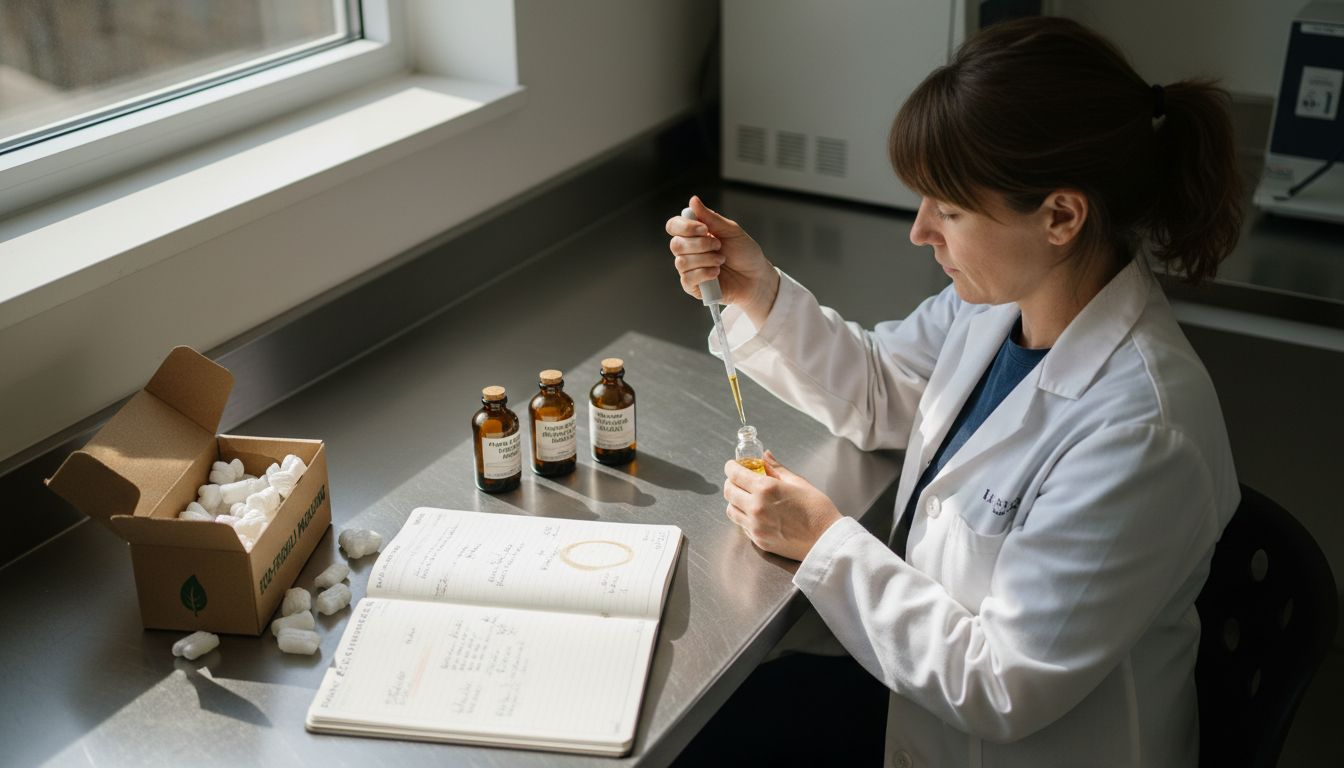
Compliance with vegan standards goes beyond just avoiding animal ingredients. Regulations for vegan products globally focus on accurate ingredient declarations, preventing cross-contamination during manufacturing, and maintaining supply chain traceability documentation that proves your claims. If you’re sourcing ready-to-label packs or developing your own formulas, you need comprehensive records showing where every ingredient comes from and how it was processed. That bottle of jojoba oil needs documentation confirming it wasn’t processed using animal-derived filtering agents. Your manufacturer must verify that equipment wasn’t previously used for animal-derived products without proper cleaning protocols. This sounds tedious, but certification programs exist specifically to validate vegan claims and ensure credibility in the market. Skipping proper documentation might seem like a time-saver initially, but it exposes your brand to costly recalls and damaged reputation if a consumer discovers undisclosed animal derivatives. Small business owners often underestimate this requirement, assuming verbal assurances from suppliers suffice. They don’t. Building trust with eco-conscious consumers means proving your claims through auditable evidence.
The formulation challenges are real but solvable with the right approach. Beeswax, long used for its emulsifying and water-resistant properties, requires plant-based alternatives like candelilla wax or carnauba wax that perform similarly but need different processing temperatures and concentrations. Collagen from animal sources was chosen for its skin-firming benefits, but plant-derived collagen precursors and peptides now deliver comparable results. Cochineal dye sourced from insects must be replaced with plant-based colorants or synthetic alternatives that meet stability requirements. The challenge isn’t finding replacements. It’s reformulating your entire system around these new ingredients. A formula that worked with lanolin might need higher concentrations of plant oils or different emulsifiers to achieve the same texture and shelf stability. When finding wholesale skincare suppliers for your brand, ask directly about their vegan formulation experience and whether they can provide ingredient sourcing documentation. Suppliers experienced in vegan formulations understand these nuances and can guide you through reformulation efficiently. Your investment in proper formulation upfront prevents expensive failures later.
Pro tip: Request ingredient sourcing certificates and processing documentation from your suppliers before committing to any formulation, and verify that manufacturing facilities have separate production lines or rigorous cleaning protocols for vegan products to eliminate cross-contamination risk.
Here’s a reference summary of common vegan skincare ingredients, their typical function, and formulation considerations:
| Ingredient | Function | Formulation Consideration |
|---|---|---|
| Shea Butter | Moisturizes and conditions | May affect texture and stability |
| Jojoba Oil | Balances skin moisture | Non-comedogenic for most skin types |
| Plant Hyaluronic Acid | Hydrates, plumps skin | Requires fermentation sourcing |
| Candelilla Wax | Emulsifier, texture agent | Needs precise processing temperature |
| Plant Glycerin | Skin barrier support | Validate vegetable sourcing |
How Vegan Skincare Differs from Clean Beauty
Vegan and clean beauty sound similar at first glance, but they address completely different concerns. Vegan skincare focuses on ingredient origin, specifically eliminating animal-derived components for ethical reasons centered on animal welfare. Clean beauty focuses on ingredient safety, avoiding potentially harmful chemicals and prioritizing transparency about what’s actually in the product. These are two separate movements with different motivations, and understanding the distinction matters whether you’re shopping for yourself or building a product line. A product can be vegan but still contain synthetic preservatives or chemical UV filters that clean beauty advocates would avoid. Conversely, a clean beauty product might contain lanolin or beeswax, which are considered safe ingredients but fail the vegan requirement. Think of vegan as answering the question “where did this come from?” while clean beauty answers “is this safe for my skin and the environment?” Some products are both vegan and clean, but that overlap happens by design, not by default. When you see marketing claiming both attributes, the brand has intentionally sourced plant-based ingredients that also meet clean beauty standards for safety and non-toxicity.
The clean beauty movement emerged largely from consumer concern about synthetic chemicals and their potential health impacts. Brands in this space avoid parabens, phthalates, sulfates, synthetic fragrances, and numerous other ingredients classified as potentially problematic. The emphasis is on skin safety first. A clean beauty formula might use naturally derived preservatives or synthetic ones deemed extremely safe by dermatological standards. The ingredient list reflects careful attention to safety research rather than animal welfare ethics. You might find a clean beauty product that uses beeswax because dermatologists confirm it’s safe and effective, without considering the ethical implications of bee farming. Meanwhile, the vegan skincare movement prioritizes animal rights and environmental impact of animal agriculture. A vegan brand might choose a synthetic preservative over a naturally derived one if the natural option involves animal processing. The philosophical foundation differs. Clean beauty asks “will this hurt the person using it?” Vegan beauty asks “does producing this hurt animals or contribute to environmental destruction from animal agriculture?” Both are valid concerns, but they’re not the same concern. Understanding this distinction helps you communicate authentically with your target audience. If your brand prioritizes reducing synthetic chemicals, own that as your core value. If you prioritize animal welfare, communicate that clearly. Don’t conflate the two unless your formulation actually achieves both standards.
For entrepreneurs, this distinction becomes crucial when developing your brand identity and marketing claims. Clean beauty emphasizes ingredient safety and transparency, while vegan focuses exclusively on excluding animal ingredients. A consumer seeking to reduce chemical exposure needs different assurances than one concerned with animal ethics. When sourcing ready-to-label packs or developing formulas, decide which movement aligns with your brand values and your target audience’s priorities. Are you appealing to the North American consumer concerned about synthetic chemicals on their face, or the eco-conscious customer who wants to know no animals were harmed in production? Both audiences exist and both are growing, but they respond to different messaging. A product can’t authentically claim both positions without actually delivering both. If you’re using conventional synthetic preservatives, you can’t market as clean beauty to safety-conscious consumers. If you’re using animal-derived ingredients, you can’t claim vegan status. Successful brands choose their lane, execute it thoroughly, and build trust through consistent delivery. You might even consider understanding cruelty-free skincare choices as a third dimension to your brand positioning, since that adds another layer addressing testing practices.
Pro tip: When positioning your brand, choose either clean beauty or vegan as your primary differentiator based on your actual formulation and your target audience’s core concern, then pursue that position authentically rather than claiming both unless your formula genuinely delivers on both standards.
Here’s a comparison of vegan, clean beauty, and cruelty-free skincare claims to clarify their distinctions:
| Claim Type | What It Guarantees | Common Misunderstandings | Key Business Impact |
|---|---|---|---|
| Vegan | No animal-derived ingredients | Assumed cruelty-free | Requires ingredient tracking |
| Clean Beauty | Avoids harmful synthetic chemicals | Thought to exclude animal products | Needs safety validation |
| Cruelty-Free | No animal testing | Assumed vegan and natural | Must verify testing procedures |
Certification, Labeling, and Legal Guidelines
If you’re launching a vegan skincare brand, certification matters more than you might think. Consumers aged 25 to 40 in North America have learned to be skeptical of marketing claims. A product labeled “vegan” without third-party verification means nothing legally. Any company can slap that word on packaging, which is why recognized certification programs exist to validate claims. The most established certifications are the Vegan Trademark and the Certified Vegan Logo, both managed by organizations with strict auditing processes. The Vegan Trademark is internationally recognized and verifies that products contain no animal-derived ingredients and are not tested on animals. The certification process involves rigorous ingredient and manufacturing audits that examine your entire supply chain for transparency and compliance. When a consumer sees that logo on a bottle, they know an independent third party has verified the claim. The Certified Vegan Logo, managed by the Vegan Awareness Foundation, certifies products free from animal products and by-products while prohibiting animal testing after 2009. Getting either certification requires more work than simply formulating a vegan product. You need documentation proving every ingredient’s origin, manufacturing processes, and supplier transparency. Cross-contamination prevention becomes non-negotiable. If you’re using shared production facilities, you must implement rigorous cleaning protocols between vegan and non-vegan batches to ensure no animal-derived residue contaminates your products.
Labeling accuracy is where many small brand owners run into trouble. You can’t say “vegan” unless you’ve verified every single ingredient. You can’t use certification logos without actually holding that certification. The regulatory landscape varies between the United States and Canada, but both countries require accurate ingredient declarations on cosmetic labels. If you’re selling across borders, you need to understand each market’s specific requirements. Health Canada has different labeling standards than the FDA. Neither allows misleading ingredient claims, and both can issue recalls for false advertising. What seems like a harmless marketing exaggeration can become a costly legal problem. A customer who discovers an undisclosed animal ingredient might sue for false advertising. Regulatory agencies might fine you for misrepresentation. Your brand reputation suffers damage that costs far more than the initial penalty. The solution is straightforward but requires diligence. Work with your supplier or manufacturer to obtain complete documentation for every ingredient. Create an internal audit process that verifies vegan status before products reach the market. Include ingredient sourcing certificates in your records, even if you never display them publicly. When problems arise during audits or customer inquiries, you can produce evidence supporting your claims. This documentation also becomes essential if you ever seek certification from the Vegan Trademark or similar vegan certification standards, since both organizations require comprehensive supply chain records.
For entrepreneurs developing private label or ready-to-label products, certification decisions should influence your sourcing choices from day one. Choosing a manufacturer experienced in certified vegan production costs slightly more upfront but eliminates uncertainty later. They understand cleaning protocols, ingredient documentation, and certification requirements because they navigate them regularly. You gain a partner who helps you avoid costly mistakes. If you’re uncertain about certification’s value, consider your target market. Eco-conscious consumers actively seek certified products because they’ve learned that unverified claims are unreliable. A certified product commands premium pricing because consumers trust it. Your investment in certification pays dividends through customer loyalty and reduced liability exposure. Even if you choose not to pursue formal certification initially, maintaining certification-level documentation protects your business. You’re building the infrastructure necessary for growth. When you scale from selling locally to approaching retailers or expanding into online wholesale, certification becomes a competitive advantage. Major retailers often require it. Having that documentation ready means you can respond quickly to opportunities without scrambling to reorganize your supply chain. The legal reality is that vegan claims require substantiation, whether that comes from formal certification or your own meticulous records. Choose the path that aligns with your resources, but choose one deliberately.
Pro tip: Start collecting ingredient sourcing documentation and supplier certifications immediately, even before pursuing formal vegan certification, so you build a documented foundation that positions your brand for growth and protects against liability from unsubstantiated claims.
Benefits, Limitations, and Choosing Products
Vegan skincare delivers real benefits, but not in the way marketing sometimes suggests. The science is straightforward. Plant-based ingredients contain antioxidants, vitamins, and fatty acids that your skin actually needs. Shea butter provides ceramides that repair your skin barrier. Vitamin C from kakadu plum brightens and boosts collagen production. Hyaluronic acid derived from fermentation holds moisture in your skin, plumping fine lines. These aren’t marketing claims. They’re the same benefits you’d get from animal-derived versions, except without the ethical complications. Beyond individual ingredients, choosing vegan skincare often means choosing products formulated with more care. Brands committed to vegan standards tend to be smaller, more focused operations that prioritize ingredient quality. You’re less likely to encounter products loaded with fillers and fragrance simply to keep costs down. The business model often supports this. A vegan brand attracts customers specifically interested in that positioning, which means those customers will pay premium prices for quality. That customer loyalty funds better ingredients. The broader benefit extends to the environment and animal welfare. You’re supporting a supply chain that doesn’t depend on industrial animal agriculture. That matters if your purchasing decisions reflect your values. Understanding how plant-based antioxidants and nutrients support skin health helps you make informed choices about which products actually work for your skin type rather than relying on marketing hype.
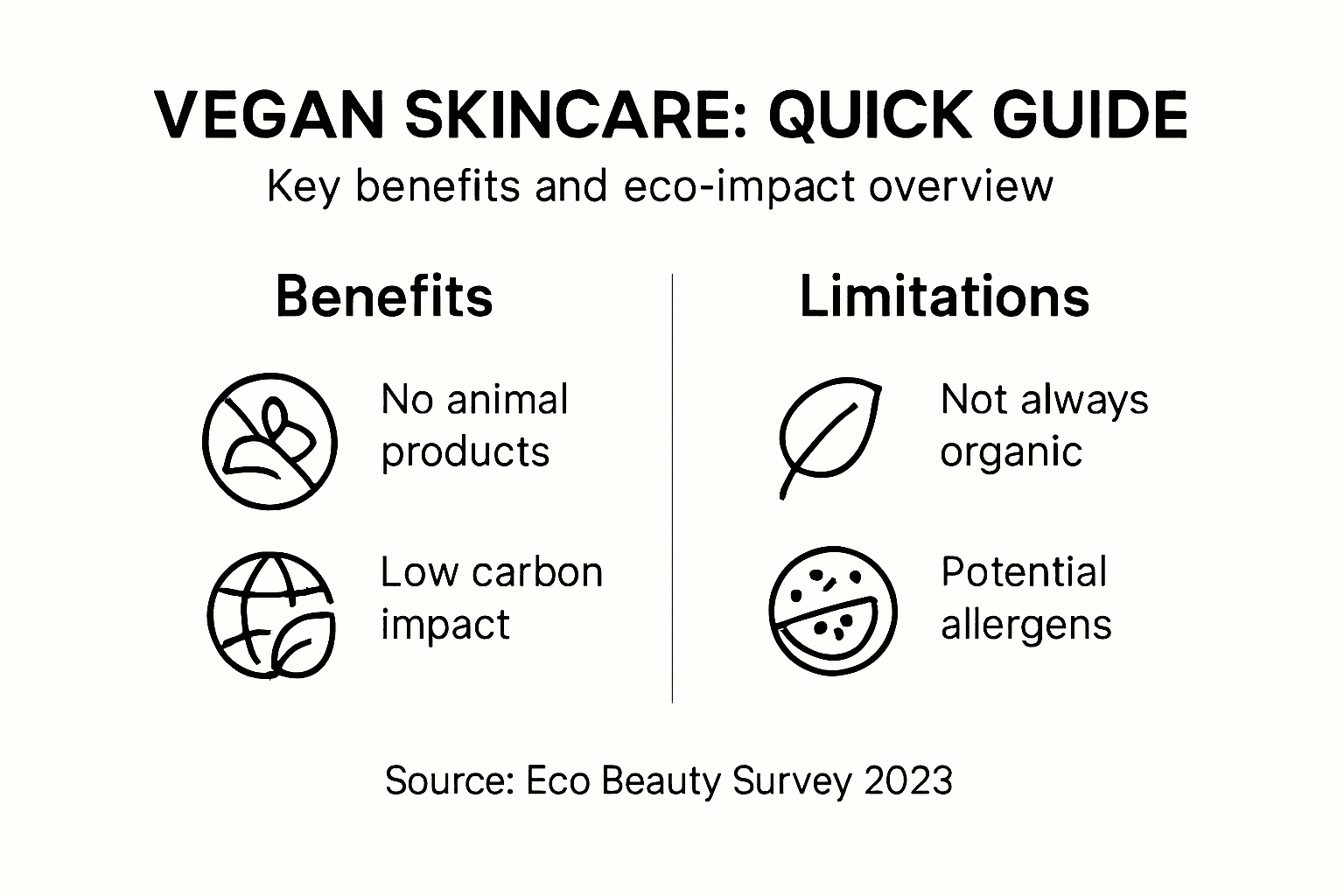
But here’s what matters equally: limitations exist, and ignoring them leads to disappointment. Vegan skincare is not automatically better than conventional skincare. A well-formulated product containing lanolin will outperform a poorly formulated vegan product every time. The animal origin of an ingredient doesn’t determine its efficacy. Quality formulation does. A vegan product with unstable vitamin C and inadequate pH will disappoint you. A conventional product with optimal stabilization and proven penetration enhancement will deliver results. What you actually need is a product formulated correctly for your specific skin type and concern. Some people have legitimate sensitivities to common plant-based ingredients. Coconut oil causes breakouts in many people despite being vegan. Plant proteins can trigger reactions in sensitive skin. An animal-derived ingredient might actually be your best option if that’s what your skin tolerates. The most honest vegan brand acknowledges this reality. They don’t claim their products work for everyone. They specify which skin types benefit from their formulations and recommend patch testing before full application. Be skeptical of any brand claiming universal effectiveness, vegan or not.
Choosing products effectively requires moving beyond labels. Start with your actual skin concerns. Are you fighting breakouts, dryness, sensitivity, or signs of aging? Different problems require different ingredients. Someone with inflammatory acne needs calming ingredients like centella asiatica and niacinamide. Someone with dehydrated skin needs humectants like glycerin and hyaluronic acid. Someone with eczema needs barrier-repairing ingredients like ceramides and omega fatty acids. Your skin type matters too. Oily skin tolerates lighter plant oils like jojoba. Dry skin benefits from richer options like rosehip or marula. Sensitive skin might react to fragrant essential oils even if they’re plant-derived. Once you understand your needs, read ingredient lists carefully. Look for active ingredients listed before emollients and fillers. Check the order. If shea butter appears third while water appears first, that’s mostly water with minimal shea butter. Research unfamiliar ingredients. Don’t assume something is effective just because it’s vegan or natural. Look for products that have been tested or studied for the specific benefit they claim. Consider patch testing before committing to a full-size product. A sample or trial size costs less than discovering incompatibility with your skin after purchasing a full bottle. This approach works whether you’re shopping for personal use or developing products for your brand. The most successful vegan skincare companies obsess over formulation quality and honest ingredient transparency because they understand that vegan certification alone doesn’t guarantee customer satisfaction. Customer satisfaction drives loyalty and word-of-mouth marketing.
Pro tip: Prioritize ingredient function over vegan status when choosing products, and match specific ingredients to your skin concerns rather than selecting products based solely on marketing claims or certification badges.
Embrace the Power of Vegan Skincare for a Truly Eco-Conscious Beauty Routine
Understanding the true meaning of vegan skincare means recognizing the challenge of finding products that are both ethically made and effective for your skin. If you struggle with confusing labels or want to avoid hidden animal-derived ingredients, choosing high-quality, transparent options is key. Didis Beauty Center offers a curated Skin Care Collection featuring natural, vegan formulations that prioritize plant-based ingredients like shea butter and jojoba oil proven to nourish your skin deeply. Our selection supports your values without compromising on performance or safety.
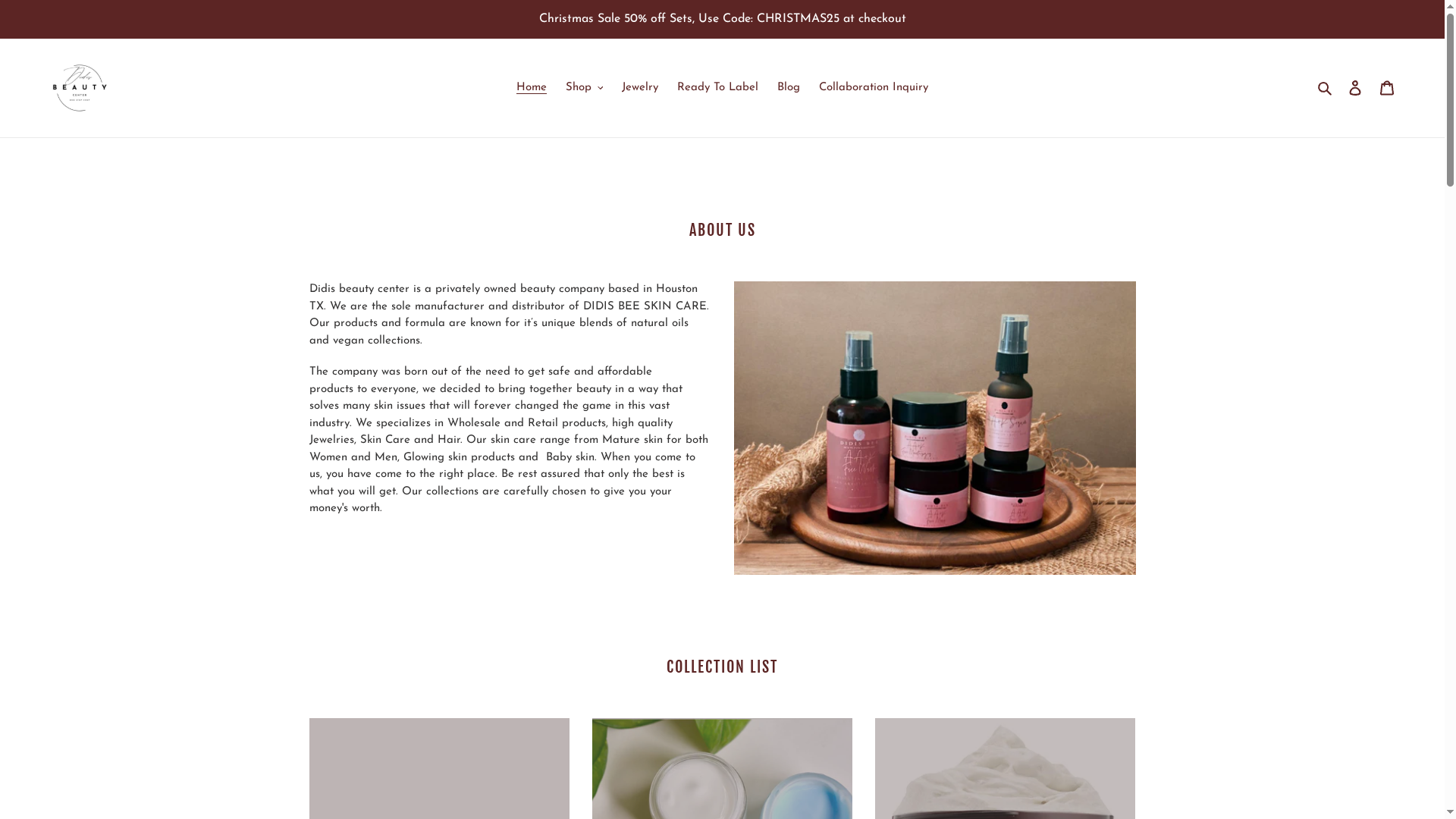
Take control of your eco-conscious beauty journey today by exploring our Oils Collection: Skincare Oils for Face & Body and Cream Collection - Skincare & Moisturizers for Face & Beard. Whether you are a consumer seeking gentle yet effective skincare or an entrepreneur launching your own vegan brand, we provide safe, affordable solutions verified with transparency. Visit Didis Beauty Center now for trusted vegan beauty products that align with your ethical standards and skin wellness goals.
Frequently Asked Questions
What is vegan skincare?
Vegan skincare refers to products formulated without any animal-derived ingredients, such as beeswax, honey, and lanolin, using only plant-based or lab-created components.
How does vegan skincare differ from cruelty-free products?
Vegan skincare focuses on the sourcing of ingredients, ensuring they are free from animal products, while cruelty-free refers to products that are not tested on animals. A product can be vegan but not cruelty-free, and vice versa.
Are vegan skincare products less effective than traditional ones?
No, many plant-based ingredients in vegan skincare, like shea butter and jojoba oil, deliver effective results, providing hydration and nourishment for the skin without compromising quality.
What should I consider when choosing vegan skincare products?
When selecting vegan skincare products, prioritize ingredient function that suits your specific skin needs over the vegan label alone, and check for quality formulations and active ingredients that can address your skin concerns.
Recommended
- Eco-Friendly Skincare: Why It Matters for You – Didis Beauty Center
- Eco-Friendly Skincare: Why It Matters for You – Didis Beauty Center
- 7 Essential Eco-Friendly Beauty Tips for Natural Skincare – Didis Beauty Center
- 7 Essential Eco-Friendly Beauty Tips for Natural Skincare – Didis Beauty Center
- Vegan Skincare Explained: Real Benefits and Impact
Discourse (0)