


Most American consumers believe natural ingredients always equal sustainability, yet large-scale harvesting can actually damage ecosystems. As eco-conscious shoppers and new beauty entrepreneurs rethink their impact, understanding what truly makes a product sustainable becomes critical. This article sheds light on misconceptions, key practices, and simple certifications, helping you confidently choose skincare that supports ethical production, environmental health, and social responsibility.
Table of Contents
- Defining Sustainable Beauty And Misconceptions
- Types Of Sustainable Beauty Practices
- Key Characteristics Of Eco-Conscious Products
- Certifications And Industry Standards
- Risks Of Greenwashing And Cost Implications
- Comparing Sustainable And Conventional Beauty
Key Takeaways
| Point | Details |
|---|---|
| Sustainable Beauty Philosophy | Sustainable beauty focuses on environmental preservation, ethical production, and conscious consumption throughout the entire product lifecycle. |
| Certification Importance | Consumers should seek credible certifications to verify sustainable practices and avoid greenwashing. |
| Economic Viability | Sustainable beauty products can be both effective and economically viable, challenging the misconception that they are always more expensive. |
| Consumer Expectations | There is a growing demand for transparency and ethical sourcing as consumers increasingly prioritize sustainability in their purchasing decisions. |
Defining Sustainable Beauty and Misconceptions
Sustainable beauty represents a holistic approach to skincare and cosmetics that goes far beyond traditional product development. Consumer interpretations of sustainability vary widely, creating a complex landscape of expectations and practices. At its core, sustainable beauty encompasses environmental preservation, ethical production, and conscious consumption.
The concept integrates multiple dimensions: environmental impact, social responsibility, and economic fairness. Unlike traditional beauty approaches, sustainable beauty considers the entire lifecycle of a product - from ingredient sourcing and manufacturing to packaging and disposal. This comprehensive perspective means evaluating how each product affects planetary health, worker conditions, and local communities. Natural ingredients do not automatically guarantee sustainability, as large-scale harvesting can potentially damage ecosystems.
Common misconceptions about sustainable beauty include believing that eco-friendly products are always more expensive or less effective than conventional alternatives. In reality, sustainable beauty practices can be both economically viable and performance-driven. Consumers are increasingly demanding transparency, ethical sourcing, and minimal environmental footprint from beauty brands.
Pro tip: When evaluating sustainable beauty products, look beyond marketing claims and research the brand’s actual environmental and social commitments.
Types of Sustainable Beauty Practices
Sustainable beauty involves a comprehensive approach to developing and consuming cosmetic products that minimize environmental impact and promote ethical practices. Sustainable practices span multiple dimensions of product development, from ingredient sourcing to final packaging.
The primary types of sustainable beauty practices include several key strategies. Cruelty-free production remains a fundamental approach, ensuring no animal testing occurs during product development. Eco-friendly packaging has emerged as another critical practice, with brands increasingly adopting biodegradable materials, refillable containers, and plastic-free solutions. Many companies now design packaging that can be composted, recycled, or reused, dramatically reducing waste in the beauty industry.
Natural ingredient sourcing represents another significant sustainable beauty practice. This involves selecting ingredients that are organically grown, ethically harvested, and sourced from suppliers who maintain fair labor practices and minimize environmental disruption. Sustainable supply chain management has become crucial, with brands focusing on transparent sourcing and supporting local communities.
Pro tip: Check product labels for certifications like Leaping Bunny, USDA Organic, or Fair Trade to verify authentic sustainable beauty practices.
Key Characteristics of Eco-Conscious Products
Eco-conscious beauty products distinguish themselves through a comprehensive approach that prioritizes environmental sustainability and ethical production. Innovative sustainable ingredient technologies are transforming how cosmetic products are conceptualized, developed, and manufactured, moving beyond traditional beauty industry practices.
The core characteristics of these products include several critical components. Sustainable ingredient sourcing remains paramount, with brands increasingly utilizing plant-based, recycled, and biotechnologically derived materials that minimize ecological impact. These ingredients are carefully selected to ensure they do not compromise product effectiveness while maintaining stringent environmental standards. Upcycled components, derived from agricultural waste or byproducts, are becoming increasingly sophisticated, allowing brands to create high-performance formulations with reduced environmental footprint.

Zero-waste formulation strategies represent another fundamental characteristic of eco-conscious products. This approach encompasses everything from biodegradable packaging to concentrated formulas that reduce overall material consumption. Brands are developing innovative solutions that consider the entire product lifecycle, ensuring minimal waste and maximum resource efficiency. Advanced green chemistry techniques enable the creation of products that are not just environmentally friendly, but also scientifically sophisticated and highly effective.
Pro tip: Always examine product packaging for clear sustainability certifications and look for transparent information about ingredient sourcing and environmental impact.
Certifications and Industry Standards
Sustainable beauty certifications serve as critical navigational tools for consumers seeking authentic environmentally responsible products. Sustainability certification landscape has become increasingly complex, with multiple specialized standards emerging to validate different aspects of ecological and ethical production.
Key certifications address various dimensions of sustainable beauty practices. Cruelty-free certifications like Leaping Bunny provide assurance that no animal testing occurred during product development. Organic certifications such as Ecocert and Soil Association verify the natural origin and organic percentage of ingredients. These standards help consumers distinguish genuine sustainable products from misleading marketing claims, ensuring transparency and accountability in the beauty industry.
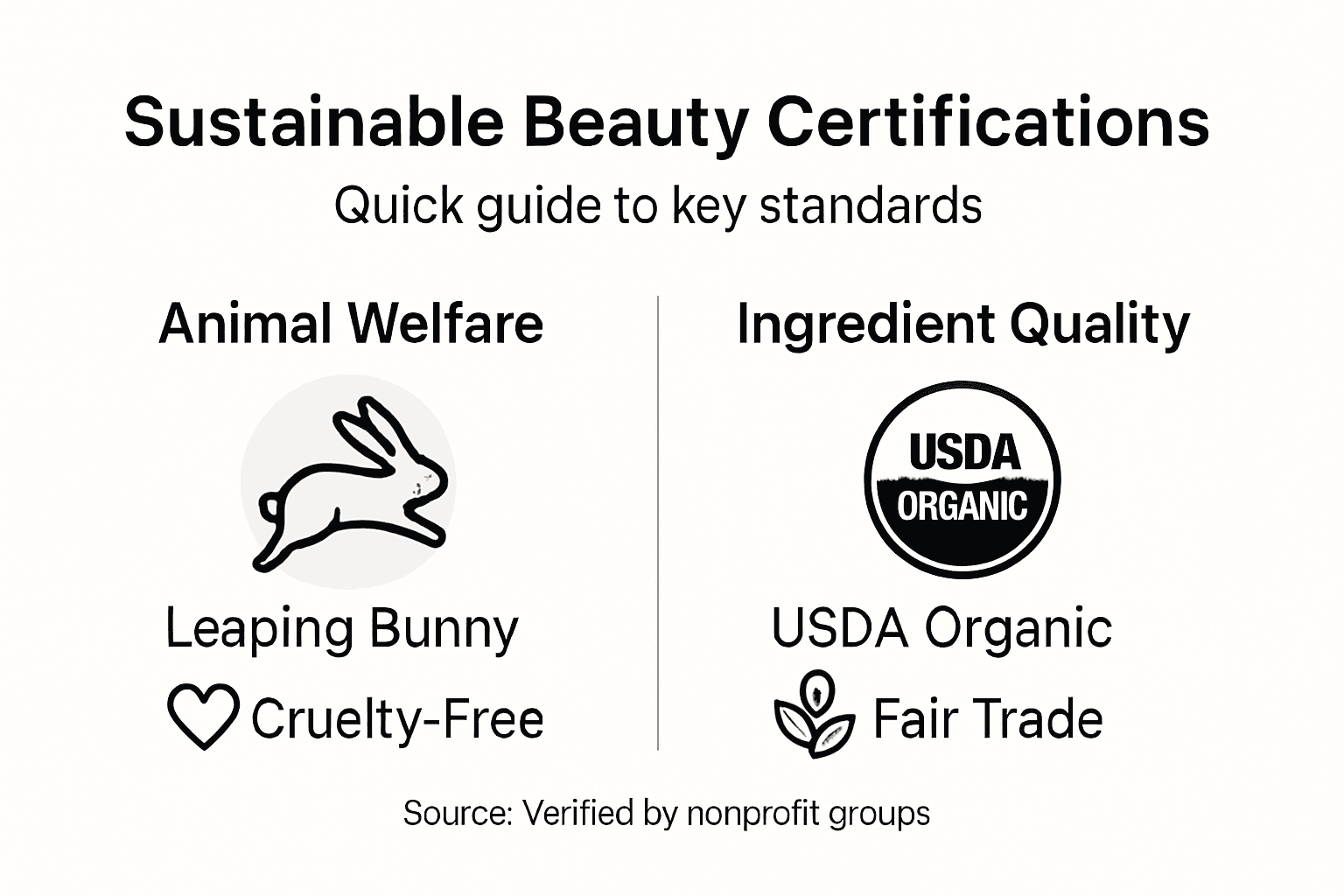
Global sustainability certification standards also encompass broader social and environmental impact. B Corp certification, for instance, evaluates a company’s entire operational ecosystem, including worker treatment, environmental practices, and community engagement. Fair Trade certifications guarantee ethical sourcing practices, ensuring fair compensation and safe working conditions for agricultural and manufacturing workers. Rainforest Alliance certification further supports responsible farming practices that protect biodiversity and local ecosystems.
Pro tip: Develop a quick checklist of key certifications to look for when purchasing beauty products, prioritizing those that align with your personal sustainability values.
Here’s a quick summary of key sustainable beauty certifications and what they assure consumers:
| Certification | Focus Area | What It Ensures |
|---|---|---|
| Leaping Bunny | Cruelty-free | No animal testing at any stage |
| USDA Organic | Organic agriculture | High organic content, strict farming |
| Ecocert | Natural/organic origin | Limited synthetics, traceable supply |
| Fair Trade | Social responsibility | Fair pay, safe labor conditions |
| Rainforest Alliance | Biodiversity | Eco-friendly farming, habitat protection |
| B Corp | Overall sustainability | High standards in social and eco impact |
Risks of Greenwashing and Cost Implications
Greenwashing represents a significant challenge in the sustainable beauty landscape, where brands manipulate marketing narratives to appear more environmentally responsible than they truly are. Corporate greenwashing detection strategies have become increasingly crucial for protecting consumer interests and maintaining industry integrity.
Deceptive marketing practices often involve using vague environmental claims, selective transparency, and misleading imagery to create an illusion of sustainability. These tactics can include highlighting a single eco-friendly aspect while ignoring broader environmental impacts, or using green-tinted packaging that suggests sustainability without substantive changes to production processes. Consumers face the challenge of distinguishing genuine sustainable efforts from superficial marketing strategies that merely exploit environmental consciousness.
Technological innovations for transparency are emerging as powerful tools to combat greenwashing. Blockchain and artificial intelligence technologies offer potential solutions for tracking product origins, verifying sustainability claims, and providing unprecedented transparency. The cost implications of genuine sustainable practices can be significant, often resulting in higher product prices due to ethical sourcing, advanced manufacturing techniques, and comprehensive environmental considerations. However, these increased costs reflect the true environmental and social value of responsibly produced beauty products.
Pro tip: Always cross-reference sustainability claims with independent certifications and look for detailed, specific information about a brand’s environmental practices.
Comparing Sustainable and Conventional Beauty
Sustainable beauty and conventional beauty approaches represent fundamentally different paradigms in product development, environmental responsibility, and consumer engagement. Consumer attitudes toward sustainable products reveal a growing willingness to invest in environmentally conscious alternatives, despite potential price premiums.
Ingredient sourcing marks a critical point of divergence between sustainable and conventional beauty practices. Conventional beauty products often rely on synthetic chemicals, petroleum-based ingredients, and manufacturing processes that generate significant environmental waste. In contrast, sustainable beauty brands prioritize natural, organic, and ethically sourced ingredients that minimize ecological disruption. These sustainable approaches typically involve more complex supply chains, careful cultivation practices, and rigorous screening of raw materials to ensure minimal environmental impact.
Production cost dynamics illuminate the economic challenges of sustainable beauty. Sustainable products generally incur higher production expenses due to ethical sourcing, organic certification, environmentally friendly packaging, and advanced green manufacturing techniques. While these increased costs might translate to higher retail prices, younger consumer generations demonstrate a remarkable readiness to pay premium prices for products that align with their environmental and social values. This shift represents a profound transformation in consumer expectations, where environmental consciousness increasingly trumps traditional price sensitivity.
Compare how sustainable beauty and conventional beauty differ across major criteria:
| Criterion | Sustainable Beauty | Conventional Beauty |
|---|---|---|
| Ingredient Sources | Ethically harvested, natural, traceable | Synthetic, mass-produced, less transparency |
| Packaging | Biodegradable, refillable, minimal | Single-use, plastic, landfill-heavy |
| Environmental Impact | Lower resource use, reduced waste | Higher pollution, more waste |
| Production Costs | Higher due to certifications, ethics | Lower from large-scale processes |
| Consumer Appeal | Values-driven shoppers pay premiums | Price/brand focused consumers |
Pro tip: Compare ingredient lists between sustainable and conventional products, focusing on transparency, natural content, and third-party certifications to make informed purchasing decisions.
Embrace Sustainable Beauty Today for Healthier Skin and a Greener Planet
The challenge of navigating sustainable beauty can feel overwhelming with all its layers of ingredient sourcing, eco-friendly packaging, and ethical production. If you want to make a real impact while caring for your skin, choosing products that truly align with these principles is key. Explore our Beauty Bundles Collection | 50% Massive Sales – Didis Beauty Center for expertly curated sets that combine natural formulations and eco-conscious values. Our collections prioritize cruelty-free, ethically sourced ingredients that deliver both performance and peace of mind.
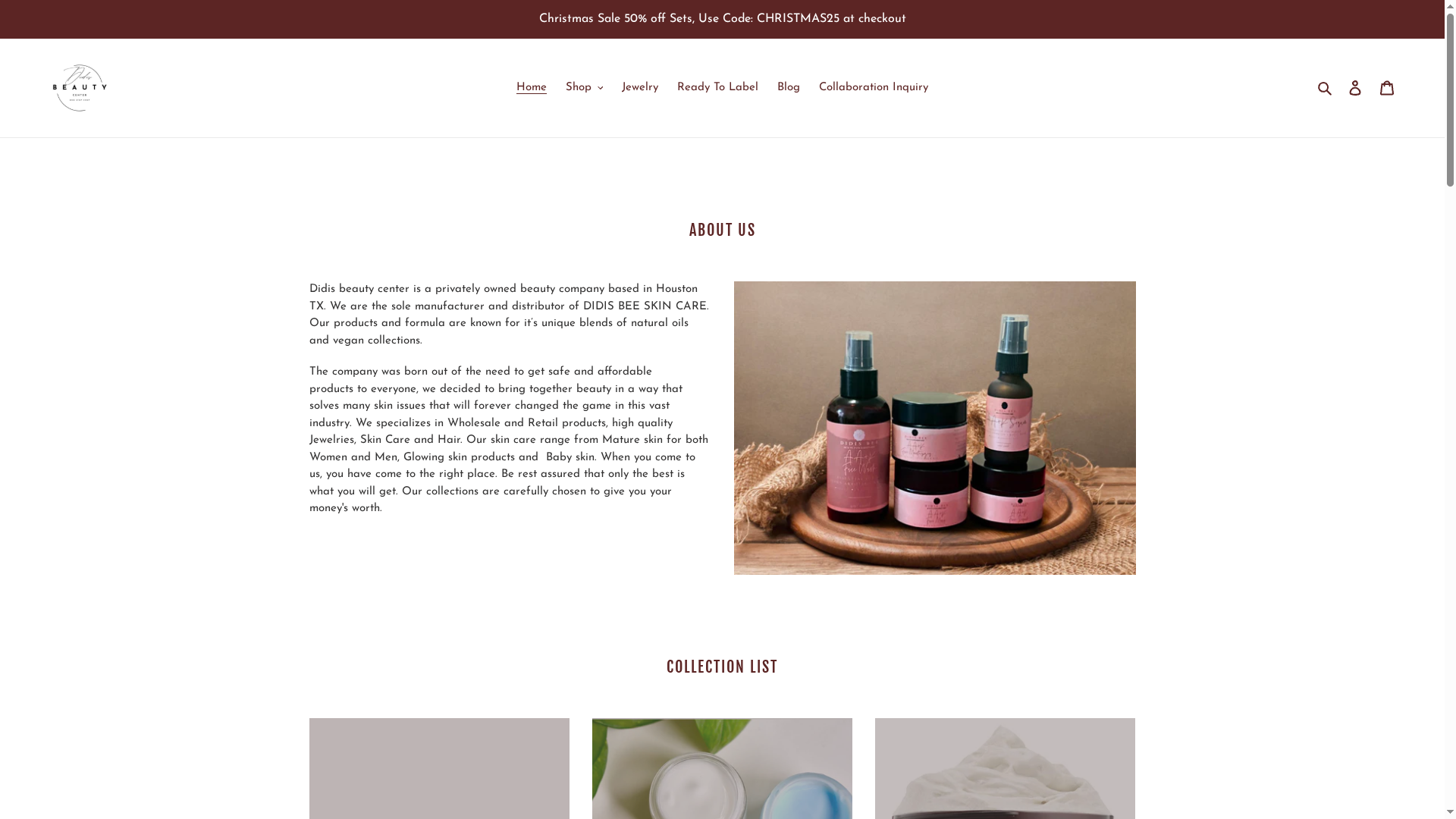
Take control of your beauty routine with confidence by shopping sustainable and effective skincare solutions at Didis Beauty Center. Whether you are a conscious consumer or an aspiring entrepreneur, our Ready To Label Collection - Brightening Skin Care – Didis Beauty Center gives you access to trusted brands that support both your skin goals and the earth’s health. Start making a positive difference now by visiting our site to discover affordable, natural, and impactful products designed for a brighter, greener future.
Frequently Asked Questions
What is sustainable beauty?
Sustainable beauty refers to an approach to skincare and cosmetics that prioritizes environmental preservation, ethical production, and conscious consumption throughout the entire lifecycle of a product, from sourcing to disposal.
How can I identify truly sustainable beauty products?
To identify truly sustainable beauty products, look for certifications like Leaping Bunny for cruelty-free claims, USDA Organic, and Fair Trade. Additionally, check the ingredient list for transparency regarding sourcing and environmental impact.
Are natural ingredients always sustainable?
No, natural ingredients are not automatically sustainable. Large-scale harvesting of natural resources can harm ecosystems. It’s essential to consider the sourcing practices and the overall impact of the extracts on the environment.
Why are sustainable beauty products often more expensive than conventional ones?
Sustainable beauty products often have higher production costs due to ethical sourcing, organic certifications, eco-friendly packaging, and advanced manufacturing techniques that account for environmental and social considerations.
Discourse (0)