


Finding the right path to launch an affordable, vegan skincare brand can feel overwhelming amid endless product choices and rising consumer expectations. Aspiring beauty entrepreneurs know that today’s market rewards innovation, ethical practices, and genuine consumer connection. This guide highlights how small beauty businesses throughout regions like Europe and North America are reshaping the industry with sustainable, cruelty-free skincare solutions designed for purpose-driven founders ready to stand out in a fast-changing landscape.
Table of Contents
- Defining Small Businesses In The Beauty Industry
- Types Of Small Beauty Brands And Their Models
- Key Trends: Vegan, Sustainable, And Ethical Beauty
- How Small Beauty Businesses Innovate And Educate
- Challenges And Compliance For Small Beauty Brands
- Small Businesses Vs. Large Corporations: Unique Impact
Key Takeaways
| Point | Details |
|---|---|
| Significance of Small Beauty Businesses | They provide innovation and cultural sensitivity in a diverse market, addressing niche consumer needs that larger brands often overlook. |
| Emerging Business Models | Small beauty brands utilize direct-to-consumer approaches, sustainable practices, and technology integration to meet evolving consumer preferences. |
| Sustainability Challenges | These brands face obstacles such as higher production costs and regulatory complexities while striving for authenticity in eco-friendly practices. |
| Unique Market Impact | Small businesses foster community engagement and nimbleness, allowing quick adaptation to market trends while complementing the offerings of larger corporations. |
Defining Small Businesses in the Beauty Industry
The beauty industry encompasses a diverse ecosystem where small businesses play an increasingly critical role. European beauty businesses represent a dynamic sector characterized by innovation, personalization, and cultural sensitivity. These enterprises differ fundamentally from large commercial brands by offering specialized, targeted products and services that address niche consumer needs.
Small beauty businesses can be defined through several key characteristics:
- Typically employ fewer than 50 employees
- Operate with limited capital investment
- Focus on specialized product lines or services
- Demonstrate high flexibility in market adaptation
- Prioritize personal customer relationships
- Often founded by passionate entrepreneurs with unique vision
The strategic significance of these businesses extends beyond simple economic metrics. Specialized beauty enterprises contribute to sector diversity by creating personalized solutions that challenge mainstream beauty standards. They frequently represent marginalized perspectives, developing products for underserved demographics and promoting inclusive representation.
Entrepreneurial Profile
Most small beauty businesses emerge from individual passion and expertise. Founders typically combine professional training, personal experience, and deep market understanding to create distinctive brand identities. Their motivation often transcends profit, focusing on solving specific consumer challenges or promoting ethical production practices.

Pro tip: Research local beauty regulations and network with industry professionals to establish a strong foundation for your small beauty business.
Types of Small Beauty Brands and Their Models
Small beauty brands are revolutionizing the industry through innovative business approaches that challenge traditional market dynamics. These entrepreneurial ventures represent a diverse ecosystem of business models designed to meet evolving consumer preferences and address niche market segments.
Key types of small beauty brand models include:
-
Direct-to-Consumer (DTC) Brands
- Sell exclusively online
- Leverage social media marketing
- Offer personalized product experiences
-
Sustainable Niche Brands
- Focus on clean, vegan ingredients
- Emphasize ethical production practices
- Target environmentally conscious consumers
-
Technology-Driven Brands
- Use AI for personalized recommendations
- Develop custom skincare solutions
- Integrate digital engagement platforms
Digital Transformation Strategy
Challenger beauty brands are increasingly utilizing digital platforms to build engaged communities. These brands prioritize authenticity, transparency, and direct customer relationships, distinguishing themselves from traditional mass-market competitors.
The most successful small beauty brands understand that modern consumers seek more than just products. They want meaningful connections, ethical practices, and brands that reflect their personal values and lifestyle choices.
Here’s a comparison of business models used by small beauty brands:
| Model Type | Consumer Focus | Common Technology Used | Brand Advantage |
|---|---|---|---|
| Direct-to-Consumer | Personalized online experience | Social media, e-commerce tools | Fast market adaptation |
| Sustainable Niche | Eco-conscious shoppers | Ingredient tracking software | High ethical credibility |
| Technology-Driven | Tech-savvy beauty consumers | AI and AR platforms | Advanced product personalization |
Pro tip: Develop a clear brand narrative that goes beyond product features and connects emotionally with your target audience.
Key Trends: Vegan, Sustainable, and Ethical Beauty
Global vegan cosmetics markets are experiencing unprecedented growth, driven by consumers’ increasing demand for transparent, environmentally responsible beauty solutions. These emerging trends represent a profound shift from traditional cosmetic approaches, emphasizing holistic wellness, ethical production, and environmental consciousness.
Key characteristics of vegan and sustainable beauty brands include:
-
Ingredient Transparency
- Plant-based, cruelty-free formulations
- Minimal chemical interventions
- Traceable ingredient sourcing
-
Packaging Innovation
- Recyclable materials
- Reduced plastic usage
- Biodegradable containers
-
Ethical Manufacturing
- Fair labor practices
- Minimal carbon footprint
- Community-focused production
Sustainability Challenges
Sustainable beauty practices face significant obstacles, including higher production costs, regulatory complexities, and the ongoing challenge of avoiding greenwashing. Successful brands must navigate these challenges while maintaining authenticity and consumer trust.
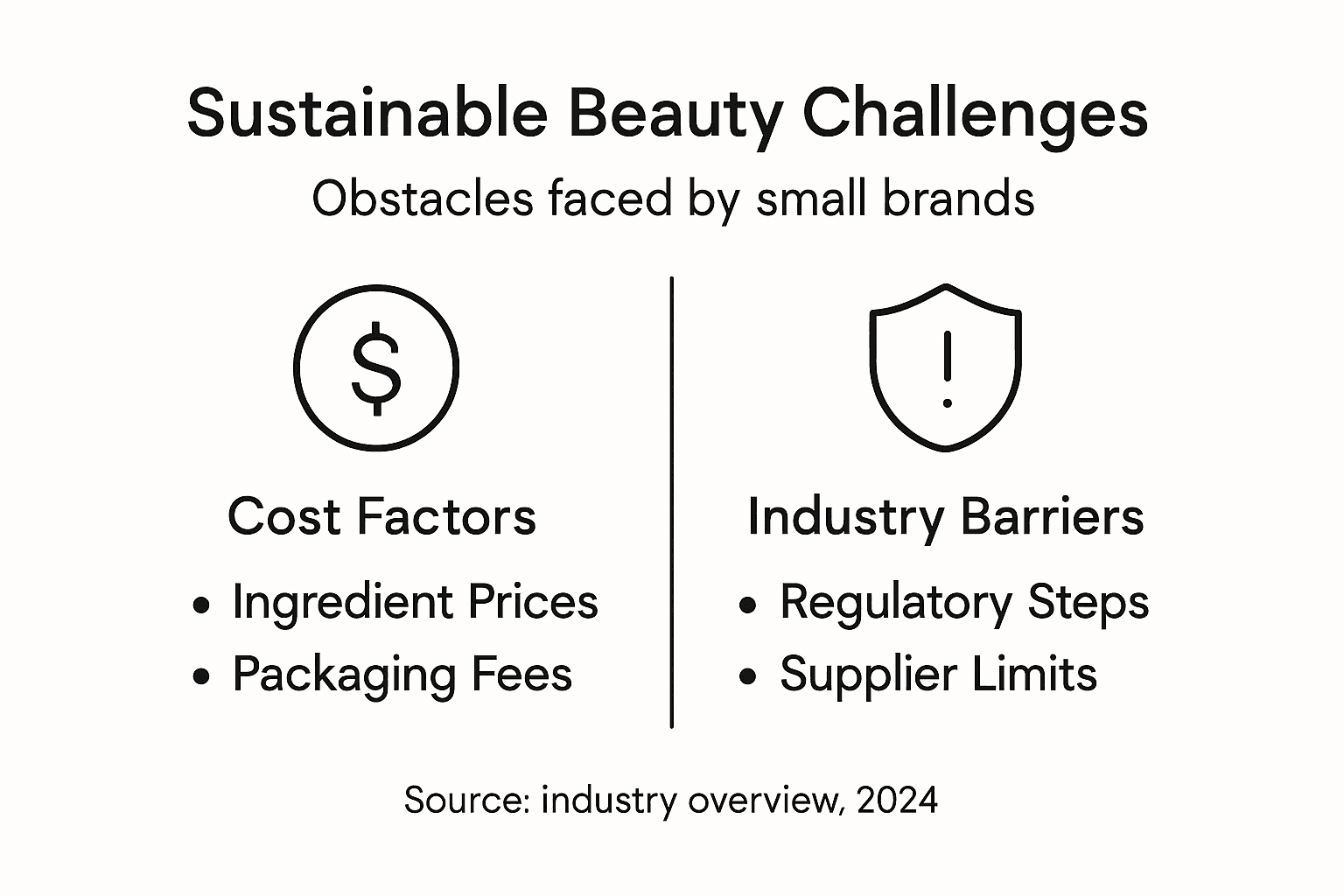
The most progressive beauty brands are redefining industry standards by integrating social responsibility, environmental stewardship, and consumer education into their core business models. They recognize that modern consumers seek more than products - they want meaningful connections with brands that reflect their personal values and global consciousness.
Pro tip: Develop a comprehensive sustainability strategy that goes beyond marketing, focusing on genuine environmental and social impact.
How Small Beauty Businesses Innovate and Educate
Small beauty businesses are revolutionizing the industry through cutting-edge technological innovations and transformative educational strategies. These agile enterprises leverage digital technologies, personalized approaches, and consumer-centric methodologies to redefine beauty industry standards.
Key innovation strategies include:
-
Technology Integration
- AI-powered personalization
- Augmented reality try-on technologies
- Data-driven product development
-
Consumer Education
- Transparent ingredient communication
- Interactive digital learning platforms
- Wellness and skincare workshops
-
Digital Engagement
- Social media knowledge sharing
- Virtual consultation services
- Community-driven content creation
Digital Transformation Approach
Beauty brand innovations are increasingly focused on creating immersive, educational experiences that go beyond traditional marketing. These small businesses are developing neurocosmetic approaches that intersect scientific research, consumer psychology, and personalized wellness solutions.
The most successful small beauty businesses understand that innovation is not just about product development, but about creating meaningful connections through transparent, educational, and technologically advanced consumer interactions.
Pro tip: Develop a holistic innovation strategy that balances technological advancement with genuine consumer education and transparent communication.
Challenges and Compliance for Small Beauty Brands
Regulatory requirements are increasingly complex for small beauty businesses, creating significant operational challenges in maintaining legal and ethical standards. These emerging compliance landscapes demand sophisticated strategies that balance innovation with rigorous regulatory adherence.
Key compliance challenges include:
-
Ingredient Transparency
- Detailed chemical composition reporting
- Allergen declaration requirements
- International ingredient standards
-
Marketing Claim Verification
- Scientific substantiation of product benefits
- Avoiding misleading promotional language
- Compliance with advertising regulations
-
Product Safety Protocols
- Comprehensive testing procedures
- Quality control documentation
- Consumer safety risk management
Regulatory Navigation
Successful small beauty brands must develop proactive approaches to regulatory compliance, understanding that legal frameworks are constantly evolving. This requires continuous education, robust internal processes, and a commitment to transparency that goes beyond minimum legal requirements.
The most effective small beauty businesses view compliance not as a burden, but as an opportunity to demonstrate their commitment to consumer safety, ethical production, and industry leadership.
Key compliance hurdles for small beauty businesses are summarized below:
| Compliance Area | Main Challenge | Impact on Business |
|---|---|---|
| Ingredient Listing | Complex international regulations | Increases production costs |
| Marketing Claims | Scientific substantiation required | Limits promotional creativity |
| Product Safety | Extensive testing protocols | Extends development timelines |
Pro tip: Invest in ongoing regulatory training and establish a dedicated compliance review process to stay ahead of changing industry standards.
Small Businesses vs. Large Corporations: Unique Impact
Small beauty businesses fundamentally reshape industry dynamics through innovative approaches that differentiate them from large corporate entities. These entrepreneurial ventures represent nimble, community-focused alternatives to traditional market players, offering unique value propositions that challenge conventional beauty industry paradigms.
Key differentiating characteristics include:
-
Market Agility
- Faster product development cycles
- Quicker response to consumer trends
- More personalized customer interactions
-
Community Impact
- Local job creation
- Direct economic contributions
- Stronger regional economic networks
-
Innovation Approach
- Niche market specialization
- Higher risk tolerance
- More experimental product formulations
Competitive Landscape
Socio-economic contributions reveal that small beauty businesses complement large corporations by introducing diversity, encouraging entrepreneurial spirit, and providing specialized solutions that mainstream brands often overlook. While large corporations dominate through scale and resources, small businesses excel in personalization, ethical production, and targeted innovation.
The most successful small beauty businesses recognize their unique position as catalysts for change, understanding that their strength lies not in competing directly with large corporations, but in creating distinct, meaningful market niches that address specific consumer needs and values.
Pro tip: Leverage your small business’s unique strengths by developing a clear, differentiated brand narrative that highlights your distinctive value proposition.
Empower Your Small Beauty Business with Natural, Vegan Solutions
Small businesses in the beauty industry face challenges like ingredient transparency, ethical production, and standing out in a fast-changing market. This article highlights how embracing vegan and sustainable beauty trends along with personalized customer experiences can empower businesses to create meaningful connections and thrive. At Didis Beauty Center, we understand these goals and offer specialized support through our carefully curated selection of natural and vegan skincare products designed to help your brand align with consumer values.
Discover a variety of options in our Beauty example products – Didis Beauty Center collection that meet sustainability and quality standards. Whether you are starting your line or looking to expand, our ready-to-label packs and skincare essentials give you the flexibility to innovate while maintaining high ethical standards.
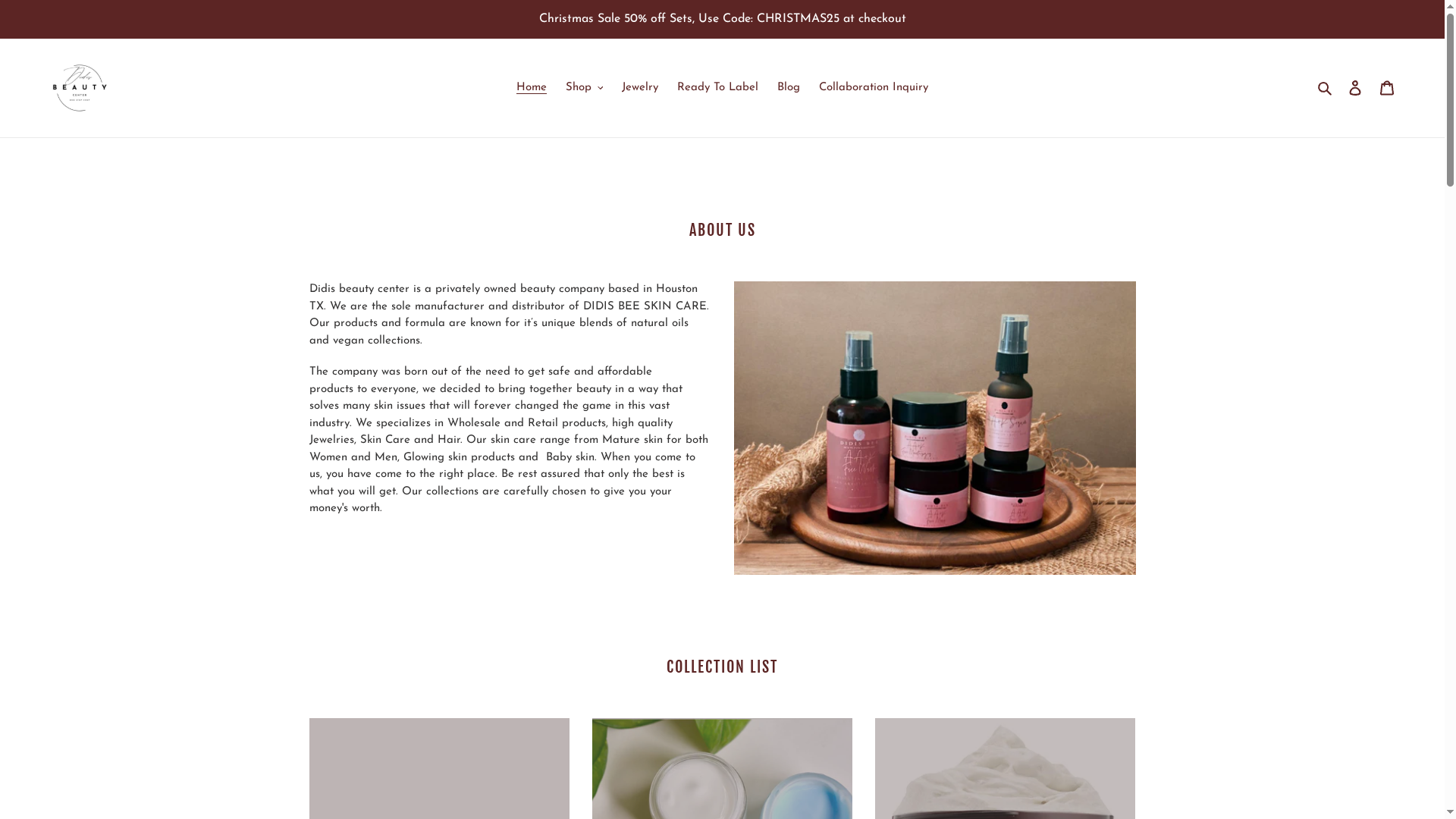
Take the next step to differentiate your beauty business with clean, cruelty-free formulations tailored for today’s conscious consumers. Visit Didis Beauty Center now and explore our Cream Collection - Skincare & Moisturizers for Face & Beard – Didis Beauty Center for premium products that deliver on both quality and values. Start building your brand with confidence and authenticity today.
Frequently Asked Questions
What defines a small business in the beauty industry?
Small businesses in the beauty industry are typically defined as enterprises that employ fewer than 50 individuals, focus on specialized product lines, and prioritize personal customer relationships. They also tend to operate with limited capital and demonstrate high flexibility in adapting to market changes.
How do small beauty brands contribute to diversity in the beauty industry?
Small beauty brands contribute to diversity by offering personalized solutions that cater to niche markets, often representing marginalized perspectives and developing products for underserved demographics. This creates a broader range of beauty standards and promotes inclusive representation.
What are some innovative business models used by small beauty brands?
Small beauty brands utilize various innovative business models, including Direct-to-Consumer (DTC) sales that leverage social media, sustainable brands focused on eco-friendly practices, and technology-driven brands that use AI for personalized recommendations and customer engagement.
How can small beauty businesses navigate regulatory challenges?
Small beauty businesses can navigate regulatory challenges by investing in ongoing regulatory training, establishing robust internal processes, and maintaining transparency. This proactive approach helps comply with evolving compliance standards, particularly concerning ingredient transparency and product safety.
Discourse (0)