


Beauty standards have long been portrayed as universal, yet they’ve excluded countless skin tones, textures, and identities. This narrow view fails to reflect the rich diversity of real people seeking effective, ethical skincare solutions. Inclusive beauty challenges these outdated norms by embracing all features, needs, and values, particularly through natural and vegan formulations. This guide clarifies what inclusive beauty truly means in 2026, helping consumers make informed choices and entrepreneurs build brands that honor diversity, sustainability, and genuine care for every skin type and concern.
Table of Contents
- Understanding Inclusive Beauty: More Than Skin Deep
- How Inclusive Beauty Shapes Natural and Vegan Skincare
- Inclusive Beauty in Entrepreneurship: Building Eco-Conscious Brands
- Comparing Beauty Approaches: Inclusive, Traditional, and Sustainable
- Explore Private Label Solutions for Your Inclusive Beauty Brand
- Frequently Asked Questions
Key takeaways
| Point | Details |
|---|---|
| Diversity beyond color | Inclusive beauty embraces all skin tones, textures, sensitivities, and identities in product development and marketing. |
| Ethical alignment | Natural and vegan skincare naturally supports inclusive values through cruelty-free practices and sustainable sourcing. |
| Consumer-driven change | Growing demand for transparency and representation pushes brands toward more inclusive, accessible product lines. |
| Entrepreneurial opportunity | Small businesses can lead inclusive beauty innovation by addressing underserved needs with tailored, eco-conscious solutions. |
Understanding inclusive beauty: more than skin deep
Inclusive beauty is a multifaceted concept that embraces diversity in skin tones, textures, and preferences, promoting products that serve all. Unlike traditional beauty marketing that targets narrow demographics, inclusive beauty recognizes that effective skincare must account for melanin-rich skin, sensitive complexions, combination types, and unique cultural needs. This approach transforms product development from a one-size-fits-all model into a thoughtful practice that prioritizes representation and accessibility.
The intersection between inclusive beauty and natural, vegan skincare creates powerful synergy. Both philosophies reject harmful practices, whether excluding certain consumers or exploiting animals and environments. Vegan formulations avoid animal-derived ingredients that may not align with diverse ethical beliefs, while natural ingredients often prove gentler on varied skin types. This alignment makes plant-based skincare a natural fit for brands committed to genuine inclusivity.
Consumer expectations have shifted dramatically. People now demand products that reflect their values and serve their specific needs, not generic solutions marketed to imaginary ideal customers. Brands that ignore this shift risk irrelevance as shoppers gravitate toward companies demonstrating authentic commitment to diversity and sustainability.
Core elements of inclusive beauty include:
- Diversity in shade ranges, formulations, and marketing imagery that represents real people
- Accessibility through affordable pricing, clear ingredient transparency, and educational resources
- Sustainability via eco-friendly packaging, ethical sourcing, and minimal environmental impact
- Ethical sourcing that respects workers, communities, and ecosystems throughout the supply chain
Pro Tip: Avoid one-size-fits-all thinking in product formulation by testing across diverse skin types, tones, and sensitivities to ensure your offerings truly serve everyone.
How inclusive beauty shapes natural and vegan skincare
Inclusive beauty influences product creation by prioritizing ethical sourcing, diverse formulations, and sustainable practices. This philosophy demands that brands move beyond surface-level diversity in advertising to embed inclusivity into every stage of development. Formulation chemists must consider how ingredients perform on different skin tones, how textures feel on various skin types, and whether products address concerns prevalent in underserved communities.
Natural and vegan skincare brands face unique opportunities to lead inclusive beauty innovation. Plant-based ingredients like shea butter, jojoba oil, and aloe vera offer versatility across skin types without the ethical concerns of animal-derived components. However, true inclusivity requires testing these formulations on diverse groups to verify effectiveness, not assuming universal suitability based on limited data.
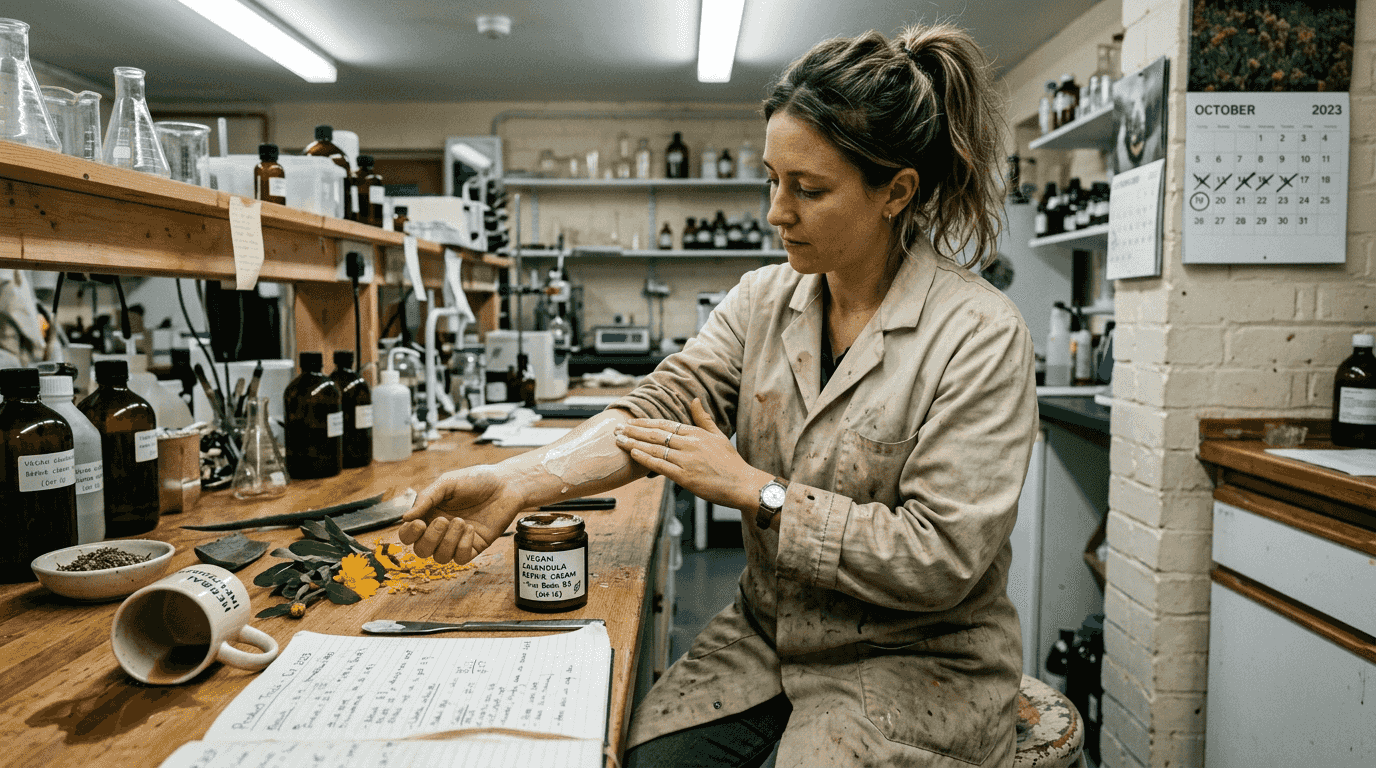
Sustainability and ethical sourcing become non-negotiable when brands commit to inclusive values. Fair trade practices ensure that ingredient sourcing benefits rather than exploits communities, particularly in regions where raw materials originate. Eco-conscious packaging reduces environmental harm that disproportionately affects marginalized populations.
Steps brands take to align with inclusive beauty in natural and vegan product development:
- Conduct extensive research into diverse skin concerns, consulting dermatological studies across ethnic groups and skin types.
- Assemble diverse testing panels that represent your target market’s full spectrum of skin tones, types, and sensitivities.
- Source ingredients ethically, verifying fair labor practices and environmental sustainability throughout the supply chain.
- Design packaging that accommodates different abilities, using accessible fonts, textures, and opening mechanisms.
- Create transparent labeling that clearly lists ingredients, certifications, and usage instructions in multiple languages when appropriate.
- Establish feedback loops with customers from varied backgrounds to continuously improve formulations and practices.
| Product Attribute | Vegan | Cruelty-Free | Fair Trade | Inclusive Formulation |
|---|---|---|---|---|
| Face Soap | Yes | Yes | Partial | Tested on 12+ skin types |
| Brightening Serum | Yes | Yes | Yes | Formulated for melanin-rich skin |
| Toner | Yes | Yes | Yes | pH-balanced for sensitive skin |
| Moisturizer | Yes | Yes | Partial | Non-comedogenic for all types |
Pro Tip: Collaborate with diverse testers throughout product development, not just at the final stage, to catch formulation issues early and ensure genuine effectiveness across all skin types.
Inclusive beauty in entrepreneurship: building eco-conscious brands
Small businesses play a crucial role in promoting inclusive beauty by creating tailored, eco-friendly beauty solutions. Entrepreneurs entering the natural and vegan skincare market have distinct advantages over established brands locked into legacy practices. Starting fresh allows you to embed inclusive values from day one, building brand identity around authentic representation rather than retrofitting diversity into existing structures.
Integrating inclusive beauty into your brand mission requires more than diverse marketing imagery. It demands deep understanding of underserved consumer needs, commitment to accessible pricing, and willingness to listen and adapt based on community feedback. Beauty entrepreneurship rooted in eco-conscious values naturally aligns with inclusive principles, as both prioritize long-term wellbeing over short-term profits.
Sustainable sourcing, packaging, and fair trade practices form the operational backbone of inclusive beauty brands. When you source shea butter directly from women’s cooperatives in West Africa or use recyclable glass instead of virgin plastic, you demonstrate values through action. These choices resonate with consumers seeking brands that align with their ethics, building loyalty that transcends price competition.
Best practices for launching a natural vegan inclusive beauty brand:
- Define your mission clearly, articulating how inclusivity and sustainability guide every business decision
- Research underserved markets to identify specific needs your products can address effectively
- Partner with private label manufacturers that share your commitment to ethical, vegan, and sustainable production
- Invest in diverse product testing to ensure formulations perform across different skin tones and types
- Create educational content that empowers customers to make informed choices about ingredients and practices
- Build community through authentic engagement, not performative diversity in marketing materials
- Price products accessibly without compromising quality, recognizing that true inclusivity requires affordability
- Maintain transparency about sourcing, manufacturing, and business practices to build trust
Customer education and community engagement serve as essential brand pillars. When you teach consumers about ingredient benefits, sustainable practices, and inclusive values, you create informed advocates who understand why your products cost what they do and why your approach matters. This educational approach transforms transactions into relationships, fostering communities around shared values rather than mere product purchases.
Comparing beauty approaches: inclusive, traditional, and sustainable
Traditional beauty standards have historically centered on narrow ideals, promoting specific skin tones, features, and body types as aspirational while marginalizing everyone else. This exclusionary approach created massive gaps in product availability, leaving consumers with deeper skin tones, sensitive skin, or non-mainstream preferences struggling to find effective solutions. Marketing reinforced these gaps by featuring homogeneous models and making invisible the diversity of real beauty consumers.
Inclusive beauty challenges traditional norms by promoting equity, diversity, and environmental consciousness in the beauty industry. Rather than dictating what beauty should look like, inclusive brands celebrate what beauty actually looks like across cultures, ages, abilities, and identities. This shift reflects growing consumer power, as shoppers increasingly reject brands that fail to represent or serve them.
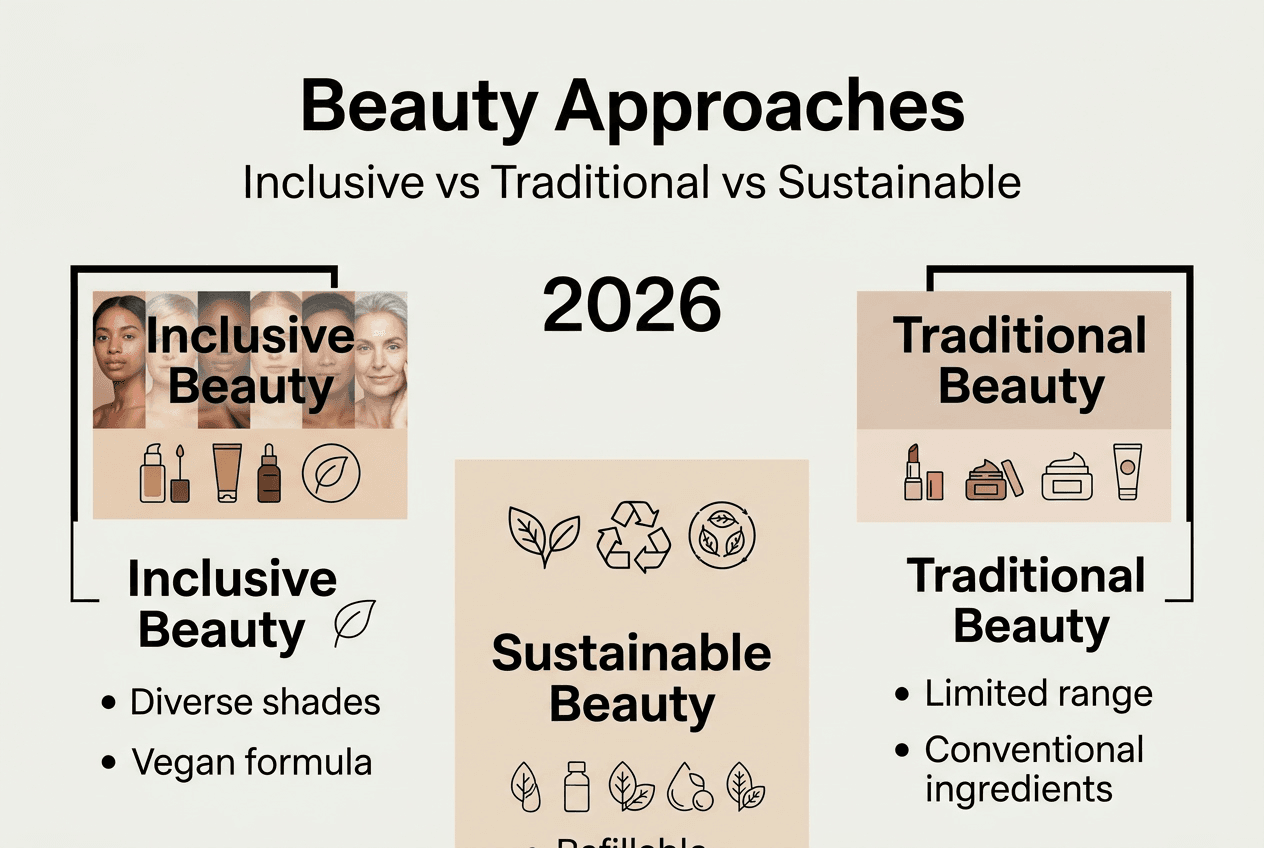
Sustainable practices intersect powerfully with inclusivity, recognizing that environmental harm disproportionately affects marginalized communities. Climate change, pollution, and resource depletion impact vulnerable populations first and hardest, making sustainability an equity issue. Brands committed to inclusive beauty must therefore prioritize eco-friendly practices, understanding that healthy skin and a healthy planet are inseparable goals.
| Approach | Core Values | Target Audience | Product Focus | Environmental Impact |
|---|---|---|---|---|
| Traditional Beauty | Aspiration, uniformity, mass appeal | Narrow demographic segments | Trend-driven, seasonal releases | Often high, minimal accountability |
| Inclusive Beauty | Diversity, representation, accessibility | All consumers across identities | Need-driven, diverse formulations | Increasingly prioritized |
| Sustainable Beauty | Environmental health, ethical sourcing | Eco-conscious consumers | Clean ingredients, minimal waste | Core priority, transparent practices |
| Inclusive + Sustainable | Equity, diversity, planetary health | Broad, values-driven audience | Ethical, effective, accessible | Essential commitment, full transparency |
Inclusive beauty reshapes consumer expectations by demonstrating that effective skincare need not compromise ethics, that diversity drives innovation, and that brands can profit while prioritizing people and planet over short-term gains.
This comparison reveals that the most forward-thinking brands integrate inclusive and sustainable values rather than treating them as separate initiatives. When you formulate for diverse skin types using ethically sourced, eco-friendly ingredients, you create products that serve more people better while minimizing harm. This integrated approach represents the future of beauty, driven by consumers who refuse to choose between effectiveness, ethics, and environmental responsibility.
Explore private label solutions for your inclusive beauty brand
Building an inclusive beauty brand requires partners who share your commitment to diversity, sustainability, and quality. Private label solutions offer entrepreneurs the flexibility to create natural, vegan skincare products tailored to underserved markets without massive upfront investment in manufacturing infrastructure. These services let you focus on brand building, community engagement, and customer education while experts handle formulation and production.
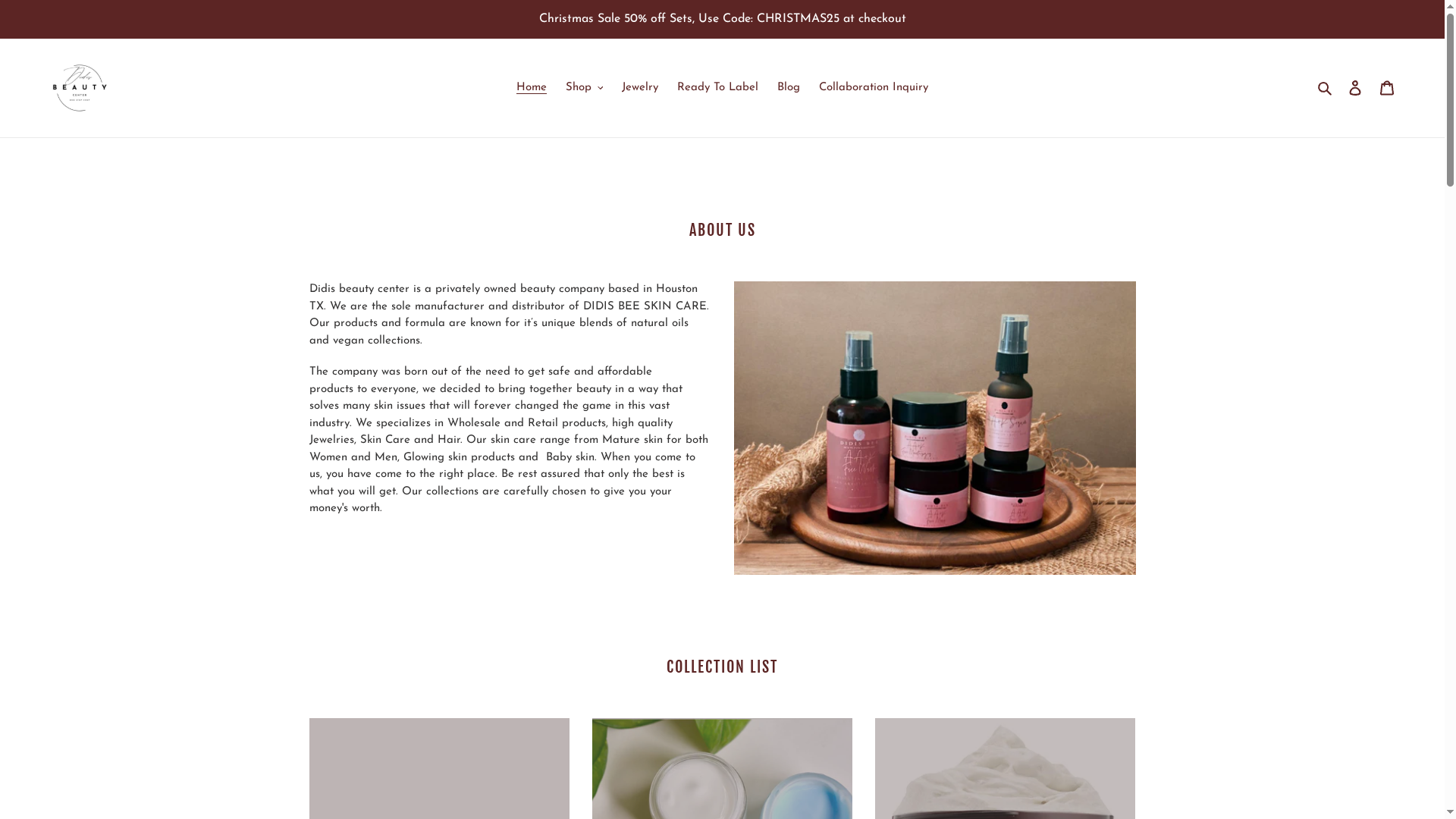
Didis Beauty Center’s private label options provide ready-to-label packs designed for natural and vegan formulations that align with inclusive beauty values. Whether you’re launching brightening serums for melanin-rich skin, gentle cleansers for sensitive types, or versatile toners for combination complexions, you’ll find sustainable, cruelty-free products ready for your brand. This approach accelerates your path to market while maintaining the ethical standards your customers expect.
Frequently asked questions
What is inclusive beauty in skincare?
Inclusive beauty in skincare means creating formulations, shade ranges, and marketing that serve all skin colors, types, and concerns rather than narrow demographics. It involves ethical sourcing, cruelty-free testing, vegan ingredients, and sustainable practices that respect diverse values. Inclusive brands engage communities, use diverse testing groups, and prioritize accessibility through transparent labeling and education.
How do natural and vegan products support inclusive beauty?
Natural and vegan products avoid harmful chemicals and animal testing, respecting diverse ethical and cultural preferences across consumer groups. Plant-based ingredients often suit many skin types while promoting environmental health through sustainable sourcing. These formulations align with inclusive values by rejecting exploitative practices and prioritizing gentle, effective care for varied needs.
What challenges do entrepreneurs face when creating inclusive beauty brands?
Entrepreneurs must formulate for diverse skin types and tones, source ingredients ethically, price products accessibly, and market authentically without tokenism. Additional challenges include building diverse testing panels, maintaining transparency, and educating consumers about ingredient benefits. Overcoming these obstacles requires genuine community engagement, thorough research, and unwavering commitment to inclusive values over convenient shortcuts.
Why is sustainability important in inclusive beauty?
Sustainability ensures beauty benefits don’t come at the planet’s expense, aligning environmental ethics with social inclusivity and equity. Environmental degradation disproportionately harms marginalized communities, making eco-friendly practices essential to genuine inclusivity. Consumers increasingly expect sustainable packaging, ethical sourcing, and minimal waste as proof of a brand’s commitment to diversity and long-term planetary health.
Discourse (0)