


Finding a natural facial toner that truly fits your skin can feel overwhelming amid endless options. Selecting the right toner matters because every skin type requires specific care to avoid irritation or imbalance. By learning how to assess skin needs and identify the gentle power of plant-based ingredients, you can confidently choose products that nourish your complexion and support a healthier, eco-friendly beauty routine.
Table of Contents
- Step 1: Assess Your Skin Type And Needs
- Step 2: Select A Natural Facial Toner
- Step 3: Cleanse Your Skin Thoroughly
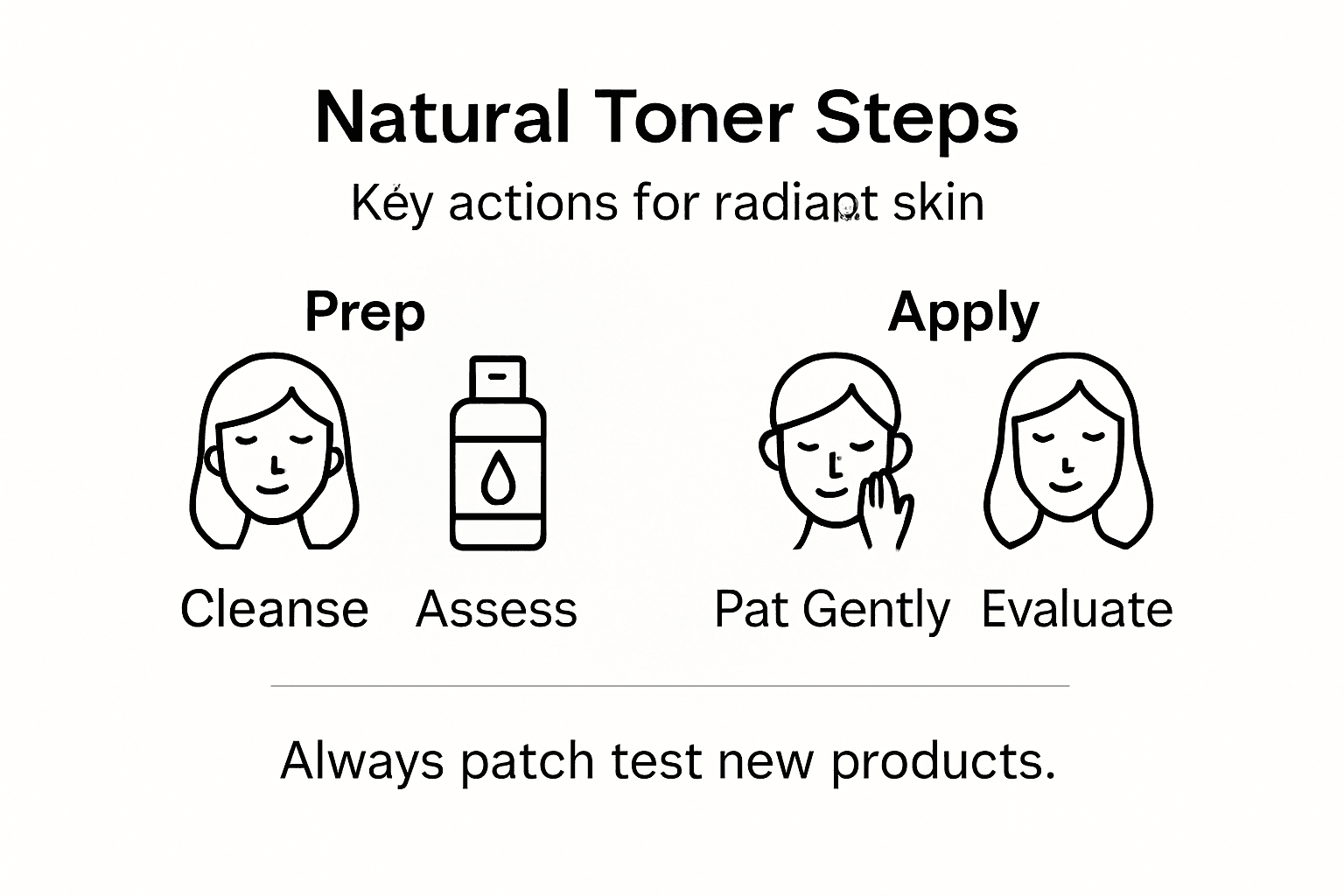
- Step 4: Apply The Toner Gently
- Step 5: Evaluate Your Skin’s Reaction
Quick Summary
| Essential Insight | Detailed Explanation |
|---|---|
| 1. Determine your skin type first | Identifying if your skin is oily, dry, combination, sensitive, or normal is crucial for selecting the right toner. |
| 2. Choose natural ingredients | Select a toner that contains plant-derived ingredients, avoiding synthetic chemicals to ensure gentleness and effectiveness. |
| 3. Cleanse thoroughly before applying toner | Use lukewarm water and a gentle cleanser to prepare your skin, ensuring it is free of impurities for optimal toner absorption. |
| 4. Apply toner gently for best results | Use clean hands or a cotton pad and pat the toner onto your skin without rubbing for effective hydration. |
| 5. Monitor your skin’s reaction | Pay attention to any changes like redness or irritation after applying toner to ensure it aligns with your skin’s needs. |
Step 1: Assess your skin type and needs
Discovering your skin type is the foundational first step in selecting the perfect natural facial toner. Understanding your unique skin characteristics allows you to choose products that nourish and balance rather than irritate or disrupt your skin’s natural ecosystem.
To accurately determine your skin type, start by examining your skin’s behavior throughout the day. Skin types range across different phototypes and can include oily, dry, combination, sensitive, or normal categories. Here’s a quick method to identify your specific skin profile:
- Oily Skin: Noticeable shine, enlarged pores, frequent breakouts
- Dry Skin: Feels tight, rough texture, visible flaking
- Combination Skin: Oily in T-zone, dry on cheeks
- Sensitive Skin: Easily irritated, prone to redness
- Normal Skin: Balanced, minimal sensitivity
After identifying your skin type, consider additional specific needs like hydration, anti-aging concerns, or acne management. Modern facial toners are designed to target different skin concerns with specialized formulations that prep and balance your complexion.
Pro tip: Perform a simple skin assessment by gently cleansing your face, then waiting one hour before examining how your skin feels and looks without applying any products.
Step 2: Select a natural facial toner
Selecting the right natural facial toner is crucial for maintaining healthy, radiant skin. Your goal is to find a product that balances, hydrates, and supports your specific skin type without introducing harsh chemicals or synthetic ingredients.
Natural skincare products focus on plant-derived ingredients that provide gentle yet effective skincare benefits. When choosing a natural facial toner, look for these key characteristics:
- Ingredients sourced from plants and minerals
- Free from synthetic alcohols and harsh chemicals
- Contains hydrating components like glycerin
- Includes soothing botanical extracts
- Matches your specific skin type and concerns
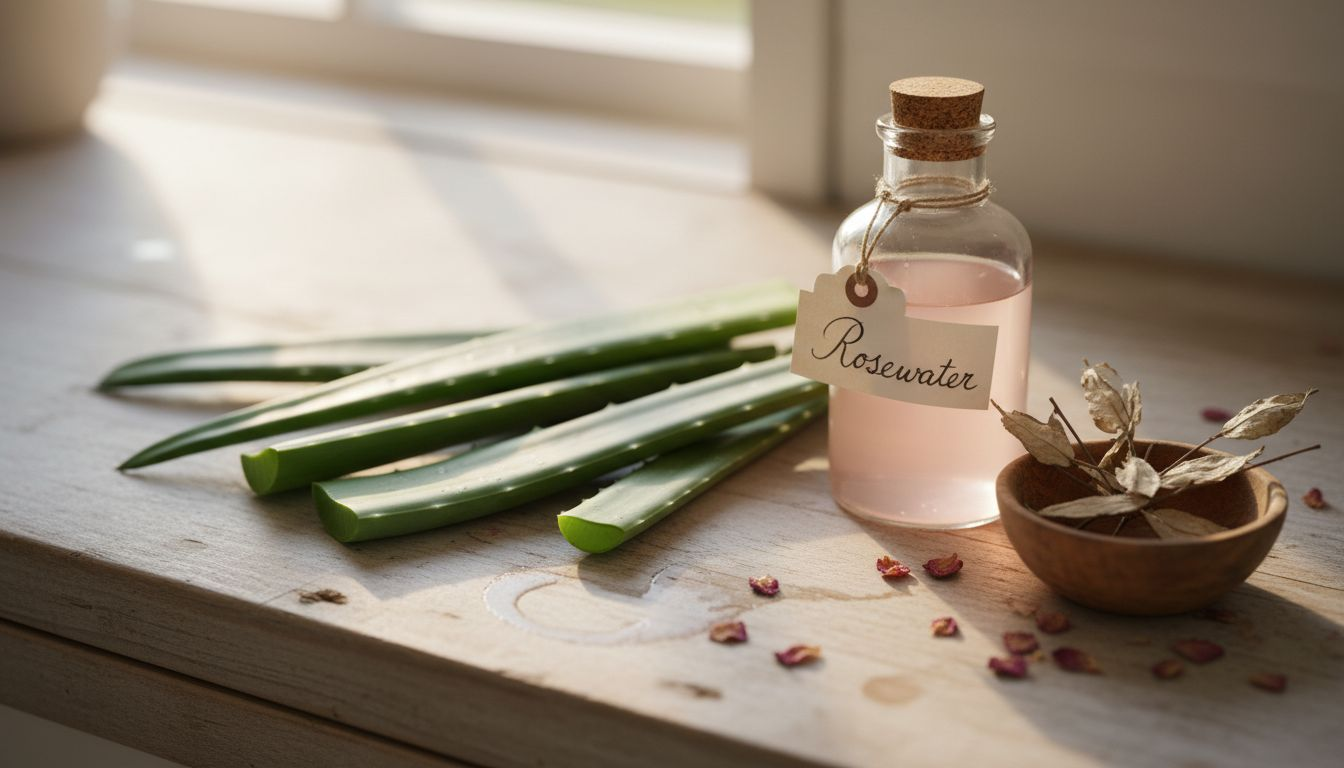
Natural toners typically incorporate ingredients such as aloe vera, rosewater, witch hazel, and herbal extracts that help balance skin pH and provide gentle hydration. Natural toners use water-based formulations with herbal ingredients) designed to prepare your skin for subsequent skincare products.
Here’s a summary of how different natural toner ingredients benefit various skin types:
| Ingredient | Best For | Primary Benefit |
|---|---|---|
| Aloe Vera | Sensitive, dry | Soothes and hydrates |
| Witch Hazel | Oily, combination | Controls oil, refreshes |
| Rosewater | Normal, sensitive | Calms and balances |
| Chamomile Extract | Sensitive, irritated | Reduces redness |
Carefully read ingredient labels and avoid products with potential irritants or unknown chemical compounds.
Pro tip: Always perform a patch test with new toners by applying a small amount on your inner forearm and waiting 24 hours to check for any adverse reactions.
Step 3: Cleanse your skin thoroughly
Preparing your skin for a natural toner begins with a meticulous cleansing routine that removes impurities without compromising your skin’s delicate balance. Proper cleansing removes dirt and prepares skin for subsequent treatments, setting the foundation for effective skincare.
Follow these essential cleansing steps to ensure your skin is perfectly prepped:
- Use lukewarm water to open pores
- Select a gentle cleanser matching your skin type
- Apply cleanser using soft, circular motions
- Rinse thoroughly without harsh scrubbing
- Pat skin dry with a clean, soft towel
Gentle cleansing techniques prevent skin irritation and maintain your skin’s natural protective barrier. Avoid hot water and aggressive rubbing, which can strip away essential oils and cause unnecessary stress to your skin.
Cleansing is not about how hard you scrub, but about using the right technique and products for your unique skin.
Pro tip: Keep your hands clean before touching your face and use a fresh, soft towel each time you cleanse to prevent bacterial transfer.
Step 4: Apply the toner gently
Applying your natural facial toner requires a delicate touch that maximizes absorption while protecting your skin’s sensitive surface. Facial toners demand careful application techniques to ensure optimal skincare benefits without causing unnecessary irritation.
Use these gentle application methods to distribute your toner effectively:
- Use clean hands or a soft cotton pad
- Pat toner lightly across face and neck
- Move in upward, sweeping motions- Avoid rubbing or dragging skin
- Apply sparingly to prevent oversaturation
Toner application requires a light, strategic approach) that respects your skin’s natural barrier. The goal is to hydrate and balance your complexion without overwhelming or stressing your skin.
Comparing common toner application methods:
| Method | Best For | Key Advantage | Potential Drawback |
|---|---|---|---|
| Cotton Pad | All skin types | Even distribution | May absorb extra product |
| Clean Hands | Sensitive skin | Gentle pressure | Less precise coverage |
Gentle application is more important than the quantity of product used.
Pro tip: Store your toner in a cool place and use lukewarm hands or a cotton pad to prevent shocking your skin with extreme temperatures.
Step 5: Evaluate your skin’s reaction
After applying your natural facial toner, carefully monitoring your skin’s response is crucial to ensure it supports rather than disrupts your skincare routine. Dermatologists recommend tracking skincare product effects to identify potential sensitivities early.
Watch for these key indicators of skin reaction:
- Unusual redness or inflammation
- Sudden dryness or tightness
- Breakouts or small bumps
- Persistent itching or burning sensation
- Changes in skin texture
Conducting a patch test helps prevent adverse reactions by minimizing widespread skin irritation. If you notice any negative symptoms, discontinue use immediately and consult a skincare professional.
Your skin’s initial reaction provides critical information about product compatibility.
Pro tip: Keep a skincare journal to track product interactions and note subtle changes in your skin’s appearance and feel over time.
Discover Natural Facial Toners Tailored for Your Unique Skin
Struggling to find a natural facial toner that truly matches your skin type and addresses your specific needs can be frustrating. Whether you have oily, dry, sensitive, or combination skin, choosing the right toner is key to achieving a balanced and radiant complexion. The solution is simple when you explore our carefully curated Toners Collection: Facial Toners for Skincare – Didis Beauty Center. Each formula is designed with plant-derived ingredients to soothe, hydrate, and refresh your skin without harsh chemicals or irritation.

Experience the comforting touch of natural ingredients that support your skin’s natural pH and promote a healthy glow. Don’t let harsh products cause redness or dryness. Visit Didis Beauty Center today to explore our full range of gentle toners alongside our nourishing Soaps Collection - Facial & Body Washes for All Skin Types – Didis Beauty Center. Take control of your skincare routine now and enjoy products that deliver visible results and peace of mind. Start your journey to radiant skin with us and shop now for beauty solutions you can trust.
Frequently Asked Questions
How do I determine my skin type before using a facial toner?
To determine your skin type, observe how your skin behaves throughout the day. Cleanse your face, wait an hour, and then check for shine, dryness, or irritation to identify if you have oily, dry, combination, sensitive, or normal skin.
What are the key ingredients to look for in a natural facial toner?
When selecting a natural facial toner, prioritize ingredients that are plant-based and free from synthetic chemicals. Look for hydration-inducing components like glycerin and soothing extracts such as aloe vera or rosewater to match your skin type and concerns.
How should I apply facial toner for the best results?
Apply facial toner using clean hands or a soft cotton pad, patting it gently across your face and neck. Use upward, sweeping motions and avoid rubbing to ensure the toner is absorbed effectively.
What signs indicate that my skin is reacting negatively to a toner?
Signs of a negative reaction to a toner include unusual redness, dryness, breakouts, or a burning sensation. If you notice any of these symptoms, discontinue use immediately to avoid further irritation.
How can I maintain the effects of my facial toner on a daily basis?
To maintain the effects of your facial toner, establish a consistent skincare routine that includes cleansing, toning, and moisturizing. Aim to use your toner daily, ideally after cleansing, to keep your skin hydrated and balanced.
Discourse (0)