


Finding cruelty-free beauty that truly aligns with your values can feel complicated when every label claims to be ethical. With more than sixty percent of American millennials now prioritizing animal welfare in their skincare purchases, the demand for transparency is rising quickly. Whether you want affordable vegan face wash or eco-friendly packaging, you will discover practical tips to align your personal care routine with socially responsible choices without sacrificing quality or budget.
Table of Contents
- Step 1: Identify Personal Beauty Goals And Ethical Requirements
- Step 2: Research Reputable Cruelty-Free Brands And Certifications
- Step 3: Compare Product Ingredients And Eco-Conscious Packaging
- Step 4: Select And Purchase Cruelty-Free Products For Your Routine
- Step 5: Verify Product Effectiveness And Ethical Claims Post-Purchase
Quick Summary
| Key Point | Explanation |
|---|---|
| 1. Define ethical beauty standards | Assess your values regarding animal welfare and select beauty products that align with your personal ethical commitments. |
| 2. Research certification programs | Identify trusted certifications like Leaping Bunny and PETA to ensure the brands you’re considering authentically comply with cruelty-free practices. |
| 3. Analyze ingredient safety and sustainability | Evaluate product ingredient lists and packaging for natural components and environmental impact to ensure responsible consumption. |
| 4. Transition to cruelty-free products | Gradually replace existing products with cruelty-free alternatives, starting with essentials, to build a more ethical beauty routine. |
| 5. Document product effectiveness post-purchase | Keep track of your experiences with cruelty-free products to verify their performance and align with your ethical standards. |
Step 1: Identify personal beauty goals and ethical requirements
Defining your personal beauty goals starts with understanding your values and commitment to ethical beauty practices. Cruelty-free beauty emphasizes compassionate consumerism by avoiding products tested on animals and supporting brands that prioritize humane practices.
To identify your ethical requirements, start by examining your personal stance on animal welfare. Consider what matters most to you: Are you interested in completely eliminating animal-derived ingredients, or focusing specifically on preventing animal testing? Research cruelty-free certifications like Leaping Bunny and PETA to understand different standards of ethical beauty. Many brands now offer transparent policies reflecting socially responsible consumer expectations which can help guide your choices.
Reflect on your specific skincare and cosmetic needs while aligning them with ethical standards. This might mean exploring vegan formulations, researching ingredient sourcing, or supporting brands with comprehensive sustainability commitments. Your beauty routine can become a powerful statement of personal values and compassionate consumption.
Pro tip: Create a personal checklist of your non-negotiable ethical beauty standards to streamline your product selection process.
Step 2: Research reputable cruelty-free brands and certifications
Navigating the world of cruelty-free beauty requires strategic research and understanding of reliable certification standards. Cruelty Free International offers a trusted approval program with rigorous verification processes that helps consumers identify authentic cruelty-free brands worldwide.
Start your research by focusing on recognized certification programs. Look for internationally acknowledged labels like Leaping Bunny, PETA Cruelty-Free, and Choose Cruelty Free. These organizations conduct comprehensive audits that verify brands have not conducted or commissioned animal testing at any production stage. Pay attention to the specific criteria each certification uses verify ethical standards research company supply chain practices not just final product testing.
Beyond certification labels, dig deeper by checking brand websites, reading their animal testing policies, and investigating their ingredient sourcing practices. Look for brands that transparently communicate their ethical commitments and provide detailed information about their production processes. Social media platforms and ethical beauty forums can also offer valuable insights from consumers who have thoroughly investigated different brands sustainability practices.
Pro tip: Create a spreadsheet tracking different cruelty-free certifications and the specific standards each organization uses to verify ethical beauty practices.
Here is a comparison of major cruelty-free certifications and what they verify:
| Certification | Areas Audited | Brand Transparency |
|---|---|---|
| Leaping Bunny | Entire supply chain | Requires public disclosure |
| PETA Cruelty-Free | Finished product and some ingredients | Voluntary disclosure encouraged |
| Choose Cruelty Free | Ingredient sourcing and manufacturing | Reviewed via consumer reports |
Step 3: Compare product ingredients and eco-conscious packaging
Comparing ingredients and packaging in cruelty-free beauty products requires a strategic approach that balances ethical considerations with personal skincare needs. Sustainable packaging has become a critical factor influencing consumer purchasing decisions, making it essential to understand both ingredient composition and environmental impact.
Begin by examining product ingredient lists carefully. Look for natural plant-based components, avoid potentially harmful synthetic chemicals, and check for transparency in sourcing. Pay attention to certifications indicating organic or vegan status. When assessing packaging, prioritize brands that use recyclable materials, minimize plastic usage, and demonstrate commitment to reducing environmental waste. The cosmetic industry increasingly focuses on developing sustainable packaging solutions that balance environmental impact with consumer expectations, offering more innovative and eco-friendly options.
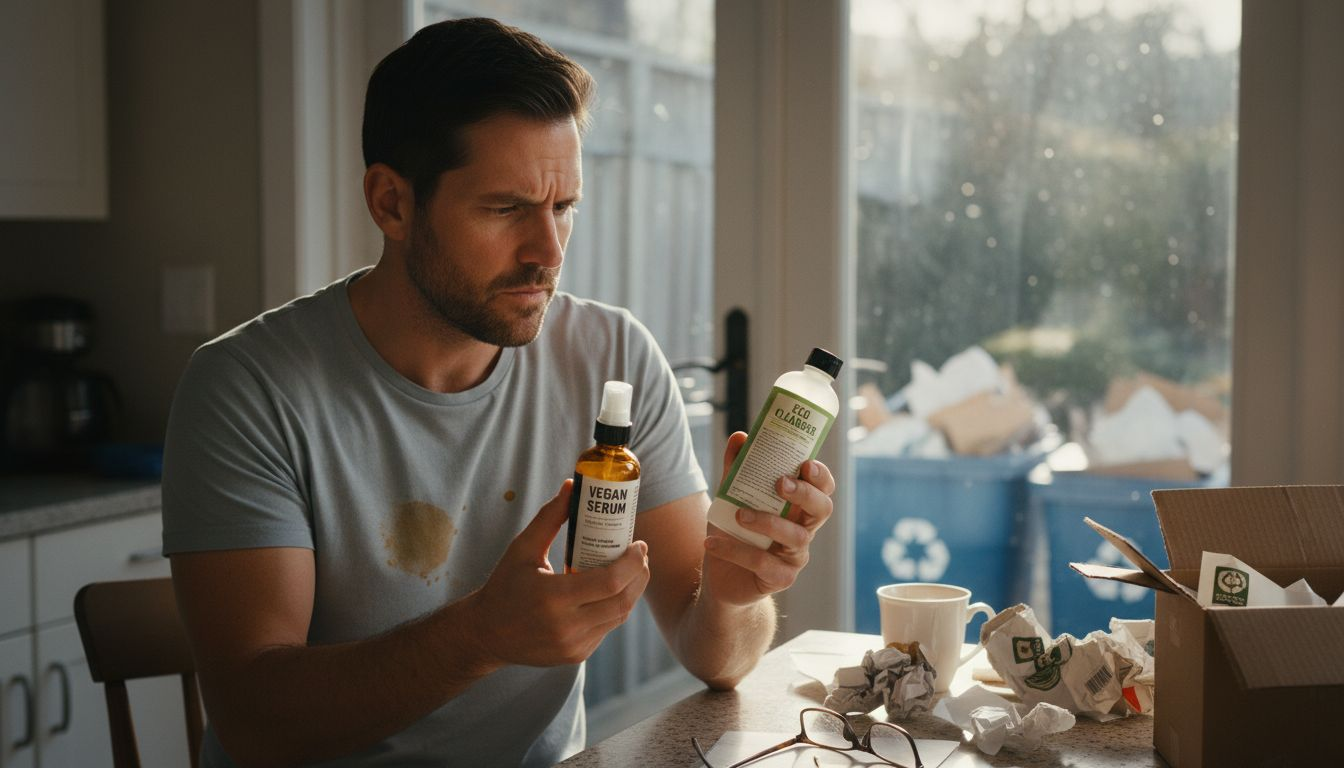
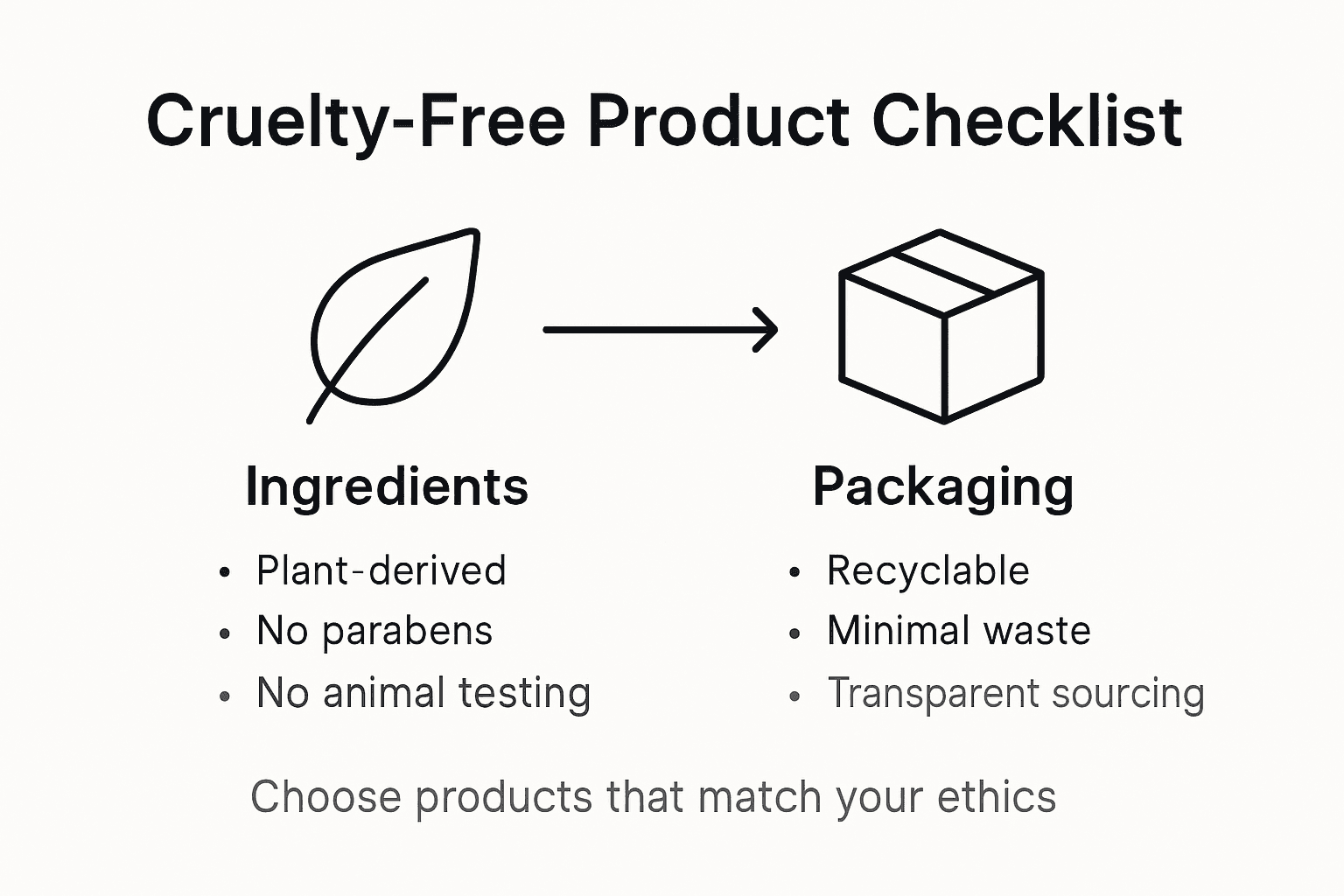
Develop a checklist that includes key criteria such as ingredient safety, recyclability, material sourcing, and brand transparency. Research brands that provide detailed information about their production processes, ingredient origins, and sustainability practices. Utilize online resources, environmental databases, and cruelty-free certification websites to validate your findings and make informed purchasing decisions.
Pro tip: Create a color-coded rating system for tracking ingredient safety, packaging sustainability, and overall brand ethical performance.
To help you assess ethical beauty brands, review these key decision criteria:
| Criteria | Why It Matters | What to Look For |
|---|---|---|
| Ingredient Origins | Avoid exploitation | Sourced transparently |
| Packaging Materials | Reduce waste | Recyclable or compostable |
| Corporate Ethics | Supports wider values | Sustainable business practices |
Step 4: Select and purchase cruelty-free products for your routine
Selecting cruelty-free beauty products requires a thoughtful approach to building an ethical personal care routine. Understanding the nuanced differences between cruelty-free and vegan labels is your first critical step in making informed purchasing decisions that align with your values.
Begin by creating a comprehensive evaluation strategy for each product. Verify certification logos from recognized organizations like Leaping Bunny and PETA, which provide reliable indicators of authentic cruelty-free practices. Online resources and specialized databases can help shoppers navigate complex verification processes and avoid brands that compromise animal welfare, ensuring your purchases genuinely support ethical standards.
Gradually transition your beauty routine by replacing existing products with cruelty-free alternatives. Start with essential items like face wash, moisturizer, and makeup basics. Research brand transparency, examine ingredient lists meticulously, and prioritize companies demonstrating comprehensive commitment to animal welfare. Consider factors beyond certifications such as ingredient sourcing, corporate ethics, and overall environmental impact to create a holistic approach to ethical beauty consumption.
Pro tip: Develop a personal tracking system to monitor your progress in transitioning to a fully cruelty-free beauty routine, rewarding yourself for each successful ethical purchase.
Step 5: Verify product effectiveness and ethical claims post-purchase
Consumer motivations for choosing cruelty-free products are deeply connected to personal values and perceived ethical impact, making post-purchase verification a critical step in maintaining your commitment to ethical beauty practices.
Begin by systematically documenting your experience with new cruelty-free products. Track performance metrics like skin response, ingredient effectiveness, and overall satisfaction. Utilize dedicated apps and websites that help consumers verify ongoing brand transparency and ethical marketing claims, which provide additional layers of accountability beyond initial certifications. Pay attention to how products align with your original purchasing criteria, noting any discrepancies between marketed claims and actual performance.
Engage with online communities and review platforms to share your experiences and gather insights from other conscious consumers. Look for detailed feedback about product performance, ingredient sourcing, and brand ethics. Consider reaching out directly to brands with specific questions about their production processes, animal testing policies, and sustainability practices. Your ongoing engagement helps maintain transparency and encourages brands to uphold their ethical commitments.
Pro tip: Create a digital journal documenting your cruelty-free product experiences, including ingredient analysis, performance notes, and brand ethical evaluations.
Embrace Ethical Beauty with Confidence and Care
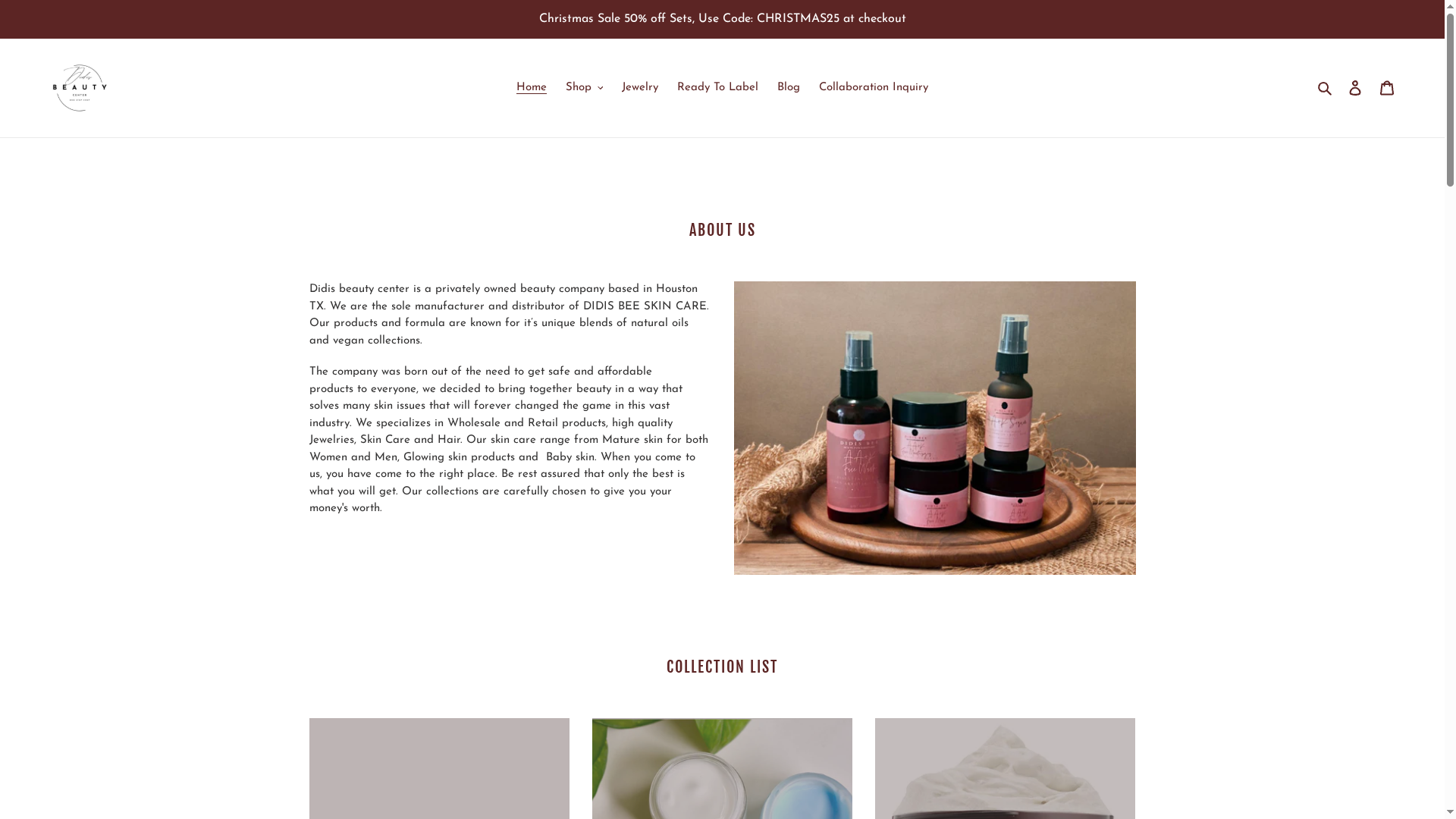
Choosing cruelty-free products can feel overwhelming when you want to align your personal beauty routine with compassionate values like those described in the Complete Guide to Cruelty-Free Beauty Products Online. You may worry about finding trustworthy brands, verifying certifications, and balancing effectiveness with ethical ingredients. At Didis Beauty Center, we understand your goals to support transparency, cruelty-free certifications, and eco-conscious choices without sacrificing quality or natural benefits.
Discover our curated collection of Cream and Oils that emphasize natural, vegan formulations designed to nurture your skin gently and responsibly. Whether you are building your personal skincare routine or seeking ethical products to launch a private label, our Ready To Label options make transitioning easy and rewarding.
Take the next step in your ethical beauty journey by exploring Didis Beauty Center today. Find certified cruelty-free products you can trust and support a brand that cares about your values as much as your skin. Visit Didis Beauty Center now to shop with confidence and start living your cruelty-free commitment fully.
Frequently Asked Questions
How can I identify my personal beauty goals related to cruelty-free products?
To identify your personal beauty goals, reflect on your values regarding animal welfare and ethical consumption. Create a checklist of your non-negotiable ethical beauty standards to guide your product selection process.
What are the key cruelty-free certifications I should look for?
Look for recognized cruelty-free certifications like Leaping Bunny, PETA Cruelty-Free, and Choose Cruelty Free. Research their specific auditing processes to understand how they verify brands’ commitments to ethical practices.
How do I compare the ingredients in cruelty-free beauty products?
Carefully examine product ingredient lists, focusing on natural components and avoiding harmful synthetic chemicals. Develop a checklist that includes criteria like ingredient safety and sourcing transparency to assess product quality effectively.
What steps should I take to transition to a fully cruelty-free beauty routine?
Start by replacing essential products in your routine with cruelty-free alternatives, such as face wash and moisturizers. Track your progress to stay motivated, aiming to complete the transition within a specific timeframe, like 30 days.
How do I verify the effectiveness of cruelty-free products after purchase?
Document your experiences to track how well new cruelty-free products perform. Monitor factors like skin response and ingredient effectiveness, and share your findings with online communities to enhance accountability and brand transparency.
Discourse (0)