


Over 60 percent of American consumers are now seeking beauty products that align with ethical and sustainable values. As interest in clean beauty grows, making mindful choices about skincare is more than a trend—it is a reflection of personal responsibility and global impact. This guide highlights practical ways to embrace vegan options, support cruelty-free brands, and make eco-conscious decisions that nurture both your skin and the planet.
Table of Contents
- Choose Natural And Vegan Skincare Products
- Opt For Cruelty-Free And Ethical Brands
- Switch To Eco-Conscious Packaging Solutions
- Adopt Minimalist Beauty Routines
- Recycle And Reuse Beauty Containers
- DIY Simple Natural Beauty Treatments
- Support Local And Sustainable Beauty Businesses
Quick Summary
| Takeaway | Explanation |
|---|---|
| 1. Choose Vegan Skincare | Opt for plant-based products for better skin health and fewer adverse reactions. |
| 2. Look for Cruelty-Free Certifications | Ensure products are not tested on animals by checking for recognized logos on packaging. |
| 3. Prioritize Sustainable Packaging | Select brands that use recyclable or biodegradable materials to reduce waste. |
| 4. Simplify Your Routine | Focus on multifunctional products that address multiple skin concerns to minimize waste. |
| 5. Support Local Beauty Businesses | Purchase from local and sustainable brands to promote ethical practices in the beauty industry. |
1. Choose Natural and Vegan Skincare Products
Vegan skincare represents a powerful approach to nurturing your skin while supporting ethical beauty practices. By selecting plant-based skincare formulations, you not only protect your skin but also contribute to more sustainable cosmetic choices.
Understanding the benefits of vegan skincare goes beyond simple ingredient selection. These products are carefully crafted with natural components like aloe vera and green tea, which offer remarkable advantages for skin health. Research indicates that vegan cosmetics have a 15% lower rate of adverse reactions compared to conventional products, making them particularly beneficial for individuals with sensitive skin or allergies.
The key advantage of vegan skincare lies in its commitment to gentle, nourishing ingredients. Plant-based components such as coconut oil and aloe vera provide superior hydration, helping your skin maintain a plump and radiant appearance. Unlike traditional products loaded with harsh chemicals, vegan formulations prioritize skin wellness through pure, natural ingredients.
When selecting vegan skincare products, look for clear labeling that indicates plant-based origins. Check ingredient lists for recognizable botanical extracts, and avoid products containing animal-derived substances like lanolin or beeswax. Many brands now offer comprehensive vegan lines that cater to various skin types and concerns.
Pro Tip: Read product labels carefully and seek certifications from reputable vegan beauty organizations to ensure you are purchasing genuine plant-based skincare solutions.
2. Opt for Cruelty-Free and Ethical Brands
Choosing cruelty-free and ethical beauty brands represents a powerful statement about your personal values and commitment to responsible consumerism. When you select skincare products that have not been tested on animals, you contribute to a global movement promoting compassionate and sustainable beauty practices.
The growing consumer demand for ethical personal care products reflects a significant shift in purchasing behavior. More individuals are prioritizing brands that demonstrate transparency and commitment to animal welfare. Credible certifications play a crucial role in this process, helping consumers identify genuinely ethical products.
Recognizable logos from organizations like PETA, Leaping Bunny, and Cruelty-Free International serve as powerful indicators of a brand’s ethical standards. These certifications assure consumers that no animal testing was involved in product development. Research indicates that these visual markers significantly influence purchasing decisions, with many consumers actively seeking out brands that align with their moral principles.
To identify cruelty-free brands, look for official certification logos on product packaging. Research brands thoroughly, checking their animal testing policies and ingredient sourcing. Many contemporary beauty companies now provide comprehensive information about their ethical practices on their websites, making it easier for conscious consumers to make informed choices.
Pro Tip: Download mobile apps that help you quickly verify a brand’s cruelty-free status while shopping, enabling instant ethical purchasing decisions.
3. Switch to Eco-Conscious Packaging Solutions
Making mindful choices about product packaging can dramatically reduce your environmental footprint and support sustainable beauty practices. The cosmetics industry has a significant impact on global waste production, making your packaging choices more important than ever.
Sustainable packaging represents a critical strategy for environmentally responsible consumers. Research from Greenpeace indicates that switching to sustainable products could potentially reduce carbon emissions from the cosmetics industry by 30 percent. This substantial reduction highlights the powerful impact of individual consumer choices.
When selecting skincare products, prioritize brands that utilize recyclable, biodegradable, or minimalist packaging materials. Look for packaging made from recycled plastics, glass, bamboo, or innovative plant-based materials. Many forward-thinking brands now offer refillable containers, allowing you to reuse primary packaging and significantly decrease waste generation.
Key characteristics of eco-conscious packaging include minimal design, reduced plastic usage, clear recycling instructions, and transparency about material sourcing. Some brands are developing packaging that can be composted or completely repurposed, transforming traditional waste streams into circular economic models.
Pro Tip: Before purchasing, examine product packaging and choose brands that demonstrate a genuine commitment to sustainable packaging practices by providing clear information about their environmental initiatives.
4. Adopt Minimalist Beauty Routines
Minimalist beauty routines represent a revolutionary approach to skincare that prioritizes quality over quantity. By focusing on essential, purposeful products, you can simplify your skincare regimen while maximizing effectiveness and reducing environmental impact.
Advances in molecular dynamics and machine learning have transformed our understanding of skincare, enabling the development of targeted products with minimal yet powerful ingredients. This scientific approach supports the creation of streamlined beauty routines that deliver maximum results with fewer steps and products.
A minimalist skincare routine starts with understanding your specific skin needs. Identify your primary skin concerns and select multifunctional products that address multiple issues simultaneously. For instance, choose a moisturizer with integrated sun protection or a serum that offers hydration and anti-aging benefits. This approach not only simplifies your routine but also reduces packaging waste and unnecessary product consumption.
Technology now supports personalized minimalist approaches. AI-driven skin assessment tools can help you analyze your skin’s unique characteristics, recommending precisely targeted products that eliminate the need for multiple specialized treatments. By leveraging these technological insights, you can curate a lean, efficient skincare collection that meets your exact requirements.
Pro Tip: Conduct a quarterly review of your skincare products, removing items that do not serve a clear purpose and focusing on versatile, high-performance formulations that align with your skin’s current needs.
5. Recycle and Reuse Beauty Containers
Transforming your beauty routine into an eco-friendly practice starts with mindful management of product packaging. Recycling and repurposing beauty containers can significantly reduce waste and minimize your environmental footprint.
Skincare companies are increasingly adopting eco-friendly packaging practices, encouraging consumers to participate in sustainable waste management. Understanding how to properly handle and repurpose beauty containers is crucial for environmentally conscious individuals.
Cleaning and preparing containers is the first step in responsible recycling. Thoroughly rinse glass and plastic containers, removing labels and residual product. Many beauty brands now design packaging with recyclability in mind, using materials that can be easily processed by local recycling facilities. Look for recycling symbols on containers and check your local guidelines for specific instructions.
Creative reuse offers an innovative alternative to traditional recycling. Glass moisturizer jars can become plant containers, while sturdy plastic tubes can be transformed into storage solutions for office supplies or craft materials. Some beauty brands even offer container return programs, allowing you to send back empty packaging for proper recycling or incentivizing future purchases.
Pro Tip: Create a dedicated recycling station in your bathroom with separate bins for recyclable containers, ensuring you can easily sort and process beauty product packaging without additional effort.
6. DIY Simple Natural Beauty Treatments
Homemade beauty treatments offer an affordable and eco-friendly alternative to commercial skincare products. By creating your own natural treatments, you gain complete control over ingredients while reducing packaging waste and environmental impact.
Molecular dynamics research has demonstrated that simple, scientifically-informed approaches can produce highly effective skincare solutions using minimal ingredients. Understanding the core principles behind natural ingredient interactions allows you to craft treatments that are both powerful and gentle on your skin.
Basic ingredients like honey, oatmeal, avocado, and green tea can be transformed into remarkable skincare treatments. A simple honey and oatmeal mask provides gentle exfoliation and hydration, while mashed avocado offers deep moisturizing benefits. The key is understanding how different natural ingredients interact and complement each other.
Advanced scientific insights have expanded our understanding of natural ingredient stabilization. Protein-inorganic hybrid nanoflowers represent an emerging technique for preserving the potency of natural pigments and compounds, suggesting that DIY treatments can be more sophisticated than traditional home remedies. This approach enables you to create treatments with enhanced efficacy and longer shelf life.
Pro Tip: Always perform a patch test with new homemade treatments and store your DIY skincare products in clean, sterilized containers in a cool dark place to maximize their effectiveness and prevent bacterial growth.
7. Support Local and Sustainable Beauty Businesses
Choosing to support local and sustainable beauty businesses represents a powerful way to drive positive change in the cosmetics industry. Your purchasing decisions can directly impact environmental sustainability and ethical business practices.
Sustainable beauty brands are redefining industry standards by prioritizing ethical practices and environmental responsibility. Companies like Lush demonstrate how businesses can commit to comprehensive ethical standards, including strict policies against animal testing and supporting human volunteer product trials.
Supporting local businesses means more than just making a purchase. It involves understanding a brand’s commitment to sustainable practices, transparent sourcing, and environmental stewardship. Look for businesses that provide clear information about their ingredient sourcing, manufacturing processes, and overall environmental impact.
Small and local beauty brands often have more flexibility to implement innovative sustainable practices. They can quickly adapt their production methods, experiment with eco-friendly packaging, and develop products with minimal environmental footprint. By choosing these businesses, you support innovation, local economies, and sustainable development in the beauty industry.
Pro Tip: Research local beauty businesses online, attend farmer markets and craft fairs, and follow sustainable beauty influencers to discover emerging brands that align with your eco-conscious values.
This table summarizes the main strategies and considerations for adopting ethical and sustainable beauty practices as discussed in the article.
| Strategy | Implementation | Benefits/Outcomes |
|---|---|---|
| Choose Natural & Vegan Skincare | Look for plant-based labels and certifications | Gentler on sensitive skin; fewer adverse reactions |
| Opt for Cruelty-Free Brands | Check for PETA and Leaping Bunny logos | Supports animal welfare; aligns with ethical values |
| Eco-Conscious Packaging | Choose recyclable or biodegradable packaging | Reduces carbon footprint; minimizes waste |
| Adopt Minimalist Routines | Use multifunctional products tailored to needs | Simplifies regimen; reduces environmental impact |
| Recycle & Reuse Containers | Rinse and sort containers appropriately | Decreases waste; supports recycling systems |
| DIY Natural Treatments | Use simple ingredients; conduct patch tests | Control over ingredients; reduces packaging waste |
| Support Local Beauty Businesses | Research brands; attend local markets | Promotes sustainability; supports local economies |
Embrace Eco-Friendly Beauty with Natural Skincare Solutions
Are you ready to transform your skincare routine by embracing the power of nature while protecting the planet? The challenge many face is finding truly natural and vegan products that hydrate and nourish without harmful chemicals or animal ingredients. At Didis Beauty Center, we understand your goal for gentle, effective, and ethical skincare that supports sensitive skin and reduces environmental impact. Our carefully curated selection of face creams, soothing soaps, and nourishing oils empowers you to adopt a minimalist and eco-conscious beauty routine.
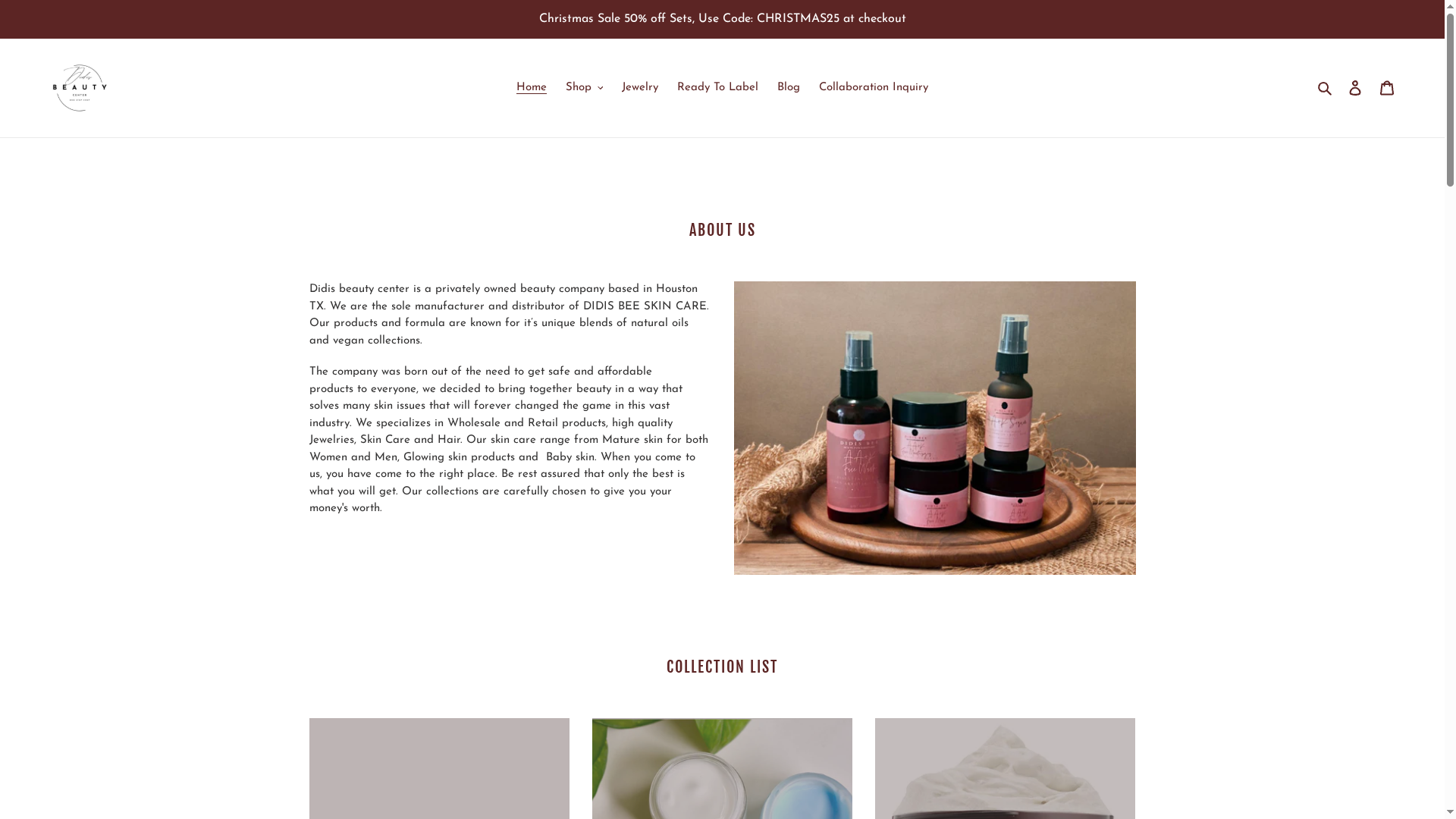
Start your journey toward radiant, healthy skin with products rooted in vegan formulations and sustainable practices. Discover affordable, high-quality items at Didis Beauty Center designed to fit your lifestyle and values. Shop now to support cruelty-free beauty and eco-friendly packaging options while enjoying the benefits of natural ingredients tailored to your needs.
Frequently Asked Questions
What are the main benefits of using natural and vegan skincare products?
Using natural and vegan skincare products helps protect your skin from harsh chemicals and reduces the likelihood of adverse reactions. Choose products with plant-based ingredients like aloe vera or green tea to nourish your skin effectively.
How can I identify cruelty-free and ethical beauty brands?
To identify cruelty-free and ethical beauty brands, look for certifications from recognized organizations such as PETA or Leaping Bunny on the packaging. This ensures that no animal testing was involved in the production of your skincare products.
What should I look for when selecting eco-conscious packaging for skincare products?
When selecting eco-conscious packaging, prioritize brands that use recyclable, biodegradable, or minimalist materials. Aim to choose products packaged in glass or recycled plastics to minimize environmental impact.
How can I create a minimalist beauty routine that benefits my skin?
To create a minimalist beauty routine, focus on identifying your primary skin concerns and select multifunctional products that address them. For example, choose a moisturizer that also offers sun protection to simplify your regimen.
What are some ways to recycle and reuse beauty containers?
You can recycle beauty containers by rinsing them thoroughly and checking local recycling guidelines for instructions. Additionally, get creative by repurposing glass jars as planters or using sturdy plastic tubes for storing small items in your home.
How can I support local and sustainable beauty businesses?
Support local and sustainable beauty businesses by researching their commitment to ethical practices and transparent sourcing. Attend local markets or events to discover new brands that prioritize environmental responsibility and community support.
Discourse (0)