


Finding truly cruelty-free skincare can be confusing, especially when over 60 percent of American shoppers believe any “cruelty-free” claim means completely vegan. For eco-conscious beauty lovers, these terms often blur together, making smart choices more challenging. Unpacking the differences and debunking common myths helps you understand what actual transparency looks like in today’s global beauty industry, so your routine aligns with both your values and effective results.
Table of Contents
- Defining Cruelty-Free Skincare And Misconceptions
- Types Of Cruelty-Free Products And Variations
- Certifications And How To Verify Authenticity
- Legal Landscape And Global Regulations
- Recognizing Greenwashing And Common Mistakes
- Alternatives To Animal Testing And Future Trends
Key Takeaways
| Point | Details |
|---|---|
| Understanding Cruelty-Free | Cruelty-free ensures no animal testing throughout product development, while vegan products exclude all animal-derived ingredients. |
| Certification Importance | Look for recognized certifications like Leaping Bunny and PETA to validate cruelty-free claims effectively. |
| Greenwashing Awareness | Be cautious of vague claims and misleading certifications that may indicate greenwashing in the skincare market. |
| Emerging Testing Methods | Non-animal testing technologies are advancing, providing ethical alternatives to traditional animal testing in product safety assessments. |
Defining cruelty-free skincare and misconceptions
Understanding cruelty-free skincare goes far beyond a simple marketing label. At its core, cruelty-free means no animal testing occurs during any stage of product development, from initial ingredient sourcing to final manufacturing. Contrary to popular belief, this standard requires comprehensive verification across the entire production process, not just a superficial stamp of approval.
Many consumers mistakenly assume that cruelty-free automatically implies vegan products, but these terms are distinctly different. While cruelty-free guarantees no animal testing, vegan products must contain zero animal-derived ingredients. Consumer attitudes reveal complex perceptions about these ethical beauty choices, highlighting the nuanced understanding required in modern skincare purchasing.
To clarify key terms, here is a comparison of cruelty-free versus vegan skincare:
| Attribute | Cruelty-Free | Vegan Skincare |
|---|---|---|
| Animal Testing | Not allowed at any stage | Not specified by default |
| Animal Ingredients | May be present | Completely excluded |
| Main Certification | Leaping Bunny, PETA | Vegan Society, PETA |
| Common Confusion | Often assumed to be vegan | Often assumed cruelty-free |
The global landscape of cruelty-free certification is intricate. Some regions have strict regulations, while others maintain more relaxed standards. Research indicates that consumer trust depends on transparent practices, credible certifications, and comprehensive testing policies that extend beyond final product evaluation. Responsible brands now provide detailed documentation about their entire supply chain to demonstrate genuine commitment to animal welfare.
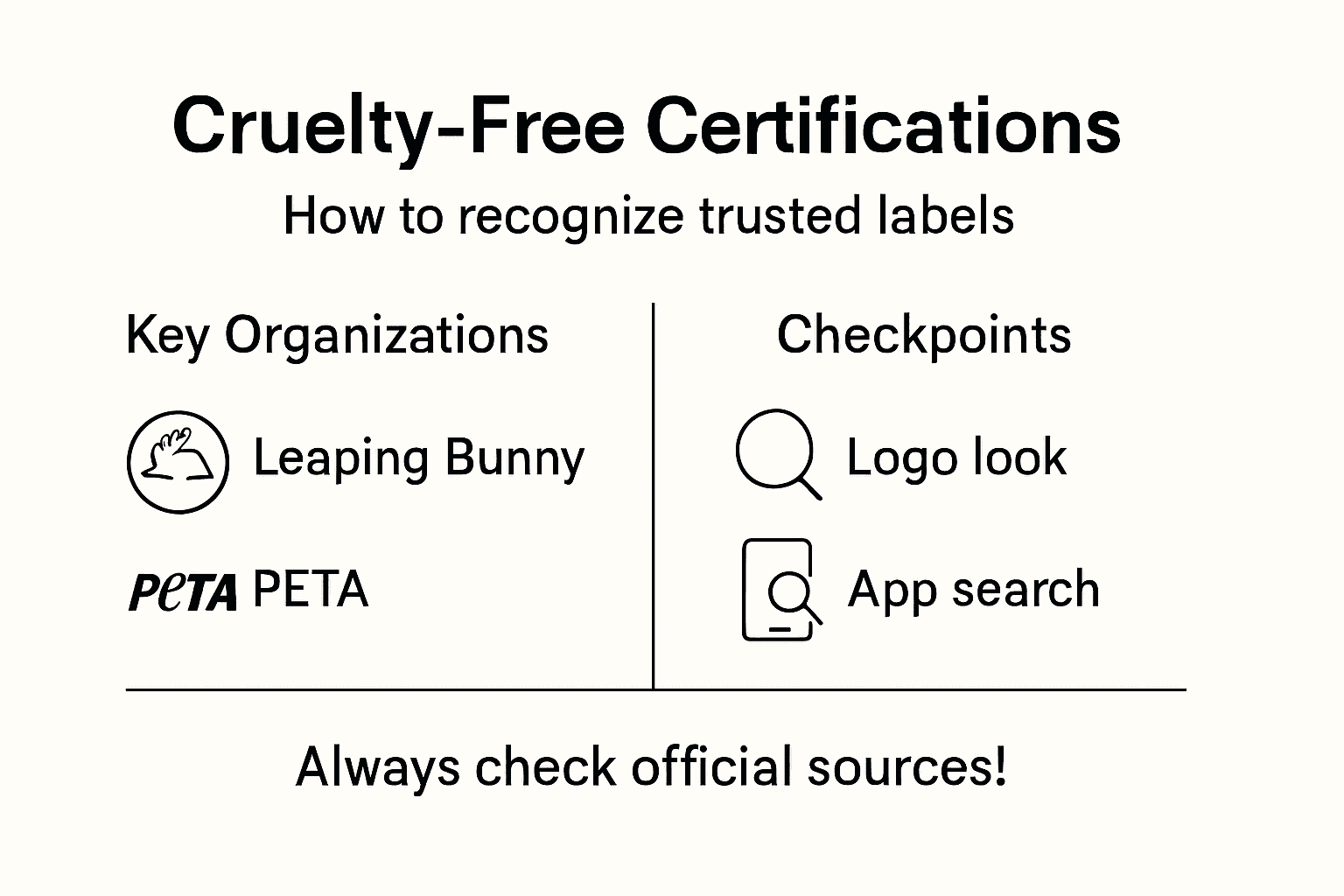
Pro tip: Always verify cruelty-free claims by checking recognized certification logos from organizations like Leaping Bunny or PETA, which provide rigorous, independent validation of a brand’s ethical practices.
Types of cruelty-free products and variations
Cruelty-free skincare represents a diverse and expanding product landscape that goes well beyond traditional cosmetic categories. Global market research reveals multiple product types catering to ethical consumers, ranging from fundamental skincare essentials to specialized beauty treatments. These categories typically include facial cleansers, moisturizers, serums, toners, masks, sunscreens, and targeted treatment products designed for specific skin concerns.
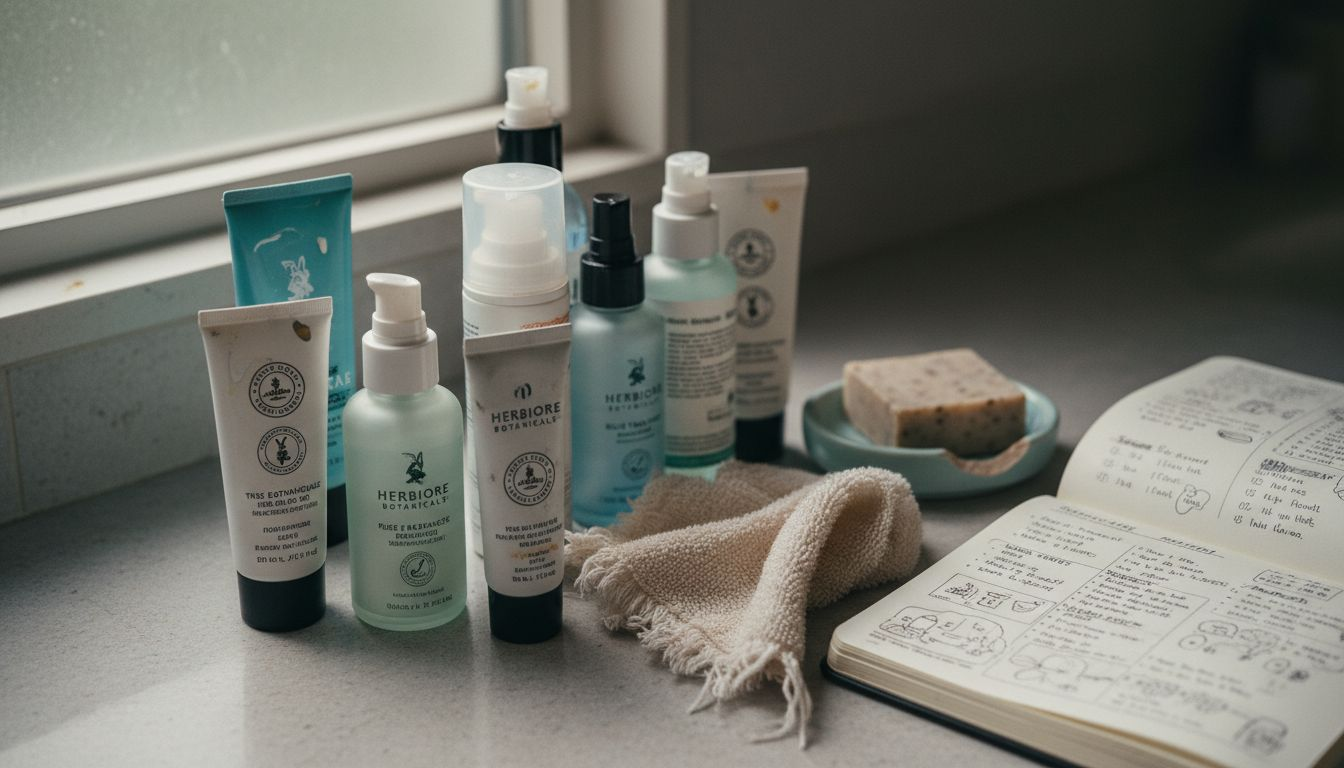
The contemporary cruelty-free market encompasses an impressive array of product variations. Skincare lines now offer specialized formulations addressing diverse needs such as sensitive skin, anti-aging, acne treatment, hydration, and pigmentation correction. Each product category maintains strict ethical standards, ensuring no animal testing occurs during ingredient sourcing, formulation, or final production. Comprehensive market analyses demonstrate significant consumer interest in transparent, compassionate beauty solutions across makeup, skincare, haircare, and personal care segments.
Beyond traditional skincare, cruelty-free principles extend to complementary beauty categories including makeup, fragrances, hair products, and body care. Innovative brands are developing entire product ecosystems that maintain rigorous ethical standards while delivering high-performance results. This approach reflects a growing consumer demand for products that align with personal values without compromising quality or effectiveness.
Pro tip: When exploring cruelty-free products, look for multiple certification logos from recognized organizations like Leaping Bunny, PETA, or Choose Cruelty Free to ensure comprehensive ethical validation.
Certifications and how to verify authenticity
Cruelty-free certification represents a critical validation process that goes far beyond a simple marketing claim. Comprehensive certification resources demonstrate that legitimate cruelty-free verification requires extensive documentation and strict accountability from brands. These certifications demand comprehensive evidence that no animal testing occurs at any stage of product development, including ingredient sourcing, formulation, and final production.
The landscape of cruelty-free certifications includes several reputable organizations with rigorous verification processes. Leaping Bunny, PETA, and Choose Cruelty Free stand out as the most respected third-party certification programs. Detailed analysis reveals that authentic certifications require legally binding agreements and regular supply chain audits. These organizations investigate not just the final product, but every step of the manufacturing process, including supplier practices and ingredient testing protocols.
Here is a summary of leading cruelty-free certification bodies and their verification standards:
| Organization | Verification Process | Notable Features |
|---|---|---|
| Leaping Bunny | Annual audits, full supply chain review | Widely recognized globally |
| PETA | Supplier confirmation, signed statements | Quick database checks |
| Choose Cruelty Free | Strict eligibility, regular investigations | Primarily Australia/New Zealand |
| Vegan Society | Ingredient review, no animal derivatives | Focused on vegan & cruelty-free |
Consumers should look for specific markers of authenticity when evaluating cruelty-free claims. Legitimate certifications typically include unique registration numbers, verifiable logos, and clear documentation of ethical testing practices. Beware of brands using ambiguous language or displaying unofficial logos, as these can be misleading marketing tactics designed to exploit consumer goodwill. Careful research and cross-referencing with official certification databases remain the most reliable methods of verification.
Pro tip: Download official certification apps or bookmark verification websites to quickly check the authenticity of cruelty-free claims while shopping.
Legal landscape and global regulations
Global animal testing regulations represent a complex and evolving legal framework that varies dramatically across different regions and jurisdictions. Comprehensive regulatory analysis reveals significant disparities in approaches to cruelty-free legislation, with some countries implementing strict prohibitions while others maintain more permissive standards for animal testing in cosmetic and pharmaceutical industries.
The European Union stands at the forefront of cruelty-free regulatory practices, having implemented a comprehensive ban on animal testing for cosmetic products and ingredients. In contrast, international legal frameworks show considerable variation with countries like China historically requiring animal testing for imported cosmetic products, creating significant challenges for global brands committed to cruelty-free principles. The United States maintains a more nuanced approach, where animal testing is not legally mandated for cosmetics but remains a requirement for certain pharmaceutical and medical research applications.
Navigating this complex legal landscape requires careful understanding of regional regulations and ongoing legislative changes. Emerging markets are increasingly adopting more progressive animal welfare standards, driven by consumer demand and ethical considerations. Brands must now contend with a dynamic regulatory environment that demands continuous adaptation, transparent sourcing practices, and a commitment to ethical product development across international markets.
Pro tip: Research the specific animal testing regulations of countries where you plan to manufacture or sell skincare products to ensure full legal compliance and ethical standards.
Recognizing greenwashing and common mistakes
Greenwashing represents a deceptive marketing strategy where brands exaggerate or falsely claim environmental and ethical credentials. Consumer skepticism about misleading environmental claims has become increasingly sophisticated, revealing complex psychological mechanisms that brands exploit to appear more sustainable than they truly are.
Common greenwashing tactics include using vague ecological terminology, displaying misleading certifications, and creating packaging that suggests environmental responsibility without substantive changes. Research into cosmetic marketing practices demonstrates how brands strategically employ visual imagery and ambiguous language to create an illusion of sustainability. Key red flags include terms like “natural,” “eco-friendly,” and “green” without clear, verifiable definitions or third-party certifications.
To effectively combat greenwashing, consumers must develop critical evaluation skills. This involves researching brand practices beyond surface-level marketing claims, investigating actual supply chain transparency, and understanding the nuanced difference between genuine ethical practices and superficial environmental positioning. Authentic cruelty-free and sustainable brands will readily provide comprehensive documentation about their ingredient sourcing, manufacturing processes, and environmental impact.
Pro tip: Cross-reference brand sustainability claims with independent certification databases and look for specific, measurable environmental commitments rather than generic marketing language.
Alternatives to animal testing and future trends
Non-animal testing technologies are revolutionizing product safety assessments in the cosmetic and skincare industry. Advanced research demonstrates remarkable progress in developing sophisticated alternatives that eliminate the need for animal testing while maintaining rigorous scientific standards. These innovative approaches include sophisticated in vitro techniques, computer modeling, and reconstructed human tissue simulations that provide more precise and ethically responsible methods of evaluating product safety.
Cutting-edge technologies are emerging as powerful alternatives to traditional animal testing methodologies. Researchers are developing artificial cell cultures, 3D-printed synthetic tissues, and advanced computational models that can accurately simulate human physiological responses. These groundbreaking techniques not only provide more nuanced and reliable data but also significantly reduce the ethical concerns associated with animal testing, representing a major shift in scientific research protocols.
The future of product safety testing lies in integrated testing strategies that combine multiple advanced technologies. These approaches leverage artificial intelligence, machine learning, human cell cultures, and computational modeling to create comprehensive safety profiles. By embracing these innovative methods, the skincare and cosmetic industries can achieve more accurate, ethical, and scientifically robust product evaluations that protect both consumer health and animal welfare.
Pro tip: Stay informed about emerging non-animal testing technologies by following scientific journals and regulatory updates in cosmetic safety research.
Choose Ethical Beauty with Confidence at Didis Beauty Center
Embracing cruelty-free skincare means prioritizing products that are kind to animals and crafted with transparency and integrity. If you are seeking effective solutions that truly align with your ethical values without compromising on quality or performance explore our Skin Care Collection - Face, Body, Oils. This carefully curated range prioritizes natural, vegan formulations that meet rigorous cruelty-free standards while addressing your unique skin needs.
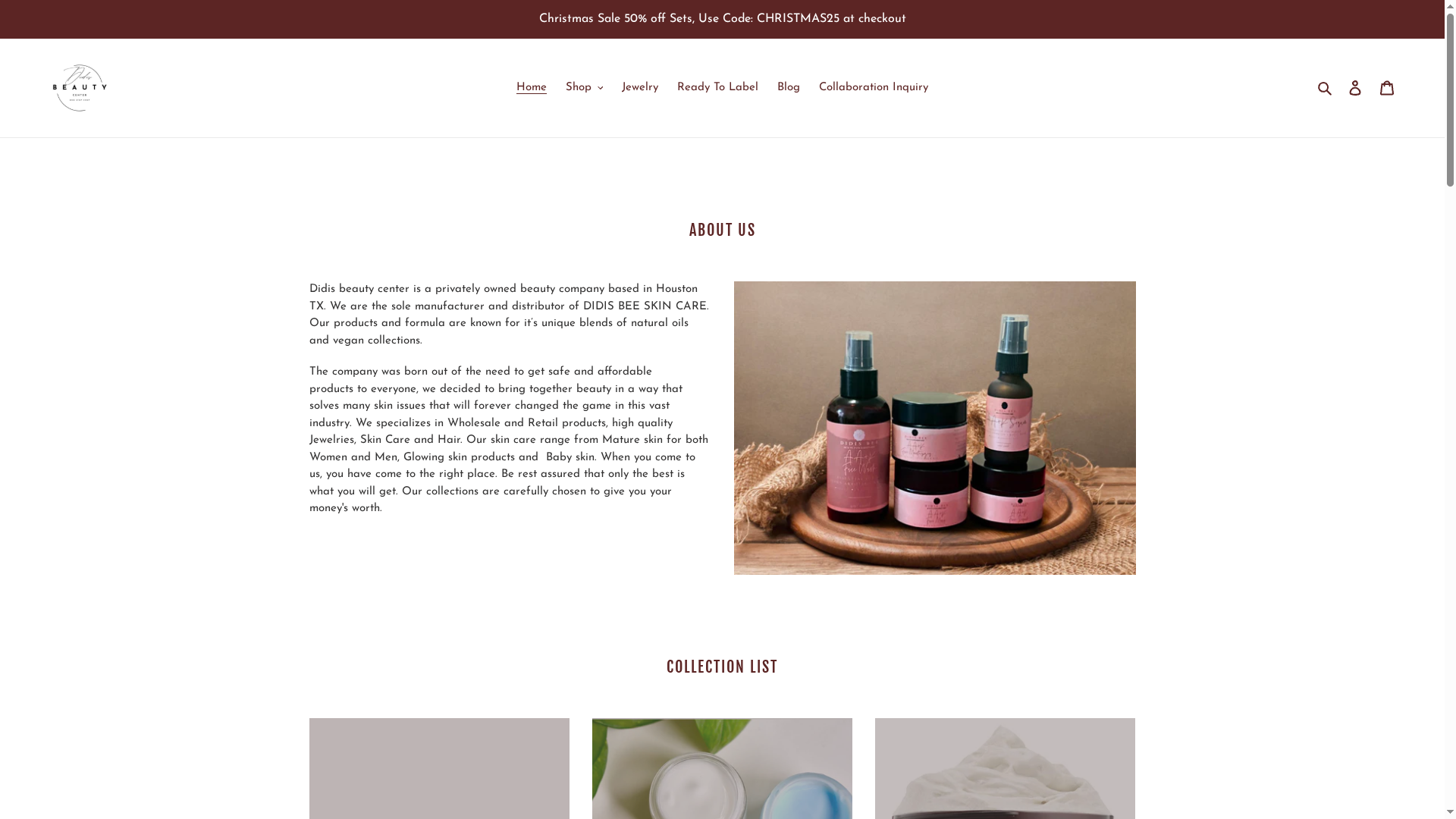
Take control of your beauty routine today by selecting trusted cruelty-free products backed by clear certifications and sustainable practices. Visit Didis Beauty Center to discover mood-boosting creams and moisturizers in our Cream Collection - Skincare & Moisturizers for Face & Beard that nourish your skin and your conscience. Act now to support compassionate beauty choices and enjoy exclusive offers that make ethical skincare accessible every day.
Frequently Asked Questions
What does cruelty-free skincare mean?
Cruelty-free skincare refers to products that are developed without any animal testing at any stage, from ingredient sourcing to final manufacturing.
How is cruelty-free different from vegan skincare?
Cruelty-free guarantees no animal testing, while vegan skincare must contain no animal-derived ingredients. They are distinct standards that address different ethical concerns.
How can I verify if a skincare brand is truly cruelty-free?
Look for recognized certification logos from organizations like Leaping Bunny or PETA, which ensure comprehensive validation of a brand’s cruelty-free claims through rigorous testing and supply chain audits.
What are some common misconceptions about cruelty-free skincare?
Many consumers mistakenly believe that cruelty-free products are automatically vegan, overlook the importance of certification, or assume that all cruelty-free brands offer equally ethical practices.
Discourse (0)