


Choosing skincare products can feel complicated when every label claims to be pure or healthy. The growing focus on clean beauty speaks directly to these concerns, aiming to remove harmful ingredients and boost transparency for consumers around the world. With so many terms and shifting standards, understanding what really sets clean beauty apart helps you make safer, more responsible choices—whether for your own routine or for a business inspired by conscious values.
Table of Contents
- Core Definition And Common Misconceptions
- Key Principles: Safety, Science, And Transparency
- Major Ingredient Exclusions And Variations
- Eco-Conscious Sourcing And Sustainable Packaging
- Risks, Pitfalls, And Greenwashing Issues
- How To Identify Truly Clean Products
Key Takeaways
| Point | Details |
|---|---|
| Clean Beauty Defined | Emphasizes safety, science, and transparency in personal care products while avoiding harmful ingredients. |
| Ingredient Scrutiny | Clean beauty brands selectively use ingredients supported by scientific research, allowing some synthetics if proven safe. |
| Consumer Vigilance | Consumers should research brands, check ingredient lists, and identify credible certifications to avoid misleading claims. |
| Sustainable Practices | Eco-conscious sourcing and sustainable packaging are crucial components of the clean beauty movement’s commitment to environmental responsibility. |
Core definition and common misconceptions
The clean beauty movement emerged as a critical response to growing consumer concerns about potentially harmful ingredients in personal care products. Scientific research on cosmetic safety highlights significant regulatory gaps that leave consumers vulnerable to potentially toxic substances.
Clean beauty represents a holistic approach to personal care that prioritizes product safety, transparency, and minimizing exposure to potentially harmful chemicals. The core principles revolve around avoiding ingredients linked to health risks such as:
- Endocrine disruptors
- Known carcinogens
- Synthetic irritants
- Allergenic compounds
- Environmentally damaging chemicals
Industry perspectives on clean beauty standards reveal a complex landscape where consensus remains challenging. Unlike organic or natural certifications, clean beauty lacks a universal, legally-mandated definition, which creates significant confusion for consumers navigating product claims.
Common misconceptions about clean beauty often stem from misunderstanding its fundamental goals. Many people mistakenly believe that “clean” automatically means 100% natural or organic, when in reality, it represents a nuanced approach focusing on scientifically validated ingredient safety. Clean beauty isn’t about eliminating all synthetic ingredients but rather selecting those proven to be non-harmful and effective.
To clarify differences among beauty product categories, here’s a comparison of their standards and priorities:
| Attribute | Clean Beauty | Organic Beauty | Conventional Beauty |
|---|---|---|---|
| Ingredient Selection | Based on scientific safety | Based on certified organic sources | Driven by cost and aesthetics |
| Synthetic Ingredients | Allowed if proven safe | Generally avoided | Widely used |
| Transparency | Highly emphasized | Typically required | Usually limited |
| Certification | No universal standard | Regulated, third-party verified | Minimal, often voluntary |
Pro tip: Always read ingredient lists carefully and research unfamiliar components, understanding that “clean” is a spectrum rather than an absolute standard.
Key principles: safety, science, and transparency
The clean beauty movement centers on three fundamental principles that transform how consumers approach personal care products. Scientific research on cosmetic safety reveals that these principles go far beyond marketing rhetoric, representing a critical approach to personal health and environmental responsibility.
At the core of clean beauty are three essential principles:
- Safety: Minimizing exposure to potentially harmful ingredients
- Science: Utilizing evidence-based research for ingredient selection
- Transparency: Providing complete, honest information about product compositions
Industry perspectives on responsible beauty practices emphasize that safety isn’t just about removing dangerous chemicals, but actively choosing ingredients that support human and environmental well-being. This means rigorous testing, understanding long-term health implications, and prioritizing ingredients with demonstrable positive effects.

Scientific validation plays a crucial role in clean beauty, challenging traditional cosmetic industry practices. Unlike conventional approaches that prioritize aesthetic or cost-effective ingredients, clean beauty demands comprehensive research into each component’s potential health and environmental impact. This scientific scrutiny ensures that products not only look and feel good but genuinely contribute to personal wellness.
Pro tip: When evaluating skincare products, look beyond marketing claims and investigate the scientific research supporting each ingredient’s safety and efficacy.
Major ingredient exclusions and variations
Clean beauty standards represent a complex landscape of ingredient screening, where manufacturers carefully evaluate and exclude potentially harmful substances. FDA cosmetic regulations highlight the ongoing challenge of defining comprehensive safety standards for personal care products.
The most commonly excluded ingredients in clean beauty products include:
- Parabens: Synthetic preservatives linked to hormone disruption
- Phthalates: Chemical compounds associated with reproductive health risks
- Sulfates: Harsh detergents that can strip natural skin protective barriers
- Synthetic fragrances: Potentially allergenic and containing undisclosed chemical mixtures
- Formaldehyde: Known carcinogenic compound
Cosmetic ingredient safety assessments reveal that ingredient exclusions are not uniform across brands. Each clean beauty company interprets scientific data differently, creating variations in their restricted substance lists. This diversity stems from ongoing research, emerging scientific understanding, and varying consumer expectations about product safety.
The complexity of ingredient exclusions goes beyond simple elimination. Clean beauty brands must balance scientific evidence, potential health risks, product performance, and consumer preferences. Some ingredients might be acceptable in minimal concentrations, while others are completely banned, reflecting the nuanced approach to formulation safety.
Pro tip: Always cross-reference ingredient lists with reputable scientific databases to understand the specific health implications of each component in your skincare products.
Eco-conscious sourcing and sustainable packaging
The clean beauty movement extends far beyond ingredient selection, critically examining the environmental impact of product packaging and sourcing methods. Sustainable packaging guidelines demonstrate how brands can transform their approach to reduce ecological footprints while maintaining product integrity.
Key principles of eco-conscious packaging include:
- Using recyclable materials
- Implementing postconsumer recycled content
- Minimizing single-use plastics
- Designing packaging for multiple lifecycle stages
- Prioritizing biodegradable or compostable packaging solutions
California’s packaging legislation highlights the growing regulatory pressure on brands to adopt more sustainable practices. Clean beauty companies are increasingly implementing extended producer responsibility programs, which require comprehensive accountability for the entire product lifecycle from production to disposal.
Sourcing practices in clean beauty now emphasize transparent supply chains, local procurement, and minimizing transportation-related carbon emissions. This holistic approach means evaluating not just the end product, but every stage of material acquisition, production, and distribution. Brands committed to true sustainability look beyond surface-level marketing claims, conducting deep environmental assessments of their entire operational ecosystem.
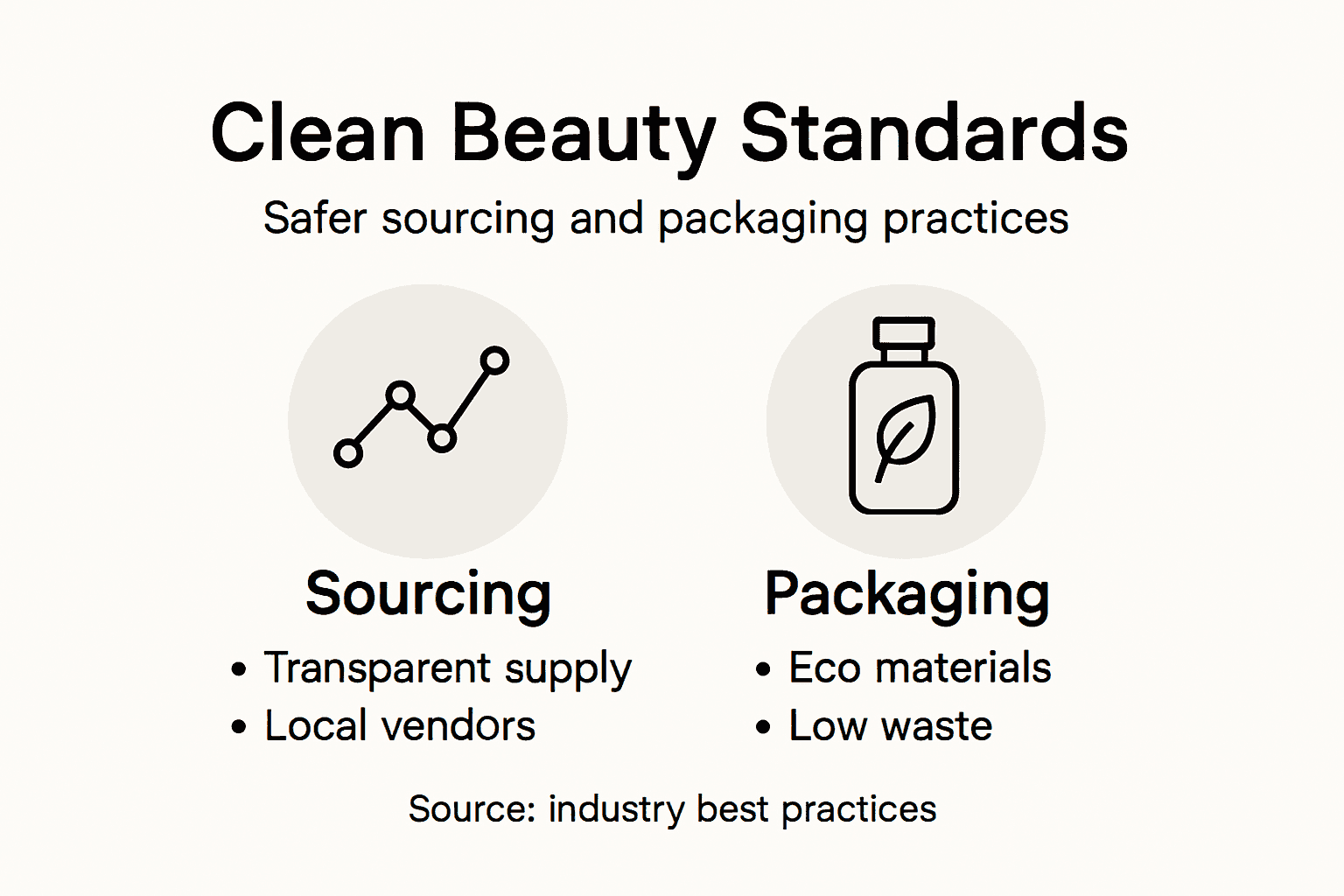
Understanding eco-conscious packaging can help distinguish genuinely sustainable brands:
| Packaging Practice | Environmental Benefit | Brand Impact |
|---|---|---|
| Recyclable materials | Reduces landfill waste | Signals sustainability commitment |
| Multi-use design | Cuts single-use costs | Builds brand loyalty |
| Biodegradable content | Lowers pollution risk | Enhances product appeal |
| Supply chain transparency | Reduces carbon footprint | Builds consumer trust |
Pro tip: Research brands that provide detailed sustainability reports and transparent documentation about their sourcing and packaging practices.
Risks, pitfalls, and greenwashing issues
The clean beauty movement faces significant challenges from deceptive marketing practices that undermine consumer trust and genuine sustainability efforts. Academic research on greenwashing reveals the complex landscape of misleading environmental claims in the beauty industry.
Common greenwashing tactics include:
- Using vague, unsubstantiated environmental claims
- Displaying misleading eco-friendly imagery
- Highlighting minimal sustainable practices as major achievements
- Concealing significant environmental violations
- Creating false certifications or eco-labels
Legal frameworks targeting deceptive marketing demonstrate growing regulatory scrutiny of these unethical practices. Consumers must develop critical skills to distinguish between genuine clean beauty initiatives and superficial marketing strategies designed to exploit environmental consciousness.
The risks extend beyond marketing manipulation. Greenwashing can lead to serious consequences, including potential health risks from products that fail to deliver on promised safety standards. Brands that engage in these deceptive practices not only compromise consumer health but also undermine the broader clean beauty movement’s credibility and important environmental goals.
Pro tip: Develop a personal checklist of scientifically-backed indicators to verify a brand’s authentic commitment to clean beauty standards before making a purchase.
How to identify truly clean products
Navigating the complex landscape of clean beauty requires a strategic approach to product selection. Comprehensive ingredient safety databases provide consumers with powerful tools to make informed skincare choices by evaluating product components scientifically.
Key strategies for identifying genuinely clean products include:
- Scrutinizing complete ingredient lists
- Checking for third-party certifications
- Researching brand transparency practices
- Verifying scientific research behind ingredient claims
- Understanding potential health impacts of individual ingredients
FDA guidance on cosmetic ingredients emphasizes the importance of consumer vigilance, as regulatory oversight remains limited. Consumers must take an active role in understanding product compositions, looking beyond marketing claims to assess actual ingredient safety and potential health risks.
Authentic clean beauty products distinguish themselves through comprehensive transparency, providing detailed information about ingredient sourcing, manufacturing processes, and potential environmental impacts. This means going beyond surface-level marketing to investigate a brand’s holistic approach to product development, environmental responsibility, and ingredient selection.
Pro tip: Create a personal reference list of scientifically-validated ingredients and potential harmful compounds to quickly evaluate product safety during shopping.
Discover Safer Skincare Choices with Didis Beauty Center
Understanding the complexities of clean beauty and navigating ingredient safety can be overwhelming. If you are seeking products that align with the core principles of safety, science, and transparency emphasized in clean beauty standards this is your perfect destination. Our Skin Care Collection - Face, Body, Oils offers carefully curated products free from harmful chemicals and crafted to support your healthy skin journey.
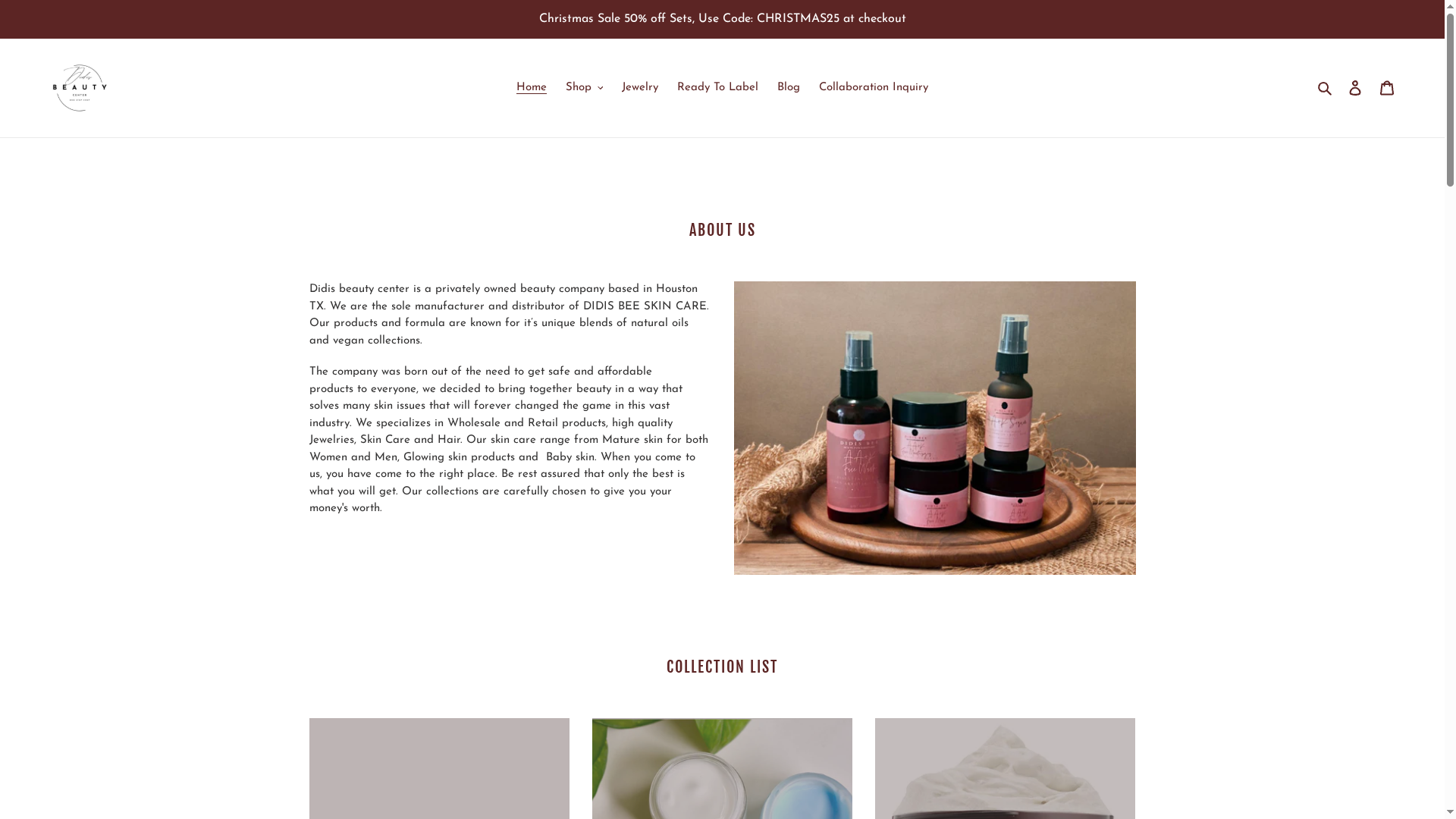
Take control of your skincare routine today by choosing high-quality formulations that prioritize your wellbeing and the planet. Explore our Oils Collection: Skincare Oils for Face & Body for natural moisturizing and nourishing options or unlock premium possibilities with our Ready To Label Collection - Brightening Skin Care designed for personal or entrepreneurial ambitions. Don’t wait to embrace a safer beauty experience visit https://didisbeautycenter.com now and start your clean beauty transformation with confidence.
Frequently Asked Questions
What is clean beauty?
Clean beauty refers to personal care products that prioritize safety, transparency, and scientifically validated ingredient selection while avoiding potentially harmful substances.
How does clean beauty differ from organic beauty?
Clean beauty focuses on the safety of ingredients based on scientific evidence, while organic beauty emphasizes sourcing from certified organic materials. Clean beauty allows for safe synthetic options, while organic typically avoids them.
What are some common ingredients excluded in clean beauty products?
Clean beauty products often exclude parabens, phthalates, sulfates, synthetic fragrances, and formaldehyde due to their associations with health risks and environmental concerns.
How can I identify truly clean beauty products?
To identify clean beauty products, examine complete ingredient lists, look for third-party certifications, research brand transparency practices, and check for scientific validation of ingredient safety.
Recommended
- Why Non-Toxic Skincare Matters for Wellness – Didis Beauty Center
- Why Non-Toxic Skincare Matters for Wellness – Didis Beauty Center
- 7-Step Eco-Friendly Beauty Checklist for Conscious Brands – Didis Beauty Center
- 7-Step Eco-Friendly Beauty Checklist for Conscious Brands – Didis Beauty Center
- Bridal Beauty: Pre-Wedding Skincare Routine for the Devotion Bride
Discourse (0)