


Finding your place in the world of beauty can feel overwhelming with so many choices, new trends, and shifting values. For aspiring beauty entrepreneurs, understanding the evolving definition of beauty entrepreneurship makes all the difference when building a brand that stands out. This guide provides you with a clear view into the innovative, eco-conscious strategies and practical steps needed to create affordable, natural skincare solutions that prioritize cruelty-free values and global market appeal.
Table of Contents
- Defining Beauty Entrepreneurship Today
- Types of Beauty Brands and Ventures
- Launching Your Beauty Business Step-by-Step
- Legal Regulations and Safety Requirements
- Financial Risks, Pitfalls, and Common Mistakes
Key Takeaways
| Point | Details |
|---|---|
| Embrace Innovation | Beauty entrepreneurs should leverage technology and creative strategies to meet evolving consumer needs and preferences. |
| Focus on Sustainability | Developing clean, ethical, and sustainable product lines can significantly enhance brand trust and consumer connection. |
| Prioritize Market Research | Comprehensive understanding of target demographics and market dynamics is essential for crafting effective brand strategies. |
| Ensure Legal Compliance | Adhering to safety regulations and industry standards is crucial for maintaining credibility and ensuring consumer safety. |
Defining Beauty Entrepreneurship Today
Beauty entrepreneurship represents a dynamic and rapidly evolving sector that combines creative innovation with strategic business development. Contemporary beauty entrepreneurship has emerged as a powerful economic force driven by technological advancements, changing consumer preferences, and a global shift toward sustainable, personalized skincare solutions.
At its core, beauty entrepreneurship transcends traditional product development, encompassing a holistic approach that integrates innovation, social responsibility, and market responsiveness. Modern beauty entrepreneurs are not just selling products - they are creating experiences, narratives, and movements that resonate with increasingly conscious consumers. This approach requires a multifaceted skill set that includes:
- Understanding complex market dynamics
- Leveraging digital marketing strategies
- Developing scientifically advanced formulations
- Creating authentic brand storytelling
- Implementing sustainable production practices
The landscape of beauty entrepreneurship has been particularly transformative for women, who have pioneered significant innovations in the industry. Women entrepreneurs have consistently challenged traditional beauty paradigms, introducing products that celebrate diversity, prioritize skin health, and address previously overlooked market segments.
Moreover, contemporary beauty entrepreneurship is deeply intertwined with technological innovation. Emerging entrepreneurs are utilizing artificial intelligence for personalized skincare recommendations, developing clean and ethical product lines, and creating brands that prioritize transparency and consumer education.
Pro tip: Research your target market extensively and develop a unique value proposition that goes beyond aesthetic appeal to address genuine consumer needs and sustainability concerns.
Types of Beauty Brands and Ventures
Beauty ventures today represent a diverse and dynamic ecosystem that extends far beyond traditional product lines. Global beauty market segments have dramatically transformed, creating multiple innovative brand categories that cater to increasingly sophisticated consumer needs.
The contemporary beauty landscape can be categorized into several distinct types of ventures:
- Clean Beauty Brands: Focused on natural, non-toxic ingredients
- Personalization Platforms: Offering custom skincare solutions
- Wellness-Integrated Brands: Combining beauty with holistic health approaches
- Inclusive Beauty Lines: Celebrating diversity across skin tones and types
- Technology-Driven Skincare: Utilizing AI and digital diagnostics
Beauty company structures range from nimble independent startups to comprehensive portfolio brands. Small, mission-driven companies are increasingly challenging traditional beauty conglomerates by introducing innovative approaches that prioritize sustainability, transparency, and ethical production.
Particularly noteworthy are emerging ventures that blend technological innovation with social responsibility. These brands are not just selling products but creating comprehensive experiences that resonate with conscious consumers who demand authenticity, environmental stewardship, and meaningful brand narratives.

Here’s a comparison of popular beauty brand types and what sets each apart:
| Brand Type | Key Differentiator | Typical Consumer Benefit |
|---|---|---|
| Clean Beauty | Focus on non-toxic ingredients | Sensitive skin compatibility |
| Personalization Platform | Custom-tailored product solutions | Skincare suited to individual needs |
| Wellness-Integrated | Links beauty with health practices | Holistic well-being alongside skincare |
| Inclusive Beauty Line | Broad diversity representation | Options for every skin tone |
| Tech-Driven Skincare | AI and digital diagnosis | Scientific accuracy in recommendations |
Pro tip: When developing your beauty venture, focus on creating a unique value proposition that goes beyond product features and speaks directly to your target audience’s deeper aspirations and values.
Launching Your Beauty Business Step-by-Step
Starting a beauty business requires strategic planning and methodical execution. Step-by-step business planning involves navigating complex legal, operational, and creative challenges that demand careful consideration and professional approach.
The fundamental stages of launching your beauty venture include:
-
Market Research and Concept Development
- Identify your specific niche
- Analyze target customer demographics
- Define unique brand positioning
-
Business Structure and Legal Requirements
- Choose appropriate legal business entity
- Register your business name
- Obtain necessary professional licenses
-
Financial Planning
- Create comprehensive business budget
- Secure initial startup funding
- Establish pricing strategy
Launching a beauty business demands more than just product development. Successful entrepreneurs understand the importance of creating a holistic brand experience that connects authentically with conscious consumers.
Technology and digital platforms have transformed how beauty businesses operate, enabling entrepreneurs to reach global markets with minimal initial investment. Modern beauty startups can leverage online platforms for marketing, sales, and customer engagement, dramatically reducing traditional barriers to entry.
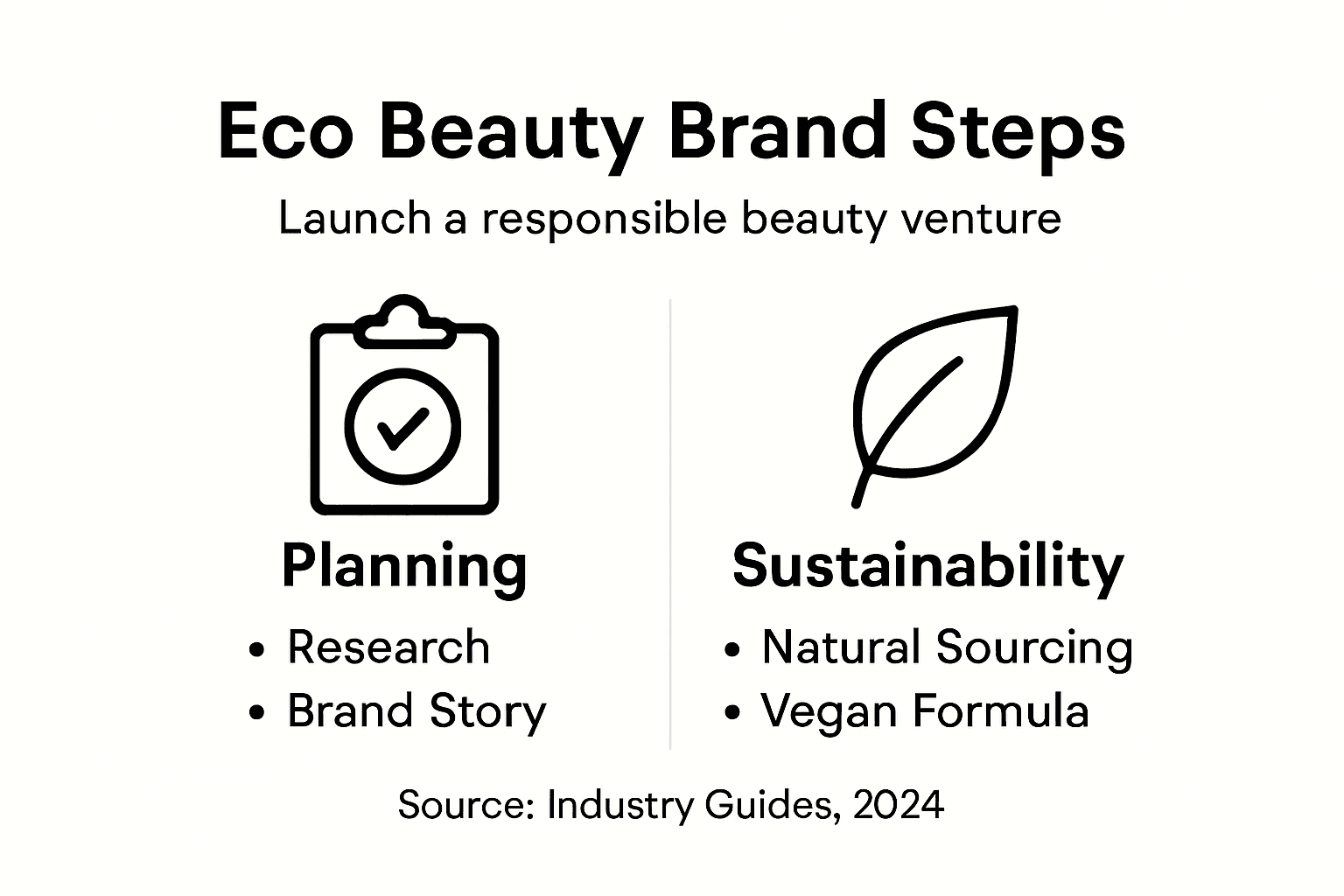
Pro tip: Invest significant time in developing a compelling brand story that resonates with your target audience’s values and aspirations, as this will differentiate you in a competitive marketplace.
Legal Regulations and Safety Requirements
Navigating the complex landscape of beauty product regulations requires meticulous attention to detail and comprehensive understanding of global legal frameworks. Cosmetic product regulations demand rigorous compliance to ensure consumer safety and market credibility.
Key regulatory requirements for beauty entrepreneurs include:
-
Product Safety Assessments
- Comprehensive ingredient toxicology screening
- Documented safety evaluation reports
- Third-party laboratory testing
-
Labeling and Documentation
- Accurate ingredient listings
- Precise product classification
- Clear consumer usage instructions
-
Legal Compliance Frameworks
- Registration with national regulatory bodies
- Adherence to international safety standards
- Transparent manufacturing documentation
Global cosmetic regulations vary significantly across different jurisdictions, making it essential for beauty entrepreneurs to develop a nuanced understanding of regional legal requirements. Each market presents unique challenges, from ingredient restrictions to packaging guidelines.
Successful beauty brands must implement robust quality control systems that not only meet legal standards but also demonstrate a commitment to consumer health and environmental responsibility. This approach involves continuous monitoring of regulatory updates and proactive adaptation of product formulations and manufacturing processes.
Pro tip: Consult with a specialized regulatory attorney who understands beauty industry compliance to ensure your products meet all necessary legal standards across target markets.
Financial Risks, Pitfalls, and Common Mistakes
Launching a beauty business involves navigating complex financial landscapes that can quickly derail unprepared entrepreneurs. Beauty business financial mistakes represent critical challenges that demand strategic foresight and meticulous planning.
Common financial pitfalls for beauty entrepreneurs include:
-
Undercapitalization
- Insufficient startup funding
- Limited emergency reserves
- Unrealistic revenue expectations
-
Cost Management Errors
- Overlooking hidden operational expenses
- Inefficient inventory management
- Poor pricing strategy development
-
Cash Flow Challenges
- Inconsistent revenue streams
- Delayed payment processing
- Inadequate financial tracking systems
Entrepreneurial financial risks extend beyond simple budgeting, requiring sophisticated financial modeling and proactive risk management. Successful beauty brands develop comprehensive financial strategies that anticipate market fluctuations and potential economic challenges.
Most beauty entrepreneurs underestimate the complexity of financial planning, often mistaking passion for sustainable business acumen. Developing robust financial systems, maintaining detailed records, and creating multiple revenue scenarios are crucial for long-term sustainability and growth.
To help new entrepreneurs, here’s a summary of critical financial missteps and proactive solutions:
| Financial Mistake | Risk Created | Preventive Action |
|---|---|---|
| Undercapitalization | Inability to cover expenses | Build reserve funds and raise capital |
| Poor Cost Management | Budget overruns | Regular expense audits |
| Cash Flow Instability | Missed payments and shutdown | Maintain detailed forecasts |
| Inefficient Pricing | Lost profit opportunities | Analyze market and adjust pricing |
Pro tip: Create a detailed financial contingency plan with at least six months of operating expenses saved, and regularly review your financial projections to maintain realistic expectations and adaptability.
Empower Your Eco-Conscious Beauty Brand Today
Creating a sustainable beauty business means tackling challenges like sourcing natural ingredients, developing vegan-friendly formulations, and ensuring eco-conscious packaging and transparency. If you are passionate about building a brand that reflects these values and meets the growing demand for clean beauty solutions, Didis Beauty Center is your trusted partner for success. Our extensive selection of beauty example products offers natural, vegan skincare essentials ready to help you start or grow your eco-friendly venture.
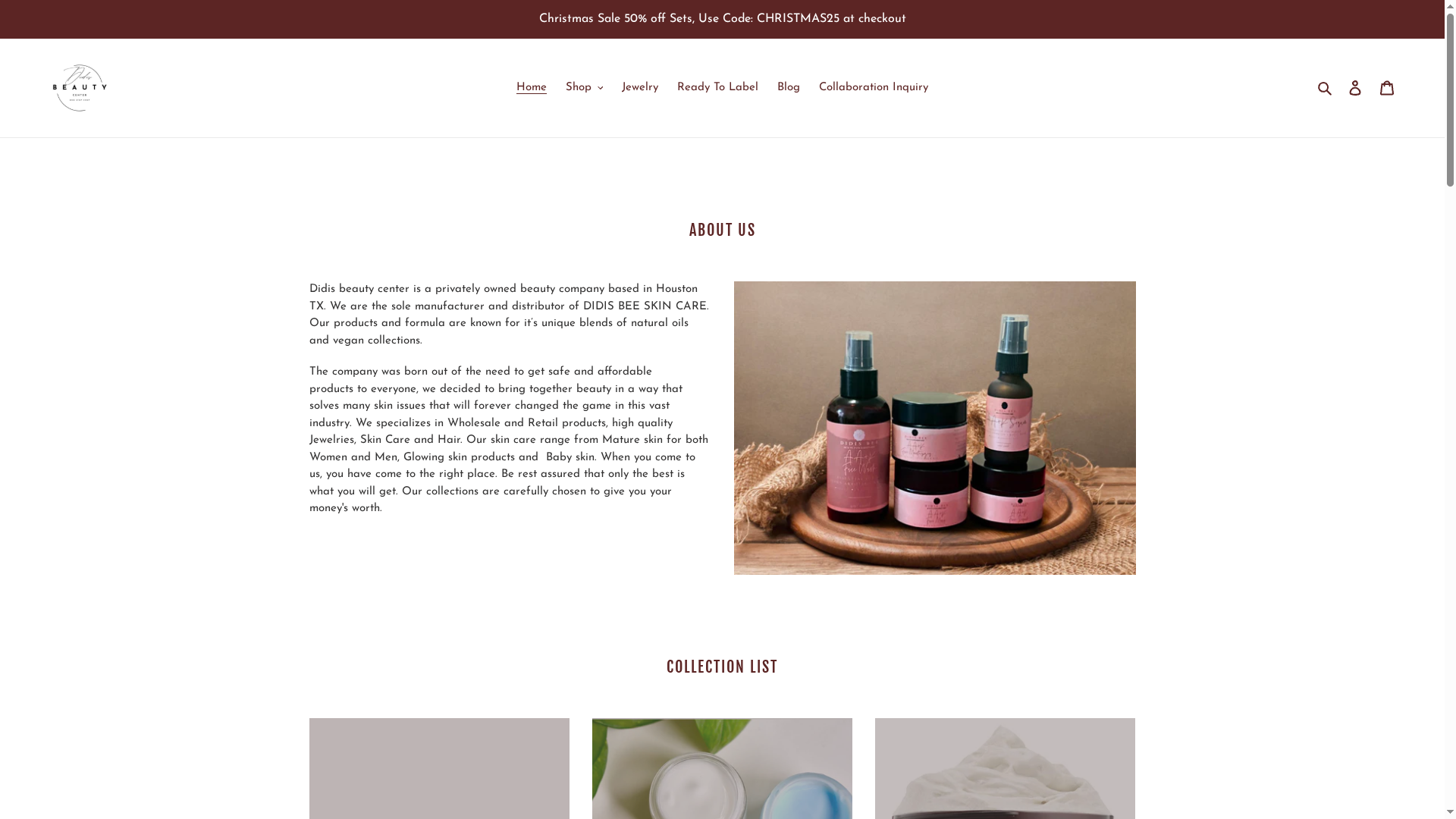
Start building a responsible beauty brand now with access to high-quality products, private label options, and educational resources that perfectly align with your vision. Explore our Beauty Bundles Collection for cost-effective deals crafted to support emerging entrepreneurs. Visit Didis Beauty Center today and take your first step toward a sustainable beauty future filled with authenticity and trust.
Frequently Asked Questions
What is beauty entrepreneurship?
Beauty entrepreneurship refers to the creation and development of businesses in the beauty sector that combine creative innovation with strategic business practices, focusing on aspects such as sustainability, technology, and consumer engagement.
How can I start an eco-conscious beauty brand?
To start an eco-conscious beauty brand, conduct thorough market research, identify a unique niche, incorporate sustainable practices into your product development, and ensure transparency in your sourcing and manufacturing processes.
What are the key types of beauty brands today?
Modern beauty brands can be categorized into several types, including clean beauty brands, personalization platforms, wellness-integrated brands, inclusive beauty lines, and technology-driven skincare brands, each catering to different consumer needs and preferences.
What common mistakes should I avoid when launching a beauty business?
Common mistakes include undercapitalization, poor cost management, cash flow challenges, and inefficient pricing strategies. It’s essential to develop a robust financial plan, maintain detailed records, and create a contingency plan for sustainable growth.
Recommended
- Defining Sustainable Beauty: Impact on Modern Skincare – Didis Beauty Center
- Defining Sustainable Beauty: Impact on Modern Skincare – Didis Beauty Center
- Sustainable Beauty Explained: Healthy Skin, Greener Earth – Didis Beauty Center
- Sustainable Beauty Explained: Healthy Skin, Greener Earth – Didis Beauty Center
Discourse (0)