


TL;DR:
- Many beauty products claim to be “organic,” “natural,” or “clean,” but lack third-party certification and often misuse these terms without regulation. Certified organic standards, such as COSMOS or USDA Organic, verify ingredient sourcing and processing, providing genuine consumer protection, unlike vague marketing claims. To ensure safety and authenticity, consumers and brands should seek official certifications, read full ingredient lists, and verify claims through reputable sources.
Walk into any beauty aisle or scroll through an online skincare store and you’ll find shelves packed with products boasting “organic,” “natural,” or “clean” claims. The problem? Many of these products lack third-party certification, and the word “natural” carries zero legal definition in cosmetic regulation. That means a face wash with one drop of chamomile extract can legally call itself “natural,” even if its formula is packed with synthetic preservatives. This guide cuts through the noise so you can shop smarter, protect your skin, and, if you’re building a brand, create products your customers can actually trust.
Table of Contents
- What does ‘organic’ really mean in cosmetics?
- Certification and safety: How to spot real organic cosmetics
- Skin health and environmental impact: The core reasons to go organic
- Navigating hidden risks and making informed choices
- Why checking the label isn’t enough: Our take on going organic
- Discover certified organic options and private label support
- Frequently asked questions
Key Takeaways
| Point | Details |
|---|---|
| Certified organic is not just a label | True organic products are certified by third parties, which reduces ambiguity and ensures higher standards. |
| Ingredient analysis matters most | Choosing safer cosmetics depends on evaluating each ingredient, not just trusting labels like ‘organic’ or ‘natural’. |
| Look for transparent brands | The best brands document their sourcing, safety process, and provide proof far beyond marketing language. |
| Certifications protect both consumers and brands | Certification organizations provide assurance for buyers and legal protection for companies committed to organic principles. |
| Always patch test | Even organic products can trigger reactions, so start with a patch test, especially if you have sensitive skin. |
What does ‘organic’ really mean in cosmetics?
Let’s begin by clearing up what “organic” really means in cosmetics and how it’s different from the term “natural.”
Most people use “organic” and “natural” interchangeably, but in cosmetics, they are not the same thing. Organic refers to ingredients that are grown and processed according to certified agricultural standards, free from synthetic pesticides, fertilizers, and GMOs. When a product carries a legitimate organic certification, it has met specific criteria verified by an independent body. Natural, on the other hand, simply means the brand decided to put that word on the label. There is no agreed-upon global definition, and no regulator requires proof before a brand can use it.
Third-party certification schemes exist precisely to help consumers and brands distinguish genuinely organic and natural products from vague marketing language. The most widely recognized include:
- COSMOS (COSMetic Organic and Natural Standard): A European standard covering both organic and natural cosmetics with detailed ingredient and manufacturing requirements.
- USDA Organic: Based on U.S. agricultural standards, requires that at least 95% of ingredients be certified organic to use the seal.
- EWG Verified: A U.S. program that screens products against a database of ingredient safety data.
- Ecocert: A French certification body that has become one of the most recognized globally for natural and organic cosmetics.
Here’s a quick comparison to help you understand the landscape:
| Label | Regulated? | Requires certification? | Minimum organic content |
|---|---|---|---|
| Organic (certified) | Yes, by certifying body | Yes | 70%–95%+ depending on standard |
| Natural (certified) | Yes, by certifying body | Yes | Varies by standard |
| Natural (uncertified) | No | No | None |
| Clean | No | No | None |
| Eco-friendly | No | No | None |
A word to remember: Just because a product says “natural” doesn’t mean it’s free from synthetics. And just because a product has one certified organic ingredient doesn’t mean the whole formula is organic. Always look for the certification logo, not just the word.
“Natural” has no legal definition in cosmetic regulation, which means every brand uses it however it chooses. This is why learning to read a full ingredient list, not just the front of the bottle, is the single most valuable habit you can build. If you’re also exploring eco-friendly nail care and other adjacent beauty categories, the same skepticism applies: ask for the certification, not just the claim.
Certification and safety: How to spot real organic cosmetics
Knowing the difference between terms, let’s see how certification and regulation create true consumer protection.
Certifications are not just marketing tools. They represent audited, documented proof that a product meets specific ingredient sourcing, manufacturing, and safety criteria. For shoppers, they remove the guesswork. For small brands, they provide a credible foundation for consumer trust and, increasingly, a legal requirement in key markets.
Here’s a look at what the major standards actually guarantee:
| Certification | Region | Key requirements | Who audits? |
|---|---|---|---|
| COSMOS Organic | Europe/global | Min. 20% organic content (rinse-off), prohibited ingredients list | Ecocert, BDIH, and others |
| USDA Organic | USA | Min. 95% organic ingredients | USDA-accredited agencies |
| EWG Verified | USA | No ingredients of concern per EWG database | EWG |
| Ecocert Natural | Global | Min. 95% natural origin ingredients | Ecocert |
All cosmetics sold in the EU must comply with Regulation (EC) No 1223/2009, which governs safety assessments, labeling, and prohibited substances. This is one of the strictest cosmetics frameworks in the world, and it sets a useful benchmark even if you’re shopping or selling outside Europe.
Here’s a practical step-by-step process for verifying organic claims, whether you’re a shopper or a brand owner:
- Look for the certification logo, not just the word “organic” or “natural.” Logos are awarded only after an audit.
- Check the certifying body’s website. Most allow you to search certified brands and products online.
- Review the ingredient list. Certified organic ingredients are typically labeled with an asterisk (*) or noted as “organic” within the INCI (International Nomenclature of Cosmetic Ingredients) name.
- Research the brand’s transparency. Legitimate brands publish their certifications, sourcing policies, and safety assessments.
- Use third-party databases like EWG’s Skin Deep to cross-check ingredients in any product you’re considering.
Pro Tip: If a brand’s website only lists “made with natural ingredients” but shows no certification seal and no INCI ingredient list, that’s a signal to dig deeper before buying.
Regulators are raising the bar for proving safety and performance in natural beauty. Stricter limits and documentary requirements mean that brands can no longer coast on label claims alone. For small business owners, this is both a challenge and a real opportunity: build your documentation now, and you’ll be ahead of brands that waited.
Our eco-friendly beauty checklist walks through many of these verification steps in practical detail, which makes it a useful companion resource when you’re evaluating products or preparing your own brand’s documentation.
Skin health and environmental impact: The core reasons to go organic
Once safety and standards are clear, the next logical question is: why do people really choose organic, and what are the true benefits for skin and the planet?
There are two distinct categories of benefit: what organic cosmetics can do for your skin, and what they do (or don’t do) for the environment. Both matter. Both deserve an honest look.
Environmental benefits:
- Organic ingredient sourcing typically avoids synthetic pesticides and chemical fertilizers, which reduces soil and waterway contamination.
- Certified organic farming tends to support biodiversity and healthier ecosystems over time.
- Many organic brands also prioritize ethical sourcing in beauty, fair labor practices, and eco-conscious packaging.
- Organic sourcing aligns with sustainability goals, but without certification, “organic” marketing can be misused and the environmental claims don’t hold up.
Personal skin benefits:
Organic formulas tend to contain fewer synthetic additives, artificial fragrances, and harsh preservatives. Many people with sensitive or reactive skin find that switching to certified organic products reduces the frequency of irritation, redness, and breakouts. That said, “organic” is not a synonym for “hypoallergenic.” Natural ingredients like essential oils, botanical extracts, and plant proteins can all trigger allergic reactions in sensitive individuals.
Bioactive substances in organic formulas, such as polyphenols, flavonoids, and plant-derived oils, show real promise for antioxidant protection, anti-inflammatory action, and barrier support. But and this is important, the efficacy of these ingredients depends on the specific formula, concentration, and delivery system, not just on the fact that an ingredient is organic.
Pro Tip: Look for organic formulas that disclose active ingredient concentrations. A product with 0.1% of a certified organic botanical may deliver far less benefit than one with a higher, clinically studied concentration.
Understanding the sustainable beauty impact of your choices matters both for the planet and for building a brand story that resonates. If you want to go even deeper on that connection, exploring a greener earth through skincare gives you a broader view of how individual product choices add up to real environmental outcomes.
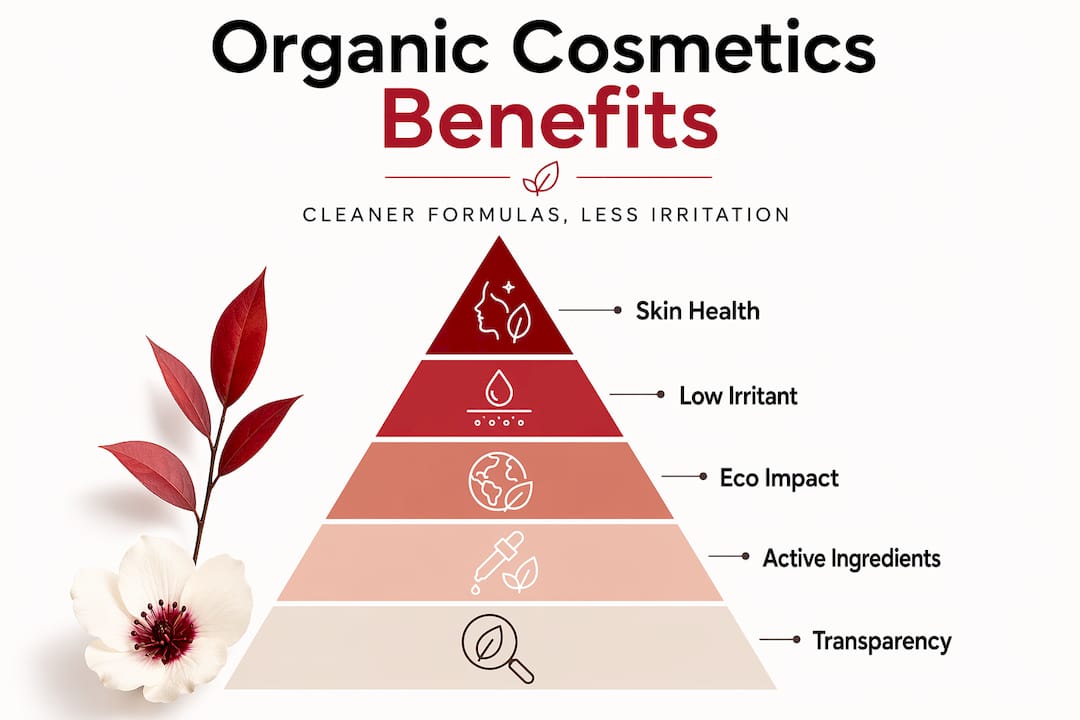
The bottom line on benefits: organic cosmetics can genuinely offer cleaner formulas with fewer irritants and a lower environmental footprint. But those benefits are tied to verified sourcing and formulation quality, not to the word printed on the label.
Navigating hidden risks and making informed choices
With the benefits laid out, it’s just as critical to understand the limitations and best practices for choosing or developing organic cosmetics safely.
The most common mistake shoppers make is treating “organic” or “natural” as a blanket safety guarantee. It isn’t. Here’s why: a product can contain 100% naturally derived ingredients and still cause significant skin reactions. Poison ivy is natural. Concentrated citrus essential oils can cause photosensitivity. Lanolin, derived from sheep’s wool, is a known allergen for some individuals. The source of an ingredient tells you something, but not everything.
“Organic” can be associated with better tolerability, but the strongest approach to safety is an ingredient-specific and product-specific evaluation, not label-based assumptions.
Here’s a practical framework for evaluating any organic or natural product before you commit to it:
- Read the full ingredient list. Ingredients are listed from highest to lowest concentration. Organic claims at the front of a bottle may refer to a minor ingredient near the bottom of the list.
- Research key ingredients. Use tools like EWG’s Skin Deep database to look up ingredient safety profiles and flag anything with moderate or high concern ratings.
- Check for common allergens. EU regulations require disclosure of 26 known fragrance allergens. If you have known sensitivities, search for these specifically.
- Patch test every new product. Apply a small amount to the inner wrist or behind the ear for 24 to 48 hours before full use.
- Track your skin’s response. Keep a simple log when you introduce new products. If a reaction occurs, you’ll have a clear record of what changed.
For small brand owners, the stakes are even higher. Your customers trust you to have done the safety work before a product reaches them. That means your responsibility goes beyond sourcing organic raw materials. You need safety assessments, stability testing, and documented supplier certifications to back up every claim on your label.
Exploring our resources on organic skincare impact can help you understand both the consumer-facing benefits and the behind-the-scenes requirements that make those benefits credible.
Why checking the label isn’t enough: Our take on going organic
Here’s the uncomfortable truth we don’t say often enough in the beauty industry: most consumers, and more than a few brand owners, still make purchasing and sourcing decisions based on how a product looks and what it claims, rather than what it actually contains and proves.
Attractive packaging, earthy color palettes, and words like “pure,” “botanical,” or “green” create a powerful emotional shortcut. They feel safe. They feel responsible. But emotion is not evidence. A beautifully designed jar with a leaf logo is not the same as a certified, safety-assessed, transparently formulated product.
The real path to healthier skin and a trustworthy brand is not about finding the right keywords on a label. It’s about three things: transparency, verification, and willingness to ask harder questions. What certifications does this brand hold? Can they show me the safety data? Who audited their suppliers?
Small brands should pair organic positioning with robust documentation and real safety evidence, not rely solely on certification logos as a shortcut. Regulations are tightening globally, and the brands that survive and lead are the ones building genuine proof into their products from the start, not retrofitting compliance after the fact.
For consumers, the equivalent shift is moving from passive label reading to active ingredient research. That takes a bit more time, but it pays off in fewer wasted purchases, fewer skin reactions, and greater confidence in the products you use every day. We believe that educated consumers make the whole industry better. When you ask better questions, brands are forced to provide better answers.
Discover certified organic options and private label support
Ready to apply these principles to your next beauty buy or brand? Here’s where to take action.
Whether you’re a consumer searching for products you can genuinely trust, or an entrepreneur building a line of natural and vegan skincare from the ground up, the next step is the same: work with partners and suppliers who can actually back up their organic claims with documentation.
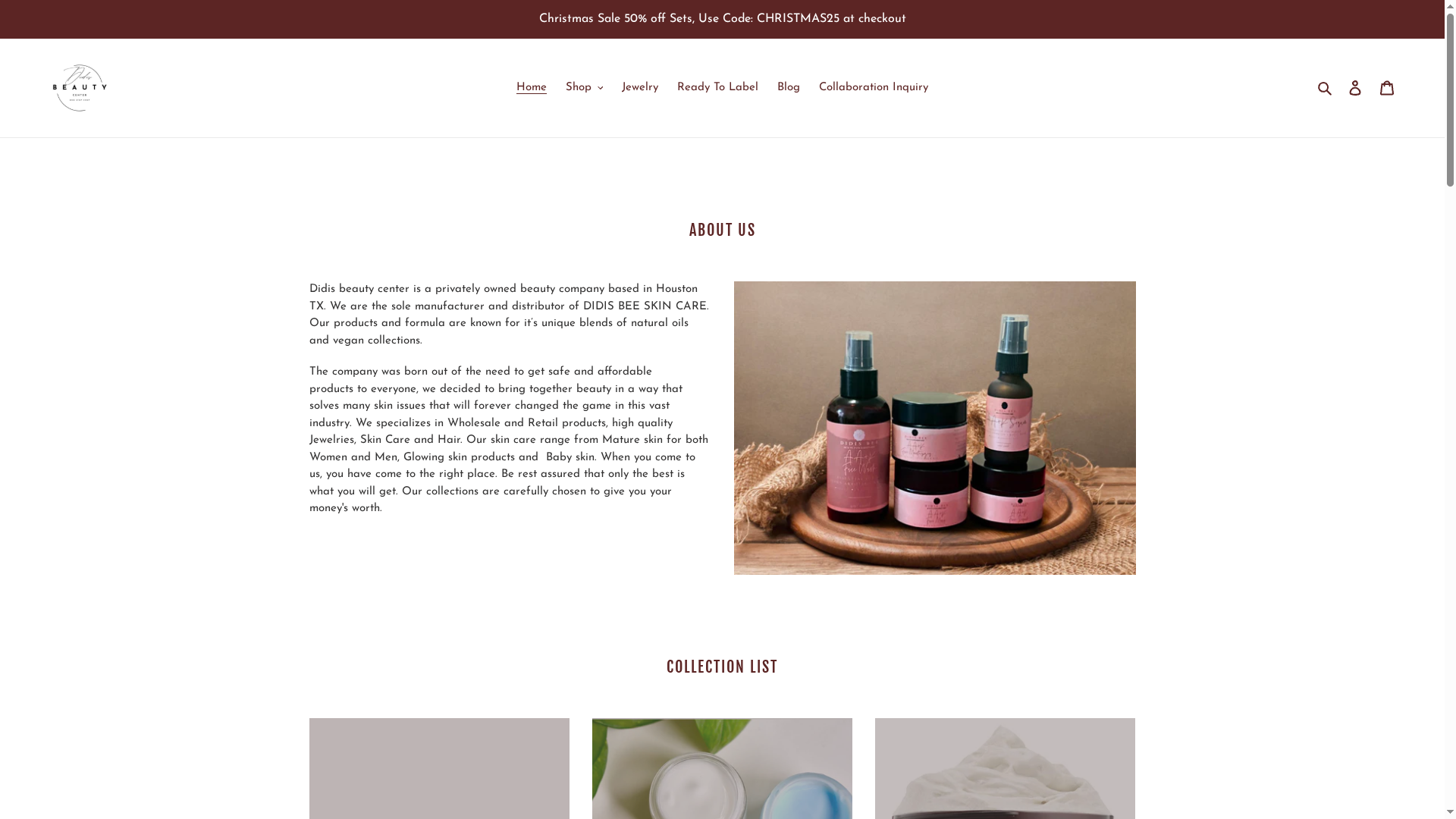
At Didis Beauty Center, we’ve built our product catalog and brand support resources with exactly this standard in mind. Our formulations prioritize natural, vegan ingredients, and our resources for entrepreneurs go beyond just supplying products. If you’re ready to launch your own certified organic or natural line, our private label organic cosmetics program gives you access to ready-to-label products, formulation guidance, and the documentation support you need to market your brand with confidence. You don’t have to choose between speed-to-market and credibility. With the right partner, you can have both.
Frequently asked questions
How can I tell if a cosmetic is truly organic?
Look for well-known certification logos like COSMOS, USDA Organic, or EWG Verified on the packaging, then verify the certification on the certifying body’s official website. Always cross-check the ingredient list, since logos alone don’t confirm every individual ingredient’s origin.
Is ‘organic’ really safer or better for your skin?
Many certified organic products use fewer synthetic additives and include bioactive ingredients with documented skin benefits, but no label guarantees zero risk of reaction. The safest approach is to evaluate specific ingredients for your skin type rather than assume any category of product is universally gentle.
Can small brands label their products as organic without certification?
Legally, brands must meet the criteria of a recognized certification standard before marketing cosmetics as organic, since unverified organic claims can mislead consumers and may expose the brand to regulatory action. The certification process also strengthens your brand’s credibility and documentation, which regulators increasingly require.
What should I do if I have a reaction to an organic product?
Stop using the product immediately, review the ingredient list for known personal triggers, and consult a dermatologist for professional guidance. Remember that better tolerability with organic products is possible but not guaranteed, which is why patch testing every new product before full use is always the recommended first step.
Discourse (0)