


TL;DR:
- Choosing the right face soap involves matching formulations to your skin type while maintaining skin barrier health. Natural, vegan options like glycerin-based bars and gentle syndet formulations support skin balance and reduce irritation. Proper technique and avoiding harsh surfactants preserve your skin’s natural pH, ensuring effective cleansing without damage.
A must-have face soap is one formulated with skin-friendly ingredients like glycerin, salicylic acid, and plant-based oils that match your skin type while preserving your natural skin barrier. The right facial cleanser does more than remove dirt. It supports your skin’s pH, respects its lipid layer, and works with your biology rather than against it. This must-have face soaps list focuses on natural and vegan options that dermatologists and skincare specialists consistently recommend for daily use. Whether you deal with oily breakouts, dry patches, or sensitivity, the right soap exists and this guide will help you find it.
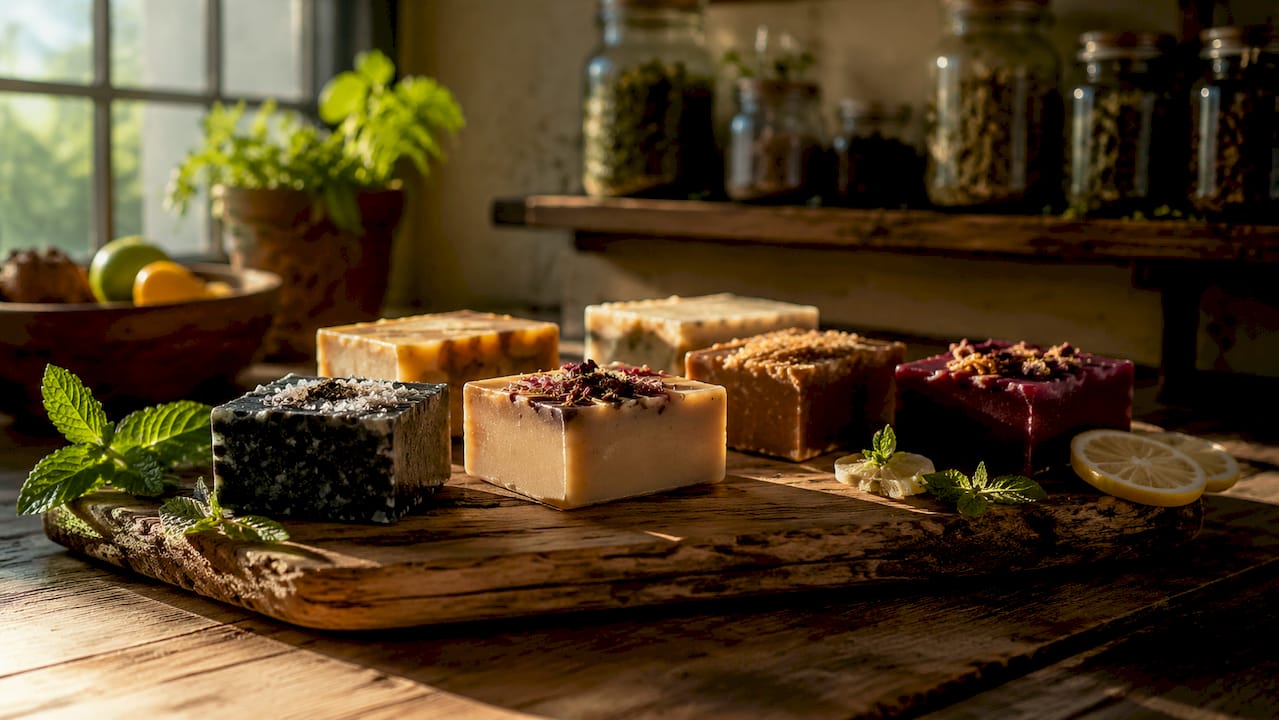
How to choose face soap for your skin type
Choosing a face soap starts with knowing your skin type. The wrong formula can strip your barrier, clog pores, or trigger irritation within days of use.
Here is a breakdown by skin type and what to look for:
- Oily or acne-prone skin: Look for salicylic acid at 0.5–2%, which dissolves excess sebum inside pores. Gel or foaming formulas work well here, but avoid anything that leaves your skin feeling tight.
- Dry or sensitive skin: Cream or glycerin-rich formulas with humectants like hyaluronic acid are the right call. These ingredients pull moisture into the skin rather than stripping it away.
- Combination skin: A pH-balanced gel cleanser handles the oily T-zone without drying out your cheeks.
- Eczema-prone or reactive skin: Prioritize fragrance-free, non-comedogenic formulas as a baseline. Fragrance is one of the most common triggers for contact dermatitis.
One format consideration most people overlook is the syndet bar. Syndet bars use synthetic surfactants that maintain an acidic pH closer to your skin’s natural level of 4.5–5.5. Traditional bar soaps often sit at a pH of 9–10, which disrupts your skin’s acidic mantle and invites irritation. A face-specific syndet bar is a smarter choice than grabbing a generic body bar off the shelf.
Pro Tip: If your skin feels tight or looks red after washing, your cleanser is too harsh. Switch to a lower-pH formula immediately and give your barrier two weeks to recover.
Must-have face soaps list: top natural and vegan picks
This curated list covers bar and liquid formats with natural and vegan credentials. Each entry includes key ingredients, skin suitability, and what makes it stand out.
1. Glycerin-based cold process bar soap
Cold process bar soaps retain natural glycerin along with nourishing plant-based oils like olive oil and shea butter. That glycerin is a humectant that draws moisture to the skin’s surface. These bars are ideal for dry and normal skin types. Look for options with short ingredient lists and no synthetic fragrance.
- Key ingredients: Glycerin, olive oil, shea butter
- Best for: Dry, normal skin
- Standout feature: Retains natural emollients lost in commercial soap production
2. Salicylic acid foaming cleanser
A salicylic acid foaming cleanser at 1–2% concentration is the gold standard for oily and acne-prone skin. Salicylic acid is a beta-hydroxy acid that penetrates oil and exfoliates inside the pore. Byrdie’s 2026 testing confirms this concentration range as the most effective for clearing congested pores. Use it once daily at night to avoid over-drying.
- Key ingredients: Salicylic acid (1–2%), aloe vera
- Best for: Oily, acne-prone skin
- Standout feature: Exfoliates inside pores without physical scrubbing
3. Kaolin clay cleansing bar
Kaolin clay is one of the gentlest absorbent clays available. It pulls excess oil and impurities from the skin without stripping moisture. A vegan kaolin clay bar works particularly well for combination skin because it targets oiliness in the T-zone while leaving drier areas intact. Pair it with a lightweight toner after rinsing.
- Key ingredients: Kaolin clay, jojoba oil, vitamin E
- Best for: Combination, oily skin
- Standout feature: Absorbs oil without disrupting the moisture balance
4. Oat and chamomile sensitive skin bar
Colloidal oatmeal and chamomile extract are two of the most clinically supported ingredients for calming reactive skin. Colloidal oatmeal forms a protective film on the skin surface, reducing water loss and shielding against irritants. This bar format is ideal for people with eczema or rosacea who need a daily cleanser that does not aggravate flares. Check the natural face soaps guide at Didisbeautycenter for more on ingredient sourcing.
- Key ingredients: Colloidal oatmeal, chamomile, glycerin
- Best for: Sensitive, eczema-prone skin
- Standout feature: Clinically supported anti-inflammatory ingredients
5. Activated charcoal detox bar
Activated charcoal binds to surface impurities and draws them out of pores. It is not a deep-pore treatment the way salicylic acid is, but it works well as a weekly detox bar for urban skin exposed to pollution. Vegan charcoal bars often include tea tree oil for added antibacterial action. Use this one two to three times per week rather than daily.
- Key ingredients: Activated charcoal, tea tree oil, coconut oil
- Best for: Oily, pollution-exposed skin
- Standout feature: Draws out surface impurities without chemical exfoliants
6. Hyaluronic acid gel cleanser
A gel cleanser with hyaluronic acid is one of the best essential face wash options for people who want hydration built into their cleansing step. Hyaluronic acid holds up to 1,000 times its weight in water, making it a powerful humectant even in a rinse-off product. This format suits dry and dehydrated skin types year-round. It also layers well under serums and moisturizers.
- Key ingredients: Hyaluronic acid, aloe vera, green tea extract
- Best for: Dry, dehydrated skin
- Standout feature: Adds hydration during the cleansing step itself
7. Rosehip and vitamin C brightening bar
Rosehip oil is rich in vitamin A and essential fatty acids that support cell turnover and even out skin tone. Combined with vitamin C, it makes a brightening cleansing bar suited to dull or uneven skin. This is a popular face cleanser among those targeting hyperpigmentation without committing to a full treatment serum. The Didisbeautycenter Glowing Herbal Soap is a strong example of this category.
- Key ingredients: Rosehip oil, vitamin C, turmeric
- Best for: Dull, uneven, or aging skin
- Standout feature: Brightening actives in a gentle daily format
8. Neem and tea tree antibacterial bar
Neem oil has been used in Ayurvedic skincare for centuries and carries documented antibacterial and antifungal properties. Paired with tea tree oil, it creates a powerful vegan antibacterial bar for acne-prone and oily skin. This combination targets the bacteria linked to breakouts without the dryness associated with benzoyl peroxide formulas. Use it in the morning as part of a two-step cleanse.
- Key ingredients: Neem oil, tea tree oil, peppermint
- Best for: Acne-prone, oily skin
- Standout feature: Plant-based antibacterial action without synthetic chemicals
9. Shea butter cream cleanser
A cream cleanser with shea butter is the recommended facial soap for mature or very dry skin. Shea butter is rich in oleic acid, which mimics the skin’s own sebum and supports the lipid barrier. Cream cleansers do not foam heavily, which can feel unfamiliar at first. That low-lather experience is actually a sign the formula is not stripping your skin.
- Key ingredients: Shea butter, ceramides, squalane
- Best for: Mature, very dry skin
- Standout feature: Replenishes lipids while cleansing
10. Micellar cleansing bar
Micellar technology uses tiny oil molecules suspended in water to attract and lift dirt and makeup without rubbing. In bar form, this creates a travel-friendly, waterless-optional cleanser that suits all skin types. It is one of the top face soaps for people who wear makeup daily and want a first-cleanse option that does not require a separate micellar water bottle.
- Key ingredients: Micellar agents, rose water, aloe vera
- Best for: All skin types, makeup wearers
- Standout feature: Effective makeup removal in a solid bar format
Pro Tip: Rotate between two cleansers: a gentle daily bar and a targeted treatment cleanser used two to three times per week. This gives your skin consistent care without over-exposing it to active ingredients.
Comparing face soap formats: which one fits your routine?
The format of your cleanser matters as much as its ingredients. Here is a direct comparison of the four main types.
| Format | Best skin type | Cleansing strength | Moisture impact | Vegan options |
|---|---|---|---|---|
| Bar soap (syndet) | All types | Moderate | Neutral to positive | Widely available |
| Foaming gel | Oily, acne-prone | High | Can be drying | Common |
| Cream cleanser | Dry, mature | Low to moderate | Positive | Common |
| Oil cleanser | Dry, makeup users | High (for oil-based) | Very positive | Available |
Foaming cleansers are effective at removing makeup and oil but can over-dry many skin types. More lather does not equal better cleaning. This is one of the most persistent myths in skincare. An oil cleanser, by contrast, uses the principle that like dissolves like. It removes sunscreen and heavy makeup without disrupting the skin’s lipid layer.
Cold process bar soaps retain natural glycerin and plant oils that many liquid formulas lose during manufacturing. That makes them a genuinely moisturizing option when properly formulated. The key distinction is syndet bars versus traditional soap bars. Traditional bars sit at a pH of 9–10, while your skin’s natural pH is 4.5–5.5. A pH-compatible syndet bar is the better daily choice for facial skin.
Pro Tip: If you wear SPF or foundation daily, use an oil or micellar cleanser first, then follow with your regular face soap. This double-cleanse method removes everything without requiring you to scrub.
How to use face soap for the best results
Technique matters as much as formula. These steps protect your skin barrier while getting a thorough clean.
- Lather in your hands first. Apply soap through lather, not by rubbing the bar directly on your face. Direct bar contact creates friction that causes micro-abrasions and redness over time.
- Use lukewarm water. Hot water strips the skin’s lipid layer faster than any harsh ingredient. Cool to lukewarm is the right temperature for facial cleansing.
- Cleanse for 30–60 seconds. This is enough time to dissolve oil and impurities without over-exposing skin to surfactants.
- Pat dry, do not rub. A clean towel patted gently against the skin causes far less irritation than rubbing.
- Follow immediately with moisturizer or serum. Apply your next product within 60 seconds of rinsing to lock in moisture before the skin surface dries out.
The squeaky clean feeling after washing signals a stripped skin barrier, not effective cleansing. Proper cleansing leaves skin feeling comfortable and balanced. If you feel tightness, your soap is too harsh or you are cleansing too often. Once or twice daily is the standard recommendation for most skin types.
Matching face soaps to specific skin challenges
Some skin concerns need more than a general cleanser. Here is how to match your soap to your specific situation.
- Acne-prone skin: Use a salicylic acid cleanser at 1–2% concentration once daily. Benzoyl peroxide wash at 2.5–5% is a stronger option for inflammatory acne, but limit use to once daily to avoid dryness.
- Sensitive or reactive skin: Choose a face-specific formula that is fragrance-free, dye-free, and tested for non-comedogenicity. Syndet bars are often the safest format for this group.
- Aging or mature skin: Look for cleansers with ceramides, squalane, or peptides. These ingredients support the lipid barrier that naturally thins with age.
- Budget-conscious shoppers: Glycerin-based cold process bars from natural soap makers often cost under $10 and outperform many premium liquid cleansers on gentleness.
- Luxury options: Cream cleansers from brands using biofermented or cold-pressed plant oils offer a premium experience, though the core benefit is similar to well-formulated budget options.
Dermatologists consistently point to fragrance as the number one avoidable irritant in skincare. Removing fragrance from your cleanser alone can resolve chronic redness or sensitivity in many cases. That one change is often more impactful than switching to an entirely new routine.
Key takeaways
The most effective face soap is one that matches your skin type, maintains a compatible pH, and avoids fragrance and harsh surfactants as a baseline.
| Point | Details |
|---|---|
| Match soap to skin type | Use salicylic acid for oily skin, glycerin or hyaluronic acid for dry skin. |
| Choose syndet bars over traditional soap | Syndet bars match skin’s pH of 4.5–5.5; traditional bars can reach pH 9–10. |
| Lather before applying | Always work soap into lather in your hands before touching your face. |
| Avoid the squeaky clean trap | Tightness after washing means your barrier is stripped, not that your face is clean. |
| Fragrance-free is the baseline | Removing fragrance from your cleanser reduces irritation risk for all skin types. |
What I’ve learned from years of watching skincare trends come and go
The skincare industry cycles through trends fast. Micellar water, double cleansing, oil cleansing, and now solid bar revivals have each had their moment. What stays constant is this: the cleanser is the most underrated step in any routine.
Most people spend their money on serums and treatments, then use a harsh drugstore bar soap to wash their face. That combination actively works against the expensive products they apply afterward. A compromised skin barrier absorbs actives unevenly and reacts to ingredients it would otherwise tolerate.
I have also seen the natural and vegan soap category mature significantly. Five years ago, “natural” often meant poorly formulated bars that crumbled or went rancid quickly. Today, cold process and syndet bar technology has caught up. You can find vegan bars with stable, effective formulations that rival any liquid cleanser on the market.
My honest recommendation is to stop chasing the most interesting new ingredient and start with the most boring one: glycerin. It is in almost every well-formulated face soap for a reason. It works, it is gentle, and it is compatible with every skin type. Build from there.
The environmental case for bar soaps is also real. Solid bars require less packaging, no plastic pump bottles, and have a longer shelf life than most liquid cleansers. That is a genuine benefit, not just marketing language.
— Gloria
Explore natural and vegan face soaps at Didisbeautycenter
Finding a face soap that actually works for your skin type should not require a chemistry degree. Didisbeautycenter has built a full line of natural, vegan, and skin-type-specific cleansers designed for daily use without compromise.
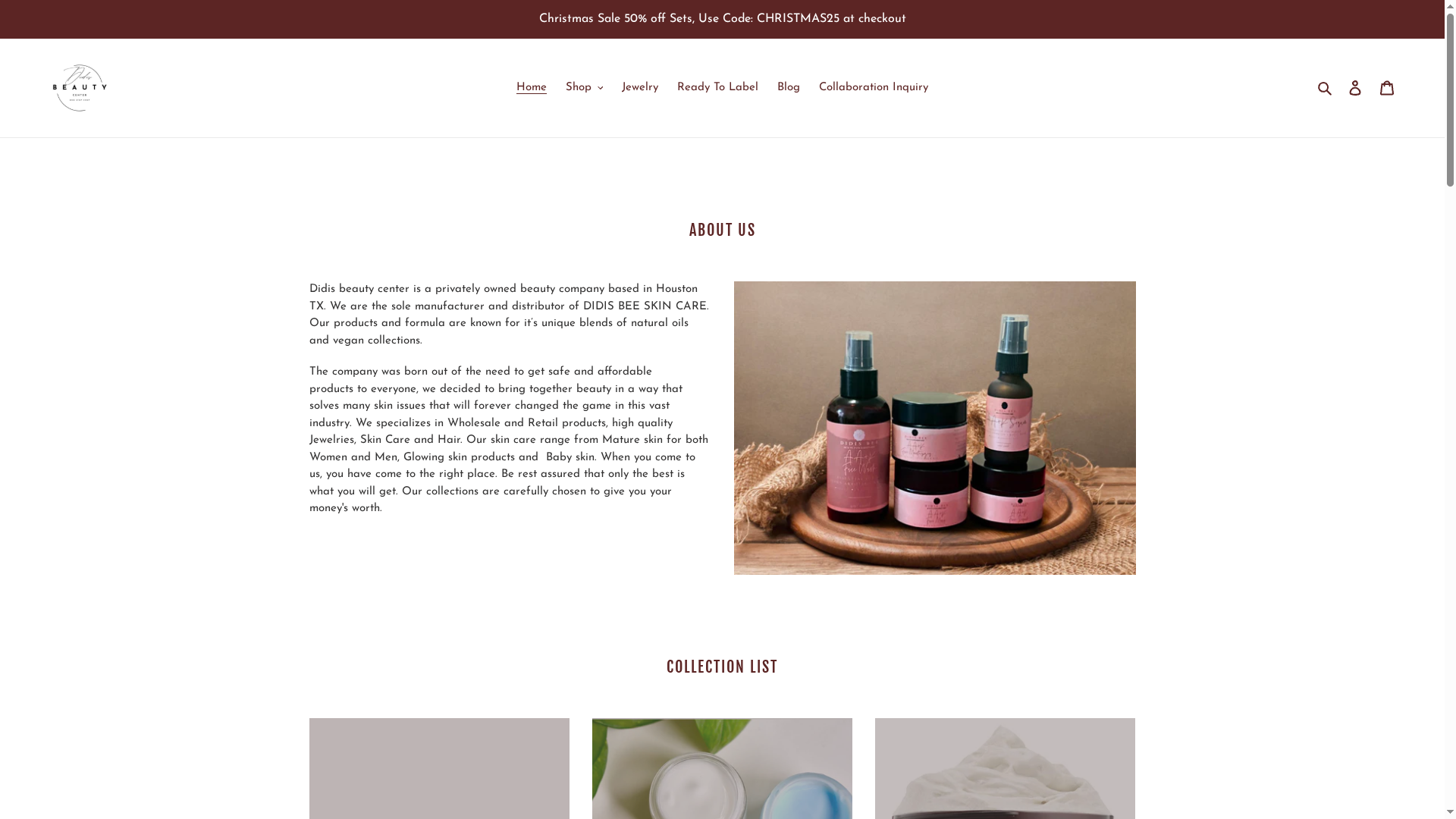
Whether you are a consumer looking for your next daily cleanser or an entrepreneur ready to launch your own skincare line, Didisbeautycenter offers solutions for both. The private label program gives small business owners access to professionally formulated natural and vegan face soaps ready for custom branding. Browse the full range and find the formula that fits your skin and your values.
FAQ
What makes a face soap “must-have” for daily use?
A must-have face soap is fragrance-free, pH-compatible with facial skin, and formulated for your specific skin type. It cleanses without stripping the skin’s natural lipid barrier.
Can I use a bar soap on my face every day?
Yes, if it is a syndet bar or a cold process bar specifically formulated for facial skin. Traditional body bars with a pH of 9–10 are too alkaline for daily facial use and can disrupt your skin’s acidic mantle.
What is the best face soap for sensitive skin?
The best soap for sensitive skin is fragrance-free, non-comedogenic, and uses gentle surfactants. Colloidal oatmeal, glycerin, and chamomile are the most consistently well-tolerated ingredients for reactive skin types.
How often should I wash my face with soap?
Most skin types benefit from cleansing twice daily, once in the morning and once at night. Over-cleansing strips the skin barrier and can worsen both oily and dry skin conditions.
Are vegan face soaps as effective as conventional ones?
Vegan face soaps are equally effective when properly formulated. Plant-based oils like shea butter, jojoba, and rosehip provide the same emollient and barrier-supporting functions as animal-derived ingredients.
Discourse (0)