


More than 60 percent of American shoppers say cruelty-free beauty influences their purchasing decisions. For eco-conscious beauty enthusiasts who value effective, natural skincare, sorting truth from marketing hype can be challenging. Understanding what really defines cruelty-free brands helps you spot misleading claims and make ethical choices that match your values.
Table of Contents
- Defining Cruelty-Free Brands And Common Myths
- Vegan Vs. Cruelty-Free: Key Differences
- Certifications And Global Regulations Explained
- Consumer Benefits And Ethical Impact Of Choice
- Risks Of Misleading Claims And Greenwashing
- How To Identify Genuine Cruelty-Free Brands
Key Takeaways
| Point | Details |
|---|---|
| Understanding Cruelty-Free | Cruelty-free means no animal testing was involved, but it is not the same as vegan or sustainable. Consumers should verify claims by looking for trusted certifications. |
| Differences Between Vegan and Cruelty-Free | Vegan products contain no animal-derived ingredients, while cruelty-free products are not tested on animals. Both labels do not guarantee environmental sustainability. |
| Importance of Certifications | Cruelty-free certifications provide reliable information about brands’ practices and hold them accountable. Look for logos from organizations like Leaping Bunny for authenticity. |
| Beware of Greenwashing | Greenwashing misleads consumers with ambiguous claims about ethics and sustainability. Research thoroughly and rely on verified certifications to avoid deception. |
Defining Cruelty-Free Brands and Common Myths
Navigating the complex world of beauty products requires understanding what truly defines cruelty-free brands. Cruelty-free practices fundamentally mean no animals were harmed during product development or ingredient testing. This encompasses more than most consumers initially realize.
Contrary to popular misconception, cruelty-free is not automatically synonymous with vegan or sustainable. Many brands exploit marketing language without meeting comprehensive ethical standards. Global research indicates significant inconsistencies in how companies define and implement cruelty-free practices. Some key myths include believing all popular beauty brands are cruelty-free or that certification is standardized across the industry.
Authentic cruelty-free certification requires rigorous standards. Trusted organizations like Leaping Bunny mandate strict protocols including fixed cut-off dates for animal testing and comprehensive supplier monitoring. These certifications go beyond surface-level claims, providing consumers genuine transparency about product development processes.
Pro tip: Always verify cruelty-free claims by checking official certification logos and researching a brand’s specific testing policies before purchasing beauty products.
Vegan vs. Cruelty-Free: Key Differences
Vegan and cruelty-free are often mistaken as interchangeable terms, but they represent distinctly different ethical commitments in the beauty industry. These labels actually describe separate aspects of product development and ingredient sourcing. Understanding their nuanced differences is crucial for conscious consumers seeking truly ethical beauty products.
Cruelty-free indicates that no animal testing occurred during product development, while vegan means no animal-derived ingredients are present in the product. This means a product can be simultaneously vegan and cruelty-free, or fall into one category but not the other. For instance, a lipstick might be cruelty-free but contain beeswax (making it non-vegan), or a product might be vegan but still tested on animals.
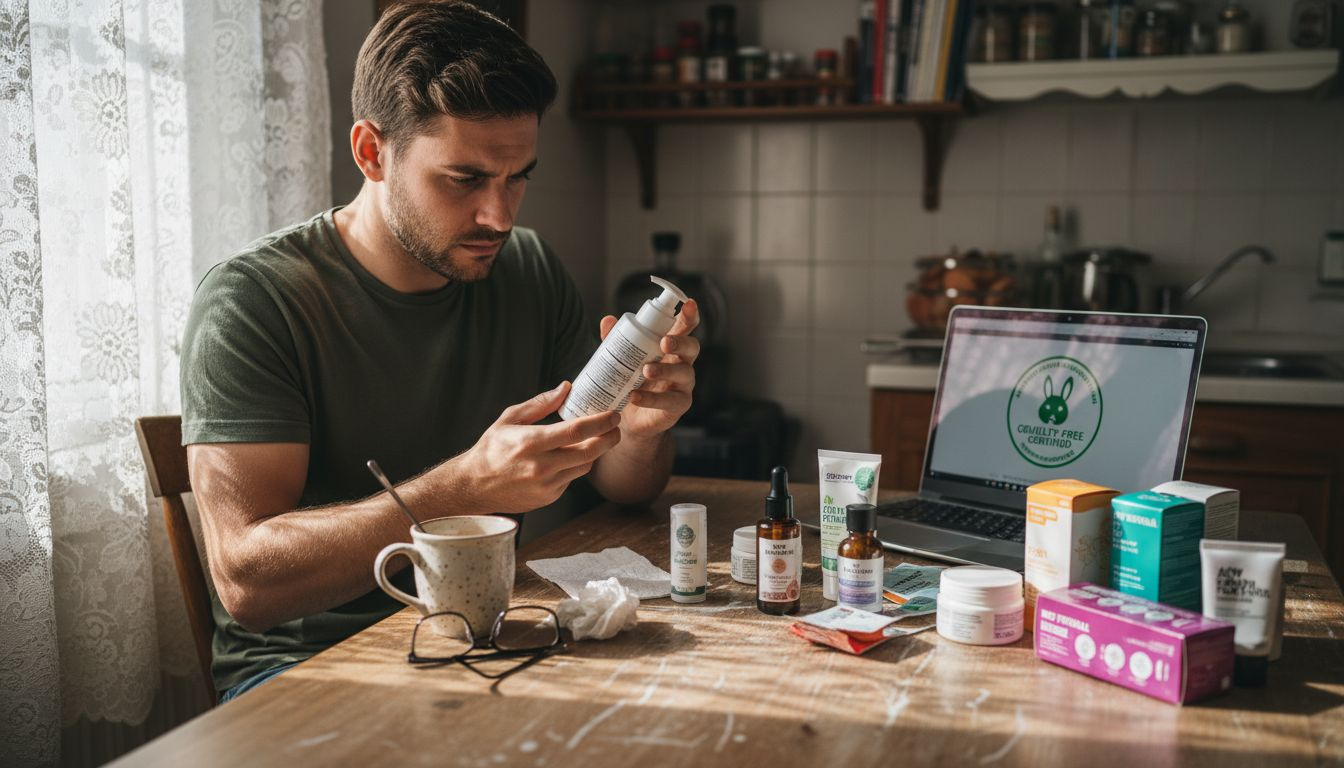
Consumers should be aware that neither term guarantees overall environmental sustainability. Some synthetic ingredients used in vegan products can have significant ecological drawbacks. Moreover, neither label is legally regulated in many regions, allowing brands considerable latitude in marketing claims. Trusted third-party certifications remain the most reliable method for verifying a product’s ethical standards.
Pro tip: Always cross-reference product claims with official certification logos from reputable organizations like Leaping Bunny or PETA to ensure genuine ethical compliance.
Here’s a concise summary comparing vegan and cruelty-free beauty products:
| Aspect | Vegan Products | Cruelty-Free Products | Notes |
|---|---|---|---|
| Animal Ingredients | None used | May include animal-derived | Vegan excludes beeswax, lanolin, etc. |
| Animal Testing | May or may not occur | No animal testing at any stage | Only cruelty-free prohibits all testing |
| Environmental Impact | Can use synthetic alternatives | Not necessarily eco-friendly | Neither label guarantees sustainability |
| Legal Regulation | Largely unregulated | Not standardized globally | Certification is voluntary and vital |
Certifications and Global Regulations Explained
Cruelty-free certifications play a critical role in providing consumers with transparent and reliable information about animal testing practices in the beauty industry. Unlike inconsistent regional regulations, these certification programs establish rigorous global standards that hold brands accountable for their entire supply chain.
Cosmetic regulations vary dramatically across different regions, creating complex challenges for ethical consumers. While the European Union has implemented comprehensive bans on animal testing for finished products and ingredients, other countries maintain more lenient approaches. This regulatory diversity makes third-party certifications like Leaping Bunny crucial in providing consistent verification of cruelty-free standards.
The most reputable certification programs require brands to meet extensive criteria beyond basic legal requirements. These include mandatory independent audits, fixed cut-off dates for animal testing, and comprehensive supply chain investigations. Such thorough verification processes ensure that certified products genuinely meet high ethical standards, giving consumers confidence in their purchasing decisions.
Pro tip: When evaluating cruelty-free claims, prioritize products with internationally recognized certification logos from organizations like Leaping Bunny, which conduct rigorous independent investigations.
For reference, here are key criteria from major cruelty-free certification programs:
| Certification | Testing Ban Includes | Supplier Audits | International Recognition |
|---|---|---|---|
| Leaping Bunny | Ingredients & final | Mandatory | Highly recognized |
| PETA | Final products | Varies | Widely accepted |
| Choose Cruelty Free | Ingredients & supply | Required | Australia-focused |
Consumer Benefits and Ethical Impact of Choice
Choosing cruelty-free beauty products represents a powerful form of ethical consumerism that extends far beyond personal skincare choices. These decisions create meaningful social impact, allowing consumers to align their purchasing power with their moral values and contribute to broader animal welfare initiatives.
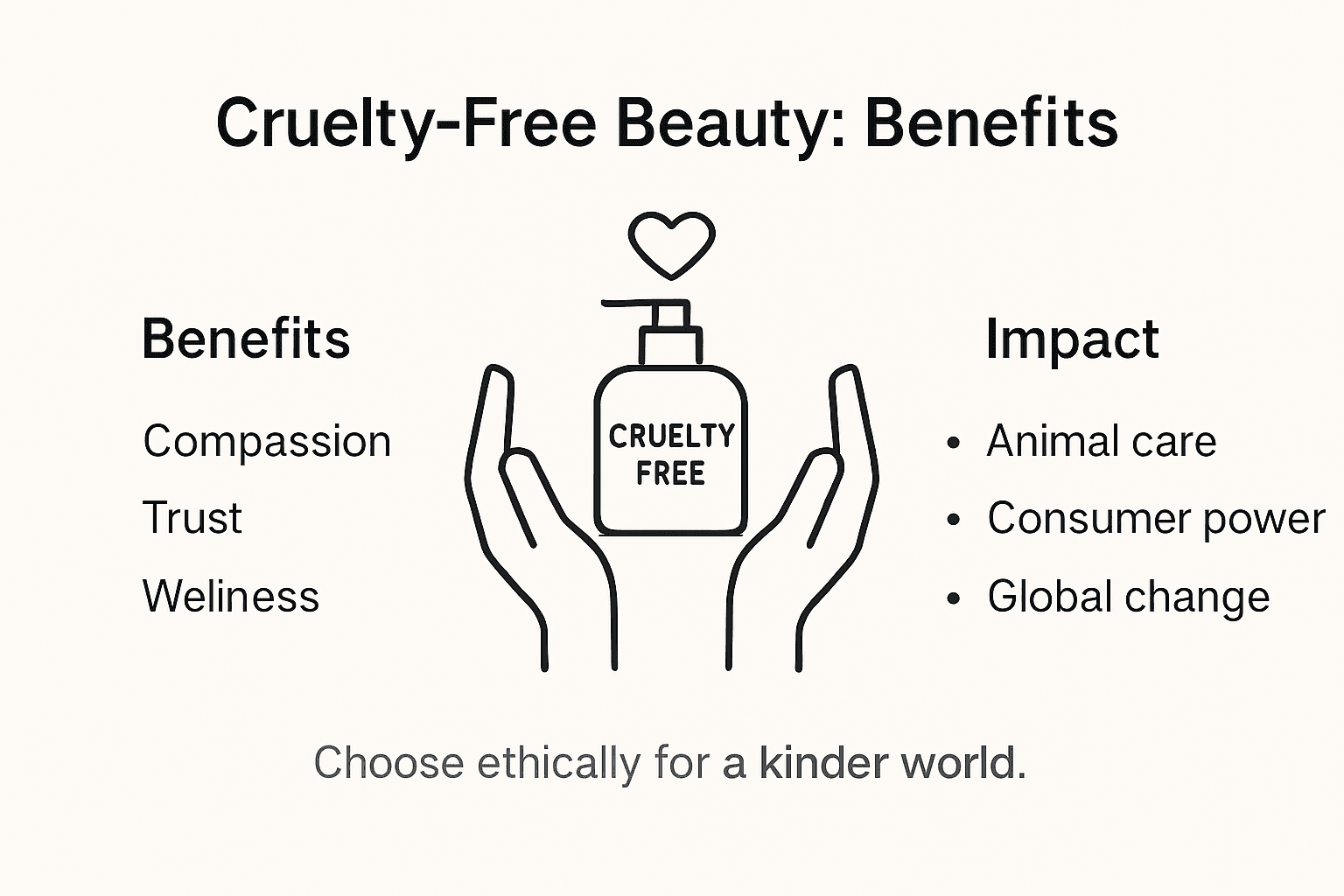
Consumer attitudes toward cruelty-free cosmetics are deeply influenced by complex motivations including environmental awareness, social responsibility, and personal identity. By selecting products that reject animal testing, individuals participate in a global movement that challenges unethical industry practices. This conscious choice not only supports animal protection but also encourages businesses to adopt more responsible and transparent production methods.
The psychological benefits of ethical purchasing extend beyond external impact. Consumers experience a sense of empowerment and community connection, knowing their decisions contribute to positive change. Certification logos and influencer advocacy further amplify this effect, creating social networks of like-minded individuals committed to promoting compassionate consumer practices.
Pro tip: Research brands thoroughly and follow cruelty-free social media communities to stay informed about ethical product options and industry developments.
Risks of Misleading Claims and Greenwashing
Greenwashing represents a dangerous marketing strategy that deliberately misleads consumers about environmental and ethical practices in the beauty industry. These deceptive tactics exploit conscientious consumers’ desires to make responsible purchasing decisions by using vague, unsubstantiated claims about product sustainability and animal welfare.
Companies frequently employ sophisticated marketing techniques to create an illusion of ethical commitment without implementing meaningful change. This can include using ambiguous terminology like “natural” or “eco-friendly” without providing concrete evidence, designing packaging with misleading green imagery, or making broad statements about sustainability that lack specific, verifiable details.
The consequences of greenwashing extend beyond individual consumer deception. These practices undermine genuine efforts to promote ethical production, discourage real environmental innovation, and erode consumer trust in authentic cruelty-free brands. By creating confusion and skepticism, greenwashing ultimately slows progress toward more responsible and transparent beauty industry practices.
Pro tip: Always request detailed documentation and look for recognized third-party certifications when evaluating a brand’s cruelty-free and ethical claims.
How to Identify Genuine Cruelty-Free Brands
Identifying authentic cruelty-free brands requires careful research and understanding beyond superficial marketing claims. Consumers must look beyond attractive packaging and investigate the brand’s actual testing practices, supply chain transparency, and commitment to animal welfare.
The most reliable method for verification involves checking for recognized third-party certifications like Leaping Bunny and PETA’s Beauty Without Bunnies. These organizations conduct rigorous investigations that require brands to prove no animal testing occurs at any stage of product development, including ingredient sourcing and manufacturing. Pay special attention to brands’ official statements, looking for clear, unambiguous language about their animal testing policies.
Additionally, consumers should be aware of potential red flags that might indicate misleading claims. Brands selling products in countries with mandatory animal testing laws, such as China, may not truly be cruelty-free despite their marketing. International sales regulations can compromise a brand’s ethical stance, making it crucial to investigate a company’s global testing practices and market presence.
Pro tip: Create a personal checklist of certification requirements and always cross-reference a brand’s claims with official certification organization databases before making a purchase.
Embrace Ethical Beauty with Cruelty-Free Choices
Choosing cruelty-free products is about more than just avoiding animal testing. It is about embracing a compassionate lifestyle that values transparency and genuine care for animals and the environment. If you have been searching for effective skincare that aligns with your values, Didis Beauty Center offers a curated selection of natural and vegan products designed to fit your ethical goals. Discover gentle and safe options like our nourishing Cream and soothing Soaps that support your commitment to cruelty-free beauty.
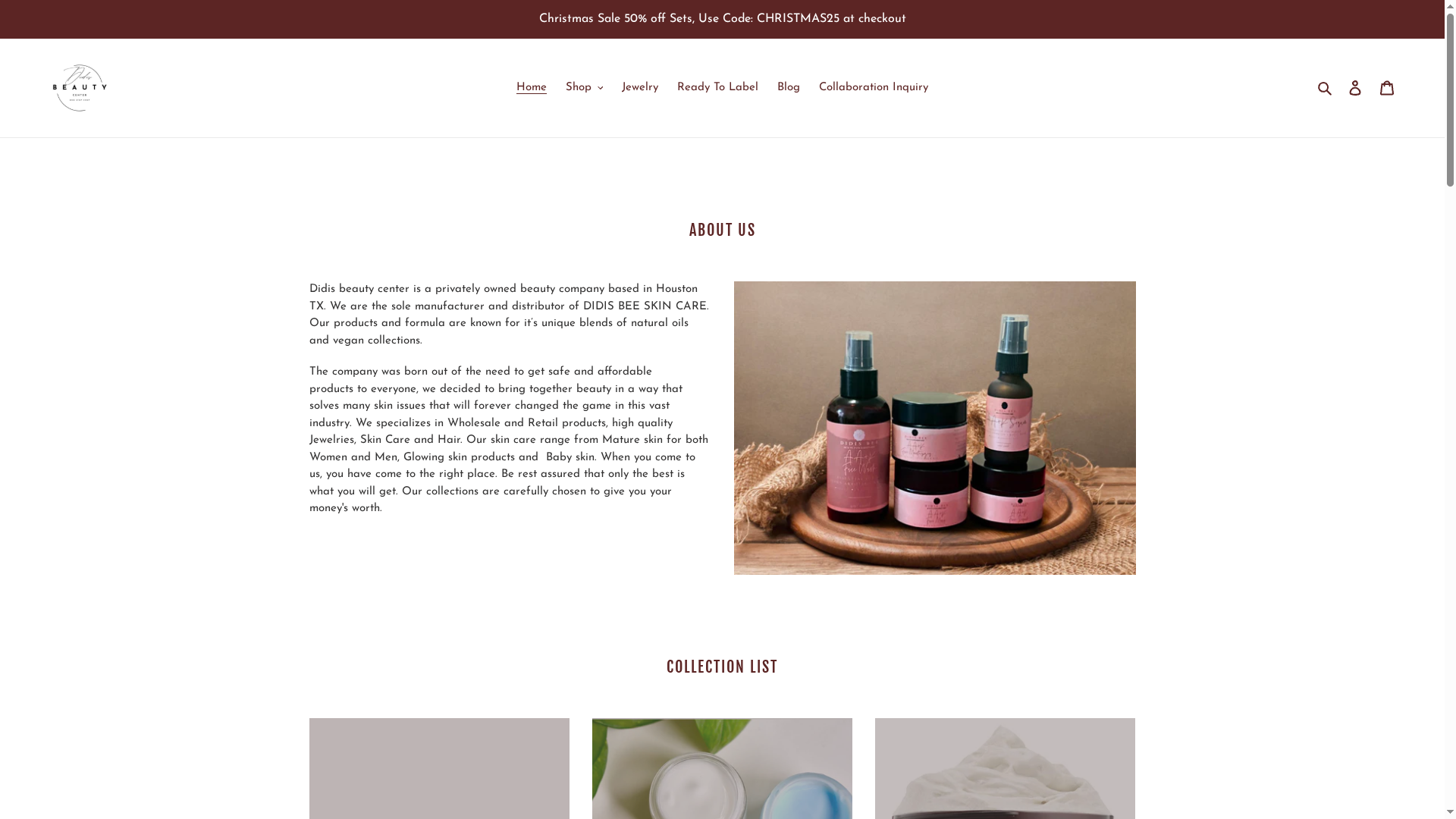
Start your journey toward mindful beauty today by exploring our wide range of certified cruelty-free formulations at Didis Beauty Center. Take control of your skincare routine with confidence knowing you are choosing products that stand against animal testing while promoting healthy skin and sustainable practices. Shop now and feel empowered by every purchase.
Frequently Asked Questions
What does it mean for a brand to be cruelty-free?
Cruelty-free means that a brand does not test its products or ingredients on animals at any stage of development. This ensures that animals are not harmed or used in product testing.
How can I differentiate between cruelty-free and vegan beauty products?
Cruelty-free products are free from animal testing, while vegan products do not contain animal-derived ingredients. A product can be cruelty-free but not vegan if it includes ingredients like beeswax.
Why is it important to check for cruelty-free certifications?
Cruelty-free certifications, like those from Leaping Bunny or PETA, provide verified assurance that a brand adheres to strict anti-animal testing standards. These certifications help consumers make informed and ethical choices.
What are the risks of buying from brands that mislead about their cruelty-free status?
Buying from brands that engage in greenwashing can undermine genuine ethical practices and erode consumer trust in authentic cruelty-free products. It can also contribute to the continuation of animal testing in the industry.
Discourse (0)