


TL;DR:
- Microplastics in beauty products, especially liquid polymers and film formers, pollute water systems and harm ecosystems. Switching to certified natural and biodegradable alternatives can significantly reduce plastic pollution and potential health risks. Gradual, informed replacements of daily products help promote healthier skin and a cleaner planet.
Your face wash, shampoo, and even your foundation may be releasing microscopic plastic particles into your skin and the water supply every single day. Understanding what is microplastic-free beauty is the first step toward making choices that protect both your skin and the planet. Only 13% of beauty products tested in a 2026 analysis were free of microplastics, which means the odds that your current routine is plastic-free are not in your favor. This guide breaks down what microplastics are, where they hide, and how to cut them out without sacrificing results.
Table of Contents
- Understanding microplastics in beauty products
- How microplastics sneak into your skincare routine
- Choosing and using microplastic-free beauty products
- Health and environmental benefits of going microplastic-free
- Navigating the future of microplastic-free beauty and regulations
- Why microplastic-free beauty is more than just a trend
- Explore microplastic-free beauty with Didis Beauty Center
- Frequently asked questions
Key Takeaways
| Point | Details |
|---|---|
| Microplastics defined | Microplastic-free beauty avoids synthetic plastic particles in cosmetics to protect health and the environment. |
| Hidden plastic ingredients | Many beauty products contain invisible synthetic polymers that act as emulsifiers and film formers. |
| Regulatory progress | EU regulations restrict microplastics with phased bans and labeling through 2035 to reduce pollution. |
| Practical product swaps | Switching to shampoo bars and certified microplastic-free brands significantly cuts plastic pollution and chemical exposure. |
| Health and environment benefits | Using microplastic-free skincare reduces toxic chemicals quickly and helps preserve aquatic ecosystems. |
Understanding microplastics in beauty products
Microplastics are synthetic polymer microparticles smaller than 5mm. In the beauty industry, they show up in two main forms. Primary microplastics are intentionally manufactured at that size, like the tiny plastic microbeads once used in exfoliating scrubs. Secondary microplastics form when larger plastic pieces break down in the environment over time, releasing particles into soil and water systems.
In cosmetics, synthetic polymers serve several functions:
- Exfoliants: Physical scrubbing agents in face and body washes
- Film formers: Create that waterproof or long-lasting effect in mascara, lip products, and sunscreen
- Texture enhancers: Silicones like dimethicone give creams and foundations a silky, spreadable feel
- Binders and stabilizers: Keep formulas emulsified and shelf-stable
The problem is not just what they do on your skin. It is what happens after you rinse them off. Microplastics bypass wastewater filters and persist for decades in aquatic ecosystems, which is exactly why EU regulations are phasing out intentional microplastic additions in cosmetics by 2035.
“Every time you rinse off a product containing synthetic polymers, you are sending plastic directly into freshwater and marine ecosystems, where it accumulates in fish, plankton, and eventually the food chain.”
The EU regulation distinguishes between solid particles, liquid polymers, and biodegradable alternatives, so the regulatory picture is more layered than a single blanket ban. Natural or biodegradable polymers are excluded from the definition, which is why choosing certified alternatives matters. For more on building a routine that respects ecosystems, check out these eco-friendly beauty tips.
How microplastics sneak into your skincare routine
You already know about microbeads in scrubs. But that is the visible part of a much bigger issue. The more widespread problem is invisible microplastics: liquid synthetic polymers and film formers that look nothing like tiny beads yet create the same environmental damage.
Common offenders on ingredient labels include:
- Dimethicone and cyclomethicone (silicones)
- Acrylates copolymers and carbomer
- Nylon-12 and nylon-6 (powder particles in makeup)
- Polyethylene (PE) and polypropylene (PP)
- PMMA (polymethyl methacrylate, used in anti-aging products)
- PVP (polyvinylpyrrolidone, used in hair sprays and mascaras)
A study of Turkish beauty products found shower gels, shampoos, and peeling gels consistently carried the highest microplastic loads. These are also the products you use most frequently, often every single day, which means cumulative exposure adds up fast.
Here is how to start auditing your routine:
- Pull out your top five daily-use products.
- Search each ingredient list for the names above.
- Flag any product with “polymer,” “copolymer,” “-cone” endings, or “PEG” in its ingredients.
- Prioritize replacing items used on your face or near your mouth first.
- Use a reliable digital tool to cross-check names you do not recognize.
Pro Tip: Download the Beat the Microbead app, which flags over 500 plastic-related ingredients including synthetic polymers. Scan products at the store before you buy, not just when you get home.
Film-forming polymers deserve special attention because they are genuinely hard to replace without reformulation. They coat hair and skin in a thin plastic layer that stays put through sweat and water. Brands that replace these with plant-derived alternatives like rice starch, carnauba wax, or tapioca often require reformulation, which is a good sign that they are doing the real work. Understanding the full picture of what you are putting on your skin is part of learning non-toxic skincare benefits.
Choosing and using microplastic-free beauty products
Switching to microplastic-free skincare does not mean downgrading your routine. It means knowing what to look for. Here is a comparison of common microplastic ingredients and their natural replacements:
| Microplastic ingredient | Function | Natural alternative |
|---|---|---|
| Polyethylene (PE) | Exfoliant | Walnut shell powder, sugar |
| Dimethicone | Texture/slip | Jojoba oil, arrowroot powder |
| Nylon-12 | Mattifying powder | Rice starch, tapioca starch |
| Carbomer | Gel thickener | Xanthan gum, guar gum |
| Acrylates copolymer | Film former | Carnauba wax, beeswax |
| PMMA microspheres | Optical diffuser | Silica from plant sources |
Solid and bar formats are one of the most reliable swaps available right now. Shampoo bars replace 2 to 3 plastic bottles and typically contain zero synthetic polymers, though expect a 2 to 4 week hair adjustment period as your scalp recalibrates. Soap bars, solid conditioners, and shampoo bars eliminate both plastic packaging and the synthetic polymers commonly used in liquid formulas.
When evaluating a brand’s microplastic-free claims, look for these certification logos:
- Zero Plastic Inside: Specifically certifies no microplastics in the formula
- COSMOS Organic or Natural: Restricts synthetic polymers in certified products
- EWG Verified: Screens for harmful ingredients including many synthetic polymers
Pro Tip: Prioritize switching products that contact mucous membranes first, such as lip balms, toothpaste, and eye creams. These areas absorb ingredients more readily, so the swap there delivers the most immediate health benefit. You can also explore waterless beauty benefits as another layer of this approach, since waterless formulas often have fewer synthetic stabilizers by design.
Health and environmental benefits of going microplastic-free
The environmental case is well documented. Plastic microparticles accumulate in fish tissue, plankton, and freshwater invertebrates. They carry absorbed pollutants like PCBs and pesticides with them, introducing those chemicals into food chains. The impact starts local and scales fast.

The human health picture is still developing, but early data is concerning. Microplastics have been detected in human placentas, with studies linking their presence to exfoliant use. They have also been found in lung tissue, blood samples, and breast milk. Whether these particles cause direct cellular harm or act primarily as carriers for other toxic chemicals is still being studied, but the precautionary argument is strong.
Here is where the evidence gets genuinely motivating. Switching to microplastic-free personal care reduces toxic chemicals significantly, with measurable decreases in parabens and phthalates detected in urine within just 5 days of switching products. Five days. That is not a long-term lifestyle experiment. That is a near-immediate physiological change.
The broader environmental benefits of switching include:
- Reduced plastic load entering wastewater systems
- Less synthetic chemical accumulation in aquatic organisms
- Lower demand for petroleum-derived cosmetic ingredients
- Reduced plastic packaging waste when choosing solid or refillable formats
“Plastic microparticles are not inert. They act as chemical sponges, concentrating pollutants and delivering them directly into ecosystems and bodies. Reducing their introduction at the source is one of the most direct actions individuals can take.”
The benefits of non-toxic skincare extend beyond the obvious. When you reduce synthetic polymers, you often also reduce other problematic ingredients that coexist with them in conventional formulas.
Navigating the future of microplastic-free beauty and regulations
Regulations are moving. Slowly in some places, but the direction is clear. Understanding the timeline helps you anticipate which products in your routine will be reformulated and which gaps may require you to act on your own now.
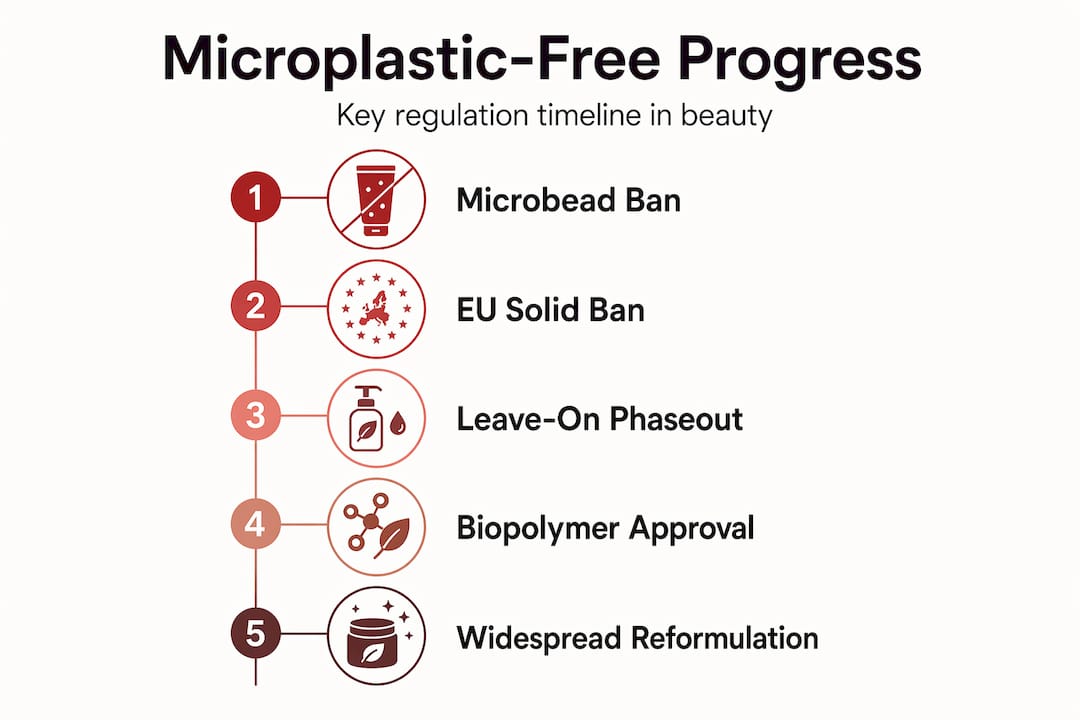
Here is a summary of the EU regulatory phases under Commission Regulation (EU) 2023/2055:
| Phase | Year | Affected categories |
|---|---|---|
| Rinse-off cosmetics (microbeads) | 2023 (immediate) | Face scrubs, shower gels, toothpaste |
| Rinse-off cosmetics (other polymers) | 2027 | Shampoos, conditioners, cleansers |
| Leave-on cosmetics (labeling required) | 2029 | Serums, moisturizers, sunscreens |
| Makeup/lip/nail products (labeling) | 2031 | Foundations, lipsticks, nail polish |
| Full ban on makeup/lip/nail products | 2035 | All leave-on cosmetic categories |
These EU regulations require makeup, lip, and nail products containing microplastics to carry labels between 2031 and 2035, with full bans phased in to protect marine life. Labeling periods exist so consumers can make informed choices during the reformulation window.
Here is how to stay ahead of these changes:
- Follow the Beat the Microbead and Zero Plastic Inside databases for updated ingredient flags.
- Check whether your favorite brands have published a microplastic elimination roadmap.
- Ask brands directly about their reformulation timelines for leave-on products.
- Use regulatory changes as a prompt to reassess your routine every 12 to 18 months.
- Support legislation in your country that mirrors or exceeds EU standards.
Brands reformulating now are replacing synthetic film formers with plant waxes, protein-derived film agents, and fermented ingredients that offer similar performance. The technology exists. What drives adoption is consumer demand. Your purchasing choices accelerate the timeline. The eco-friendly beauty checklist is a practical tool for aligning your routine with these standards today.
Why microplastic-free beauty is more than just a trend
Here is the uncomfortable truth that most articles skip: banning microbeads solved about 10% of the problem. Microbeads were easy to visualize, easy to regulate, and easy to market against. The harder work involves the invisible microplastics, specifically the liquid polymers and film formers that most consumers have never heard of and that regulations have not yet fully addressed.
Many people who switched to “natural” scrubs after the microbead ban still use serums loaded with acrylates copolymers and dimethicone every single day. Their synthetic polymer exposure barely changed. That is not a failure of intention. It is a failure of information.
At Didis Beauty Center, we see this pattern constantly. Shoppers arrive knowing they want “natural” or “clean” beauty but are genuinely surprised when they learn their daily moisturizer contains synthetic film formers. The switch is not as simple as avoiding scrubs with visible beads. It requires reading labels with a level of literacy most beauty consumers were never taught.
The transition period that comes with some microplastic-free swaps, like the 2 to 4 week adjustment when moving to a shampoo bar, often causes people to abandon the switch prematurely. What feels like the product “not working” is actually your scalp and hair recalibrating from years of synthetic polymer dependency. That discomfort is a sign the change is real. Products that feel perfect immediately often contain the same synthetic helpers you were trying to avoid.
True progress comes from a stepwise approach. Start with your highest-contact, highest-frequency products. Then work outward. Combining microplastic-free choices with a broader zero waste beauty mindset compounds the impact and makes each individual swap feel like part of a coherent system rather than a series of disconnected sacrifices.
Pro Tip: Do not try to overhaul your entire routine in one week. Replace one product category per month, starting with what you use daily and apply near your eyes or mouth. Sustainable habits outlast dramatic gestures.
Explore microplastic-free beauty with Didis Beauty Center
Now that you know what microplastic-free beauty means and why it matters, the practical question is where to start shopping with confidence.
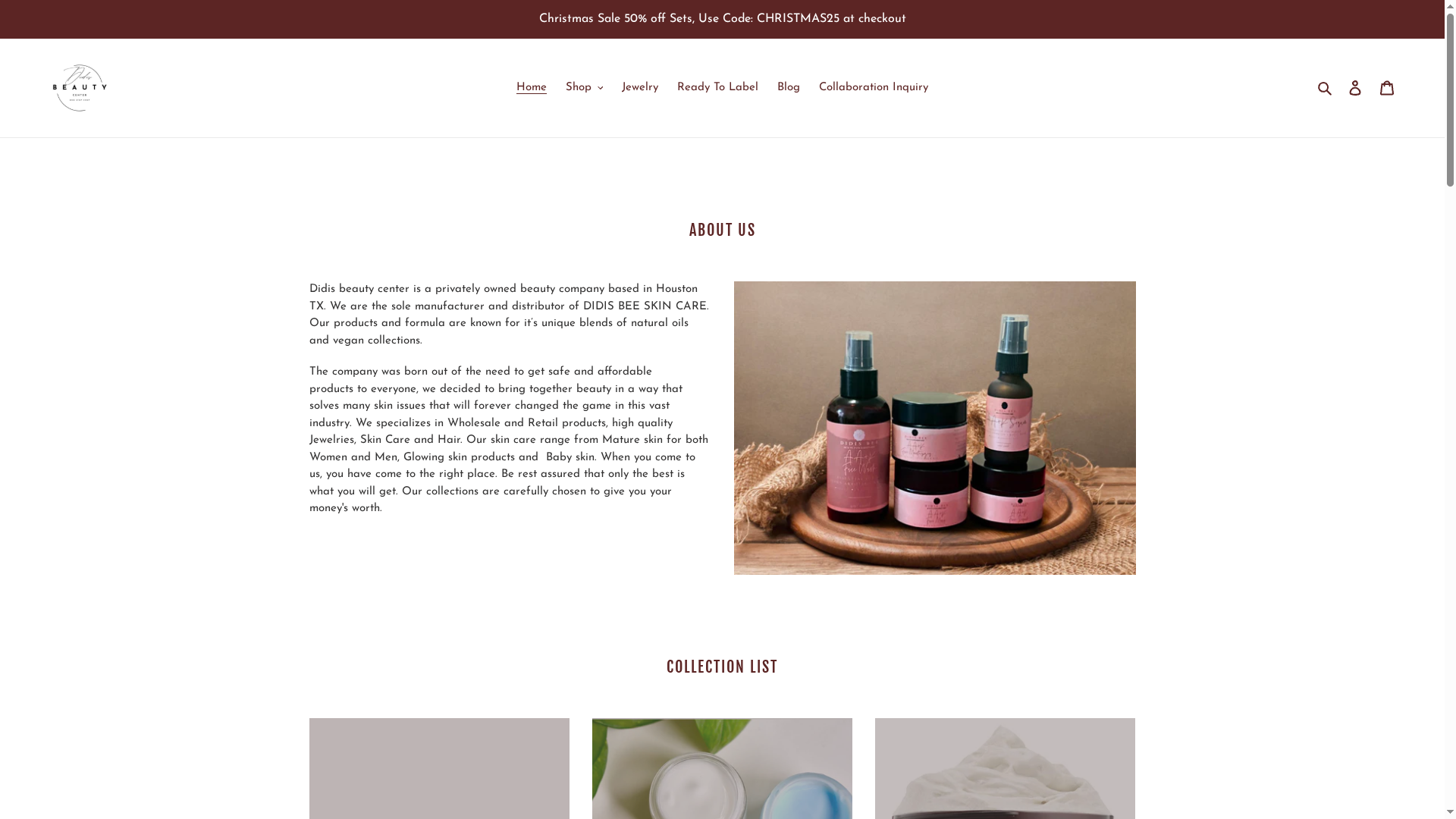
Didis Beauty Center offers curated bundles built around natural, vegan formulations that skip synthetic polymers without asking you to compromise on results. The daily essential bundle is a smart starting point for anyone building a cleaner routine from scratch. If you want something that covers more ground, the daily routine bundle layers complementary products designed to work together. For those focused on skin longevity and firmness, the ageless beauty bundle brings together plant-powered formulas with none of the synthetic additives you are working to eliminate. Every product is thoughtfully sourced, so you spend less time scanning labels and more time actually caring for your skin.
Frequently asked questions
What exactly does microplastic-free beauty mean?
Microplastic-free beauty means using products that contain no synthetic plastic microparticles, which EU regulation defines as solid particles of 5mm or smaller, excluding natural or fully biodegradable alternatives.
Are all microbeads banned in cosmetics?
Most solid microbeads in rinse-off cosmetics are banned in many countries, but the Microbead Free Waters Act left most liquid polymers and synthetic waxes unregulated, meaning a large portion of microplastic ingredients are still in use legally.
How can I identify microplastic ingredients on product labels?
Look for ingredients like dimethicone, acrylates copolymers, nylon-12, and PMMA, or use the Beat the Microbead app, which flags over 500 plastic-related ingredients from a regularly updated database.
What are easy first steps to switch to microplastic-free beauty?
Swapping toothpaste, body wash, shampoo, and deodorant eliminates most daily microplastic exposure, so replace those four categories first before moving to leave-on products like serums and moisturizers.
Will switching to microplastic-free products improve my health?
Yes. Toxic chemicals drop measurably within 5 days of switching personal care products, including parabens and phthalates, which are commonly found alongside synthetic polymers in conventional formulas.
Discourse (0)