


TL;DR:
- Choosing vegan skincare involves verifying cruelty-free certifications and checking for zero animal-derived ingredients.
- A simple, four-step routine—cleanse, treat, moisturize, protect—delivers consistent results for most skin types.
- Sticking to evidence-backed ingredients and maintaining routine consistency outperforms complex stacking or trendy products.
Choosing vegan skincare shouldn’t feel like decoding a chemistry textbook, but for a lot of people, it does. The beauty market is flooded with products that claim to be “natural,” “clean,” and “cruelty-free,” yet many still contain animal-derived ingredients or lack credible third-party certification. The good news is that building an effective vegan skincare routine doesn’t require a shelf full of products or an advanced degree in dermatology. This article breaks down exactly what to look for, which ingredients actually work, and how to build a routine that delivers real, visible results without compromising your values or the planet.
Table of Contents
- Understanding vegan skincare: What matters most?
- The 4 essential steps of a vegan skincare routine
- Ingredients that work: Top vegan actives and what to avoid
- Maximizing results: Eco-friendly habits and application tips
- Why simple, consistent routines outperform complex stacks
- Explore vegan skincare solutions with us
- Frequently asked questions
Key Takeaways
| Point | Details |
|---|---|
| Simple is best | A four-step vegan routine delivers results without overwhelm or waste. |
| Ingredient power | Consistent use of proven vegan actives like sunscreen and BHA is more effective than using many products. |
| Eco-friendly habits | Choosing sustainable packaging and mindful application boosts both results and environmental impact. |
| Know what to avoid | Skip animal-derived ingredients and focus on cruelty-free verified options. |
| Consistency wins | Sticking with your routine and adjusting slowly gives your skin time to thrive. |
Understanding vegan skincare: What matters most?
Before you spend a dollar on any product, you need to know what “vegan” actually means in the skincare world. A vegan skincare product contains zero animal-derived ingredients. That means no beeswax, no lanolin (sourced from sheep’s wool), no collagen from animal bones, and no carmine (a red pigment made from crushed beetles). Cruelty-free, on the other hand, means the product or its ingredients were not tested on animals. The two terms overlap but are not identical. A product can be cruelty-free but still contain honey. Genuinely ethical vegan skincare is both.
Certifications matter more than label claims. Logos from organizations like Leaping Bunny or PETA’s Beauty Without Bunnies program are independently verified. Any brand can print “cruelty-free” on a bottle without oversight, but third-party logos mean something tangible. When you’re scanning a product in a store or online, look for these logos before you read the ingredient list.
What to look for when choosing vegan skincare:
- Third-party cruelty-free certification logos (Leaping Bunny, PETA)
- Short, recognizable ingredient lists with plant-based or lab-derived actives
- Minimal or recyclable packaging, ideally refillable
- Fragrance-free options for sensitive skin
- Transparent brand sourcing and sustainability disclosures
One of the most common misconceptions is that an effective vegan routine needs to be elaborate. It doesn’t. As Vogue’s best skincare guide points out, a simple four-step routine delivers consistent results for most skin types. The benefit of going vegan with your skincare also extends well beyond ethics. Plant-based formulas tend to be gentler on reactive or sensitive skin, are less likely to cause allergic reactions from animal proteins, and generally have a lower environmental footprint from sourcing to disposal.
“Simplicity wins. A four-step routine built around evidence-backed vegan actives consistently outperforms complicated multi-step stacks for the vast majority of people.”
The real power of understanding your criteria upfront is that it makes every future purchase decision easier and faster. You stop being swayed by clever marketing and start reading labels with confidence.
The 4 essential steps of a vegan skincare routine
With your selection criteria locked in, building the actual routine becomes straightforward. Every effective routine, vegan or otherwise, rests on four non-negotiable pillars. These steps address what skin needs every single day, regardless of skin type, climate, or age.
-
Cleanse. Use a gentle, sulfate-free vegan cleanser morning and night. Sulfates (like sodium lauryl sulfate) strip the skin’s natural moisture barrier, which leads to rebound oiliness or dryness. Look for cleansers with plant-derived surfactants such as coco-glucoside or decyl glucoside. These clean thoroughly without disrupting your skin’s pH.
-
Treat. This is where targeted vegan serums come in. For acne-prone or congested skin, a BHA (beta-hydroxy acid, typically salicylic acid) serum works inside the pore to break down buildup. For brightening and antioxidant protection, Vitamin C serum is hard to beat. For barrier support and evening out skin tone, niacinamide is versatile and works well for nearly every skin type. The key is choosing one or two actives that match your specific concern rather than layering five at once.
-
Moisturize. Even oily skin needs hydration. Lightweight plant-based moisturizers using ingredients like squalane (derived from sugarcane or olives), hyaluronic acid, or aloe vera gel provide lasting moisture without clogging pores. Heavier plant butters like shea or mango butter work well for dry skin types, especially in colder months.
-
Protect. Sunscreen is the single most important product in any skincare routine, full stop. Vegan mineral sunscreens using zinc oxide or titanium dioxide are your best options. They sit on top of the skin rather than being absorbed and are less irritating than many chemical filters. Skipping sunscreen undermines every other step in your routine.
Pro Tip: Consistency matters far more than product quantity. Start with these four steps and use them daily for at least four weeks before evaluating results or adding anything new. Your skin needs time to respond, and introducing too many products at once makes it impossible to know what’s actually working.
| Step | Vegan option | Conventional alternative | Eco-friendliness | Effectiveness |
|---|---|---|---|---|
| Cleanse | Coco-glucoside cleanser | SLS-based cleanser | High | Comparable |
| Treat | Plant-derived BHA or Vitamin C | Retinol (often animal-tested) | High | Comparable |
| Moisturize | Squalane or aloe vera | Lanolin or collagen cream | High | Comparable |
| Protect | Zinc oxide sunscreen | Oxybenzone chemical SPF | Higher | Comparable |
Building your step-by-step vegan skincare routine around these four pillars is the fastest path to real results. For more practical tips on creating this routine at home, the home vegan skincare tips guide from Didis Beauty Center covers seasonal adjustments and additional techniques in detail.

Ingredients that work: Top vegan actives and what to avoid
Now that your routine framework is set, the next move is making sure every ingredient inside those four steps is doing real work. Not all vegan ingredients are created equal. Some are backed by decades of clinical research. Others are trendy fillers that look good on a label but don’t do much for your skin.
Top vegan actives by skin goal:
- Vitamin C (ascorbic acid): Brightens hyperpigmentation, neutralizes free radicals, and stimulates collagen production through plant-based pathways. Look for stabilized L-ascorbic acid at 10% to 20% concentration.
- BHA (salicylic acid): Penetrates oily pores to dissolve sebum and dead skin cell buildup. Ideal for acne-prone and congested skin. Effective at concentrations of 1% to 2%.
- AHA (glycolic or lactic acid): Exfoliates the skin’s surface to smooth texture and fade dark spots. Lactic acid is gentler and well-suited for beginners or sensitive skin types.
- Niacinamide (Vitamin B3): Strengthens the skin barrier, minimizes pore appearance, regulates oil production, and reduces redness. Works with virtually every other active.
- Hyaluronic acid: Draws moisture into the skin from the environment. Works best applied to damp skin and sealed in with a moisturizer.
As Vogue’s skincare report confirms, consistent use of BHA and sunscreen produces the largest measurable improvements in skin health over time. Fancy new ingredients simply can’t compete with that consistency.
| Vegan active | Animal-based alternative | Performance | Safety for sensitive skin | Environmental impact |
|---|---|---|---|---|
| Squalane (plant) | Squalene (shark-derived) | Equal | High | Lower impact |
| Plant-based collagen boosters | Animal collagen | Comparable over time | Higher | Significantly lower |
| Carnauba wax | Beeswax | Equal | Similar | Lower impact |
| Glycerin (plant) | Glycerin (animal) | Identical | High | Lower impact |
Ingredients to avoid in vegan skincare:
- Lanolin: A wax secreted by sheep’s skin. Common in lip balms and heavy moisturizers.
- Beeswax (cera alba): Found in balms, foundations, and some sunscreens.
- Carmine (CI 75470): Crushed cochineal beetles used for red or pink pigments in blushes and lip products.
- Collagen and elastin: Almost always derived from animal connective tissue.
- Keratin: Usually sourced from animal hair, wool, or hooves.
- Shellac: A resin secreted by lac bugs, often used in nail products and some coatings.
Understanding these distinctions is what separates a truly vegan routine from one that just looks vegan on the surface. For a deeper breakdown of vegan skincare product types and how different formulations work together, Didis Beauty Center’s product guides are a genuinely useful starting point.
Maximizing results: Eco-friendly habits and application tips
Having the right products is only half the equation. How you use them, store them, and dispose of them shapes both your skin results and your environmental impact. Small changes in technique and habit add up quickly.
Eco-friendly vegan skincare habits:
- Choose products in minimal or recyclable packaging. Glass, aluminum, and cardboard are far more recyclable than mixed-material plastics. Refillable formats cut waste significantly.
- Use cold or lukewarm water when cleansing. Hot water strips the skin barrier and wastes energy. Cold water rinses preserve your skin’s natural oils.
- Reduce water usage during your routine. Wet your face, turn the water off while you cleanse, then rinse. A simple change that saves gallons over a year.
- Buy multi-tasking products when possible. A moisturizer with SPF, or a toner with niacinamide built in, means fewer products overall and less packaging waste.
- Finish products fully before opening new ones. Partially used products that get tossed are both a waste of money and an environmental burden.
Smart application techniques for better results:
- Apply products from thinnest to thickest consistency. Serums go before moisturizers; moisturizers go before sunscreen.
- Use gentle pressing or patting motions, not tugging. The skin around your eyes especially benefits from a light touch.
- Allow each layer 30 to 60 seconds to absorb before applying the next. This prevents pilling and helps each product penetrate properly.
- Apply serums while your skin is still slightly damp for better absorption, particularly hyaluronic acid.
- Use a clean spatula or pump for products in jars to prevent contamination and extend shelf life.
Pro Tip: When you introduce a new product, add only one at a time and wait two full weeks before adding another. If a reaction occurs, you’ll know exactly which product caused it. This approach also prevents ingredient overload, which is one of the leading causes of unexpected breakouts.
Seasonal adjustments matter too. In winter, swap lightweight gel moisturizers for slightly richer plant butter formulas. In summer, scale back to lighter textures and prioritize oil control. As natural skincare routine guidance from Didis Beauty Center illustrates, optional steps like toning or eye cream can be layered in once your core four steps are solid and your skin has stabilized.
Why simple, consistent routines outperform complex stacks
Here’s a perspective you won’t hear from most beauty brands: the skincare industry profits from complexity. Every new serum, essence, facial oil, and sleeping mask is another product to sell. But the honest truth, backed by what skin science actually shows, is that a shorter, well-chosen routine almost always outperforms a bloated one.
We’ve seen this pattern repeatedly. Customers who dramatically simplify their routines report fewer breakouts, less irritation, and clearer skin within weeks, not months. The logic is simple. When you layer too many actives, you risk disrupting your skin barrier, causing sensitization, and triggering the exact problems you were trying to solve.
Common vegan skincare mistakes that work against you:
- Over-layering actives (using AHA, BHA, and Vitamin C all at once)
- Introducing multiple new products in the same week
- Skipping sunscreen because your moisturizer “has SPF”
- Switching products before giving them 4 to 6 weeks to work
- Chasing ingredient trends without checking if you actually need them
- Using more product than recommended, thinking more equals faster results
The vegan skincare layering guide at Didis Beauty Center walks through exactly how to sequence and introduce products responsibly. It’s worth reading before you add anything new to your shelf.
“For most people, the biggest performance gains come from consistent use of evidence-backed actives like BHA and sunscreen, not from adding more products to an already functioning routine.”
Mastering four steps done consistently beats rotating through twelve steps haphazardly every single time. Your skin is an organ that responds to routine, stability, and time. Give it those three things, and it will reward you with results that no trendy new launch can match.
Explore vegan skincare solutions with us
Ready to upgrade your routine? Here’s how to discover effective, ethical vegan skincare choices easily.
At Didis Beauty Center, we’ve made it straightforward to find vegan, cruelty-free products that actually deliver results. Whether you’re building your personal routine from scratch or exploring options for your own beauty brand, our curated selection takes the guesswork out of going vegan with your skincare.
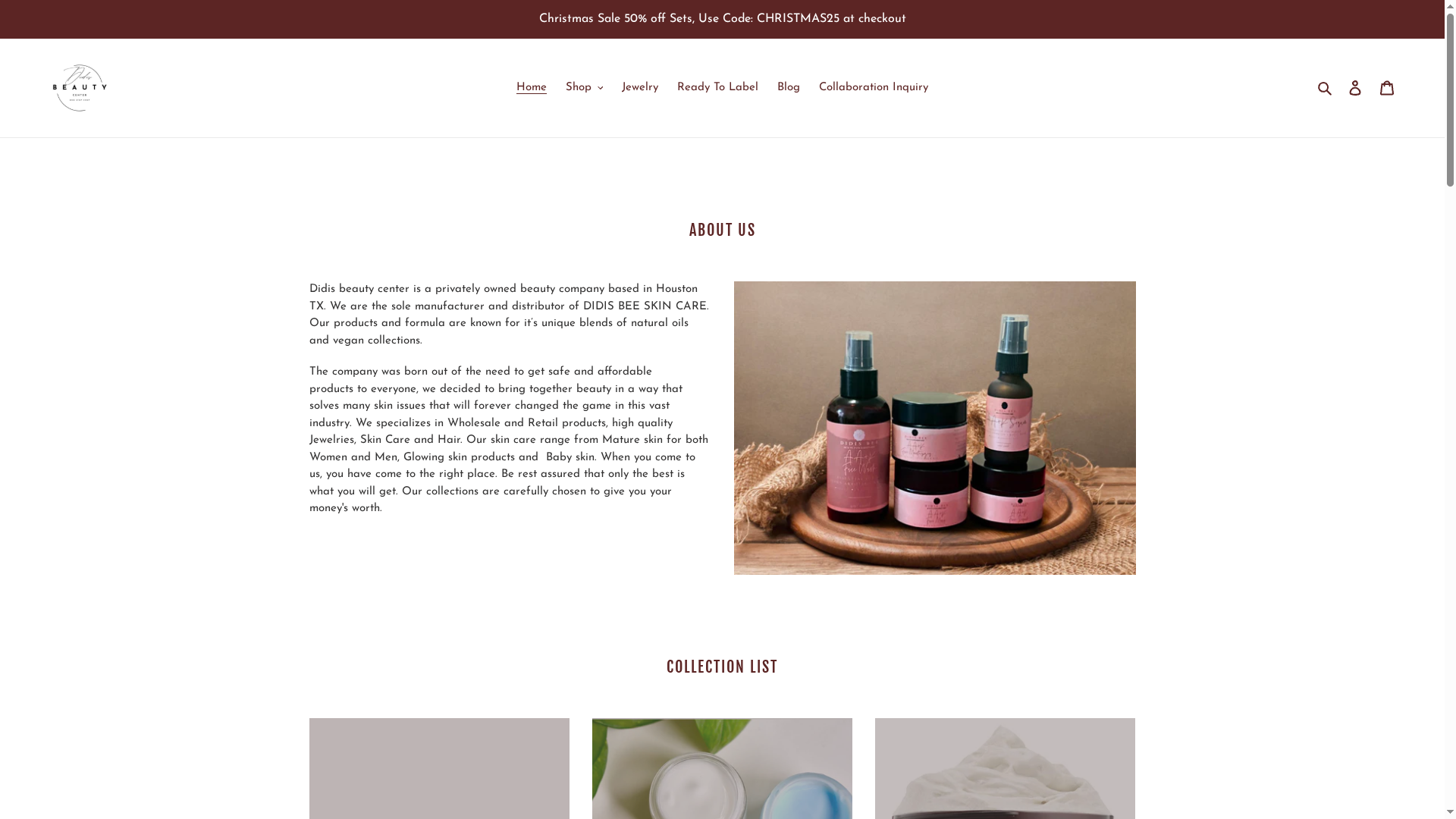
Our private label vegan skincare line offers ready-to-label formulations for entrepreneurs who want to bring high-quality, plant-based products to market without the complexity of formulating from scratch. For Canadian customers, our private label vegan solutions are available with local support. Every product is built around safe, effective, eco-conscious formulations. Thoughtful choices lead to healthier routines and a healthier planet. Start browsing and find exactly what your skin needs.
Frequently asked questions
How can I tell if a skincare product is truly vegan?
Check for vegan certification logos from recognized organizations and confirm that no animal-derived ingredients like lanolin, beeswax, or carmine appear on the ingredient list, since vegan skincare avoids all animal-derived inputs by definition.
Will switching to vegan skincare clear my skin?
Results vary by individual, but consistent use of BHA and daily sunscreen gives most people measurably clearer and healthier-looking skin over four to eight weeks.
Are all natural skincare products vegan?
No, “natural” does not mean vegan. Honey, beeswax, lanolin, and collagen are all natural but animal-derived. Always verify the ingredient list and look for a certified vegan label.
Can I use vegan skincare if I have sensitive skin?
Yes, vegan skincare is often gentler on sensitive skin because it avoids animal proteins that commonly trigger reactions. Opt for fragrance-free, minimal ingredient formulas for the safest results.
Is a multi-step vegan routine always better?
No. Sticking to four core steps done consistently is more effective for most people than complicated multi-step routines that introduce unnecessary variables and potential irritants.
Discourse (0)