


TL;DR:
- Vegan antioxidants like Vitamin C, E, and polyphenols protect skin by neutralizing free radicals caused by sun, pollution, and stress. Combining multiple antioxidants enhances effectiveness through synergy, leading to visible improvements in brightness, firmness, and pore size. Use antioxidants in layered routines with SPF during the day and targeted formulas at night for optimal skin health.
You’ve probably spent real money on skincare that promised glow, firmness, and clarity, only to see modest results. The missing piece is often not the brand or the price point. It’s antioxidants, specifically vegan, plant-derived ones that work with your skin’s biology rather than against it. Antioxidants are mentioned on nearly every serum label, yet most people have no idea what they actually do or how to use them effectively. This article breaks down the real science, explains which vegan antioxidants deliver visible results, and gives you a practical routine you can start today.
Table of Contents
- Why antioxidants matter for your skin
- The science behind natural and vegan antioxidants
- Choosing the right vegan antioxidants for your routine
- How to incorporate vegan antioxidants into your daily skincare
- What most people miss about vegan antioxidants in skincare
- Simplify your routine with expert-selected vegan antioxidant skincare
- Frequently asked questions
Key Takeaways
| Point | Details |
|---|---|
| Antioxidants block skin damage | Regular use of vegan antioxidants prevents free radical damage for visibly healthier skin. |
| Synergy boosts results | Combining antioxidants like Vitamin C, E, and phytonutrients strengthens overall skin benefits. |
| Layering is essential | Applying antioxidants before SPF in the morning routine gives optimal protection. |
| Natural sources deliver extra benefits | Vegan antioxidants offer sustainability and added plant nutrients for holistic skincare. |
Why antioxidants matter for your skin
Antioxidants are molecules that neutralize free radicals, which are unstable atoms that damage skin cells and accelerate visible aging. Think of free radicals like sparks from a fire. Left unchecked, they burn through your skin’s collagen, elastin, and cell membranes, leaving dullness, fine lines, and uneven tone in their wake. Antioxidants step in and extinguish those sparks before they cause lasting harm.
Your skin faces oxidative stress every single day. Here are the most common culprits:
- UV radiation from sunlight, even on cloudy days
- Air pollution and particulate matter from traffic and industrial sources
- Chronic stress, which triggers internal oxidative damage
- Blue light from screens, which penetrates deeper than most people realize
- Processed foods and alcohol, which generate internal free radicals
Vegan, plant-based antioxidants bring something extra to the table. Plants produce phytonutrients, which are protective compounds they develop to survive environmental stress. When you apply these to your skin, you get the benefit of millions of years of natural defense chemistry. The impact of vegan skincare goes beyond ethics. It’s about accessing a richer, more complex protective profile than most synthetic alternatives offer.
Common vegan antioxidants include Vitamin C, Vitamin E, polyphenols, resveratrol, carotenoids, ferulic acid, and flavonoids, each with its own mechanism and benefit. Kakadu plum delivers one of the highest natural concentrations of Vitamin C found in any plant. Green tea is loaded with polyphenols that calm inflammation and fight UV-triggered damage. Grape seed extract contains oligomeric proanthocyanidins, which support collagen integrity and reduce redness.
The key insight most skincare routines miss is that variety matters. Each phytonutrient works through a slightly different pathway. Using multiple antioxidants together creates what researchers call an “entourage effect,” where the combined impact is greater than any single ingredient alone. A routine built on diverse vegan antioxidants isn’t just better for the planet. It’s genuinely more effective for your skin.
The science behind natural and vegan antioxidants
The clinical evidence for vegan antioxidants is stronger than most people realize. Let’s look at what studies actually show, not just what labels claim.
One of the most compelling findings involves synergistic combinations like Vitamin C paired with Vitamin E and ferulic acid. This trio dramatically enhances stability and efficacy compared to any single ingredient. Vitamin C alone oxidizes quickly. Add Vitamin E and ferulic acid, and the formula stays potent far longer while delivering greater protection against UV-induced damage.
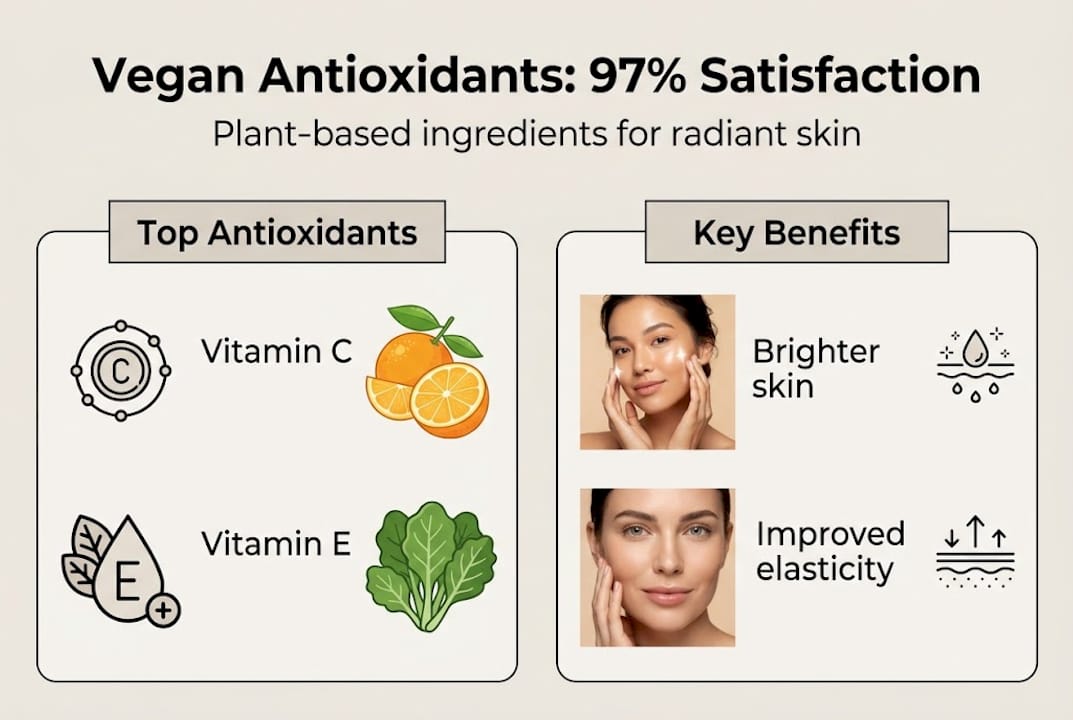
A dual antioxidant serum study featuring ergothioneine, tocopheryl glucoside, and naringin produced remarkable outcomes: improved skin lightness, reduced sallowness, and a 97% participant satisfaction rate. That’s not a marketing number. That’s a controlled clinical result.
Here’s a breakdown of key vegan antioxidants and their proven benefits:
| Antioxidant | Primary benefit | Notable study result |
|---|---|---|
| Vitamin C (ascorbic acid) | Brightening, collagen support | Significant reduction in hyperpigmentation |
| Ergothioneine | Cellular protection, anti-aging | Improved skin lightness and tone |
| Naringin (citrus flavonoid) | Pore minimizing, oil control | Reduced sebum and pore size |
| Pterostilbene | Elasticity, firmness | Measurable improvement in skin elasticity |
| Isorhamnetin | Sensitivity, oil balance | Reduced sebum in clinical trial |
| Ferulic acid | Stability booster, UV defense | Enhances Vitamin C and E performance |
The benefits of plant-based antioxidants also extend to how your skin tolerates them. Synthetic antioxidants can be effective in isolation, but they often lack the supporting phytonutrients that help buffer irritation and improve absorption. Natural sources bring the whole ecosystem of the plant, which tends to be gentler and more biocompatible with human skin.
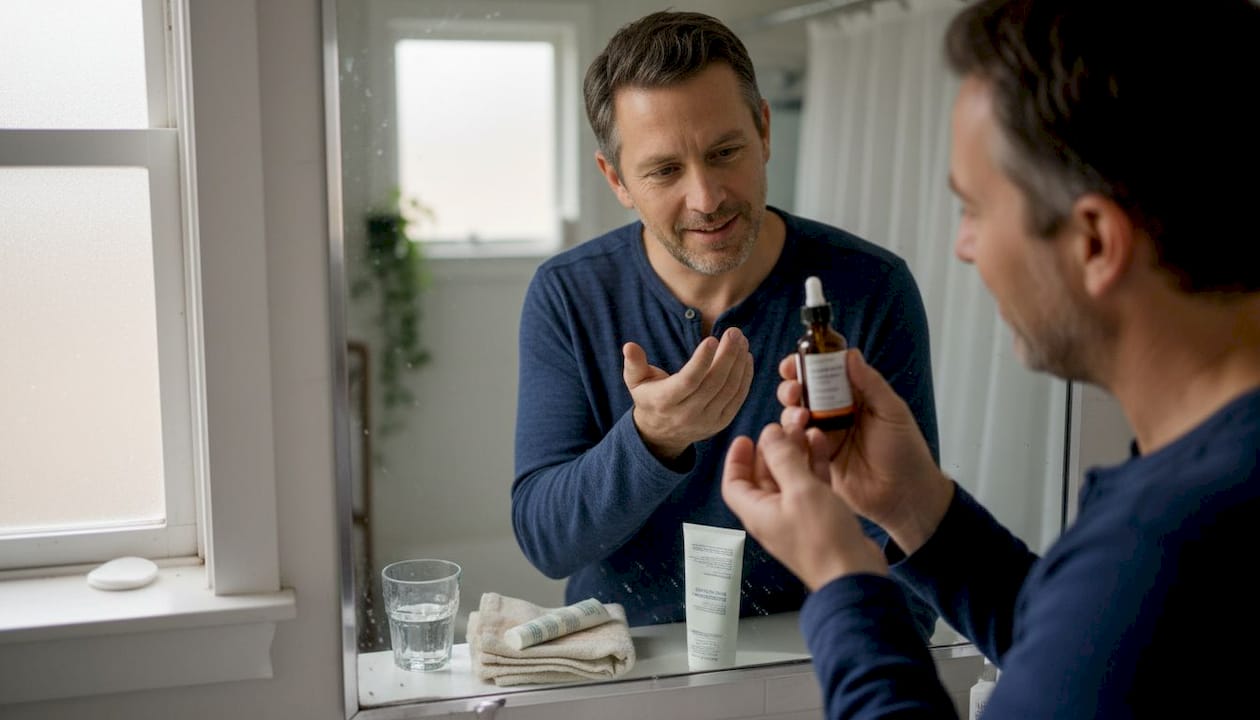
The numbers are hard to ignore. Reduced sallowness, smaller pores, improved elasticity, and near-universal satisfaction rates from real participants. This is why dermatologists increasingly recommend layering multiple vegan antioxidants rather than chasing a single hero ingredient.
Choosing the right vegan antioxidants for your routine
Not every antioxidant addresses every concern. Matching the right plant-based ingredient to your specific skin needs is what turns a generic routine into one that actually works.
Here’s a practical comparison to guide your choices:
| Antioxidant | Natural source | Best for | Bonus plant nutrients |
|---|---|---|---|
| Vitamin C | Kakadu plum, rosehip | Brightening, dark spots | Bioflavonoids, tannins |
| Vitamin E | Sunflower, wheat germ | Moisture barrier, dryness | Tocotrienols |
| Green tea polyphenols | Camellia sinensis leaf | Redness, sensitivity, oiliness | Catechins, EGCG |
| Resveratrol | Grape skin, Japanese knotweed | Fine lines, firmness | Stilbenes |
| Carotenoids | Carrot, sea buckthorn | Dullness, sun damage | Beta-carotene, lycopene |
| Ferulic acid | Rice bran, oat | Boosts other antioxidants | Hydroxycinnamic acids |
| Naringin | Grapefruit peel | Oily skin, enlarged pores | Flavanones |
| Ergothioneine | Mushroom extract | Aging, loss of radiance | Thione compounds |
Clinical improvements from these ingredients include measurable skin lightening, reduced sallowness, improved elasticity, pore size reduction, and high satisfaction rates across diverse skin types. These aren’t theoretical benefits. They’re documented outcomes.
Match antioxidants to your concerns using this guide:
- Hyperpigmentation and uneven tone: Vitamin C, carotenoids, ergothioneine
- Oily skin and enlarged pores: Naringin, green tea polyphenols, isorhamnetin
- Fine lines and loss of firmness: Resveratrol, pterostilbene, Vitamin E
- Sensitivity and redness: Green tea, Vitamin E, ferulic acid
- General dullness and fatigue: Carotenoids, Vitamin C, ergothioneine
Pro Tip: The most effective antioxidant routines combine two or more ingredients, ideally Vitamin C with Vitamin E and ferulic acid as a base, then add a targeted ingredient for your specific concern. This approach gives you both broad defense and focused results.
One pitfall to watch: if you have sensitive skin, introduce strong actives like high-concentration Vitamin C gradually. Start with lower percentages or buffered formulas, and always patch test before applying to your full face. Explore vegan skincare key products to find formulas designed with sensitivity in mind.
How to incorporate vegan antioxidants into your daily skincare
Knowing which antioxidants to use is only half the equation. How and when you apply them determines whether you get real results or just expensive residue on your face.
Here’s a simple, effective morning routine:
- Cleanse with a gentle, sulfate-free cleanser to remove overnight buildup without stripping your barrier.
- Apply your antioxidant serum while skin is slightly damp. This improves absorption and helps active ingredients penetrate more effectively.
- Layer a moisturizer with ceramides or hyaluronic acid to lock in the serum and support your skin barrier.
- Finish with broad-spectrum SPF 30 or higher. This step is non-negotiable.
Antioxidants go under sunscreen, not instead of it. Plant-derived antioxidants like Vitamin C and E combos and green tea serums work best when applied before SPF, where they neutralize free radicals that UV filters miss. They add a layer of defense, but antioxidants are not a full UV replacement. Skipping SPF while using antioxidants is one of the most common and costly mistakes in natural skincare.
For your evening routine, you have more flexibility. Resveratrol and carotenoids work well at night when your skin is in repair mode. If Vitamin C irritates your skin in the morning, try it in your PM routine instead. Pair it with a gentle, hydrating moisturizer to prevent any dryness.
Pro Tip: Combine your antioxidant serum with barrier-supporting ingredients like ceramides or niacinamide. Antioxidants fight damage, but your barrier determines how well your skin holds onto the results. Follow the vegan skincare layering sequence to get the order right every time.
For a full visual guide to building a glow-focused morning and evening routine, the step-by-step glowing skin resource walks you through every layer in detail.
What most people miss about vegan antioxidants in skincare
Here’s something we’ve observed consistently: people spend time researching the single “best” antioxidant, find it, add it to their routine, and then wonder why results are underwhelming. The problem isn’t the ingredient. It’s the approach.
Skincare marketing loves a hero ingredient. One serum, one superstar, one solution. But skin doesn’t work that way. The lasting natural skincare benefits come from variety and synergy, not from finding the perfect solo ingredient.
The second major mistake is skipping SPF when using antioxidant serums. Some people assume that because their serum is protective, they’re covered. They’re not. Antioxidants reduce oxidative damage from free radicals, but they don’t block UV rays. Without sunscreen, you’re leaving the biggest driver of premature skin aging completely unaddressed.
Our honest advice: stop chasing trends and start building a team. Use a proven base combination, listen to how your skin responds, and adjust based on real signals, not marketing cycles. Consistency with a well-layered, diverse antioxidant routine will always outperform a rotating cast of single-ingredient serums.
Simplify your routine with expert-selected vegan antioxidant skincare
Ready to put this knowledge to work? Here’s where you can start, no guesswork needed.
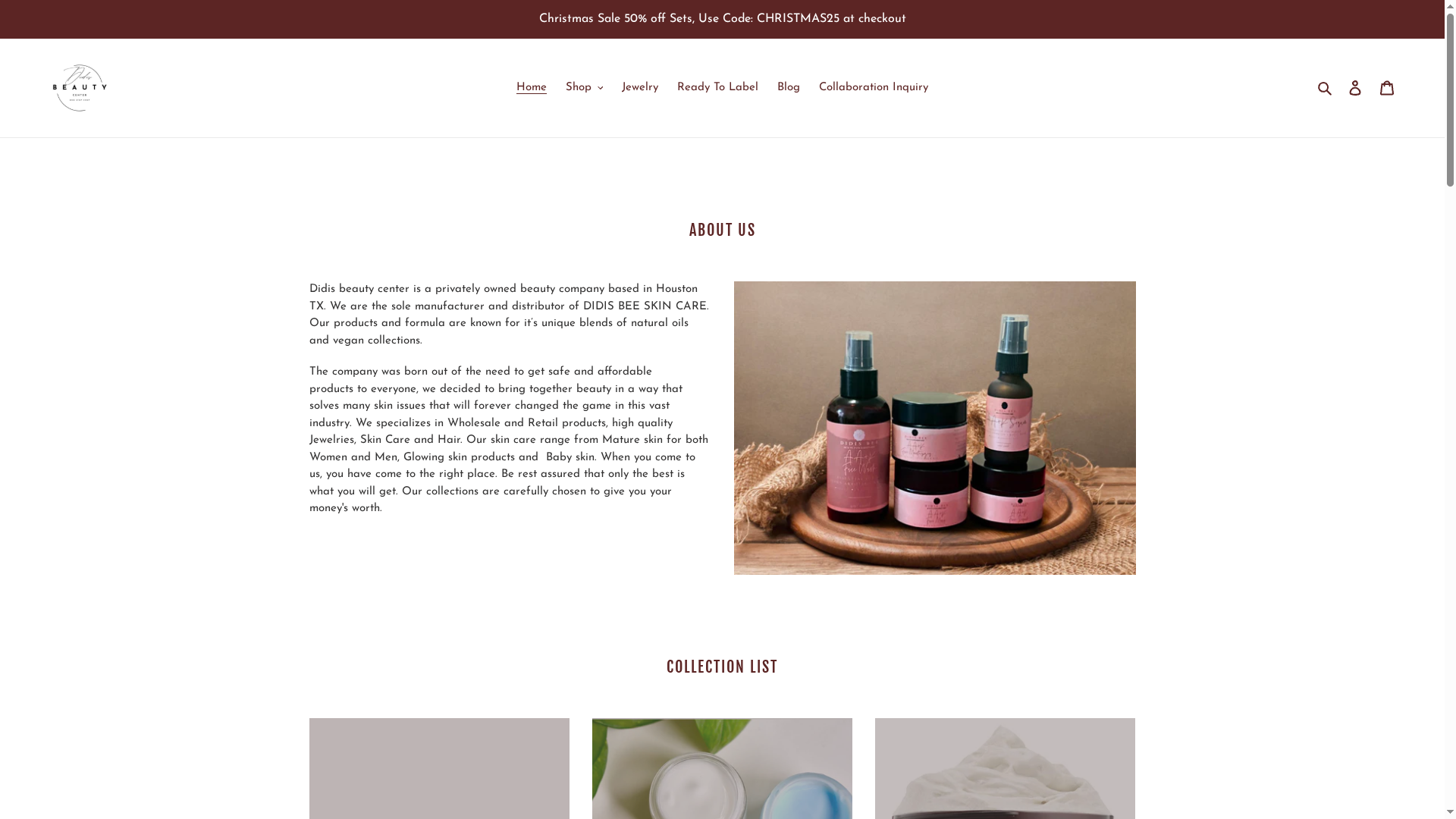
At Didis Beauty Center, every product is formulated without animal-derived ingredients and built around ingredients that deliver visible, documented results. The Daily Essential Bundle gives you a complete, layered routine in one curated set, so you’re not piecing together compatibility on your own. For nighttime repair, the Detox Nightwear Face Cream supports your skin’s overnight renewal with plant-based actives. If firmness and anti-aging are your focus, Ageless Beauty brings together a targeted antioxidant blend designed for visible results. Less trial and error, more actual progress.
Frequently asked questions
Are vegan antioxidants really as effective as synthetic ones in skincare?
Yes. Both are effective, but natural antioxidants offer additional phytonutrient synergy that synthetic versions typically lack, along with a stronger safety and sustainability profile that many consumers prefer.
What’s the best way to apply antioxidant serums in my morning routine?
Apply your antioxidant serum after cleansing and before moisturizer and sunscreen. Plant-derived antioxidants applied under SPF deliver the strongest combined protection against UV and environmental damage throughout the day.
Can antioxidants fully replace sunscreen in a skincare routine?
No. Antioxidants neutralize free radicals but do not block UV rays. Pair antioxidants with a broad-spectrum sunscreen every morning for complete protection against premature aging and sun damage.
Which vegan antioxidants are best for sensitive or oily skin?
Green tea polyphenols and isorhamnetin are excellent choices. Isorhamnetin reduced sebum and pore size in clinical trials, making it particularly well-suited for oily and combination skin types without causing irritation.
Discourse (0)