


With over 60% of consumers now seeking cruelty-free beauty options, choosing the right vegan skincare has never been more important or confusing. Multiple product categories promise radiant skin, but understanding which types match your needs makes the difference between frustration and results. This guide breaks down the essential vegan skincare types available in 2026, helping you build an effective routine that aligns with your skin goals and ethical values.
Table of Contents
- How To Evaluate And Choose Vegan Skincare Products
- Top Types Of Vegan Skincare Products To Know In 2026
- Comparing Types Of Vegan Skincare: Formulation, Use, And Benefits
- Choosing The Right Vegan Skincare Types For Your Skin And Lifestyle
- Explore Vegan Skincare Solutions At Didis Beauty Center
Key takeaways
| Point | Details |
|---|---|
| Multiple vegan skincare types exist | Cleansers, moisturizers, serums, masks, and sunscreens each serve distinct skin needs and concerns |
| Selection depends on key factors | Skin type, plant-based ingredients, cruelty-free certification, and environmental impact guide choices |
| Formulation varies by product type | Plant-based formulations differ in texture, concentration, and benefits across product categories |
| Matching products to lifestyle matters | Activity level, environment, and ethical priorities influence which vegan skincare types work best |
| Targeted selection delivers results | Choosing appropriate product types leads to healthier skin while supporting sustainable beauty practices |
How to evaluate and choose vegan skincare products
Vegan skincare selection involves assessing ingredients, skin type compatibility, and ethical standards. Understanding what makes skincare truly vegan helps you navigate marketing claims and identify genuinely plant-based products. Vegan skincare excludes all animal-derived ingredients like beeswax, lanolin, collagen, and carmine while avoiding animal testing throughout production.
When evaluating products, focus on four essential criteria. First, examine ingredient transparency by checking labels for clear disclosure of all components and their sources. Second, assess skin type suitability by matching formulations to your specific needs, whether you have dry, oily, combination, or sensitive skin. Third, verify cruelty-free certification through recognized logos like Leaping Bunny or PETA’s cruelty-free seal. Fourth, consider environmental impact by reviewing packaging materials, carbon footprint, and brand sustainability commitments.
Reading product labels effectively requires knowing what to look for. Scan for certifications that confirm vegan and cruelty-free status, as these third-party verifications provide accountability. Review ingredient lists for plant-based alternatives to common animal derivatives. Watch for synthetic ingredients that may be vegan but not aligned with clean beauty goals.
Matching product types to skin concerns ensures you address specific issues effectively:
- Cleansers remove impurities and makeup while maintaining skin’s natural moisture barrier
- Moisturizers hydrate and protect skin from environmental stressors throughout the day
- Serums deliver concentrated active ingredients to target specific concerns like aging or hyperpigmentation
- Masks provide intensive treatment for deep cleansing, hydration, or brightening effects
- Sunscreens protect against UV damage using mineral or plant-based filters
Pro Tip: Always patch test new vegan products on a small skin area for 24 to 48 hours before full application to identify potential sensitivities and avoid widespread irritation.
Top types of vegan skincare products to know in 2026
Cleansers, moisturizers, serums, masks, and sunscreens represent the core categories you need for comprehensive skincare. Each type plays a distinct role in maintaining skin health and addressing specific concerns through plant-based formulations.
Cleansers form the foundation of any routine by removing dirt, oil, and pollutants without stripping natural oils. Vegan cleansers often contain gentle surfactants derived from coconut or sugar, combined with soothing botanicals like chamomile or aloe vera. They benefit all skin types when properly formulated, with gel cleansers suiting oily skin and cream cleansers working better for dry complexions.
Toners balance skin pH and prepare it for subsequent products while delivering targeted benefits. Plant-based toners incorporate ingredients like rose water, witch hazel, or green tea extract to refine pores, control oil, or boost hydration. These lightweight liquids enhance absorption of serums and moisturizers applied afterward.
Moisturizers lock in hydration and create a protective barrier using plant oils, butters, and humectants. Common vegan ingredients include shea butter, jojoba oil, hyaluronic acid from plant fermentation, and squalane from olives. These formulations range from lightweight lotions for oily skin to rich creams for dry or mature complexions.
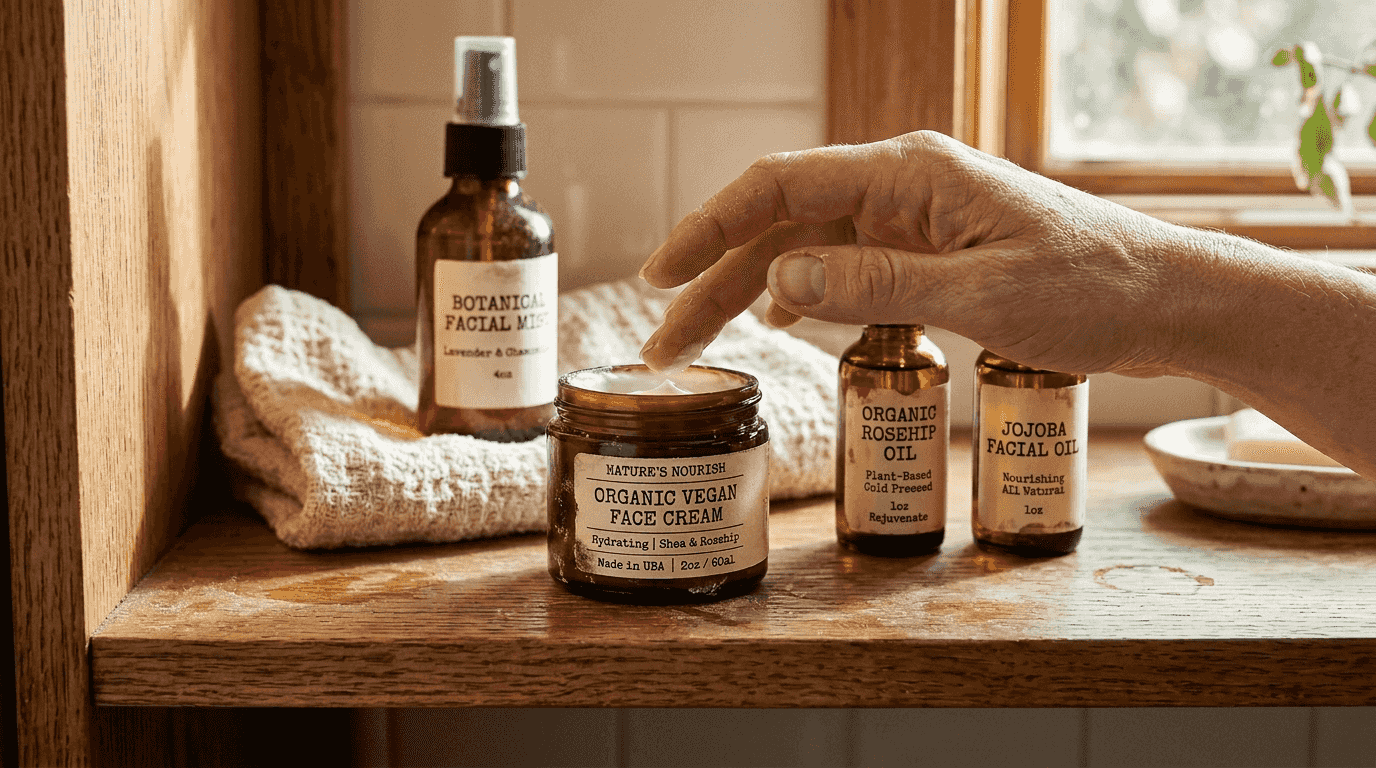
Serums provide concentrated doses of active ingredients to address specific concerns efficiently. Vegan serums feature powerful plant extracts like vitamin C from kakadu plum, retinol alternatives from bakuchiol, and niacinamide for pore refinement. Their lightweight texture allows deeper penetration than moisturizers, making them ideal for targeting fine lines, dark spots, or uneven texture.
Face masks deliver intensive treatments through clay-based purifying formulas, hydrating gel masks, or brightening sheet masks. Plant-based masks incorporate ingredients like kaolin clay, spirulina, turmeric, or papaya enzymes for various benefits. Used weekly or bi-weekly, they complement daily routines by providing concentrated care.
Sunscreens protect against UV damage using mineral blockers like zinc oxide or titanium dioxide, or plant-based chemical filters. Vegan sunscreens often add antioxidants from green tea or vitamin E to combat free radical damage. Daily sunscreen use prevents premature aging and reduces skin cancer risk.
These products fit together in a complete vegan skincare routine that cleanses, treats, protects, and nourishes skin using only plant-derived ingredients. Layering them properly maximizes their individual and synergistic benefits.
Comparing types of vegan skincare: formulation, use, and benefits
Plant-based formulations vary widely in properties and skin benefits, making comparison essential for smart selection. Understanding how different product types differ in texture, application frequency, and outcomes helps you build an effective routine tailored to your needs.
| Product Type | Formulation | Usage Frequency | Best For | Key Benefits |
|---|---|---|---|---|
| Cleansers | Gel, cream, oil, foam | Twice daily | All skin types | Removes impurities, maintains pH balance, preps skin |
| Moisturizers | Lotion, cream, balm | Twice daily | Dry to normal skin | Hydrates, protects barrier, prevents moisture loss |
| Serums | Liquid, essence | Once or twice daily | Targeted concerns | Delivers concentrated actives, addresses specific issues |
| Masks | Clay, gel, sheet | 1 to 3 times weekly | Intensive treatment | Deep cleanses, boosts hydration, brightens complexion |
| Sunscreens | Lotion, cream, spray | Daily (morning) | All skin types | Blocks UV damage, prevents aging, protects from cancer |
Formulation differences directly impact how products interact with skin. Cleansers use varying surfactant strengths, with gel formulas offering deeper cleansing for oily skin and cream versions providing gentler action for sensitive types. Moisturizers range from water-based lotions that absorb quickly to oil-rich balms that create occlusive barriers. Serums maintain lightweight, fast-absorbing textures that allow high concentrations of actives without heaviness.
Each product type offers distinct advantages and limitations:
- Cleansers excel at removing buildup but may over-strip if too harsh for your skin type
- Moisturizers provide essential hydration yet might feel heavy if not matched to skin’s oil production
- Serums deliver potent ingredients efficiently but require consistent use to show results
- Masks offer intensive benefits quickly though frequent use may irritate sensitive skin
- Sunscreens prevent critical damage but some mineral formulas leave white cast on darker skin tones
Pro Tip: Layer complementary product types strategically by applying thinnest to thickest consistency, allowing each product to absorb fully before adding the next for maximum effectiveness.
Texture preferences also guide selection. Some people prefer lightweight gels that disappear into skin, while others enjoy richer creams that feel nourishing. Vegan formulations accommodate all preferences through diverse plant-based ingredients that create various textures without animal derivatives.
Choosing the right vegan skincare types for your skin and lifestyle
Tailoring vegan skincare choices to your skin type and lifestyle maximizes effectiveness and satisfaction. Your unique combination of skin characteristics and daily habits determines which product types deliver optimal results without causing issues.
Skin type fundamentally influences product selection. Dry skin thrives with cream cleansers, rich moisturizers, and hydrating serums containing hyaluronic acid or plant oils. Oily skin benefits from gel cleansers, lightweight lotions, and oil-controlling toners with niacinamide or salicylic acid from willow bark. Combination skin requires balancing products, using lighter formulas on oily zones and richer ones on dry areas. Sensitive skin needs fragrance-free, minimal-ingredient products with soothing botanicals like calendula or oat extract.
Lifestyle factors shape which products fit your routine realistically. Active individuals who sweat frequently need thorough cleansing and moisture-resistant sunscreens. Those in dry climates require extra hydration through layered moisturizers and hydrating masks. People prioritizing sustainability favor brands with refillable packaging and carbon-neutral shipping. Busy schedules call for multitasking products like tinted sunscreen-moisturizers or cleansing balms that remove makeup efficiently.
Follow this decision-making process to select suitable vegan skincare:
- Identify your primary skin concern, whether acne, dryness, aging, or sensitivity, to prioritize product types that address it directly
- Determine your skin type through observation of oil production, texture, and reactivity to establish baseline product requirements
- Research ingredients that target your concern effectively in vegan formulations, such as bakuchiol for anti-aging or tea tree oil for breakouts
- Evaluate product formats that fit your lifestyle, considering time available for routines and travel frequency
- Start with essential types like cleanser, moisturizer, and sunscreen, then add targeted treatments like serums or masks as needed
Seasonal adjustments keep your routine effective year-round. Switch to richer moisturizers and hydrating masks during winter’s dry conditions. Lighten formulas and increase sun protection in summer heat. Transition gradually between seasons to avoid shocking your skin with abrupt changes.
Special skin needs require adapted product selection. Pregnancy-safe vegan skincare avoids retinol alternatives and essential oils that may affect hormones. Post-procedure skin needs gentle, fragrance-free products that support healing. Mature skin benefits from peptide-rich serums and antioxidant moisturizers that combat visible aging.
Regular evaluation ensures your choices continue serving you well. Reassess every three months or when experiencing changes in skin behavior, climate, or life circumstances. Trial periods of four to six weeks allow enough time to judge product effectiveness before making final decisions.
Explore vegan skincare solutions at Didis Beauty Center
Now that you understand different vegan skincare types and how to choose them, discover curated options designed for your needs. Didis Beauty Center offers carefully selected vegan products that combine plant-based effectiveness with cruelty-free ethics.
Our Daily Essential Bundle simplifies your routine with complementary cleansing and moisturizing products that work together seamlessly. For comprehensive care, the Daily Routine Bundle includes everything you need from cleansing through protection. Those seeking targeted nighttime treatment can explore our Detox Nightwear Face Cream, which harnesses botanical ingredients to rejuvenate skin while you sleep. Each product reflects our commitment to natural formulations, transparent ingredients, and sustainable beauty practices that benefit both your skin and the planet.
Frequently asked questions
What is vegan skincare and why is it important?
Vegan skincare consists of products formulated without any animal-derived ingredients and never tested on animals throughout development or production. This includes avoiding common animal ingredients like beeswax, lanolin, collagen, carmine, and honey. Importance stems from ethical concerns about animal welfare, environmental benefits of plant-based production, and often gentler formulations that suit sensitive skin. Growing consumer demand for cruelty-free beauty reflects increasing awareness of how purchasing choices impact animals and ecosystems.
Which vegan skincare product types are best for sensitive skin?
Gentle cream cleansers, fragrance-free moisturizers, and soothing serums with minimal ingredients work best for sensitive skin. Look for products featuring calming botanicals like chamomile, colloidal oatmeal, or calendula that reduce inflammation without irritation. Patch test every new product on your inner arm for 24 hours before facial application to identify potential reactions early. Avoid harsh physical exfoliants, alcohol-based toners, and heavily fragranced masks that commonly trigger sensitivity.
How do I know if a vegan skincare product is truly cruelty-free?
Verify cruelty-free status by checking for recognized certification logos like Leaping Bunny, PETA cruelty-free, or Choose Cruelty Free on product packaging. Research brand policies on their website for explicit statements about animal testing at all production stages, including ingredient suppliers. Consult trusted databases like Cruelty-Free Kitty or Logical Harmony that independently verify brand claims and track policy changes. Be aware that vegan does not automatically mean cruelty-free, as some vegan products may still involve animal testing.
Can vegan skincare be effective for anti-aging?
Many vegan serums and moisturizers contain potent anti-aging ingredients like bakuchiol, vitamin C, peptides from plant sources, and antioxidants from berries or green tea. Plant-based formulations stimulate collagen production, improve elasticity, and provide deep hydration that plumps fine lines. Choosing targeted vegan products with proven actives delivers results comparable to conventional anti-aging treatments. Consistency matters more than ingredient source, so commit to regular application of well-formulated vegan products for visible improvement over time.
Discourse (0)