


TL;DR:
- Essential oils are concentrated plant extracts that influence well-being through inhalation and topical use, offering stress relief, skin support, and antimicrobial protection. They work via the limbic system and skin absorption, requiring proper dilution and safe practices to prevent adverse effects. Incorporating a few select oils into routines enhances health and beauty, but understanding their potency, safety, and limitations is essential for effective use.
Essential oils are highly concentrated plant extracts that influence emotional and physical well-being primarily through aromatic and topical applications. The role of essential oils spans stress relief, skin support, antimicrobial protection, and mood regulation, making them one of the most versatile tools in holistic wellness. Lavender, peppermint, and tea tree oil are among the most studied examples, each with distinct physiological effects backed by clinical research. Understanding how they work, what they can realistically do, and how to use them safely separates effective practice from wishful thinking.
What is the role of essential oils in health and wellness?
Essential oils are the volatile aromatic compounds extracted from plant leaves, flowers, bark, and roots through steam distillation or cold pressing. They are not oils in the traditional fatty sense. They evaporate quickly, carry intense scent profiles, and deliver biological activity at very low concentrations. This is what makes them both powerful and potentially risky when misused.
The uses of essential oils fall into three broad categories: aromatherapy, topical application, and incorporation into skincare formulations. Each method engages the body differently, and understanding those differences shapes how you get results. Aromatherapy works through inhalation, topical use works through skin absorption, and formulation-based use combines both with the added benefit of carrier ingredients that dilute and stabilize the oils.
What separates essential oils from other wellness tools is their dual action. They affect both the body and the mind simultaneously, which is why they appear in everything from clinical anxiety management to DIY face serums. The natural scents in beauty movement has pushed essential oils from niche apothecary shelves into mainstream skincare, and that visibility has created both opportunity and misinformation.
How do essential oils work biologically and psychologically?
The primary mechanism behind aromatherapy is the limbic system. When you inhale an essential oil, scent molecules travel through the olfactory nerve directly to the brain’s limbic region, which governs emotion, memory, and autonomic nervous system responses. Essential oils mediate emotional responses through these neuroendocrine pathways rather than through direct pharmacological action in the bloodstream. This distinction matters because it explains why effects are real but not equivalent to pharmaceutical drugs.
Topical application works differently. When diluted oils are applied to skin, smaller molecular compounds can penetrate the dermal layers and enter local tissue. The absorption rate depends on the oil’s molecular size, the carrier used, and skin condition. This is why tea tree oil applied to a blemish works locally without requiring systemic circulation.
Here is what the research actually supports:
- Inhalation of lavender activates the parasympathetic nervous system, producing measurable reductions in cortisol and heart rate
- Aromatherapy shows moderate evidence for reducing pain in dysmenorrhea and anxiety in perioperative patients
- Peppermint inhalation engages trigeminal nerve receptors, which explains its cooling sensation and reported effects on alertness
- Topical tea tree oil penetrates the epidermis and disrupts microbial cell membranes at the site of application
One underappreciated dimension is that essential oils enhance drug bioavailability as multifunctional excipients in pharmaceutical research. This means their role extends beyond wellness into legitimate drug delivery science, though standardization challenges currently limit clinical adoption. The takeaway for everyday users is that these compounds are chemically active, not merely fragrant.
Pro Tip: Diffuse oils in a well-ventilated room for 30 to 60 minutes at a time rather than continuously. Constant exposure can desensitize your olfactory receptors and reduce the perceived benefit over time.
What are the main benefits of essential oils for wellness and beauty?
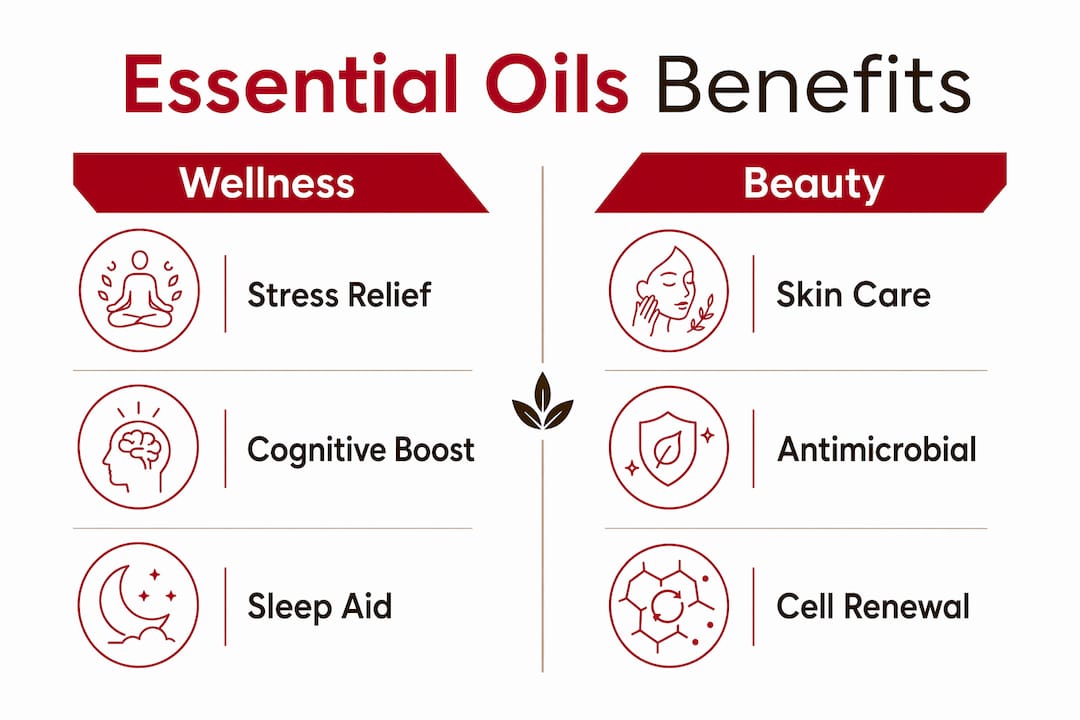
The benefits of essential oils divide cleanly into two domains: internal wellness effects delivered through aromatherapy, and external beauty effects delivered through topical application and skincare formulations.
Wellness benefits backed by research
Lavender essential oil activates the parasympathetic nervous system, reducing stress and improving sleep quality across multiple studied populations. This makes it one of the most validated oils for anxiety management and insomnia support. Bergamot, a citrus-derived oil, shows similar calming properties and is frequently used in clinical aromatherapy settings for mood regulation.
Peppermint oil inhalation may improve mental clarity and reduce nausea, offering benefits for cognitive alertness and digestive comfort. Athletes and students both report using peppermint diffusion during performance or study sessions, and the mechanism through trigeminal nerve activation supports those reports.
Beauty and skin benefits
| Essential Oil | Primary Benefit | Application Method |
|---|---|---|
| Tea tree | Antimicrobial, antifungal | Diluted spot treatment, cleansers |
| Lavender | Calming, minor wound support | Toners, serums, face mists |
| Frankincense | Skin cell regeneration | Anti-aging serums, moisturizers |
| Rosehip (carrier blend) | Hydration, brightening | Face oils, night creams |
| Bergamot | Mood lifting, antibacterial | Body oils, bath blends |
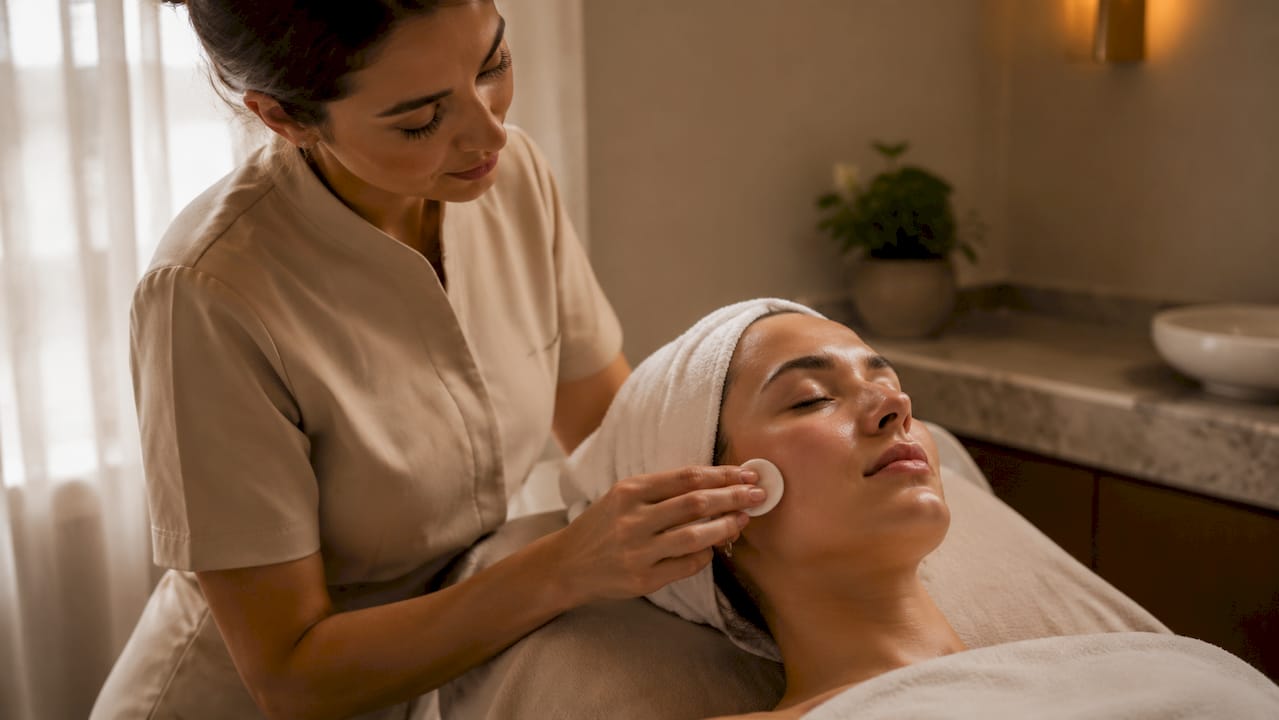
Tea tree oil contains terpinen-4-ol, which disrupts microbial membranes and shows antifungal and antibacterial activity including against resistant strains. Topically applied tea tree oil also has moderate evidence for effectiveness against tinea pedis, commonly known as athlete’s foot. For beauty applications, this makes it a credible ingredient in acne treatments and foot care products.
Frankincense and rosehip are popular in holistic skincare for their reported effects on skin cell turnover and collagen support. While large-scale clinical trials are limited, the compounds within these oils, including boswellic acids in frankincense, have demonstrated anti-inflammatory activity in laboratory studies.
What are key safety considerations and proper use guidelines?
Essential oils are 75 times more potent than dried herbs, which makes dilution non-negotiable rather than optional. Applying undiluted oil directly to skin risks chemical burns, contact dermatitis, and long-term sensitization. The “natural” label does not reduce potency. Respecting concentration is the single most important safety practice.
Follow these guidelines before and during use:
- Dilute every time. A standard safe dilution for adults is 2% in a carrier oil, which equals roughly 12 drops of essential oil per 30 ml of carrier such as jojoba, sweet almond, or fractionated coconut oil.
- Patch test first. Apply the diluted blend to the inner forearm and wait 24 hours before broader use. Reactions can appear hours after application.
- Avoid photosensitive oils on exposed skin. Citrus oils including bergamot, lemon, and lime increase UV sensitivity and can cause permanent skin discoloration when applied before sun exposure.
- Keep away from children under two. Eucalyptus and peppermint contain compounds that can cause respiratory distress in very young children.
- Consult a provider during pregnancy. Several oils including clary sage, rosemary, and thyme are contraindicated during pregnancy due to uterotonic effects.
- Protect your pets. Essential oils toxic to cats and dogs include tea tree, eucalyptus, and pennyroyal. Diffusing these in shared spaces poses real toxicity risks due to different metabolic pathways in animals.
Quality matters as much as usage technique. Look for oils that provide GC-MS (gas chromatography-mass spectrometry) testing results, which confirm purity and chemical composition. Adulterated or synthetic oils carry higher sensitization risks and deliver inconsistent results.
Pro Tip: Store essential oils in dark glass bottles away from heat and light. Oxidized oils, especially citrus and tea tree, are more likely to cause skin reactions than fresh ones.
How to incorporate essential oils into daily wellness and beauty routines
Building essential oils into your daily practice works best when you match the oil to the desired effect and the method to your lifestyle. Trying to use every oil at once creates confusion and increases sensitization risk. Start with two or three oils and learn them well before expanding.
Common methods for daily use include:
- Ultrasonic diffuser: Add 5 to 10 drops to water and diffuse for 30 to 60 minutes. Best for lavender at night, peppermint in the morning, or citrus blends during work hours.
- Topical blends: Mix your chosen oil at 2% dilution into a carrier and apply to pulse points, the back of the neck, or directly to the target area such as temples for headaches.
- DIY skincare additions: Add 1 to 2 drops of tea tree or frankincense to an unscented moisturizer or toner. Never add undiluted oil to water-based products without an emulsifier.
- Bath blending: Disperse 5 to 8 drops in a tablespoon of carrier oil or unscented bath gel before adding to water. Oil and water do not mix, so undiluted drops in a bath concentrate on skin contact.
Rotating your oils every four to six weeks reduces the risk of sensitization. Sensitization can develop even after prolonged safe use, meaning an oil you have tolerated for years can suddenly trigger a reaction. Rotation is the simplest prevention strategy.
Avoid ingesting essential oils without direct guidance from a qualified aromatherapist or integrative health provider. The internal use of oils is a specialized practice with real toxicity risks, and general wellness goals are fully achievable through inhalation and topical methods. The benefits for vegan skincare from topical facial oils alone are substantial without any need for internal use.
Key takeaways
Essential oils work through neuroendocrine and topical pathways, not pharmacological ones, which means their benefits are real but best understood as complementary to other wellness practices.
| Point | Details |
|---|---|
| Mechanism of action | Essential oils work via limbic system pathways and local skin absorption, not direct bloodstream pharmacology. |
| Top validated benefits | Lavender reduces stress and improves sleep; tea tree delivers antimicrobial effects; peppermint supports alertness. |
| Dilution is mandatory | At 75 times the potency of dried herbs, undiluted application risks burns and sensitization. |
| Safety for vulnerable groups | Citrus oils cause photosensitivity; several oils are toxic to pets and contraindicated in pregnancy. |
| Rotation prevents sensitization | Switching oils every four to six weeks reduces the risk of developing allergic reactions over time. |
Why I stopped treating essential oils as miracle cures
I spent years watching people swing between two extremes with essential oils: either dismissing them entirely as placebo or treating them as replacements for medical care. Both positions miss the point. The research is clear that essential oils are complementary agents that enhance well-being rather than standalone cures, and working within that framing is where the real value lives.
What I find most underappreciated is the potency issue. People assume “natural” means gentle. It does not. The batch compositional variability in essential oils means two bottles labeled identically can have meaningfully different chemical profiles depending on harvest conditions, extraction method, and storage. This is why sourcing from brands that publish GC-MS test results is not optional if you care about consistent results and safety.
My personal routine keeps it simple: lavender in the diffuser before sleep, diluted frankincense in my evening moisturizer, and tea tree in a spot treatment when needed. I rotate every few weeks and patch test any new oil before committing to regular use. The oils I trust most are the ones with the most research behind them, not the most dramatic marketing claims.
The most useful shift you can make is treating essential oils as one layer in a broader wellness and skincare practice rather than the whole answer. They work best alongside quality nutrition, sleep, and skincare formulations built on proven natural ingredients. That combination is where you actually see results.
— Gloria
Explore natural skincare with Didisbeautycenter
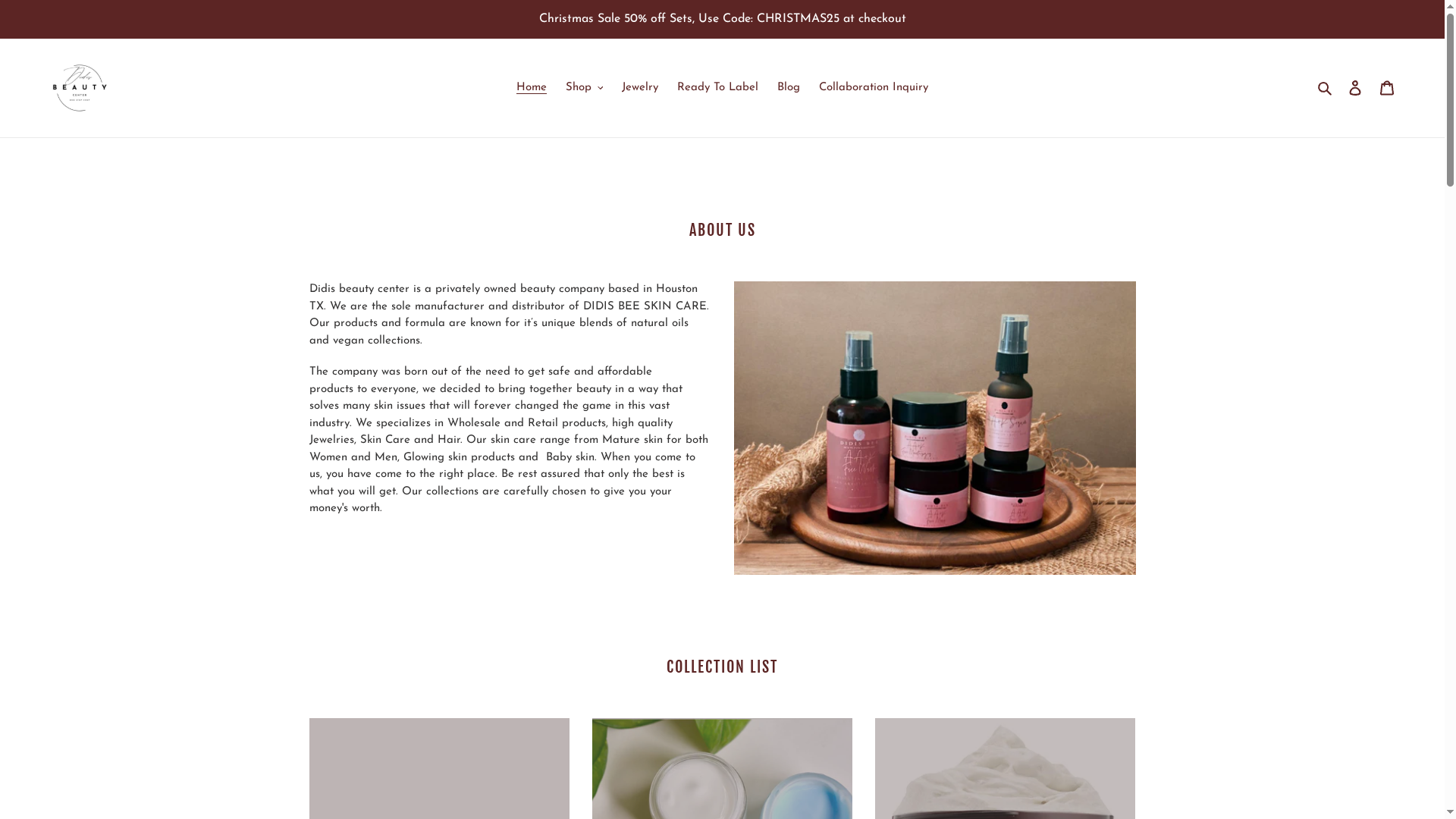
Didisbeautycenter curates skincare built around natural, vegan formulations that work with your skin rather than against it. If you are ready to put the benefits of essential oils to work in a structured daily routine, the Daily Essential Bundle gives you a curated starting point without the guesswork of building a routine from scratch. For nighttime skin support, the Detox Nightwear Face Cream incorporates active botanicals for overnight regeneration. Every product at Didisbeautycenter is formulated with quality, safety, and real-world effectiveness as the standard, not the exception.
FAQ
What are essential oils, exactly?
Essential oils are concentrated volatile compounds extracted from plants through steam distillation or cold pressing. They carry the plant’s aromatic and bioactive properties in a highly potent liquid form.
How do essential oils support wellness?
They work primarily through the limbic system when inhaled and through local skin absorption when applied topically. Lavender reduces stress and improves sleep; peppermint supports alertness; tea tree delivers antimicrobial effects.
Can essential oils be applied directly to skin?
No. Essential oils are 75 times more potent than dried herbs and must be diluted in a carrier oil before skin contact. A 2% dilution, roughly 12 drops per 30 ml of carrier, is the standard safe starting point for adults.
Are essential oils safe around pets?
Several oils including tea tree, eucalyptus, and pennyroyal are toxic to cats and dogs due to different metabolic pathways. Diffusing these in shared spaces poses real health risks to animals and should be avoided.
How do I choose the right essential oil for my needs?
Match the oil to your goal: lavender and bergamot for stress and sleep, peppermint for focus and nausea, tea tree for antimicrobial skin support, and frankincense for anti-aging skincare. Start with one or two oils and expand once you understand how your skin and body respond.
Discourse (0)