


TL;DR:
- Botanicals in skincare provide antioxidants, anti-inflammatory benefits, and support hydration, based on scientific evidence.
- However, natural ingredients require rigorous safety testing, and effective formulations depend on high-quality extraction methods.
Not every “natural” product deserves your trust, and the role of botanicals in skincare is more nuanced than most beauty brands let on. Aloe vera, green tea, turmeric, Centella asiatica — these names appear on labels constantly, but what do they actually do for your skin, and how do you know which ones are backed by real science? This article cuts through the marketing noise to give you a clear picture of how plant-based ingredients function in modern skincare, what the clinical evidence actually says, and how to build a routine with botanicals that genuinely works.
Table of Contents
- Key takeaways
- The role of botanicals in skincare formulations
- What the science says about botanical benefits
- Safety: what you actually need to know
- How to build a botanical skincare routine
- Botanicals vs. synthetic ingredients: a direct comparison
- My take on botanicals: tradition is not enough
- Discover botanical skincare at Didisbeautycenter
- FAQ
Key takeaways
| Point | Details |
|---|---|
| Botanicals serve multiple functions | Plant extracts act as antioxidants, anti-inflammatory agents, and hydrators in skincare formulas. |
| Clinical evidence exists for key ingredients | Centella asiatica and butterfly pea flower have strong trial data supporting wrinkle and hydration benefits. |
| Natural does not mean automatically safe | Botanical ingredients require rigorous safety testing, just like synthetic ones. |
| Match botanicals to your skin concerns | Choose ingredients based on your specific skin type and goals, not just trend popularity. |
| Quality of extraction matters | How a botanical is extracted directly affects its potency and stability in a finished product. |
The role of botanicals in skincare formulations
Botanicals are ingredients derived from plants, including roots, leaves, flowers, seeds, and bark. In skincare, they appear in several forms. You will find them as liquid extracts, where plant material is steeped in a solvent like water or alcohol. They also appear as essential oils, which are concentrated aromatic compounds. And they show up as powders, where dried plant material is ground fine enough to blend into creams or masks.
Each form serves different purposes depending on the formula. A liquid extract might carry water-soluble antioxidants, while an essential oil delivers concentrated actives that affect the skin’s surface. These distinctions matter when you are reading ingredient labels.
Here is what botanical extracts actually do in skincare products:
- Antioxidant protection. Polyphenols and flavonoids found in plants like green tea and turmeric neutralize free radicals that break down collagen and accelerate aging. Medicinal plants contain bioactive compounds that protect skin from UV-induced oxidative stress.
- Anti-inflammatory action. Botanicals like Centella asiatica and chamomile calm irritation, redness, and swelling by interfering with inflammatory pathways in the skin.
- Moisturizing and barrier support. Aloe vera and oat extract reinforce the skin’s moisture barrier, reducing water loss and keeping skin soft.
- Collagen stimulation. Certain plant compounds promote fibroblast activity, which is the cellular process behind collagen production.
- Antimicrobial effects. Tea tree oil and neem are widely used for their ability to reduce acne-causing bacteria on the skin’s surface.
Popular examples you will encounter include aloe vera for soothing, turmeric for brightening and inflammation, green tea for antioxidant protection, Centella asiatica for healing and barrier repair, and butterfly pea flower for its striking blue pigment and anti-aging properties. The role of herbs in beauty is not new. What is new is the science available to validate which ones actually deliver results.
What the science says about botanical benefits
The benefits of botanicals are no longer just anecdotal. Clinical research is catching up, and the findings are specific enough to act on.
Centella asiatica is one of the most studied plant-based skincare solutions available today. A randomized, double-blind, placebo-controlled trial found that oral supplementation with Centella asiatica extract produced an 11.1% reduction in wrinkle depth and a 13.9% reduction in wrinkle volume over 12 weeks. Participants also showed increased skin hydration and decreased transepidermal water loss, which is a direct measure of barrier function improvement. These are not vague improvements. They are measurable, reproducible numbers.
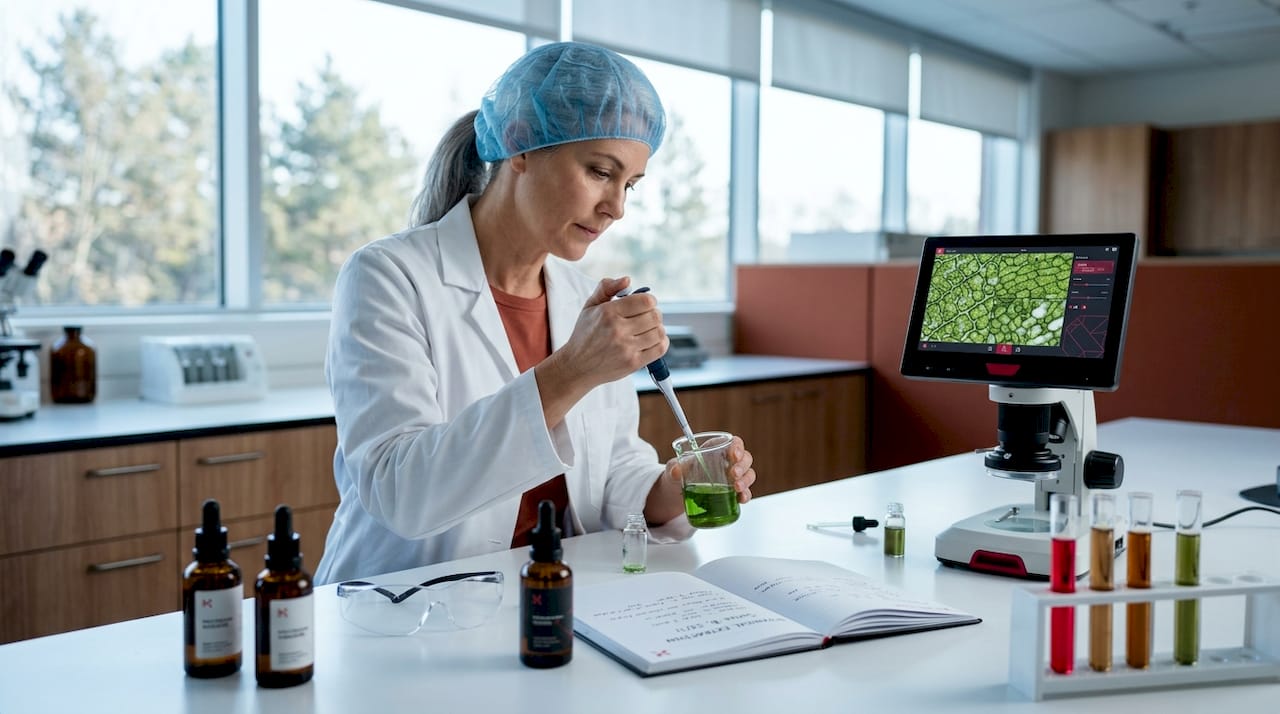
Butterfly pea flower (Clitoria ternatea) is another botanical earning serious scientific attention. Research into emulsion-based herbal creams found that butterfly pea extract delivers over 85% free radical scavenging activity and a 70% increase in skin hydration within one hour of application. That hydration response is faster than many synthetic humectants. Beyond antioxidants, butterfly pea flower shows AGE inhibition rates reaching 92%, meaning it actively prevents the collagen cross-linking process that makes skin stiff and wrinkled over time.
The table below summarizes clinical outcomes for key botanicals:
| Botanical | Key mechanism | Measured benefit |
|---|---|---|
| Centella asiatica | Barrier repair, collagen support | 11.1% wrinkle depth reduction, improved hydration |
| Butterfly pea flower | Antioxidant, anti-glycation | 70% hydration increase, 92% AGE inhibition |
| Green tea (EGCG) | Antioxidant, anti-inflammatory | UV protection, reduced sebum oxidation |
| Turmeric (curcumin) | Anti-inflammatory, brightening | Reduced hyperpigmentation, calmed acne inflammation |
| Aloe vera | Moisturizing, wound healing | Improved TEWL, accelerated barrier recovery |
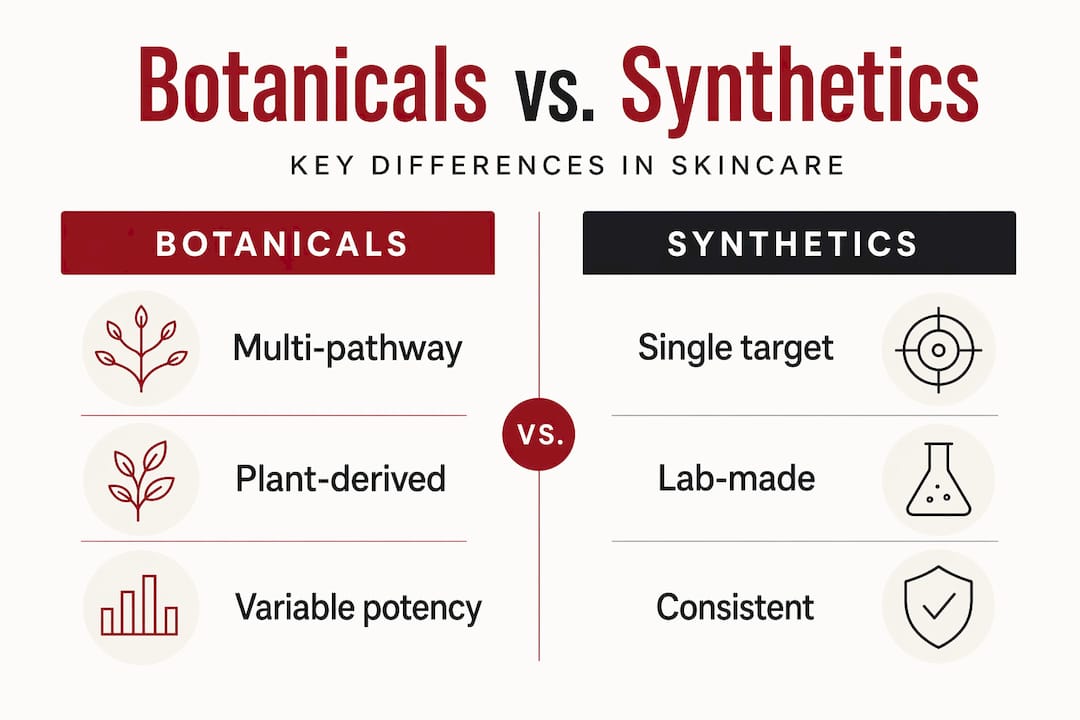
The key reason these ingredients work is their molecular diversity. Polyphenols and flavonoids hit multiple skin targets simultaneously. A synthetic retinol targets one specific pathway. A plant extract like green tea can address oxidative stress, inflammation, and microbial activity at the same time.
Pro Tip: When evaluating a botanical product, look for standardized extracts on the label. A standardized extract specifies the percentage of the active compound, such as “95% EGCG from green tea.” Non-standardized extracts can vary wildly in potency from batch to batch.
The field is also moving fast. Next-generation botanical formulations are shifting away from traditional anecdotal claims toward standardized, bioavailable extracts with reproducible potency, which is exactly what consumers should be demanding.
Safety: what you actually need to know
Here is the misconception that creates the most problems: natural equals safe. It does not. Poison ivy is natural. So is arsenic. The same logic applies to botanical extracts in skincare. Some are gentle and well-tolerated. Others carry real risks if not properly tested.
Modern botanical safety assessments use a layered approach that includes:
- In vitro testing. This means lab-based cell tests that check for irritation, toxicity, and sensitization before the ingredient ever touches human skin.
- In silico analysis. Computer modeling predicts how a compound will behave based on its chemical structure.
- Margin of safety (MoS) calculations. These compare the dose of an ingredient in a product to the dose known to cause harm.
- Threshold of toxicological concern (TTC). A safety benchmark for low-exposure ingredients with limited toxicity data.
- History of safe use. Long-term, widespread use in traditional medicine provides supporting evidence, though it does not replace modern testing.
A good example of this rigorous process is Sophora flavescens root extract. Research using exactly this multi-evidence approach found that the extract showed no irritation in reconstructed skin and cornea models, confirming its safety for cosmetic use. More broadly, this study reinforced that botanical ingredients require integrated safety assessment, not assumptions based on their plant origin.
“While botanical ingredients have longstanding traditional use, modern formulations must undergo rigorous safety validation to avoid adverse reactions and systemic toxicity.” — Safety Assessment of Sophora flavescens Root Extract for Cosmetic Use
As a consumer, your best protection is choosing brands that are transparent about their testing process. Look for brands that disclose safety testing, list full ingredients with percentages when possible, and avoid vague claims like “100% natural, so completely safe.” You can also explore why non-toxic skincare matters beyond just the botanical debate. The standard is not natural versus synthetic. The standard is tested versus untested.
How to build a botanical skincare routine
Incorporating herbal ingredients for beauty into your daily routine does not require a complete product overhaul. It requires strategy. Here is how to approach it systematically:
-
Identify your primary skin concern. Dryness and barrier damage respond well to Centella asiatica, aloe vera, and oat extract. Hyperpigmentation benefits from turmeric and vitamin C-rich plant extracts like rosehip. Oily or acne-prone skin often responds well to green tea, niacinamide from natural sources, and tea tree oil in low concentrations.
-
Choose the right product format. Serums deliver higher concentrations of botanical actives because they are water-based and absorb quickly. Creams and moisturizers are better for occlusive botanicals that seal in hydration. Toners with plant extracts serve as a first-pass treatment, preparing skin to absorb what comes next. For guidance on what to look for, natural toner ingredients like witch hazel and chamomile are a practical starting point.
-
Patch test every new botanical product. Apply a small amount to your inner arm or behind your ear for 48 hours before applying it to your face. Some people react to essential oils, citrus-derived extracts, and even chamomile if they have ragweed allergies. Patch testing takes two days and saves you from a week of irritation.
-
Layer by texture, not trend. Apply lighter botanical serums before heavier creams. Do not stack five anti-inflammatory botanicals in one routine because more does not mean faster results. Choose two or three actives that target your specific concerns and give them at least four weeks to show measurable change.
-
Check extraction quality. How a botanical is extracted affects what ends up in your product. Research shows that hydroalcoholic extraction methods significantly optimize phenolic content and antioxidant activity, meaning formulation technique directly determines how effective your product actually is.
Pro Tip: If you are new to botanical skincare, start with a single well-studied ingredient like Centella asiatica and build your routine around it before adding complexity. A simple, consistent routine outperforms a complicated one every time.
For a structured starting point, the natural skincare routines list at Didisbeautycenter covers how to layer plant-based products effectively from morning to evening.
Botanicals vs. synthetic ingredients: a direct comparison
The botanical versus synthetic debate is often framed as a moral choice rather than a practical one. That framing does not serve you well. Here is an honest comparison:
| Factor | Botanical ingredients | Synthetic ingredients |
|---|---|---|
| Efficacy | Multi-pathway activity; variability by source and extraction | Precise, single-target action; highly reproducible |
| Safety | Requires rigorous testing; allergenic potential varies | Well-documented toxicity profiles for most actives |
| Environmental impact | Sustainable if responsibly sourced; can be resource-intensive | Lower land use; some have environmental persistence concerns |
| Consumer perception | High trust; strong demand for plant-based solutions | Increasingly scrutinized; but many are proven and essential |
| Stability in formulas | Can degrade faster; requires careful preservation | Generally more stable across pH and temperature ranges |
The honest answer is that the best skincare products often use both. Synthetic preservatives protect botanical actives from degrading. A synthetic emulsifier might hold a plant extract in a stable cream. The goal is not purity. The goal is results. That said, consumer movement toward plant-based skincare solutions is reshaping how brands formulate, pushing the industry toward cleaner, more transparent ingredient choices across the board.
My take on botanicals: tradition is not enough
I have spent years reading the research on botanical skincare, and the single most dangerous idea I see repeated is the phrase “it’s been used for centuries, so it must work.” Tradition is a starting point for investigation, not proof of efficacy.
What I have found consistently is that the botanicals with the strongest clinical backing, Centella asiatica, green tea, and butterfly pea flower, succeed because scientists figured out exactly which compounds were active, how to extract them reliably, and at what concentration they produce results. That is not tradition. That is science applied to tradition.
I also see people layer botanical products indiscriminately because they assume plants cannot cause harm. I have seen clients with genuine contact dermatitis from essential oil-heavy “natural” products and reactive skin from unregulated herbal powders. The sensitivity is real.
My approach is this: pick botanicals with clinical evidence, choose brands that disclose how they test, and treat your skin as an experiment of one. What works in a study works on average. Your skin has its own context. Start slow, observe, and adjust. That combination of evidence-based selection and personal observation is what actually produces healthy, glowing skin over time.
— Gloria
Discover botanical skincare at Didisbeautycenter
If you are ready to put this knowledge into practice, Didisbeautycenter has done the sourcing work for you. Their product line is built around natural, vegan formulations that use well-studied botanical extracts without sacrificing safety or stability.
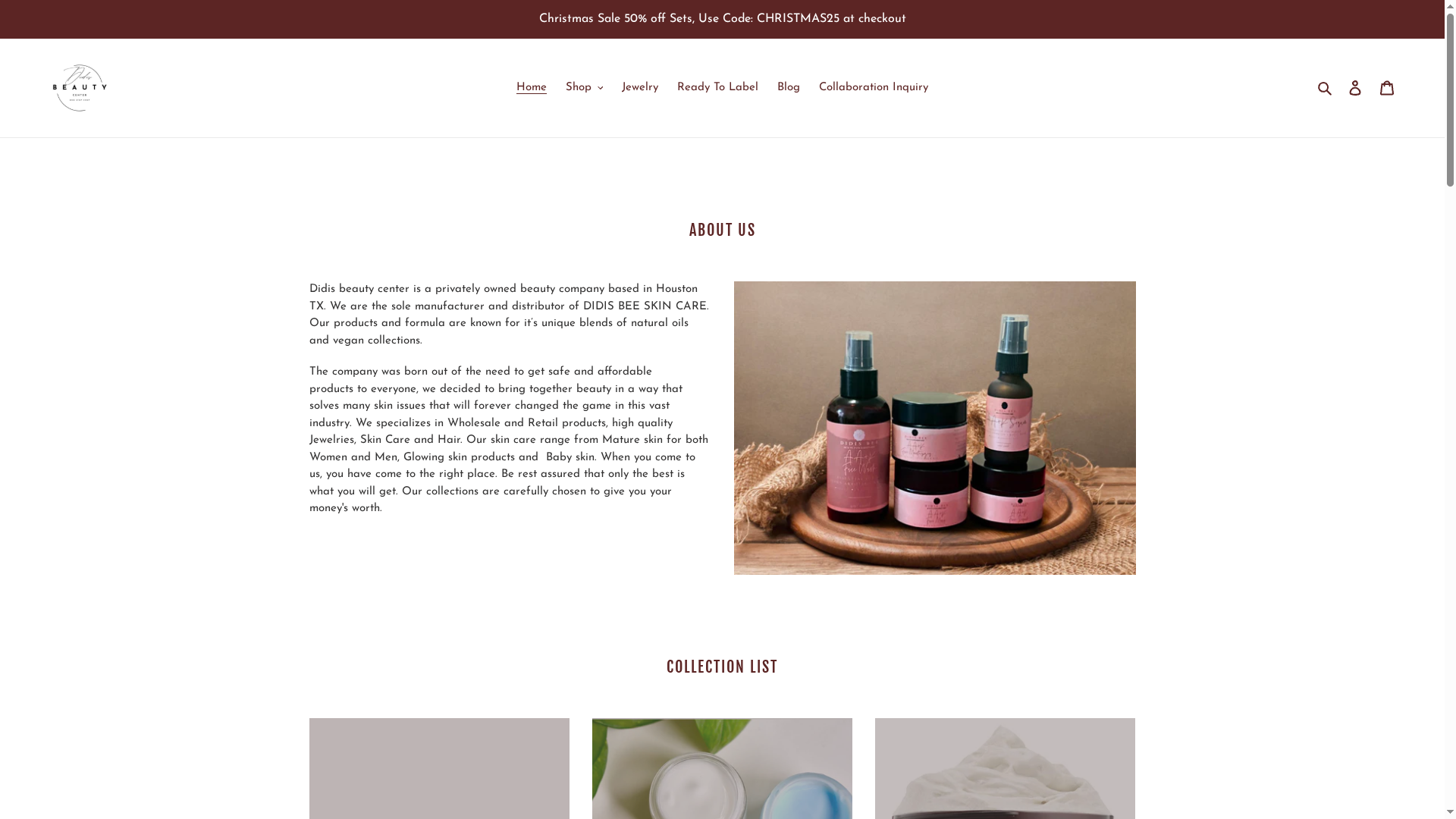
For entrepreneurs and consumers alike, the private label botanical skincare options at Didisbeautycenter offer curated, science-backed formulations ready to customize or shop directly. Each product reflects the same commitment to tested, transparent ingredients that this article has been advocating for. Whether you are building a routine from scratch or looking to expand an existing one, their catalog gives you a quality starting point grounded in real formulation standards.
FAQ
What is the role of botanicals in skincare?
Botanicals serve as antioxidants, anti-inflammatory agents, moisturizers, and collagen supporters in skincare products. Their bioactive compounds like polyphenols and flavonoids target multiple skin concerns simultaneously.
Are botanical skincare ingredients actually safe?
Not automatically. Safety depends on rigorous testing using in vitro, in silico, and margin-of-safety methods. Well-studied botanicals like Sophora flavescens have been confirmed non-irritant, but all botanical ingredients need proper assessment before use.
Which botanical is best for anti-aging?
Centella asiatica and butterfly pea flower both have strong clinical data. Centella asiatica produced a measurable reduction in wrinkle depth over 12 weeks, while butterfly pea flower showed 92% AGE inhibition to prevent collagen breakdown.
How do I know if a botanical skincare product is high quality?
Look for standardized extracts that list the active compound percentage, transparent safety testing disclosures, and formulations that specify extraction methods. Vague “natural blend” labeling without specifics is a red flag.
Can I use multiple botanical products at once?
Yes, but start with one or two targeted botanicals and give them four to six weeks before adding more. Layering too many actives at once makes it impossible to know what is working, and some botanicals can interact or cause sensitivity in combination.
Discourse (0)