


TL;DR:
- Exfoliants improve skin texture and product absorption when used correctly, but overuse damages the skin barrier.
- Choosing the right exfoliant for your skin type and avoiding excessive frequency prevent irritation, redness, and breakouts.
Most people assume that scrubbing harder and exfoliating more often will give them clearer, smoother skin. That assumption does real damage. The role of exfoliants in your skincare routine is far more nuanced than the beauty industry often lets on. When used correctly, exfoliants transform skin texture, brighten uneven tone, and help your moisturizers actually penetrate. When used incorrectly, they strip your skin barrier and make almost every condition worse. This article breaks down exactly how exfoliants work, which types suit which skin, and how to avoid the mistakes that send people to dermatologists.
Table of Contents
- Key takeaways
- The role of exfoliants and how they work
- Choosing exfoliants for your skin type
- Signs of over-exfoliation and how to recover
- Market trends in exfoliant formulations
- How to build a safe exfoliation routine
- My honest take on exfoliation balance
- Discover exfoliants built for real results at Didisbeautycenter
- FAQ
Key takeaways
| Point | Details |
|---|---|
| Match method to skin type | Choosing the wrong exfoliant type causes irritation, breakouts, or long-term barrier damage. |
| Chemical often beats physical | Chemical exfoliants are generally gentler and more effective than physical scrubs for sensitive or acne-prone skin. |
| Over-exfoliation is a real risk | Exfoliating too often weakens your skin barrier, worsening dryness, redness, and acne rather than improving them. |
| Sunscreen is non-negotiable after | Exfoliation increases UV sensitivity, making daily sunscreen use a must after any exfoliation session. |
| Recovery takes patience | If your skin is damaged from over-exfoliation, let it fully calm down before reintroducing any exfoliant. |
The role of exfoliants and how they work
Your skin naturally sheds dead cells every 28 to 40 days. As you age, or when your skin is congested or stressed, that process slows down. Dead cells pile up on the surface, creating dullness, rough texture, clogged pores, and uneven tone. Exfoliants speed up that natural process. That is the core role of exfoliation: clearing away the buildup so fresh, healthy cells can show through.
Understanding how exfoliants remove dead cells starts with knowing there are three distinct categories:
- Mechanical (physical) exfoliants use particles or textured surfaces to physically buff dead cells off the skin. Think sugar scrubs, facial brushes, or microfiber cloths. The results are immediate but technique-dependent. Too much pressure causes micro-tears.
- Chemical exfoliants use acids or other compounds to dissolve the bonds holding dead skin cells together. Alpha hydroxy acids (AHAs) like glycolic and lactic acid work on the skin’s surface. Beta hydroxy acids (BHAs) like salicylic acid penetrate into pores. Polyhydroxy acids (PHAs) are the gentlest option in this group.
- Enzymatic exfoliants use fruit-derived enzymes, typically from papaya or pineapple, to digest dead cells without acids. They are the mildest exfoliation option and a strong choice for reactive skin.
Beyond removing dead cells, the benefits of exfoliants extend to improved product absorption. When dead skin forms a thick layer, your serums and moisturizers sit on top rather than reaching deeper skin layers. Regular, appropriate exfoliation changes that. You get more from every product in your routine.
Choosing exfoliants for your skin type
The importance of skin exfoliation matching your actual skin type cannot be overstated. The AAD warns that exfoliation isn’t right for everyone, and using the wrong method is one of the most common causes of self-inflicted skin damage at home.
Here is a practical breakdown of which exfoliation techniques work best by skin type:
| Skin type | Recommended exfoliant | Frequency |
|---|---|---|
| Oily | BHA (salicylic acid) | 2 to 3 times per week |
| Dry | Gentle AHA (lactic acid) or enzymatic | 1 to 2 times per week |
| Sensitive | Enzymatic or PHA | Once per week or less |
| Combination | Gentle AHA or BHA | 2 times per week |
| Acne-prone | BHA or mild chemical exfoliant | 2 to 3 times per week |
| Mature | AHA (glycolic or lactic acid) | 2 times per week |
People with acne-prone or sensitive skin tend to reach for physical scrubs out of habit, but mechanical exfoliation irritates acne-prone skin and can spread bacteria across the face. Chemical exfoliants do the job without the friction.
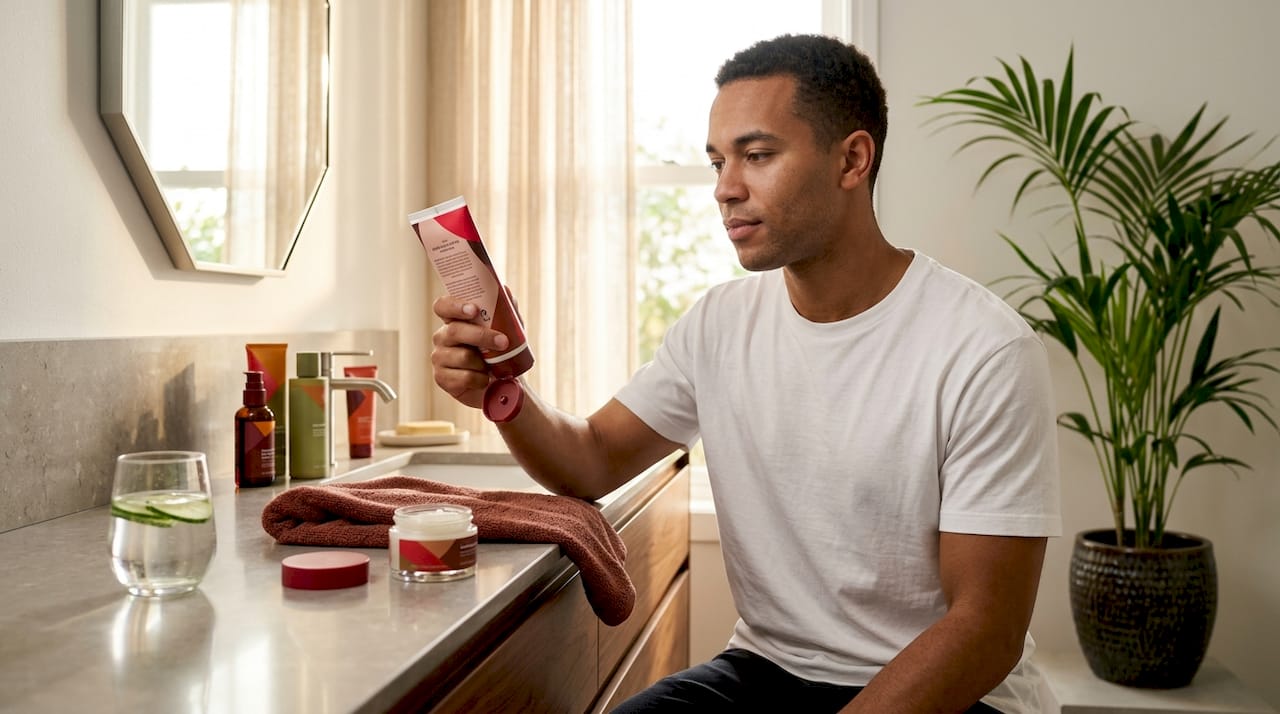
One group that requires extra care is anyone with deeper or darker skin tones. Aggressive exfoliation triggers inflammation, and for pigmentation-prone darker skin, that inflammation often leads to post-inflammatory hyperpigmentation. Starting with a gentle PHA or a low-concentration AHA is safer and smarter. The goal is gradual improvement, not overnight transformation.
Pro Tip: Before committing to any new exfoliant, patch test it on the inside of your forearm for 24 to 48 hours. If there is no redness, itching, or irritation, it is generally safe to use on your face.
Signs of over-exfoliation and how to recover
Over-exfoliation is more common than most people realize, especially among skincare enthusiasts who layer multiple active products. The symptoms of over-exfoliation include:
- Persistent redness or a raw, burning sensation
- Sudden increase in breakouts or small whiteheads
- Tight, flaky, or unusually dry skin even after moisturizing
- Heightened sensitivity to other products you have used without issue
- A shiny, almost waxy appearance on the skin surface
That last one catches people off guard. Overly exfoliated skin can look deceptively “glowing” for a moment, but that shininess is actually a thinned, compromised barrier. It is not healthy radiance.
“Over-exfoliation disrupts the skin barrier, impairing the skin’s ability to retain moisture and protect itself. This worsening of the barrier can trigger or intensify conditions like acne, rosacea, and eczema rather than improve them.” — Westlake Dermatology
Recovery requires stopping all exfoliants completely and focusing entirely on barrier repair. Use a fragrance-free moisturizer with ceramides or hyaluronic acid. Avoid retinoids, vitamin C serums, and any other actives until the skin feels calm, hydrated, and comfortable for at least one to two full weeks. After that, reintroduce exfoliants slowly by starting at the lowest frequency and building back up based on how your skin responds.
A critical mistake people make during recovery is confusing skin purging with over-exfoliation damage. Purging is a short-term increase in breakouts triggered by increased cell turnover, and it usually clears within four to six weeks. Symptoms mistaken for purging are often barrier disruption from overuse. If your skin is burning, stinging, and dry alongside the breakouts, that is damage. Pull back.
Market trends in exfoliant formulations
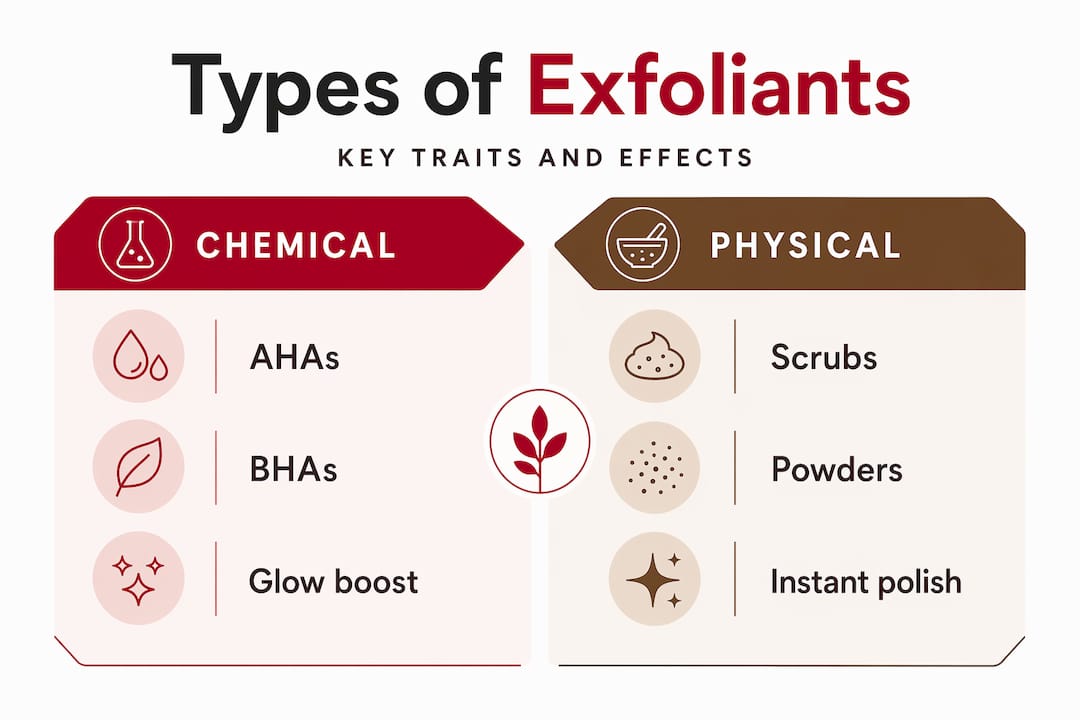
The exfoliant market has shifted noticeably in recent years. Consumers have moved away from traditional walnut shell scrubs and microbeads toward formulas that deliver results without visible abrasion. Chemical exfoliants represent roughly 48 to 53% of exfoliator market revenue in North American markets, driven by the perception that acids are both more effective and gentler than physical alternatives when used correctly.
| Exfoliant type | Consumer appeal | Common ingredients |
|---|---|---|
| AHAs | Skin texture, anti-aging | Glycolic acid, lactic acid |
| BHAs | Acne, pore clearing | Salicylic acid |
| PHAs | Sensitive skin, hydration | Gluconolactone, lactobionic acid |
| Enzymatic | Reactive, rosacea-prone skin | Papain, bromelain |
| Hybrid formulas | Convenience, multi-action | AHA plus enzyme combinations |
This shift aligns with beauty content marketing trends in 2026, where consumer education is playing a bigger role in purchasing decisions. People are researching before buying, and that research is steering them toward gentler, smarter exfoliation options.
Clean beauty and sustainability are influencing formulation choices too. Shoppers are favoring biodegradable physical exfoliants like sugar, rice bran, and bamboo powder over synthetic microbeads. Vegan enzyme sources and zero-plastic packaging are growing selling points, especially among younger consumers who factor environmental impact into their buying decisions.
How to build a safe exfoliation routine
Starting an exfoliation routine does not require an expensive overhaul of your current products. It requires a methodical approach and realistic expectations.
- Identify your skin type honestly. If you are unsure, start with the gentlest option available. Enzymatic exfoliants or a single low-concentration AHA (5% or below) are safe starting points for almost everyone.
- Start once a week. No matter how resilient you think your skin is, begin with once a week and observe for two to three weeks before increasing frequency.
- Apply to clean, dry skin. Wet skin dilutes chemical exfoliants and can intensify physical ones. Pat dry and wait a minute before applying.
- Use gentle, circular motions for physical exfoliants. Apply minimal pressure. The formula does the work, not your fingers.
- Follow immediately with moisturizer. Exfoliation increases UV sensitivity and barrier exposure, so locking in hydration right after is critical.
- Apply SPF 30 or higher every morning after any exfoliation session. This is non-negotiable. Skipping sunscreen while exfoliating regularly accelerates the skin damage you are trying to reverse.
Pro Tip: If you use a retinol at night, do not exfoliate on the same evening. Combining retinol with acids or physical exfoliants in one session is a fast track to irritation and barrier compromise.
Consulting a dermatologist makes sense if you have a diagnosed skin condition like rosacea, eczema, or severe acne. The best exfoliation products for your skin are the ones chosen with an accurate understanding of your skin’s current state, not whatever is trending.
My honest take on exfoliation balance
I have worked with a lot of people who came to skincare with the same instinct: if a little works, more must work better. With exfoliation, that logic backfires almost every time. In my experience, the most persistent skin problems I see, dullness that won’t quit, breakouts that never fully clear, sensitivity that seems random, often trace back to barrier disruption from over-exfoliation.
What I’ve learned is that the best exfoliation routine is usually the most boring one. Once or twice a week with a product appropriate for your skin type. That is it. No stacking acids. No layering a scrub on top of a chemical toner.
The skincare industry profits from complexity, but your skin does not need it. What I’ve found is that when people simplify and commit to one well-matched exfoliant used consistently, their skin responds better than it ever did to multi-step acid routines. The AA+K Brightening Face Scrub is a good example of a product that handles both brightening and gentle exfoliation in one step without asking your skin to manage three different actives at once.
Prioritize your skin barrier over every trend you see online. A healthy barrier is what makes every other product in your routine actually work.
— Gloria
Discover exfoliants built for real results at Didisbeautycenter
If you’re ready to find exfoliants that match how your skin actually behaves, Didisbeautycenter has you covered with natural, vegan formulations designed for real results without the guesswork.
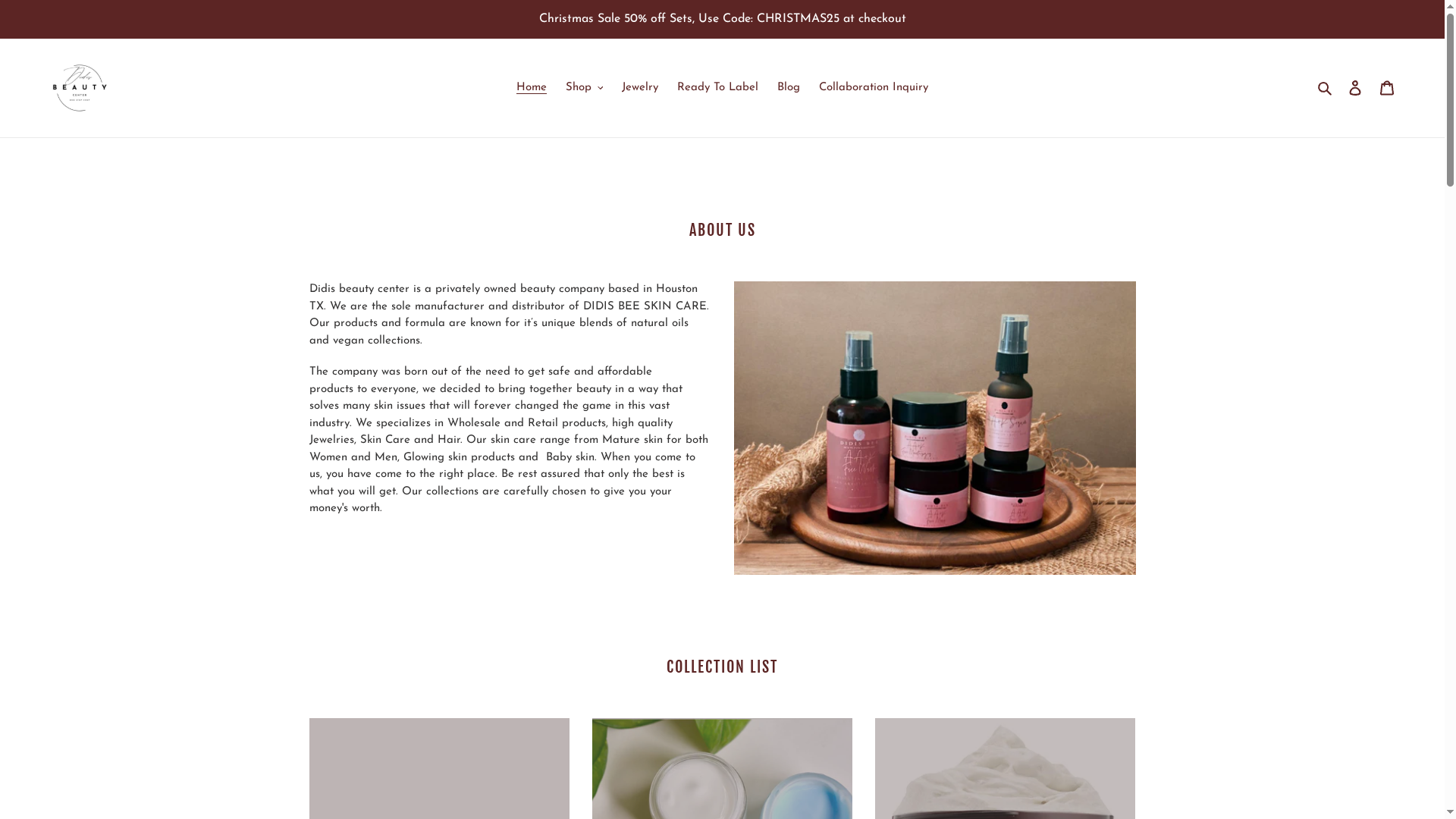
The brightening body scrub delivers gentle physical exfoliation with brightening actives, while the Advanced Brightening Facial Toner helps refine pores and even skin tone post-exfoliation. Every product is crafted with clean, cruelty-free ingredients that support your skin barrier rather than fighting it. If you are a small business owner looking to offer your own exfoliant line, the Didis Bee private label program lets you build a custom skincare brand without the formulation work. Browse the full range at Didisbeautycenter and find what genuinely works for your skin.
FAQ
What is the main role of exfoliants in skincare?
Exfoliants remove dead skin cells from the outer layer of skin, improving texture, radiance, and the absorption of other skincare products. The role of exfoliation also extends to unclogging pores and supporting healthy skin cell turnover.
How often should you exfoliate?
Most skin types benefit from exfoliating one to three times per week, depending on the method and skin sensitivity. Sensitive and reactive skin types should start with once per week and increase only if the skin responds well.
Can exfoliants make acne worse?
Yes. Using physical scrubs or over-exfoliating acne-prone skin can spread bacteria, cause micro-tears, and disrupt the skin barrier, all of which worsen breakouts. Chemical exfoliants like salicylic acid (BHA) are generally better suited for acne-prone skin.
What are the signs you are exfoliating too much?
Persistent redness, increased breakouts, burning sensations, unusual dryness, and heightened sensitivity to products you normally tolerate are all signs of over-exfoliation. Stop all exfoliants and focus on barrier repair before reintroducing them.
Are chemical exfoliants safer than physical scrubs?
For most skin types, especially sensitive and acne-prone skin, chemical exfoliants offer more controlled and often gentler results than physical scrubs. However, concentration, frequency, and correct application still determine whether any exfoliant is safe for your skin.
Discourse (0)