


TL;DR:
- Many beauty products labeled “natural” or “green” are unregulated, making it difficult to assess their true sustainability.
- Consumers should rely on independent certifications, transparent ingredient lists, and verified databases like EWG Skin Deep to make informed choices.
The beauty aisle has never been more confusing. Products scream “natural,” “clean,” and “green” from every shelf, yet most of those words are completely unregulated and mean whatever the brand decides they mean. If you have ever stood in a store or scrolled through a product page wondering whether a cruelty-free seal actually protects animals or whether a “natural” formula is any safer than a conventional one, you are not alone. This article gives you a clear, evidence-backed framework to cut through the noise, read labels accurately, and build a beauty routine that genuinely lives up to its sustainable claims.
Table of Contents
- How to spot truly sustainable beauty products
- The essential sustainable beauty shopping checklist
- Spotlight: Top resources and certifications for smart sustainable choices
- Build a low-impact beauty routine: Smarter habits and less waste
- Why “evidence, not assumption” is the real key to clean beauty
- Eco-conscious beauty: Discover ethical products and private label options
- Frequently asked questions
Key Takeaways
| Point | Details |
|---|---|
| Look for certifications | Trust products with evidence-backed labels like vegan and cruelty-free certifications. |
| Verify ingredient safety | Use reputable databases and check both skin and environmental impact before buying. |
| Assess product performance | Don’t sacrifice effectiveness—combine eco benefits with skincare results that actually work. |
| Adopt zero-waste habits | Finish existing products, choose multipurpose options, and recycle or compost packaging. |
How to spot truly sustainable beauty products
Recognizing a truly sustainable beauty product takes more than a quick glance at the front of the package. Brands spend real money on design and marketing language precisely because those elements drive purchases. Your job as a conscious consumer is to flip the product over and ask harder questions.
Understanding the label landscape
The four most common terms you will encounter are vegan, cruelty-free, organic, and natural, and they do not mean the same thing.
- Vegan means the formula contains zero animal-derived ingredients, such as beeswax, lanolin, carmine, or collagen. It does not automatically mean the product was never tested on animals.
- Cruelty-free means the finished product and its ingredients were not tested on animals at any point in the supply chain. It says nothing about whether the formula contains animal byproducts.
- Organic refers specifically to how certain ingredients were grown, usually without synthetic pesticides. A product labeled organic may still contain non-organic fillers or synthetic preservatives.
- Natural has no legal or regulatory definition in most markets. Any brand can print it on a bottle containing mostly synthetic ingredients.
The only way to trust these claims is through independent, third-party certification. The Vegan Society’s Vegan Trademark requires that products contain no animal-derived ingredients and involve no animal testing anywhere in the supply chain, which is why it is one of the most rigorous seals you will find. As a rule, prioritize evidence-backed labels and ask exactly what each seal verifies, whether that is testing policy, ingredient sourcing rules, or organic growing standards.
Why ingredient transparency matters
Beyond labels, look at the actual ingredient list. Long, hard-to-pronounce names are not automatically bad, but an absence of disclosed sourcing is a warning sign. Brands committed to sustainability can typically tell you where their key ingredients come from and why each one is included. If that information is buried or nonexistent, treat it as a red flag. You can explore sustainable beauty explained for a deeper breakdown of what real transparency looks like in practice.
Greenwashing traps to avoid
Greenwashing is the practice of making a product appear more sustainable than it really is. Common tactics include:
- Vague buzzwords like “eco” or “earth-friendly” with no certification to back them up
- Packaging that looks natural (kraft paper, green color palettes) but is not actually recyclable
- A single “green” ingredient highlighted prominently while the formula is otherwise full of questionable synthetics
- Claims that reference what the product does NOT contain (paraben-free, sulfate-free) without addressing what it does contain
Use resources like EWG consumer guides to research specific ingredients and products before you buy. The Environmental Working Group compiles independent, science-based data that helps consumers understand what is actually in their products. Cross-reference packaging claims against the eco-friendly beauty checklist to build a repeatable habit.
Pro Tip: Before buying a new product, search its name in the EWG Skin Deep database. If the brand does not have its products listed there at all, that absence itself tells you something about their commitment to transparency.
The essential sustainable beauty shopping checklist
With the criteria clear, the next step is turning them into a routine you can actually use every time you shop. The following framework is adapted from EWG’s Skin Deep approach to helping consumers evaluate ingredient safety systematically.
Your step-by-step shopping framework
- Separate vegan from cruelty-free. Check whether the product carries both certifications or just one. A product can be cruelty-free but not vegan, and vice versa. Decide which matters more for your values, then confirm with a recognized certification program rather than a brand’s own claims.
- Verify through recognized programs. Look for seals from The Vegan Society, Leaping Bunny, COSMOS Organic, or ECOCERT. These organizations audit brands independently and publish their criteria publicly. If a brand claims certification without a logo or certificate number, verify it on the certifying organization’s website.
- Check ingredient safety with a reputable database. Use EWG Skin Deep to look up individual ingredients or the full product. The database rates items on a scale from low to high concern based on available toxicity and environmental data, making it one of the most practical tools available for everyday shoppers.
- Evaluate packaging honestly. Ask whether the packaging is refillable, made from post-consumer recycled materials, or compostable. A product in virgin plastic with a bamboo lid is not meaningfully sustainable. Look for brands that disclose their packaging material percentages and provide end-of-life guidance.
- Assess real-world performance. Sustainable beauty only works long-term if you actually use the products. A formula that causes irritation or does not deliver results gets thrown out early, which wastes resources. Performance and sustainability must go together.
You can build this habit more easily with guidance like step-by-step sustainable beauty, which walks you through evaluating products across every stage of your routine. For a full habit reset, the eco-conscious beauty routine resource is especially helpful.
Pro Tip: Screenshot the EWG Skin Deep app rating for any product you are seriously considering and compare it against the brand’s own claims. Discrepancies are educational and often revealing.
Spotlight: Top resources and certifications for smart sustainable choices
Knowing where to look is just as important as knowing what to look for. These tools and certifications do the heavy lifting so you do not have to become a cosmetic chemist to shop responsibly.
Key tools and certifications compared
| Resource or certification | What it verifies | Who manages it | Free to use? |
|---|---|---|---|
| EWG Skin Deep database | Ingredient safety, product toxicity ratings | Environmental Working Group | Yes |
| The Vegan Society Vegan Trademark | No animal ingredients, no animal testing | The Vegan Society | Paid (brands) |
| Leaping Bunny | No animal testing at any supply chain level | Cruelty Free International | Paid (brands) |
| COSMOS Organic / ECOCERT | Organic and natural ingredient standards | COSMOS Standard | Paid (brands) |
| EWG Verified | Meets EWG’s full ingredient safety standards | Environmental Working Group | Paid (brands) |
EWG provides a large public database (Skin Deep) and consumer tools intended to help shoppers evaluate ingredient safety and identify products or ingredients of concern, making it one of the most accessible starting points for any conscious beauty shopper.
What certifications actually guarantee
It is worth noting that certifications differ significantly in scope. The Vegan Society Vegan Trademark covers both ingredients and testing policy throughout the supply chain, which is broader than many cruelty-free seals that only address the finished product’s testing status. COSMOS Organic focuses on ingredient growing practices but does not address animal testing directly. No single seal covers everything, which is why using a combination of certifications and independent databases gives you the most complete picture.
A note on certifications and small brands
Certification costs money and takes time, so some genuinely ethical small brands may not carry official seals yet. In those cases, look for published ingredient lists, sourcing statements, and manufacturing location transparency. A brand willing to answer direct questions about its supply chain is often more trustworthy than one hiding behind a purchased logo. For a broader look at what green beauty actually means, the green beauty guide offers useful context.
Stat to know: The global sustainable beauty market is expected to reach over $22 billion by 2027, yet industry watchdogs continue to document widespread greenwashing, making consumer tools like EWG Skin Deep more important than ever.
Build a low-impact beauty routine: Smarter habits and less waste
Even the most sustainable product becomes wasteful if used carelessly. The behavior around your beauty routine matters just as much as the ingredients inside the bottle. Sustainable routines are not only about what you buy; they also depend on how you use products and whether your choices reduce or add to the waste stream.
Habits that reduce your beauty footprint
- Finish before you buy. The most sustainable product is one you already own. Buying new products before finishing existing ones is one of the biggest sources of beauty waste.
- Choose multipurpose formulas. A tinted moisturizer with SPF replaces three separate products. A balm that works for lips, cuticles, and dry patches cuts packaging waste significantly.
- Store products correctly. Heat, light, and humidity degrade formulas faster and force you to throw them out early. Keep products in a cool, dry place away from direct sunlight to maximize their shelf life.
- Dispose thoughtfully. Rinse containers before recycling to avoid contaminating recycling streams. Check local guidelines, because what is recyclable varies by municipality. Many brands and retailers now offer take-back programs for hard-to-recycle empties.
For more ideas on reducing beauty packaging waste, zero waste beauty covers practical swaps that work for real daily routines.
Comparing routine approaches: Conventional vs. low-impact

| Habit | Conventional approach | Low-impact approach |
|---|---|---|
| Product purchasing | Buy frequently, try new things often | Finish existing products first, buy intentionally |
| Product selection | Single-use, specialized formulas | Multipurpose, concentrated formulas |
| Storage | Wherever convenient | Cool, dark, dry location to extend life |
| Disposal | Toss in general waste | Rinse, check recycling rules, use take-back programs |
| Packaging preference | Whatever looks appealing | Refillable, recyclable, or minimal packaging |
Building these habits takes a few weeks of adjustment but quickly becomes second nature. The payoff is a routine that costs less to maintain, produces less waste, and delivers better results because you are actually using products before they expire.
Why “evidence, not assumption” is the real key to clean beauty
Here is something most sustainable beauty content will not say directly: the word “clean” has been captured by marketing, and it no longer means what it sounds like. Brands use it because it triggers positive emotional associations, not because it meets any scientific standard. When a consumer sees “clean beauty,” they feel reassured, but that feeling is often manufactured rather than earned.
The honest truth is that reputable databases and certifications reduce greenwashing risk far more effectively than any label a brand prints on its own packaging. Trusting your own research, using tools like EWG, and cross-checking claims against certification databases is not excessive. It is the minimum reasonable standard for anyone who genuinely wants their purchases to align with their values.
There is also a deeper point worth making: natural does not equal safe, and synthetic does not equal harmful. Arsenic is natural. Many pharmaceutical-grade preservatives used in eco-certified cosmetics are synthetic. The question is never “is this ingredient natural?” but rather “what does the evidence say about this ingredient’s safety and environmental impact at this concentration?” That reframing shifts the entire conversation from feel-good assumptions to fact-based decisions.
We believe this evidence-first approach is what defining sustainable beauty actually looks like in practice. It is less glamorous than a beautiful green label, but it is far more powerful. When you make choices based on data rather than design, you stop being a target for greenwashing and start being the kind of consumer that drives real industry change.
Eco-conscious beauty: Discover ethical products and private label options
Ready to take the next step in your sustainable beauty journey? Here is how Didis Beauty Center can help.
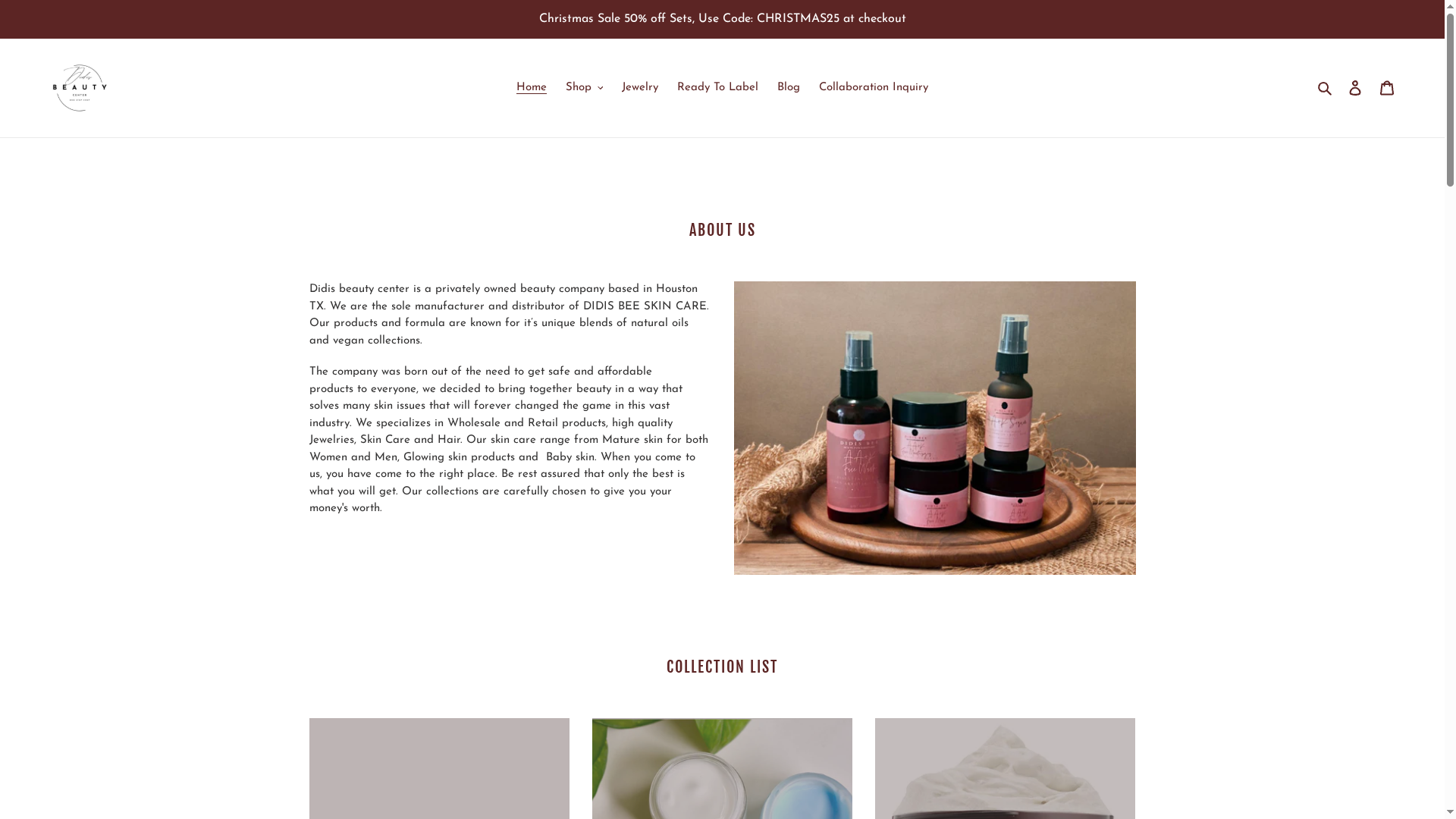
At Didis Beauty Center, we specialize in natural, vegan skincare formulations that are designed to perform without compromising your values. Whether you are looking to upgrade your personal routine with face soaps, brightening products, and toners made from clean, effective ingredients, or you are an entrepreneur ready to launch your own eco-conscious brand through our private label solutions, we have options built around transparency and quality. Our ready-to-label packs make it easy to start a cruelty-free beauty line without the guesswork. Browse our full collection and discover products that back up their claims with real ingredients.
Frequently asked questions
What’s the difference between cruelty-free and vegan beauty products?
Cruelty-free means no animal testing was used, while vegan means the formula contains no animal-derived ingredients. The Vegan Society’s Vegan Trademark requires both: no animal ingredients and no animal testing anywhere in the supply chain.
How do I check if an ingredient is safe for my skin and the planet?
Search the product or ingredient in the EWG Skin Deep database, which rates safety and environmental concern levels using available scientific data. EWG’s public database gives shoppers an accessible tool for evaluating both product and ingredient risk.
Do “natural” and “clean” labels really mean a product is sustainable?
No, these terms are largely unregulated and can be used freely by any brand. Rely on reputable certifications and databases to cut through vague marketing language and make evidence-based choices.
How can I reduce waste in my beauty routine?
Finish what you already own before buying new products, choose multipurpose formulas, and follow your local recycling guidelines for empty containers. Sustainable routines depend as much on how you use products as on which ones you choose.
Discourse (0)