


TL;DR:
- Minimalist skincare focuses on using purposeful, evidence-backed ingredients rather than simply reducing the ingredient count to create healthier, more effective routines. A genuinely minimal routine includes a gentle cleanser, barrier-supporting moisturizer, broad-spectrum SPF, and targeted treatments only when needed, emphasizing function over simplicity. Scientific measures show that fewer, well-chosen ingredients can outperform more complex formulas, highlighting the importance of intent and clinical efficacy over label minimalism.
Most people assume that slashing an ingredient list down to five or fewer items is the gold standard of “clean” skincare. That assumption leads to poorly formulated routines that can actually harm your skin barrier instead of protecting it. Minimal ingredient skincare means using fewer, well-chosen ingredients with a defensible purpose, not simply buying the product with the shortest label. This guide clears up that distinction, walks you through what a genuinely purposeful routine looks like, and shows you how to make safe, sustainable choices that actually deliver results.
Table of Contents
- What does ‘minimal ingredient skincare’ really mean?
- Minimalist routine building blocks: Which products and ingredients matter?
- Purposeful vs. arbitrary minimalism: How science measures what works
- From confusion to clarity: How to adopt minimal ingredient routines at home
- Why minimal ingredient skincare’s value is more than just a label
- Start your minimal skincare journey with Didis Beauty Center
- Frequently asked questions
Key Takeaways
| Point | Details |
|---|---|
| Quality over quantity | Minimal ingredient skincare means more purposeful choices, not just fewer ingredients. |
| Three-step foundation | A cleanser, moisturizer, and SPF create a stable base for most routines. |
| Evidence, not trends | Choose products supported by clinical outcomes, not just claims about short ingredient lists. |
| Single variable change | Introduce one new product at a time so you can track skin responses safely. |
| Sustainability counts | Vegan, plant-based, and eco-friendly options can be both minimalist and effective. |
What does ‘minimal ingredient skincare’ really mean?
The phrase gets thrown around a lot, but let’s anchor it to something concrete. A minimalist skincare approach is not about counting the ingredients on a bottle and stopping at a magic number. It’s about cutting the noise: removing redundant steps, eliminating ingredients that irritate without benefit, and keeping only what your skin truly needs to stay healthy and balanced.
“Minimalist routines focus on essential methods like cleansing, moisturizing, and sun protection, using the fewest effective ingredients, not merely the lowest number.”
That quote captures everything. The philosophy is about function, not aesthetics. A product with eight thoughtfully chosen ingredients can be far more “minimal” in spirit than a three-ingredient product where one of those three is a known sensitizer with no proven benefit for your skin type. Understanding this distinction is the first step toward building a routine that actually works.
A helpful way to think about it: purposeful minimalism means keeping active ingredients when they’re genuinely needed and cutting every ingredient that simply fills space, creates fragrance, or duplicates something else already in your lineup. The result is a cleaner, calmer, more predictable routine.
Here is what a genuinely minimal routine typically includes:
- Gentle cleanser: Removes dirt, excess oil, and environmental pollutants without stripping the skin’s natural moisture barrier.
- Moisturizer: Reinforces the skin barrier, locks in hydration, and keeps transepidermal water loss under control.
- Broad-spectrum SPF: Protects against UV-related damage, which is the single biggest contributor to premature skin aging.
- One targeted treatment (when needed): A single active ingredient like a retinoid or vitamin C serum, added only when there is a specific, identified concern to address.
Critically, minimal skincare matters because it reduces your skin’s daily chemical load, making it easier to identify what helps and what harms. When your routine has 14 products, troubleshooting a breakout or a reaction is almost impossible. When it has three, the answer becomes obvious quickly. Explore simple, effective routines to see exactly how this can work across different skin types.
There’s also a critical nuance worth spelling out. “Minimal does not mean ‘no actives’ or ‘only single-ingredient products.’” Stripping your routine to just water and a basic lotion, for example, leaves you without meaningful barrier support or photoprotection. True minimalism keeps the essential, purposeful ingredients and removes only what doesn’t earn its spot.
Minimalist routine building blocks: Which products and ingredients matter?
With the philosophy set, let’s see how to apply it when choosing your daily routine’s key steps and ingredients. Not every ingredient deserves a place in your routine, but several have strong, consistent evidence supporting their use even in the most stripped-back formulations.

The three non-negotiables
The foundation of any minimalist routine starts with these three steps:
- Cleanse: Look for a pH-balanced, sulfate-free cleanser that removes impurities without disrupting your skin’s acid mantle. Foaming cleansers with harsh surfactants can strip the barrier, leading to more oil production and sensitivity over time.
- Moisturize: Ingredients like ceramides (which make up roughly 50% of the skin barrier’s lipid content), niacinamide (which reduces redness and evens tone), and hyaluronic acid (a naturally occurring humectant that holds moisture in cells) are among the most well-supported for daily use. A formula that combines all three in one product is a true minimalist win.
- Protect: A broad-spectrum SPF 30 or higher, applied every single morning. Full stop.
Choosing ingredients wisely
The key to a genuinely minimal ingredient selection is looking for multipurpose workhorses. Niacinamide is a perfect example. It targets hyperpigmentation, regulates sebum production, reduces pore appearance, and strengthens the skin barrier, all in one ingredient. That kind of multitasking lets you do more with less product.
Here’s a simple comparison to guide your ingredient decisions:
| Ingredient | Primary benefit | Who it suits best |
|---|---|---|
| Ceramides | Barrier repair and protection | Dry, sensitive, compromised skin |
| Niacinamide | Brightening, sebum control, barrier support | Most skin types |
| Hyaluronic acid | Hydration and plumping | Dehydrated skin of all types |
| Zinc oxide (SPF) | Mineral UV protection, gentle on skin | Sensitive, acne-prone skin |
| Aloe vera | Soothing and anti-inflammatory | Reactive, irritated skin |
Plant-based, vegan formulations often center exactly these kinds of ingredients. They provide real, functional benefits and align with a sustainable skincare philosophy. Check out vegan and eco-friendly tips if you want to go deeper on how to make your routine both effective and ethically sound.
A consistent minimalist methodology is to build a stable baseline routine first, then add only one targeted treatment at a time. This prevents the common mistake of layering three new actives at once and then wondering why your skin broke out or became inflamed. Patience is not optional here. It is the strategy.
Pro Tip: Give any new product at least four to six weeks before judging its performance. Your skin’s full renewal cycle takes approximately 28 days, so changes before that mark rarely reflect the product’s true impact. This is also one of the smartest ways to save with natural skincare by not wasting money cycling through products too quickly.
Purposeful vs. arbitrary minimalism: How science measures what works
Now that you know which products anchor a minimalist routine, let’s discuss why fewer ingredients isn’t always the gold standard and how science backs this up. This is where a lot of consumer confusion lives, because marketing language around “clean” and “minimal” often gets detached from any clinical reality.
The performance benchmark that actually matters
The real measure of a minimal ingredient product isn’t the ingredient count on its label. It’s whether the product produces measurable improvements in your skin’s health over time. Researchers look at hydration levels, barrier integrity, transepidermal water loss rates, and sebum balance. If a product with twelve ingredients improves your hydration score significantly after eight weeks, it outperforms a three-ingredient product that produces no measurable change.
Here’s a practical breakdown of what science-based outcomes look like:
| Skin health marker | What it measures | Why it matters |
|---|---|---|
| Transepidermal water loss | How much water evaporates through skin | Low loss means healthy barrier function |
| Stratum corneum hydration | Water content in the outermost skin layer | Higher hydration reduces flaking and tightness |
| Sebum output | Oil production rate | Balanced output reduces both dryness and breakouts |
| Skin elasticity | Resilience and firmness of skin tissue | Reflects collagen and hydration levels |
Clinical research consistently shows that multi-ingredient formulas can improve skin hydration, barrier function, and sebum balance more effectively than single-ingredient alternatives. Sodium hyaluronate studies, for example, demonstrate that combining it with complementary actives produces significantly better outcomes than using it in isolation.
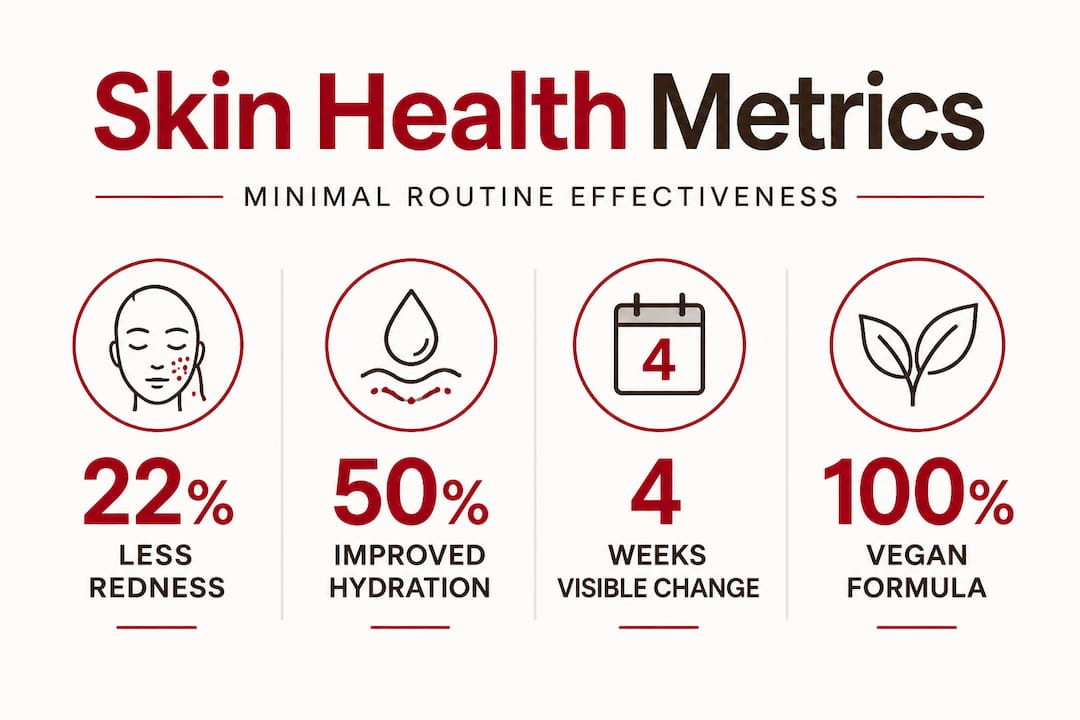
What this means practically: when a brand markets a product as “only five ingredients” as though that’s an automatic quality signal, ask what those five ingredients actually do and whether the formula has been tested for measurable skin outcomes. Marketing around simplicity is not the same as science around efficacy.
Pro Tip: Before buying a minimalist product, search for the brand’s clinical data or look for third-party tested claims like “dermatologist tested” or “hypoallergenic.” These terms, while not perfectly regulated, indicate some level of testing beyond just ingredient-list design. Explore natural skin routines for additional guidance on finding products backed by real evidence.
The science also supports avoiding certain ingredients known for high irritation rates, particularly synthetic fragrances, alcohol denat (denatured alcohol), and essential oils at high concentrations. These appear in many “natural” products but are among the top-ranked contact allergens in dermatology literature. Minimalism means leaving them out, not celebrating their natural origin.
From confusion to clarity: How to adopt minimal ingredient routines at home
With a better sense of what meaningful minimalism is (and isn’t), here’s how you can start implementing these practices for your own healthy, simple routine. The transition doesn’t have to be dramatic or expensive. It just has to be deliberate.
Step-by-step transition plan
- Audit your current routine: List every product you currently use and identify overlapping ingredients or steps. If your toner and moisturizer both contain niacinamide at the same concentration, one of them is redundant.
- Start with your cleanser: If you’re using a harsh foaming cleanser, swap it first. A gentle, pH-balanced option is the lowest-risk first change and sets the tone for everything else.
- Lock in your moisturizer: Choose one with barrier-supporting ingredients. This is your most important product, because a healthy barrier makes everything else work better.
- Add SPF every morning: If this isn’t already a fixed habit, make it one before anything else changes in your routine.
- Wait and observe: Give this baseline routine six to eight weeks before adding any actives. This is the part most people skip, and it’s where the most important learning happens.
- Add one treatment at a time: If you want to introduce a vitamin C serum or a retinol product, add it alone and monitor your skin’s response for at least four weeks before making any other changes.
A practical benchmark for your transition is to change only one variable at a time. This makes it possible to accurately assess how your skin responds, which is far more useful than chasing the latest trend or a very short ingredient list.
Watch for these positive signals as you simplify: reduced redness or reactivity, less frequent breakouts, more consistent skin texture, and better hydration that lasts through the day. These are the real wins you’re aiming for.
Pro Tip: Track your skin’s condition with a simple weekly photo taken in natural light. After two months, comparing the images gives you a far more honest picture of what’s actually changing than daily observations in the mirror. An eco-conscious beauty routine can also guide you toward packaging choices and ingredient sourcing that align with your sustainability values as you build this new routine.
Prioritize vegan and cruelty-free certifications when selecting products. These signals don’t just reflect ethical choices. They often indicate a higher standard of ingredient transparency and formulation care, because brands that commit to ethical sourcing tend to be more deliberate about every item in their formulas.
Why minimal ingredient skincare’s value is more than just a label
You now have the tools to start your own minimalist journey, so let’s step back and look at the bigger picture and what really matters in your routine choices.
Here’s something that gets lost in the trend cycle: most consumers who “go minimal” do it because a brand told them to, not because they understood why. They toss out effective products, buy a three-item set marketed as pure and simple, and then wonder why their skin doesn’t improve. The fault isn’t with minimalism. It’s with the mistaken belief that simplicity is a visual property of a label rather than a functional property of a routine.
We’ve seen this pattern repeatedly. A consumer switches to a five-ingredient moisturizer that lacks ceramides, drops their SPF because it “has too many ingredients,” and ends up with a compromised barrier and sun damage. That’s arbitrary minimalism taken to an unproductive extreme, and no trend should push your routine past the point of effectiveness.
True minimalism is about intention. It means you understand why each product is in your routine, what specific benefit each key ingredient provides, and what the backup plan is if your skin shows a negative reaction. It’s an informed decision-making process, not a product count.
The minimal skincare philosophy we support goes hand-in-hand with vegan and eco-conscious values because thoughtful ingredient selection naturally eliminates the unnecessary. When you’re committed to ethical sourcing and safety, you’re already doing the work of purposeful minimalism. The two philosophies reinforce each other in a way that trend-driven “clean beauty” rarely achieves.
The uncomfortable truth is this: a genuinely minimal, safe, and effective routine takes more thought than buying whatever has the fewest ingredients. But that upfront thinking pays off for years in the form of healthier, more resilient skin.
Start your minimal skincare journey with Didis Beauty Center
If you’re ready to put these ideas into practice, here’s how Didis Beauty Center can support your journey.
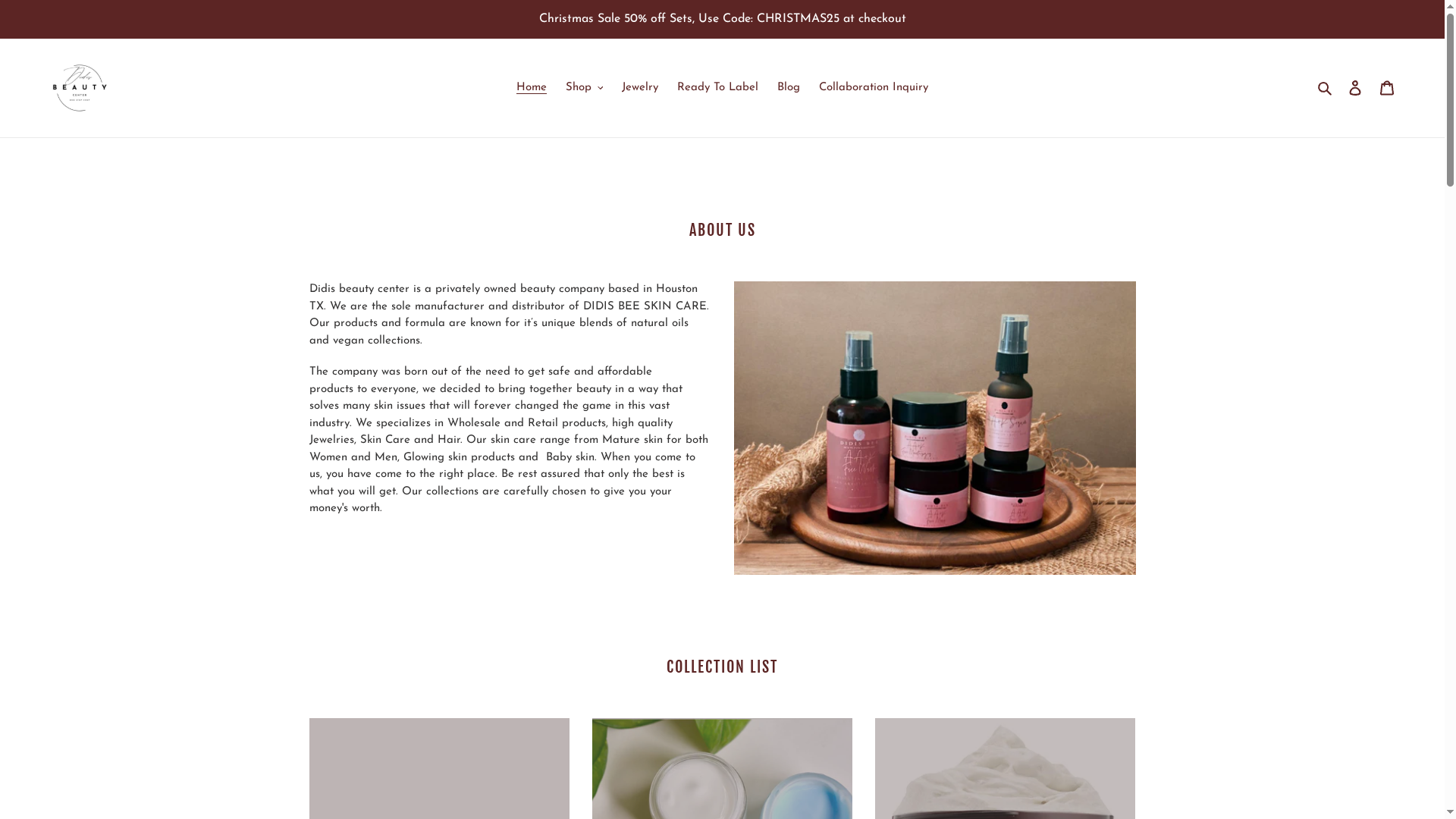
At Didis Beauty Center, every product is formulated with the purposeful minimalism philosophy at its core: natural, vegan, and chosen for real performance. The Daily Essential Bundle is designed specifically for people who want an effective, fuss-free routine built around high-quality, skin-friendly ingredients, without the overwhelm of a 10-step lineup. If you’re an entrepreneur looking to create your own line with this same philosophy, our private label options offer a ready-made path to thoughtful, ethical skincare products. Explore all essentials to find the right starting point for your skin, your values, and your lifestyle.
Frequently asked questions
How do I know if a product is truly ‘minimal ingredient’?
Look for formulas that prioritize defensible ingredients with clear, evidence-based benefits and avoid anything that lacks a real functional purpose for skin health. The label length matters less than whether each ingredient earns its place.
Can a minimal ingredient routine still be effective for sensitive skin?
Yes, and it’s actually one of the best approaches for sensitive skin. Fewer overlapping actives and a focus on avoiding unnecessary irritants reduces the risk of reactions while actively supporting barrier recovery.
Are vegan or plant-based products suitable for minimal ingredient routines?
Absolutely. Vegan and plant-based products fit naturally into a minimalist approach when each ingredient serves a genuine, beneficial purpose rather than just filling out a formula. The ethical focus of vegan formulation often aligns with the intentional ingredient selection that minimalism requires.
Is a product with more ingredients always worse than a short-ingredient one?
Not at all. Multi-ingredient formulas can produce stronger, clinically measurable improvements in skin health than short-ingredient alternatives. What matters is whether each ingredient contributes positively to the formula’s outcome, not how many there are in total.
Discourse (0)