


TL;DR:
- Starting a skincare blog requires clear niche definition and truthful communication of natural, vegan, and sustainable beauty standards. Consistently verify product claims, educate your audience on key terms, and build trust through transparency and honest content. Long-term success depends on authentic reviews, community engagement, and staying current with skincare research and ethics.
Starting a skincare blog sounds exciting until you realize how much conflicting advice is out there, especially when you want your content to reflect real values around natural, vegan, and sustainable beauty. You’ll find guides that push you toward affiliate links before you’ve even tested a product, or tutorials that gloss over what “vegan” and “clean” actually mean in practice. This guide cuts through that noise. Whether you’re brand new or refining your approach, you’ll walk away knowing how to define your niche, set up your platform, create trustworthy content, and grow an audience that keeps coming back.
Table of Contents
- Clarify your niche and audience for impact
- Tools, platform, and materials you need to get started
- Create high-impact content: step-by-step process
- Promote, verify, and evolve your blog for the long-term
- The expert’s view: Why radical honesty wins loyal readers
- Ready to upgrade your vegan skincare journey?
- Frequently asked questions
Key Takeaways
| Point | Details |
|---|---|
| Define your niche | Pinpoint a focused audience and clear values to make your skincare blog stand out. |
| Gather the right tools | Use platforms that let you showcase ingredient transparency and sustainable practices. |
| Create content with integrity | Plan, execute, and review blogs that educate without overstating claims. |
| Promote and evolve | Integrate feedback, measure progress, and update your blog to stay credible and relevant. |
Clarify your niche and audience for impact
Once you understand the practical promise of this guide, the first step is zeroing in on both your audience’s needs and your blog’s core values. Without a defined niche, your blog becomes a general beauty site that competes with thousands of others. With one, you become the go-to resource for a specific group of people with a specific problem.
Ask yourself: Who exactly are you writing for? A 25-year-old navigating adult acne who wants to avoid harsh chemicals? A 40-year-old searching for vegan anti-aging routines? A teen looking for affordable clean beauty options? The more precise your answer, the sharper your content will be. According to a structured skincare blog methodology, the most effective blogs define a narrow skincare audience problem, layer in evergreen and timely content planning, and reinforce all claims with clear ingredient and value boundaries.
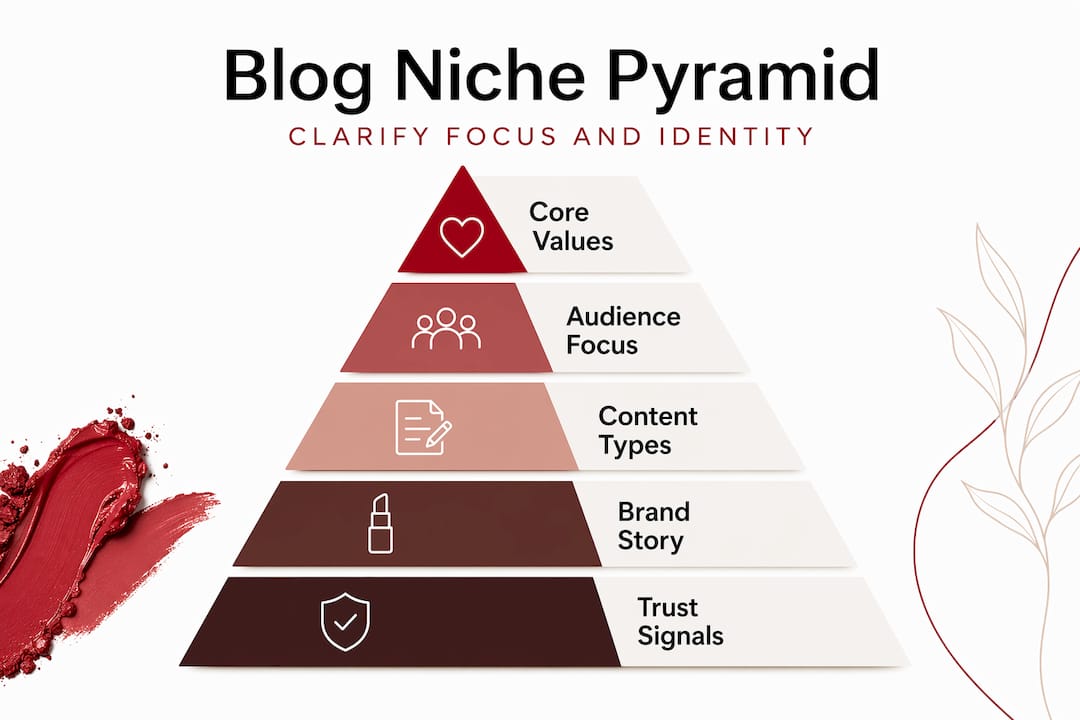
Understanding the vegan skincare meaning is essential before you write a single post. Vegan means no animal-derived ingredients such as beeswax, lanolin, collagen, or carmine. It does not automatically mean cruelty-free, organic, or sustainable, though your blog can stand for all of those things. Learn what “vegan” means in skincare so you can use the word with authority and accuracy.
Here’s a quick snapshot of key terms you should define publicly on your blog:
- Vegan: No animal-derived ingredients in the formula
- Cruelty-free: Not tested on animals at any stage of development
- Clean beauty: Free from a defined list of potentially harmful synthetic chemicals
- Sustainable: Produced and packaged with minimal environmental impact
- Ethical: Considers fair trade, worker welfare, and community impact
Your blog’s credibility starts with how clearly you define these terms for your readers. If you’re vague about what you mean by “natural,” your audience will be too, and that creates trust problems down the line.
Pro Tip: Create a dedicated “About our standards” page on your blog. Document your ingredient blacklist, your packaging criteria (for example, recyclable or refillable only), and which certifications you rely on. This one page will save you hundreds of emails from readers asking “Is this brand really vegan?” You can also draw inspiration from inclusive vegan skincare guides that show how to make your standards work across diverse skin tones and types.
Tools, platform, and materials you need to get started
Having clarified your angle and audience, the next step is gathering the right tools and resources to build your blog foundation. You don’t need a big budget, but you do need the right setup.
| Tool | Purpose | Sustainability note |
|---|---|---|
| WordPress or similar CMS | Core blogging platform with full control | Choose green-hosted providers |
| Smartphone or DSLR camera | High-quality product and skin photos | Use natural light to reduce energy use |
| Canva or similar design app | Graphics, thumbnails, infographics | Free tier available |
| Google Search Console | Track organic search performance | Free and essential from day one |
| Notion or Trello | Content calendar and topic planning | Reduces printing and paper waste |
| Ingredient checker app | Verify product formulas | Supports accurate, honest reviews |
| Social media profiles | Distribute content, grow community | Instagram and Pinterest work best for skincare visuals |
Each of these tools plays a specific role. Your platform choice matters enormously because content planning for beauty blogs, especially evergreen pieces like “best vegan moisturizers for dry skin,” needs a home that’s easy to update and optimize for search. WordPress gives you full control over your site structure, plugin integrations, and SEO settings, which matters more than most beginners realize.
Here’s what you specifically need in your toolkit when your focus is natural and sustainable beauty:
- Image permissions: Only use photos you’ve taken yourself or images with a commercial Creative Commons license
- Product trial tracking sheet: Log when you started using each product, changes in skin condition, any reactions, and ingredient lists
- Allergen flag system: Highlight common sensitizers like essential oils or preservatives in your reviews
- Packaging info log: Track whether each brand uses recyclable, compostable, or plastic-free packaging
- Source documentation: Save screenshots or links to every brand’s ingredient sourcing claims
Understanding natural packaging for beauty brands will also help you discuss products more knowledgeably. Readers who care about sustainability want to know whether a product’s glass jar is worth the shipping emissions, or whether a refill system actually reduces waste in practice.
Pro Tip: Choose a blogging platform that lets you add ingredient data, sustainability badges, or custom fields to your product review posts. Structured information builds reader trust faster than long paragraphs of praise ever will.

Create high-impact content: step-by-step process
With your tools ready, it’s time to move into the execution, planning and creating the content that will define your blog. Content is where most beauty bloggers either build real authority or lose credibility fast.
Here’s a reliable process:
- Research topics using tools like Google Trends, AnswerThePublic, and Reddit’s skincare communities to find what your audience is actually searching for
- Separate evergreen from timely content. Evergreen pieces like “how to build a vegan morning skincare routine” stay relevant for years. Timely pieces like “best new SPF launches for summer 2026” generate quick traffic spikes
- Outline before you draft. Structure each post with a clear problem, an ingredient or method explanation, real trial data, and honest limitations
- Draft with education first. Write to inform, not to sell. Every claim should be something you’ve personally tested or can cite from a reliable source
- Review for over-claiming. This is critical. Skincare content risks drift into over-claiming; the fix is to frame results within realistic timeframes and personal experience rather than broad promises
- Add visuals. Before-and-after photos, ingredient close-ups, and packaging shots make reviews far more believable and shareable
- Publish and cross-link. Connect each new post to at least two existing ones to build your site’s internal structure
One thing most guides skip: the time horizon problem. Skincare results take time. If you test a new serum for three days and write a glowing review, you’re not serving your readers. Meaningful product assessments require at least 30 to 60 days of consistent use to observe real changes in hydration, texture, or tone. Build this expectation into every review you publish.
Here’s a comparison of the most common blog post formats and how they perform:
| Post type | Best for | Credibility factor | Typical time to write |
|---|---|---|---|
| Product review | Driving trust with personal evidence | High if tested 30 to 60 days | 2 to 4 hours |
| Tutorial or how-to | Building search traffic | Medium, needs step photos | 3 to 5 hours |
| Ingredient spotlight | Establishing expert authority | Very high with sources cited | 4 to 6 hours |
| Before and after routine | Audience connection and engagement | High with real photos | 2 to 3 hours |
| Brand ethics breakdown | Differentiating your blog | Very high with research | 5 to 8 hours |
“The blogs that last are the ones that treat their readers as intelligent people who deserve honest information, not curated hype.” This applies especially to wellness and skincare, where vulnerable readers often make purchases based on emotional claims.
For your content around packaging, linking to resources like eco-friendly beauty packaging strengthens your posts and gives readers practical context for why packaging choices matter beyond just aesthetics.
Promote, verify, and evolve your blog for the long-term
After creating content, the final steps are sharing it wisely and ensuring your blog stays valuable and credible. Publishing is just the beginning.
Promotion that feels authentic:
- Share posts in Facebook groups and Reddit threads focused on vegan living, zero-waste beauty, and natural skincare
- Build an email list from day one. Even 100 engaged subscribers are worth more than 10,000 passive Instagram followers
- Reach out to small, indie vegan beauty brands for collaborations, not in exchange for payment, but for product samples you can review honestly
- Partner with other bloggers in complementary niches like sustainable fashion or plant-based nutrition
- Use Pinterest for longevity. Skincare pins have a long shelf life compared to Instagram posts that disappear in 24 hours
Here’s how to assess whether your blog is actually working:
- Check Google Search Console monthly for which posts are gaining impressions and clicks
- Review bounce rate and time-on-page in your analytics. If readers leave immediately, the content isn’t matching what they searched for
- Survey your email subscribers every quarter. Ask what topics they want more of and what questions they still have unanswered
- Audit older posts twice a year. Update ingredient data, swap out discontinued products, and add new research
- Watch comment sections and social replies. Real feedback from real readers is more valuable than any algorithm insight
Skincare science moves quickly. A preservative considered safe in 2024 might have new research questioning its long-term effects by 2026. Your blog’s credibility depends on staying current. Blogs that avoid over-claiming and emphasize education maintain trust far longer than those chasing trend-driven hype cycles.
When it comes to verifying products you feature, apply this checklist before every post:
- Request full ingredient disclosure from brands, not just marketing copy
- Cross-reference ingredients with databases like the Environmental Working Group’s Skin Deep
- Check for third-party vegan certifications such as Vegan Society or PETA’s Beauty Without Bunnies
- Review sustainable beauty packaging standards to verify brand claims about eco-conscious practices
- Disclose any samples, gifted products, or affiliate relationships clearly in every post
Transparency isn’t just ethical. It’s strategic. Readers who know you’ll tell them the truth about a product’s limitations are far more likely to trust you when you genuinely recommend something.
Pro Tip: Set a recurring calendar reminder every six months to audit your top 10 performing posts. Update ingredient lists, replace broken links, and check whether any brands you’ve featured have changed their formulations or ethics policies. One outdated post recommending a brand that has since dropped its vegan commitment can undermine your entire blog’s credibility overnight.
The expert’s view: Why radical honesty wins loyal readers
Most skincare blog tutorials focus on what to write and how to promote. Very few address the harder question: What kind of blogger do you want to be, and will that hold up under pressure?
Here’s what we’ve seen consistently. Bloggers who grow the fastest in the short term often rely on enthusiastic claims, beautiful aesthetic photography, and trending product names. Bloggers who build lasting communities do something different. They admit when a product didn’t work for them. They explain why a highly rated serum might not suit every skin type. They write honestly about the gap between a brand’s marketing and its actual ingredient list.
The vegan and sustainable beauty space is uniquely vulnerable to trust erosion. Readers often come to this niche because they’ve been burned before, by greenwashing, by wellness influencers promoting products without disclosing paid partnerships, or by brands claiming “natural” while using ingredients with questionable sourcing. Your readers have antennae tuned for inauthenticity.
Exploring ethical skincare insights shapes not just your content but your identity as a blogger. It pushes you to define what you actually believe, not just what’s trending. The bloggers who dominate search results five years from now will be the ones who built genuine expertise, honest track records, and communities where readers feel safe asking hard questions. That’s not built through viral moments. It’s built post by post, with integrity.
Ready to upgrade your vegan skincare journey?
Building an authentic skincare blog means you need products worth writing about. Honest, detailed reviews start with genuinely good formulas, and that’s where your content gets its best material.
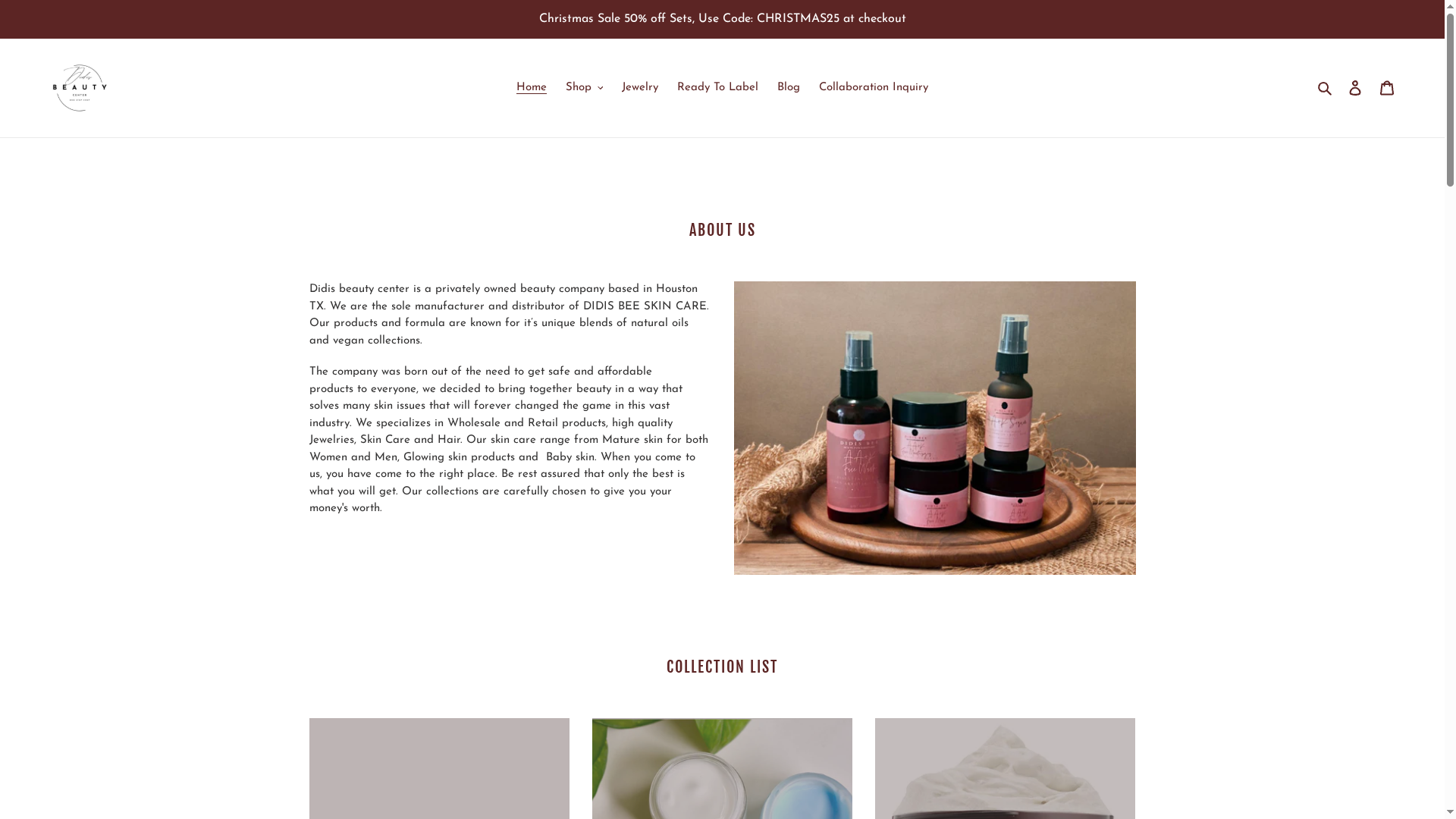
At Didis Beauty Center, you’ll find a curated range of vegan, natural skincare products designed to give you real results worth documenting. The Daily Essential Bundle is a practical starting point for any blogger wanting to trial a complete routine, while the Detox Nightwear Face Cream offers a focused product for a dedicated 30-day ingredient spotlight post. For a broader content foundation, the Daily Routine Bundle gives you everything you need to document a full routine from morning cleanse to evening care. These aren’t just products. They’re your next blog posts.
Frequently asked questions
What makes a skincare blog vegan and sustainable?
A vegan, sustainable skincare blog only endorses products free from animal-derived ingredients and prioritizes eco-friendly sourcing and packaging. According to blog methodology for beauty bloggers, the key is reinforcing all claims with clear ingredient and value boundaries, not just using the words vegan or sustainable as marketing labels.
How often should I publish new skincare content?
Aim to publish at least once a week with a mix of evergreen guides and timely seasonal pieces. Following content planning strategies for beauty blogs that balance evergreen and timely content helps build steady organic search traffic while keeping your audience engaged with fresh material.
How can I avoid making unsupported product claims?
Only publish results from products you’ve personally tested for 30 to 60 days, and clearly frame the experience as your own rather than a universal outcome. The risk of over-claiming in skincare content is real; setting accurate timeframes and honest limitations protects both your readers and your credibility.
What are the best ways to promote my skincare blog when starting out?
Share content in active vegan and sustainability communities on Reddit, Facebook, and Pinterest, and build an email list alongside your social presence. Authentic before-and-after stories with real timelines and honest observations tend to generate the strongest early engagement and word-of-mouth referrals.
How do I verify that brands or products I feature are truly vegan or sustainable?
Request full ingredient disclosure from each brand and cross-check against recognized databases and third-party certifications like the Vegan Society or PETA’s Beauty Without Bunnies program. Never rely solely on a brand’s own marketing copy when your blog’s reputation for accuracy depends on getting it right.
Discourse (0)