


TL;DR:
- Artisan skincare is produced in small batches with natural, responsibly sourced ingredients, emphasizing transparency and freshness. Consumers value its ethical and eco-friendly qualities, but safety relies on proper testing, labeling, and regulation compliance. Building trust through honesty and quality is essential for the future success of artisan skincare brands.
The word “artisan” has flooded beauty shelves, social media feeds, and wellness blogs, but most people can’t tell you exactly what separates a true artisan skincare product from a mainstream one in a prettier jar. There’s a real difference, and it goes well beyond aesthetics or price. Whether you’re a consumer searching for cleaner, more transparent formulations, or an entrepreneur eyeing a cruelty-free brand launch, understanding what artisan skincare actually involves, including its promises, its risks, and its regulatory reality, gives you a serious edge in a crowded, often confusing market.
Table of Contents
- What makes skincare ‘artisan’?
- The allure: Why consumers choose artisan skincare
- The safety and regulation puzzle
- Launching an artisan skincare brand: Opportunities and pitfalls
- Why artisan skincare’s future hinges on trust, not just labels
- Bring artisan quality to your routine or brand
- Frequently asked questions
Key Takeaways
| Point | Details |
|---|---|
| Small-batch defined | Artisan skincare blends batch craftsmanship, natural ingredients, and close-to-fresh production. |
| Transparency matters | Ingredient clarity and honest labeling are vital for both safety and trust in the natural beauty space. |
| Regulation realities | FDA does not pre-approve most products, so makers and shoppers must check safety and labeling. |
| Startup advice | Entrepreneurs should prioritize regulatory knowledge and batch testing to ensure quality and compliance. |
| Build real trust | True differentiation for artisan brands comes from responsible practices and ongoing transparency. |
What makes skincare ‘artisan’?
Now that you know why there’s confusion, let’s define what artisan skincare truly means and how it’s crafted.
Artisan skincare refers to beauty products made in small batches, typically by hand or with minimal automation, using high-quality natural or plant-based ingredients. The focus is on freshness, formula control, and ingredient transparency. A maker might produce as few as 25 units per batch, choosing cold-press oils, botanical extracts, and unrefined butters over the synthetic filler ingredients common in large-scale manufacturing. Because production is so limited, the formulas tend to stay close to their source materials.
One practical consequence of going small-batch is shorter shelf life. Mainstream skincare products are formulated to sit on a store shelf for two to three years, which requires heavy use of synthetic preservatives and stabilizers. Artisan products often use fewer or milder preservatives, which means they’re fresher when you get them but need to be used within a shorter window. As small-batch beauty makers describe it, artisan skincare is positioned as closer to “fresh” or minimally processed, which is a genuine distinction, not just clever marketing language.
Understanding the natural skincare benefits of plant-based formulations helps clarify why so many consumers find artisan products compelling, especially when they’re trying to move away from long ingredient lists filled with unrecognizable chemicals.
Core characteristics of artisan skincare:
- Made by hand or in small, controlled batches
- Emphasis on natural, plant-based, and responsibly sourced ingredients
- Ingredient transparency, meaning makers openly share what goes in and why
- Non-synthetic fragrances, using essential oils or botanicals instead
- Shorter shelf life due to minimal synthetic preservatives
- Often cruelty-free and vegan by design
Here’s how artisan and mainstream skincare compare side by side:
| Feature | Artisan skincare | Mainstream skincare |
|---|---|---|
| Batch size | 25 to a few hundred units | Thousands to millions |
| Ingredient types | Natural, plant-based, minimally processed | Mix of synthetic and natural |
| Processing methods | Handcrafted, cold-process, small-scale | Industrial automation |
| Shelf life | 6 to 18 months typically | 2 to 3+ years |
| Customization | High, formulas can be adapted | Low, fixed mass-market formula |
“The hands-on process of small-batch making lets producers stay deeply connected to ingredient quality in a way that industrial production simply cannot replicate.”
Pair that hands-on philosophy with a commitment to eco-friendly beauty tips and responsible packaging, and you begin to see why artisan skincare represents something genuinely different rather than just a trend.
The allure: Why consumers choose artisan skincare
Having outlined what makes artisan skincare unique, let’s look at why its popularity is soaring among consumers seeking natural and vegan beauty.
Consumers today are sharper than they used to be. They read labels, look up ingredients, and cross-reference brand claims against independent sources. That shift in behavior has created the perfect environment for artisan skincare to thrive. The appeal isn’t just about ingredients. It’s about values.
Small-batch and artisan marketing connects directly to consumer desires for transparency and sustainability, two things that mainstream skincare has historically struggled to deliver. When a consumer knows that their face serum was made in a small studio by someone who chose every ingredient on purpose, that feels fundamentally different from buying a product assembled by an automated line in a facility they’ll never see.
Top 4 reasons consumers choose artisan skincare:
- Ingredient transparency. They know exactly what’s in the formula and why each ingredient is there.
- Ethical production. Many artisan brands lead with cruelty-free and vegan commitments, which aligns with growing values around animal welfare.
- Environmental impact. Smaller operations often use sustainable sourcing, recyclable packaging, and produce less waste overall.
- Skin sensitivity concerns. Consumers with reactive skin often gravitate toward simpler formulas with fewer potential irritants.
The rise of vegan skincare trends has given artisan brands a real tailwind. As plant-based lifestyles become more mainstream, the desire for skincare that aligns with those values has grown in lockstep. People aren’t just buying a moisturizer. They’re expressing an identity and making a choice about the kind of world they want to support.
Many artisan makers also use natural scents in beauty rather than synthetic fragrance blends, which matters enormously to consumers who experience headaches or skin reactions from artificial perfumes.
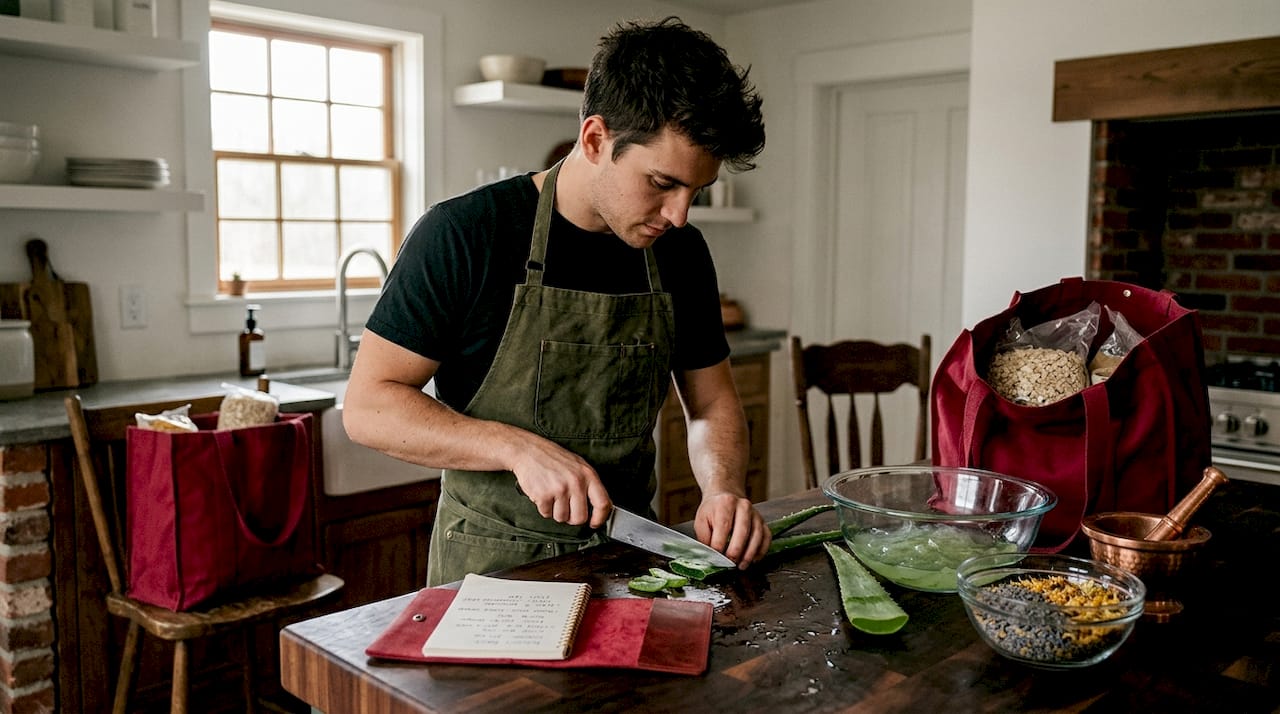
Pro Tip: Even from small-batch makers you trust, always request a full ingredient list and look for third-party verification when possible. “Natural” and “artisan” are unregulated marketing terms, so your best protection against greenwashing is reading the actual label carefully and asking direct questions.
The safety and regulation puzzle
Popularity brings responsibility. Next, it’s crucial to look behind the marketing and consider the realities of regulations affecting artisan beauty.
Here’s a fact that surprises many people: the FDA does not pre-approve most skincare products before they go to market. This applies to both billion-dollar corporations and someone making face cream at a kitchen table. The legal responsibility for product safety and accurate labeling rests entirely with the manufacturer. As the FDA clearly states for cosmetics, products must not be adulterated or misbranded, must be safe for consumers under normal use conditions, and must be properly labeled. The only category requiring pre-market approval is color additives.
That regulatory reality has real implications. It means a well-intentioned artisan maker who skips stability testing or mislabels an allergen is violating federal law, even if the product is made with love and the best organic ingredients money can buy. Good intentions don’t substitute for proper safety practices.
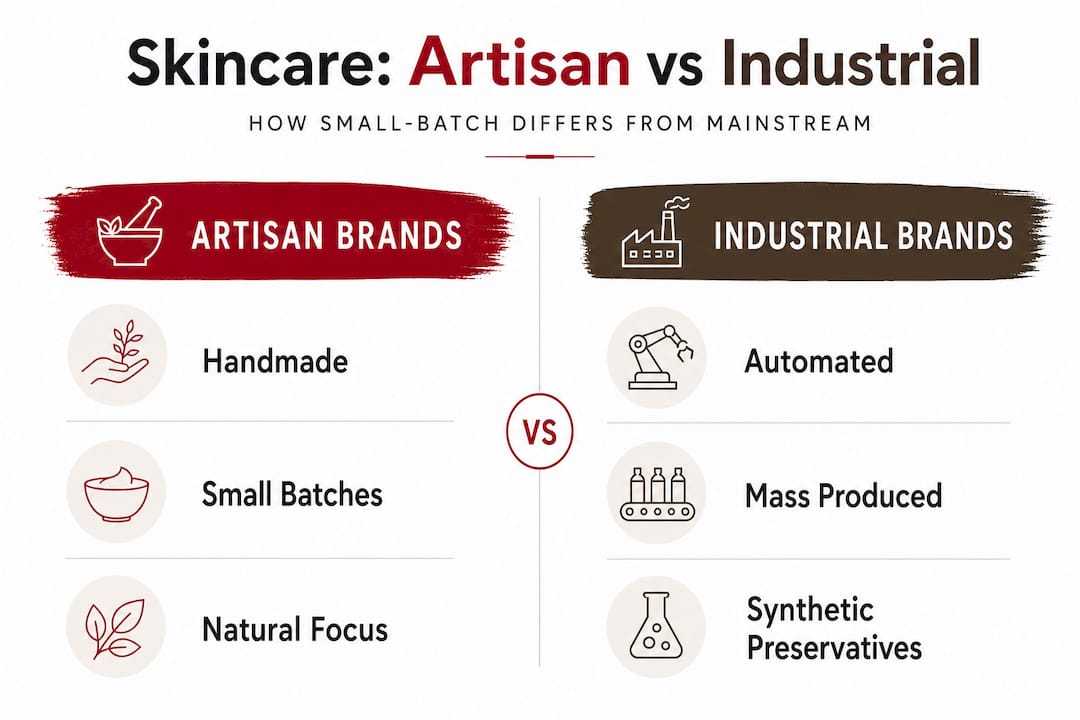
Key regulatory requirements: small-scale vs. industrial brands
| Requirement | Small-scale/artisan brands | Industrial brands |
|---|---|---|
| FDA pre-approval | Not required (except color additives) | Not required (except color additives) |
| Labeling accuracy | Required | Required |
| Color additive approval | Required | Required |
| Safety responsibility | With the maker | With the manufacturer |
| Recall authority | FDA can act on unsafe products | FDA can act on unsafe products |
The playing field is more level than people think. A small artisan brand carries the same legal weight of responsibility as a global cosmetic company when it comes to making sure their product is safe.
Steps for checking safety credentials when shopping artisan skincare:
- Look for a complete ingredient list using INCI (International Nomenclature of Cosmetic Ingredients) names.
- Check for a period after opening symbol, usually a jar icon showing how many months the product is safe to use.
- Research any unfamiliar ingredients using a credible database before applying them to your skin.
- Ask the maker directly about their batch testing and stability testing practices.
- Look for third-party certifications such as cruelty-free seals or organic certifications to verify claims independently.
Understanding vegan beauty regulations helps consumers recognize what “vegan” actually means in a legal and practical context, because that term is also unregulated in most markets.
Important callout: Reading the open-jar symbol and use-by guidance isn’t optional. Using an expired artisan product, especially one with fewer preservatives, is a genuine safety risk that mainstream skincare users rarely think about.
Launching an artisan skincare brand: Opportunities and pitfalls
With safety and legal basics covered, here’s where aspiring artisan skincare entrepreneurs should focus for success, and what hazards to avoid.
Starting an artisan skincare brand offers real advantages. You can build direct relationships with customers, maintain complete control over your ingredient sourcing, and carve out a niche position in a market where consumers are actively looking for brands they can trust. Small production scales also mean lower initial capital requirements and the flexibility to adjust formulas quickly based on customer feedback.
But the pitfalls are equally real. Many new makers underestimate the legal, safety, and operational requirements of running a compliant cosmetic business. The FDA makes clear that manufacturers and marketers are fully responsible for product safety and proper labeling, regardless of whether they’re a one-person studio or a global brand.
“Starting small doesn’t mean operating informally. Every batch you sell carries your name, your liability, and your responsibility to the people who trust you with their skin.”
5 critical steps for launching an artisan skincare brand:
- Get your legal foundation right. Register your business, understand cosmetic labeling laws in your target market, and consult with a regulatory specialist if you plan to sell in multiple states or countries.
- Source responsibly. Choose suppliers who can provide documentation of ingredient purity, sourcing origin, and safety data sheets. Your formula is only as good as what goes into it.
- Batch test for stability. Every formula should go through accelerated stability testing before it reaches a customer. This confirms the product won’t separate, grow bacteria, or degrade under normal conditions.
- Label honestly and completely. Include the full ingredient list, net quantity, your contact information, any warnings, and the period-after-opening symbol. Never use vague claims like “chemical free” or “toxin free.”
- Market with integrity. Avoid greenwashing. If your product is natural, explain specifically which ingredients and why. If it’s vegan, state how you verify that. Transparency builds loyalty; exaggeration destroys it.
Pro Tip: Start with one or two hero products rather than launching a full line. Perfect those formulas, run proper stability tests, gather real customer feedback, and build your brand story with evidence before you expand. Rushing a product to market is the fastest way to damage trust before you’ve even built it.
For an in-depth look at what responsible positioning looks like, the natural and vegan skincare guide walks through how to align product development with both consumer values and practical safety standards.
Why artisan skincare’s future hinges on trust, not just labels
Armed with practical steps and consumer insight, let’s step back and look at the philosophy that will shape artisan skincare’s future.
Here’s an uncomfortable truth: the artisan skincare space has a branding problem that stems from its own success. As the “handmade” and “natural” aesthetic became desirable, more brands adopted the language without adopting the substance behind it. The result is a market where genuinely rigorous small-batch makers compete on the same shelf, metaphorically speaking, with products that are merely packaged to look artisan.
We believe the brands that will endure are not the ones with the most beautiful labels or the most poetic ingredient stories. They’re the ones willing to show their work. That means publishing batch testing results, being honest about shelf life, disclosing sourcing partnerships, and never making safety claims they can’t back up with real data.
Small-batch marketing can legitimately appeal to consumer desires for transparency and sustainability, but it can also enable under-scrutinized safety claims. Regulatory and empirical thinking still matter profoundly for made-by-hand products. The intimate scale of artisan production doesn’t exempt a brand from the same standard of accountability that any responsible cosmetic company should meet.
The consumer side of this equation matters just as much. Shoppers who educate themselves about what to look for in a legitimate artisan product, asking about batch testing, checking INCI labels, understanding open-jar timelines, drive the market toward higher standards. When consumers reward genuine transparency over aesthetic appeal, brands that cut corners lose ground.
Bringing eco-friendly beauty in action into your everyday routine is most meaningful when the products you choose are genuinely earning that description, not just wearing it.
The future of artisan skincare is bright, but only for brands that treat trust as an operational standard, not a marketing message.
Bring artisan quality to your routine or brand
Ready to apply what you’ve learned, whether in your own skincare routine or a new business idea? Here’s how to take the next step.
At Didis Beauty Center, every product is formulated with the same values this article has explored: natural ingredients, vegan formulations, cruelty-free practices, and genuine transparency. Whether you’re looking to upgrade your daily routine with a brightening toner or a clean face soap, or you’re an entrepreneur ready to launch your own skincare line, there’s a clear path forward.
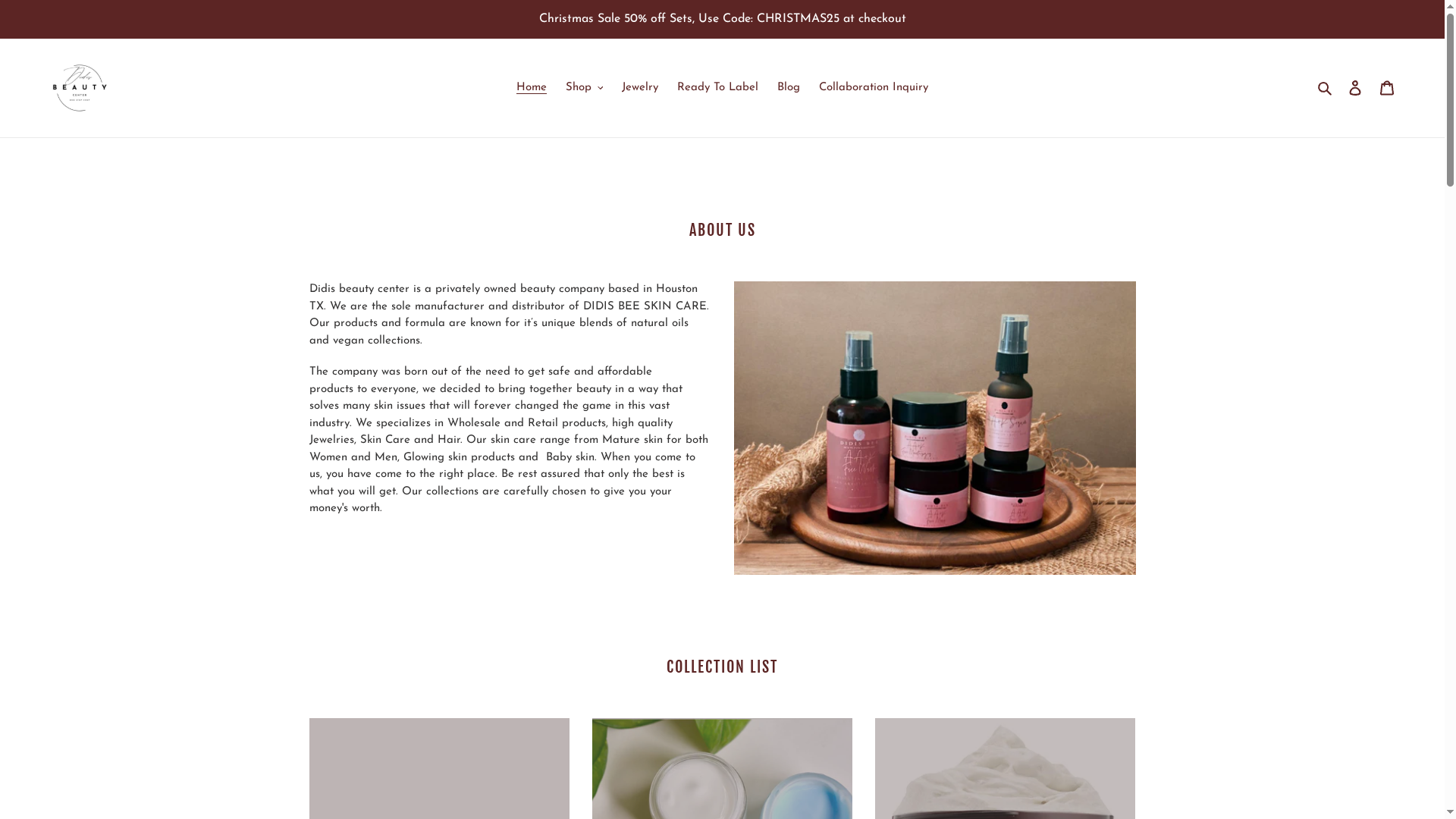
Entrepreneurs can explore ready-to-label private label packs designed for small-batch brands that want to launch quickly without compromising on ingredient quality. Consumers can shop a curated range of products built around responsible sourcing and effective plant-based formulations. Visit Didis Beauty Center to explore the full product range, read educational content, and find wholesale and private label solutions that match your goals.
Frequently asked questions
Does artisan skincare mean it’s safer than mainstream brands?
Not necessarily. Artisan skincare can offer impressive transparency, but safety depends on proper formulation, testing, and labeling, and the FDA requires all cosmetics to be safe and properly labeled regardless of production size.
How long do artisan skincare products last once opened?
Often shorter than mainstream alternatives. Because artisan products use fewer preservatives or synthetic stabilizers, always check for an open-jar symbol indicating the recommended use period after opening.
Do I need to worry about allergens in artisan skincare?
Absolutely. Even products made from entirely natural ingredients can trigger allergic reactions, so always review the full ingredient list and do a patch test on a small area of skin before committing to a new product.
Can I sell artisan skincare without FDA approval?
Most skincare products don’t require FDA pre-approval before going to market, but all safety and labeling requirements still apply fully, and non-compliance carries real legal risk regardless of how small your operation is.
Discourse (0)