


Many people believe organic skincare is just clever marketing or that natural ingredients can’t compete with lab-engineered formulas. This misconception keeps consumers from discovering products that genuinely support healthier skin while aligning with ethical values. Organic skincare offers measurable benefits for skin health, particularly for those with sensitivities, and provides environmental advantages that extend beyond personal care. This article explores the science-backed reasons consumers choose organic skincare, from clinical evidence supporting natural ingredients to sustainability practices that reduce environmental impact, while addressing practical considerations like cost and shelf life to help you make informed decisions.
Table of Contents
- Key takeaways
- Understanding organic skincare: what it is and why it matters
- Proven skin benefits of organic ingredients: science and evidence
- Environmental and ethical advantages of choosing organic skincare
- Considerations and challenges when choosing organic skincare
- Discover organic skincare products at Didis Beauty Center
- FAQ
Key Takeaways
| Point | Details |
|---|---|
| Certified organic standards | Third party audits verify labels such as USDA Organic COSMOS and Leaping Bunny. |
| Sensitive skin benefits | Clinical evidence shows organic ingredients reduce irritants and support barrier health for sensitive skin. |
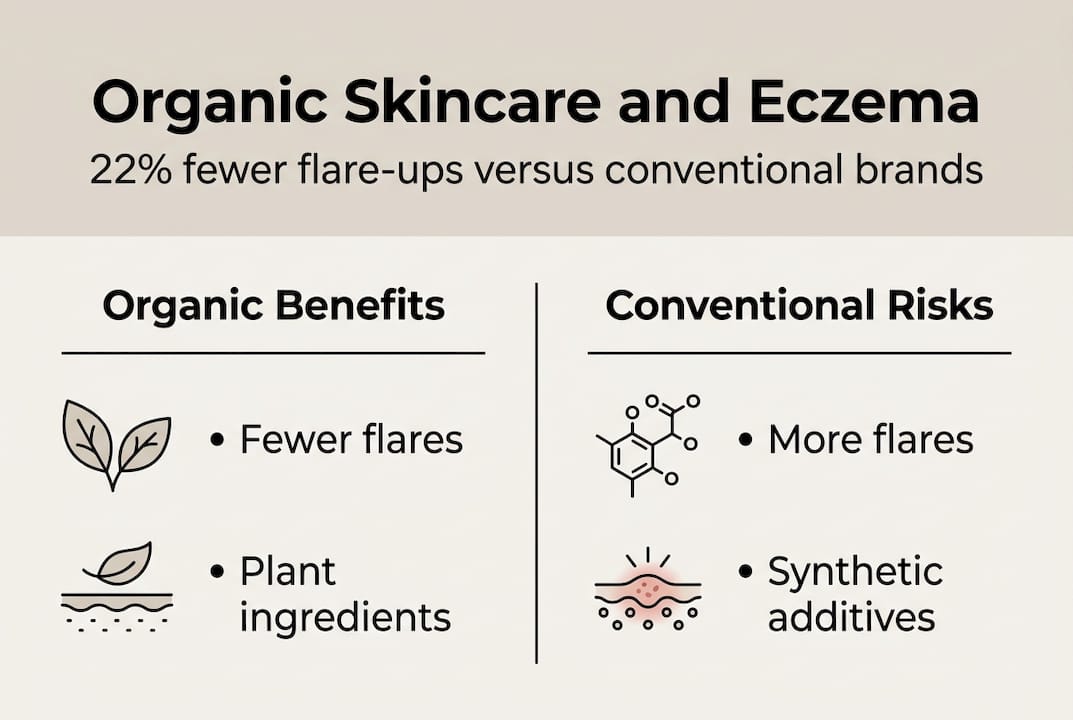
| Eczema flare reduction | A University of California study found organic skincare reduced eczema flare ups by 22 percent compared with conventional products. |
| Sustainability and ethics | Organic farming emphasizes soil health and biodiversity while often aligning with cruelty free and vegan practices. |
| Cost and shelf life | Higher price and variable shelf life along with potential allergen exposure are practical considerations when choosing organic skincare. |
Understanding organic skincare: what it is and why it matters
Organic skincare uses ingredients grown without synthetic pesticides, fertilizers, or genetically modified organisms. These products exclude harsh chemicals commonly found in conventional formulations, making them appealing to consumers seeking gentler alternatives. Certification standards vary by region, but reputable labels verify that products meet specific organic criteria and often include cruelty-free verification.
Recognized certifications include USDA Organic, COSMOS, and Leaping Bunny for cruelty-free verification. These labels require third-party audits to confirm ingredient sourcing and manufacturing processes. Without certification, brands can use terms like “natural” or “botanical” without meeting verifiable standards, creating confusion in the marketplace.
Consumers prioritize chemical-free ingredients for several reasons. Synthetic preservatives, artificial fragrances, and petroleum-based compounds can trigger reactions in sensitive skin types. Plant-based alternatives offer functional benefits while minimizing exposure to potentially irritating substances. For those following vegan skincare practices, organic certification often aligns with ethical preferences.
Key characteristics of certified organic skincare include:
- No synthetic pesticides, herbicides, or fertilizers in ingredient cultivation
- Prohibition of genetically modified organisms and irradiation
- Restrictions on synthetic preservatives and artificial fragrances
- Requirements for sustainable farming and processing methods
- Third-party verification through recognized certification bodies
Pro Tip: Check for specific certification logos rather than relying on front-label claims. Brands using terms like “natural” or “botanical” without certification may include conventional ingredients alongside organic ones, diluting the benefits you’re seeking.
The distinction between organic and conventional extends beyond ingredient lists. Farming practices for organic botanicals emphasize soil health and biodiversity, which can influence the concentration of beneficial compounds in plant extracts. This agricultural approach creates products that deliver active ingredients without residual pesticides or synthetic processing chemicals.
Proven skin benefits of organic ingredients: science and evidence
Clinical research demonstrates that essential oils show efficacy for specific skin concerns. Tea tree oil exhibits antimicrobial properties effective against acne-causing bacteria, while lavender oil supports skin barrier function and reduces inflammation. Systematic reviews confirm these benefits extend beyond anecdotal reports to measurable clinical outcomes.
A University of California study found that organic skincare produced a 22% reduction in eczema flare-ups compared to conventional products. This improvement stems from the absence of synthetic surfactants and harsh preservatives that compromise skin barrier integrity. For individuals with atopic dermatitis or chronic sensitivity, this difference translates to fewer inflammatory episodes and improved quality of life.
| Condition | Organic Skincare Effect | Conventional Product Effect | Improvement |
|---|---|---|---|
| Eczema flare-ups | 22% reduction | Baseline | 22% fewer episodes |
| Acne inflammation | Moderate improvement with tea tree oil | Variable with benzoyl peroxide | Comparable efficacy, less irritation |
| Skin barrier function | Enhanced with plant oils | Maintained with synthetic emollients | Better long-term resilience |
| Allergic reactions | Lower incidence with certified products | Higher with synthetic fragrances | Reduced sensitivity triggers |
Active plant compounds deliver targeted benefits without synthetic additives. These naturally occurring substances work synergistically, often providing multiple effects from a single ingredient. Understanding which compounds address specific concerns helps you select products that match your skin needs.
Key active compounds in organic skincare:
- Polyphenols from green tea and grape seed offer antioxidant protection against environmental stressors
- Fatty acids in plant oils like jojoba and argan strengthen skin barrier and reduce transepidermal water loss
- Terpenes in essential oils provide antimicrobial and anti-inflammatory effects for acne-prone skin
- Vitamins from cold-pressed oils deliver nutrients that support cellular repair and collagen synthesis
- Flavonoids in chamomile and calendula reduce redness and calm reactive skin
The efficacy of facial oils depends on matching fatty acid profiles to skin type. Oils high in linoleic acid benefit oily and acne-prone skin, while oleic acid-rich oils suit dry and mature skin types. This specificity allows organic formulations to address diverse needs without relying on synthetic actives.
Research continues to validate traditional botanical uses with modern scientific methods. Double-blind studies confirm that certain plant extracts perform comparably to synthetic alternatives while offering additional benefits. Rosehip oil, for example, demonstrates vitamin A activity similar to retinol derivatives but with better tolerability for sensitive skin.
Environmental and ethical advantages of choosing organic skincare
Organic skincare production reduces pesticide runoff and lowers CO2 emissions compared to conventional agriculture. Organic farming practices eliminate synthetic pesticides that contaminate waterways and harm ecosystems. This approach protects biodiversity and maintains soil health for long-term sustainability.

| Impact Category | Organic Skincare | Conventional Skincare | Synthetic Skincare |
|---|---|---|---|
| Pesticide use | None | Moderate to high | N/A (lab-synthesized) |
| CO2 emissions | 30% lower than conventional | Baseline | Variable, often higher |
| Water pollution | Minimal runoff | Significant pesticide runoff | Chemical discharge from manufacturing |
| Carbon footprint (vegan) | 10x lower than animal-derived | N/A | N/A |
| Packaging waste | Often minimal, recyclable | Standard plastic | Standard plastic |
Vegan organic products offer compounded environmental benefits. Plant-based ingredients require fewer resources than animal-derived alternatives like lanolin or beeswax. The carbon footprint of vegan formulations measures 10 times lower than products using animal oils, making them the most sustainable choice for environmentally conscious consumers.
Ethical considerations extend beyond environmental impact. Cruelty-free certification ensures no animal testing occurred during product development or ingredient sourcing. This verification matters because some regions still permit or require animal testing, creating ethical concerns for consumers who oppose these practices.
Practices indicating ethical and sustainable sourcing:
- Third-party cruelty-free certification from organizations like Leaping Bunny or PETA
- Transparent supply chain documentation showing ingredient origins and farming practices
- Fair trade certification ensuring equitable compensation for farmers and workers
- Biodegradable formulations that don’t persist in aquatic ecosystems
- Minimal packaging using recycled or recyclable materials
Pro Tip: Research brands that publish sustainability reports detailing their environmental impact metrics. Companies genuinely committed to sustainability measure and disclose carbon footprints, water usage, and waste reduction efforts rather than making vague green claims.
The choice to support organic skincare creates market demand that encourages more sustainable agricultural practices. As consumer preference shifts toward certified organic products, more farmers adopt methods that protect ecosystems and reduce chemical dependence. This ripple effect extends environmental benefits beyond individual purchase decisions.
Consumers interested in sustainable packaging should evaluate both product formulation and container materials. Brands committed to comprehensive sustainability address packaging choices alongside ingredient sourcing, recognizing that true environmental responsibility requires attention to every aspect of product lifecycle.
Considerations and challenges when choosing organic skincare
Organic skincare typically costs more than conventional alternatives due to higher production expenses and shorter shelf life. Organic farming requires more labor and yields smaller quantities of raw materials, increasing ingredient costs. Natural preservatives offer less broad-spectrum protection than synthetic alternatives, limiting product stability and requiring careful storage.
Shelf life presents a practical challenge for consumers. Products preserved with natural alternatives like vitamin E or rosemary extract typically last 6 to 12 months after opening, compared to 2 to 3 years for conventionally preserved products. This shorter window means you need to purchase smaller quantities and monitor expiration dates more carefully to avoid using degraded products.
Essential oils and plant extracts can trigger allergic reactions in sensitive individuals. While synthetic fragrances cause reactions in many people, natural compounds like limonene or linalool also act as potential allergens. The concentration and combination of botanical ingredients influence reaction risk, making patch testing essential before incorporating new products.
Product efficacy varies more widely in organic skincare than synthetic formulations. Natural ingredients contain complex mixtures of compounds that fluctuate based on growing conditions, harvest timing, and processing methods. This variability can affect consistency between batches, though reputable manufacturers implement quality control measures to minimize differences.
Strategies to address organic skincare challenges:
- Start with travel sizes to test products before investing in full-size versions
- Store products in cool, dark locations to maximize shelf life and preserve active compounds
- Conduct patch tests on inner arm for 24 to 48 hours before facial application
- Buy from established brands with consistent quality control and transparent ingredient sourcing
- Check production dates and choose freshly manufactured products when possible
- Accept that some variation in texture or scent between batches indicates authentic natural formulation
Cost barriers affect accessibility for some consumers. While organic skincare offers genuine benefits, the price premium can make regular use prohibitive. Prioritizing key products like cleansers and moisturizers for organic formulation while using conventional options for less critical items creates a balanced approach that manages costs while capturing primary benefits.
Understanding these limitations helps you make realistic decisions about incorporating organic skincare into your routine. The benefits for sensitive skin and environmental impact may justify higher costs and shorter shelf life for many consumers, while others may prefer conventional products that offer different advantages. Neither choice is inherently superior for all situations.
Discover organic skincare products at Didis Beauty Center
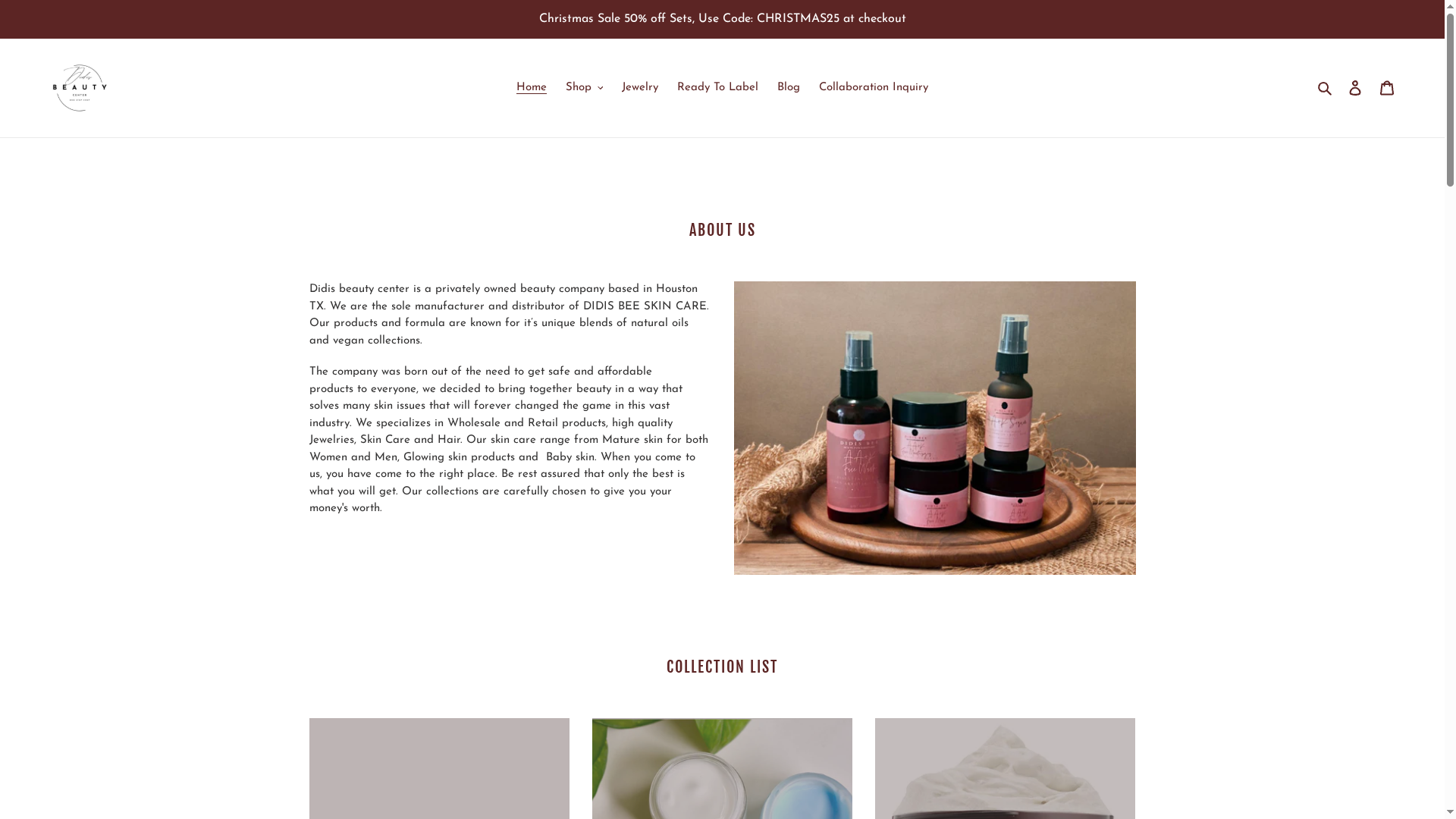
Now that you understand the benefits and considerations of organic skincare, finding quality products that meet your needs becomes the next step. Didis Beauty Center curates a selection of organic, cruelty-free, and vegan-friendly skincare designed for consumers who prioritize both effectiveness and ethical standards. The product line emphasizes natural formulations that deliver results without compromising on sustainability values.
Explore these organic skincare options:
- Kojic brightening face soap featuring natural brightening ingredients for even skin tone
- Facial and body soaps collection with various botanical formulations for different skin types
- Advanced brightening facial toner to refine and prepare skin for subsequent treatments
Pro Tip: Bundle complementary products like cleansers and toners to create a complete routine that maximizes benefits while offering better value than purchasing items individually.
Choosing certified organic products supports your skin health while contributing to more sustainable beauty industry practices. Each purchase signals market demand for ethically produced skincare, encouraging broader adoption of farming methods that protect ecosystems and reduce chemical dependence.
FAQ
Is organic skincare always better than conventional products?
Organic skincare offers specific advantages for sensitive skin and environmental sustainability but doesn’t universally outperform synthetic formulations in all categories. Conventional products may provide better stability, longer shelf life, and more predictable results for certain skin concerns. Your choice should reflect personal priorities regarding ingredient preferences, skin sensitivity, and ethical values rather than assuming organic automatically means superior performance.
Can organic skincare cause allergic reactions?
Essential oils and plant extracts in organic formulations can trigger allergic reactions in susceptible individuals, despite being natural. Common allergens include compounds like limonene, linalool, and geraniol found in many botanical ingredients. Always conduct patch tests before using new products, especially if you have known sensitivities. Natural doesn’t guarantee hypoallergenic, so evaluate ingredients carefully based on your individual reaction history.
How can I ensure an organic skincare product is truly cruelty-free and vegan?
Look for third-party certifications from recognized organizations like Leaping Bunny, PETA, or Vegan Society rather than relying on brand claims alone. These certifications require audits verifying no animal testing and no animal-derived ingredients throughout the supply chain. Research brand transparency by checking if they publish detailed ingredient sourcing information and manufacturing practices. Companies genuinely committed to vegan and cruelty-free standards typically provide comprehensive documentation rather than vague marketing statements.
What are the environmental benefits of using organic skincare products?
Organic skincare reduces pesticide contamination in waterways and lowers carbon emissions by approximately 30% compared to conventional production methods. Organic farming practices maintain soil health and protect biodiversity by eliminating synthetic chemicals that harm ecosystems. Vegan organic formulations offer additional benefits with carbon footprints 10 times lower than animal-derived ingredients. Supporting brands with sustainable packaging practices amplifies environmental benefits by addressing the complete product lifecycle from ingredient cultivation through disposal.
Discourse (0)