


The label “natural” on your skincare product might not mean what you think. Many products marketed as green beauty contain questionable ingredients, lack ethical standards, or use misleading certifications. This guide cuts through the confusion, explaining what authentic green beauty means, how to identify trustworthy products, and practical steps for consumers and entrepreneurs building sustainable, cruelty-free brands.
Table of Contents
- Understanding Green Beauty: Definition And Core Principles
- Key Ingredients And Safety In Green Beauty Products
- Cracking The Cruelty-Free And Vegan Codes
- Sustainability Beyond Ingredients: Packaging And Production
- Common Misconceptions About Green Beauty
- Certifications, Labels, And How To Choose Authentic Green Beauty Products
- Launching A Green Beauty Brand: Practical Insights For Entrepreneurs
- Discover Private Label Options At Didis Beauty Center
Key takeaways
| Point | Details |
|---|---|
| Green beauty combines natural ingredients with ethical and sustainable practices | It’s not just about what’s inside; it’s about cruelty-free testing, vegan formulations, and eco-friendly packaging |
| Ingredient transparency separates authentic products from greenwashing | Look for full ingredient lists, safety data, and third-party certifications like ECOCERT or USDA Organic |
| Cruelty-free and vegan standards protect animals and expand market appeal | Vegan beauty demand increased 35% from 2022 to 2025, driven by ethical and allergy-conscious consumers |
| Sustainable packaging reduces environmental impact by up to 30% | Biodegradable materials and refillable systems lower carbon footprints significantly |
| Entrepreneurs can build trust by prioritizing certifications and transparency | Early investment in credible standards creates competitive advantage and consumer loyalty |
Understanding green beauty: definition and core principles
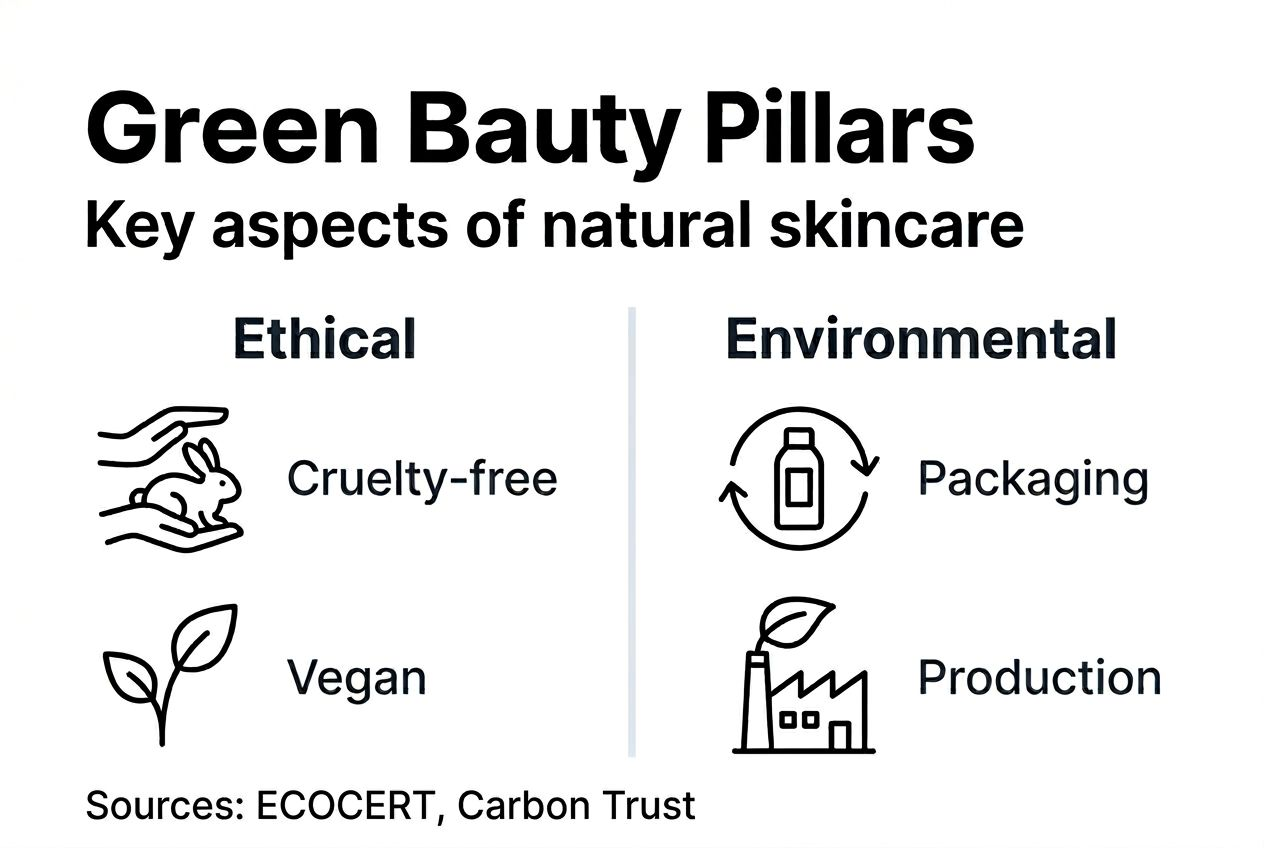
Green beauty rests on three foundational pillars: ingredient integrity, ethical practices, and environmental sustainability. Each pillar supports the others, creating a holistic approach to skincare that benefits people and the planet.
Ingredient integrity focuses on non-toxic natural ingredients free from synthetic pesticides, parabens, and phthalates. These harmful chemicals can disrupt hormones, trigger allergies, and accumulate in ecosystems. Green beauty products prioritize botanical extracts, plant oils, and minerals that deliver health benefits without compromising safety.
Ethical practices ensure no harm comes to animals during product development. This means cruelty-free testing protocols and vegan formulations that exclude animal-derived ingredients like beeswax, lanolin, and collagen. Brands committed to these standards often seek third-party certifications to verify their claims.
Environmental sustainability addresses the full product lifecycle. This includes sourcing renewable ingredients, minimizing water and energy use during manufacturing, and choosing packaging materials that biodegrade or recycle easily. Companies practicing true sustainability track their carbon footprint and work continuously to reduce it.
Understanding these principles helps you evaluate products accurately:
- Ingredient lists should be transparent and accessible, not hidden behind proprietary formulas
- Ethical certifications verify cruelty-free and vegan claims through independent audits
- Sustainable sourcing protects biodiversity and supports fair labor practices
- Eco-friendly packaging reduces waste and pollution throughout the supply chain
These core values separate authentic green beauty from conventional products wearing a green marketing veneer.
Key ingredients and safety in green beauty products
Ingredient selection makes or breaks a green beauty product’s authenticity. Over 75% of green beauty consumers check ingredient safety before purchase, reflecting widespread concern about what goes on skin.
Avoid these common harmful ingredients:
- Synthetic pesticides that persist in the environment and bioaccumulate in tissues
- Parabens that mimic estrogen and potentially disrupt endocrine function
- Phthalates linked to reproductive health issues and developmental problems
- Formaldehyde-releasing preservatives classified as probable carcinogens
- Synthetic fragrances that often contain undisclosed allergens and irritants
Ingredient transparency enables informed decisions. Brands practicing clean beauty disclose full ingredient lists, safety testing results, and sourcing information. This openness helps consumers with sensitivities identify potential allergens before purchase.
Natural doesn’t automatically mean safe. Essential oils can cause photosensitivity. Plant extracts may trigger allergic reactions in sensitive individuals. Reputable green beauty brands conduct patch testing and stability studies to ensure their formulations perform safely across diverse skin types.
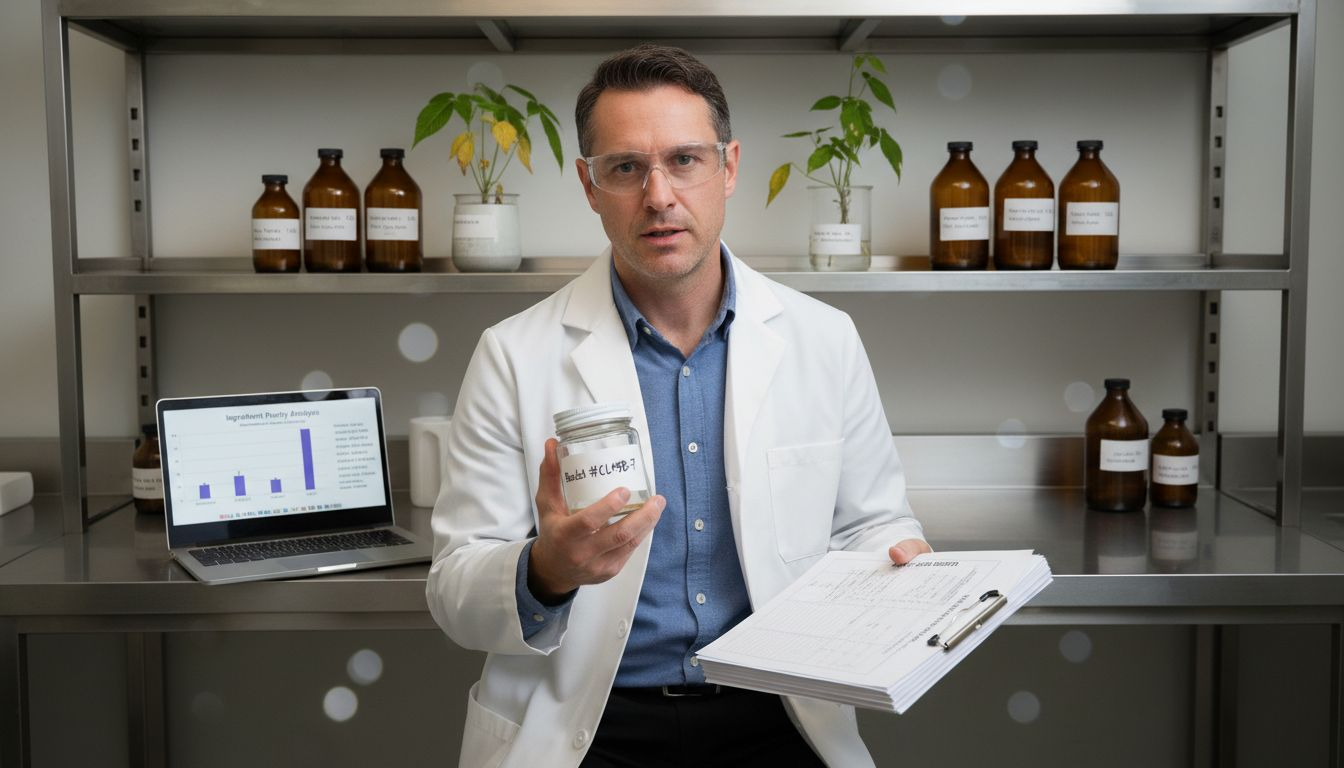
Pro Tip: Download the EWG Skin Deep app to scan product barcodes and instantly check ingredient safety ratings based on peer-reviewed research.
Look for brands that provide batch-specific certificates of analysis, third-party testing results, and clear allergen warnings. This level of detail signals a commitment to consumer safety that goes beyond marketing claims.
Cracking the cruelty-free and vegan codes
Cruelty-free and vegan represent distinct ethical commitments often confused in green beauty marketing. Cruelty-free means no animal testing occurred at any stage of product or ingredient development. This includes testing by suppliers, manufacturers, or third parties in any global market.
Vegan products exclude all animal-derived ingredients. Common animal ingredients to avoid include beeswax, lanolin, collagen, carmine, and squalene from shark liver. Vegan beauty demand increased 35% from 2022 to 2025, driven by ethical concerns and allergy consciousness.
Certifications matter because self-declared claims lack accountability:
- Leaping Bunny certification requires comprehensive auditing of supply chains
- PETA’s Beauty Without Bunnies program verifies no animal testing globally
- Vegan Society certification confirms zero animal ingredients or by-products
- Choose Cruelty-Free (CCF) provides Australia-specific cruelty-free verification
Some products claim cruelty-free status while selling in markets requiring animal testing. China’s cosmetic regulations historically mandated animal testing for imported products, creating a loophole many brands exploited. Recent regulatory changes allow some exemptions, but vigilance remains essential.
Market growth reflects shifting consumer values. Millennials and Gen Z prioritize ethical consumption, driving mainstream retailers to expand vegan and cruelty-free offerings. This demographic shift creates opportunities for entrepreneurs building values-driven brands.
Verify claims by checking certification databases directly. Brand websites may display logos without current certification status, so cross-reference with certifying organizations.
Sustainability beyond ingredients: packaging and production
Packaging represents a significant environmental impact often overlooked in green beauty discussions. Traditional plastic containers persist in landfills for centuries, leach chemicals into soil and water, and contribute to ocean pollution.
Sustainable packaging innovations include:
- Biodegradable materials like bamboo, mushroom mycelium, and cornstarch-based bioplastics
- Post-consumer recycled (PCR) plastics that reduce virgin material demand
- Refillable systems allowing customers to reuse primary packaging indefinitely
- Minimalist designs reducing material use without compromising product protection
Sustainable beauty practices reduce carbon emissions by up to 30% per product life cycle compared to conventional products. This reduction comes from renewable energy use, local sourcing, efficient transportation, and waste minimization.
| Packaging Type | Environmental Impact | Cost Factor | Consumer Appeal |
|---|---|---|---|
| Glass | Recyclable, heavy transport emissions | Higher upfront cost | Premium perception |
| PCR Plastic | Reduces virgin plastic demand | Moderate cost | Growing acceptance |
| Bioplastic | Biodegradable, requires specific conditions | Variable cost | Educational barrier |
| Refill Systems | Lowest lifecycle impact | Initial investment high | Strong loyalty driver |
Production sustainability extends beyond packaging. Green manufacturers use renewable energy, recycle water, minimize waste through closed-loop systems, and source ingredients locally when possible. Packaging beauty products naturally requires balancing protection, aesthetics, cost, and environmental impact.
Pro Tip: Calculate your product’s carbon footprint using tools like the Carbon Trust’s calculator to identify reduction opportunities and communicate sustainable beauty impact transparently to customers.
Challenges include maintaining product stability, meeting regulatory requirements, and managing costs while pursuing sustainability goals. Successful brands treat these as innovation opportunities rather than obstacles.
Common misconceptions about green beauty
Misconceptions about green beauty create confusion that undermines consumer confidence and enables greenwashing. Understanding these myths helps you make better purchasing decisions.
Natural doesn’t guarantee safety or hypoallergenic properties. Some natural ingredients cause irritation or allergies, while many products labeled natural lack ethical standards like cruelty-free testing. Poison ivy is natural, but you wouldn’t put it on your face.
Green beauty products may involve indirect animal testing. A brand might not test finished products on animals but source ingredients from suppliers who do. Without comprehensive supply chain auditing, cruelty-free claims remain unverified.
Lack of regulation enables misleading claims:
- Terms like “natural,” “clean,” and “green” have no legal definitions in most markets
- Brands can display certification logos without current valid certification
- Greenwashing uses eco-friendly imagery while maintaining conventional practices
- Percentage claims (“95% natural”) may exclude the most problematic 5%
Organic certification for beauty products differs from food standards. No unified global standard exists, so “organic” can mean different things depending on the certifying body and region.
Consumers should look beyond marketing and verify authenticity through certification databases, ingredient research, and brand transparency. Reputable companies welcome scrutiny and provide detailed information about their practices.
Certifications, labels, and how to choose authentic green beauty products
Navigating green beauty certifications requires understanding what each label guarantees and which organizations provide credible verification.
| Certification | What It Verifies | Geographic Focus | Key Strengths |
|---|---|---|---|
| ECOCERT | Organic ingredients, sustainable practices | Europe, global | Rigorous organic standards |
| USDA Organic | 95%+ organic ingredients | United States | Government-backed credibility |
| COSMOS | Natural/organic cosmetics, sustainability | Global | Harmonized international standard |
| Leaping Bunny | No animal testing, supply chain audits | Global | Most comprehensive cruelty-free program |
| Vegan Society | Zero animal ingredients or testing | Global | Strict vegan verification |
Understanding label terminology prevents confusion:
- “Natural” lacks legal definition; check ingredient percentages and sources
- “Organic” requires certification specifying percentage and standard used
- “Vegan” means no animal ingredients but doesn’t guarantee cruelty-free status
- “Cruelty-free” covers testing but allows animal-derived ingredients
- “Clean” is a marketing term without standardized meaning
Practical tips for choosing authentic products:
- Visit certification websites to verify current brand status
- Read full ingredient lists, not just marketing highlights
- Research unfamiliar ingredients using databases like EWG Skin Deep or CosDNA
- Contact brands directly with questions about sourcing and testing
- Prioritize transparency; evasive answers suggest something to hide
Pro Tip: Screenshot certification verification from official databases when researching products, as brand websites may not reflect current status if certifications lapse.
Entrepreneurs benefit from obtaining certifications early. The investment builds credibility, differentiates products in crowded markets, and provides third-party validation that marketing alone cannot achieve.
Launching a green beauty brand: practical insights for entrepreneurs
Building an authentic green beauty brand requires strategic planning, ethical commitment, and market awareness. Follow these steps to create a sustainable, credible skincare line.
-
Research safe, natural ingredient sourcing and formulation standards. Partner with suppliers providing certificates of analysis, organic certifications, and transparency about growing and processing methods. Understand ingredient interactions, stability requirements, and preservation needs for natural formulations.
-
Verify cruelty-free status through credible certifications. Apply for Leaping Bunny or PETA certification early, as the audit process takes months. Document your entire supply chain to prove no animal testing occurs at any stage.
-
Choose sustainable, eco-friendly packaging options. Evaluate materials based on lifecycle impact, not just recyclability. Consider refill programs, minimalist designs, and local manufacturing to reduce transportation emissions.
-
Obtain key certifications for organic, vegan, and cruelty-free claims. Budget for certification costs as part of startup expenses. These investments pay dividends through increased consumer trust and retail partnerships.
-
Transparently educate consumers to build trust and loyalty. Share your sourcing story, explain ingredient choices, and admit challenges openly. Consumers reward honesty and penalize discovered deception severely.
Additional considerations for success:
- Study examples of cruelty-free brands to understand positioning strategies
- Review 7 cruelty-free skincare examples for formulation inspiration
- Develop a clear brand narrative connecting values to product benefits
- Price products to reflect quality while remaining accessible to target customers
- Build community through education, not just sales pitches
Regulatory compliance varies by market. Research requirements for ingredient disclosure, safety testing, and labeling in each region you plan to sell. Non-compliance can result in product recalls, fines, and reputation damage.
Starting small allows you to test formulations, gather customer feedback, and refine your approach before scaling. Many successful green beauty brands began with a single hero product that solved a specific problem exceptionally well.
Discover private label options at Didis Beauty Center
Building a green beauty brand requires expertise, resources, and reliable partners committed to sustainability and ethics. Didis Beauty Center offers private label services designed specifically for entrepreneurs launching or expanding cruelty-free skincare lines.
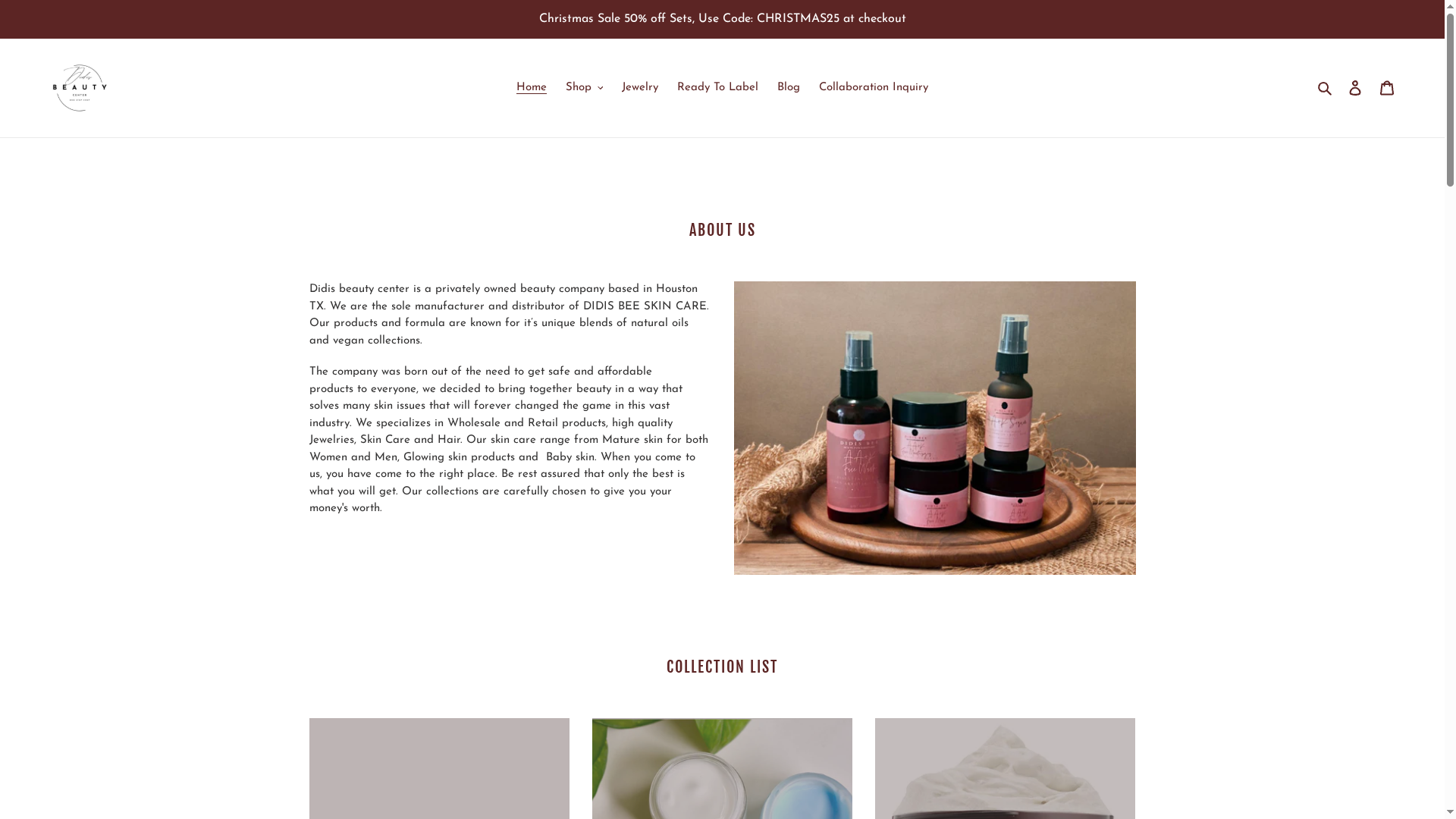
Benefit from sustainable formulations developed by industry experts, cruelty-free certifications that verify ethical practices, and eco-friendly packaging options that reduce environmental impact. Whether you’re creating your first product or scaling an existing line, private label solutions provide the foundation for authentic green beauty brands that consumers trust.
Leverage proven expertise to navigate ingredient sourcing, regulatory compliance, and certification processes confidently. Focus on building your brand story while experienced partners handle formulation, testing, and production complexities.
Frequently asked questions
What is green beauty?
Green beauty refers to skincare and cosmetic products emphasizing natural, non-toxic ingredients combined with ethical practices like cruelty-free testing and vegan formulations. It also prioritizes environmental sustainability through eco-friendly packaging and responsible sourcing. The approach considers the full product lifecycle, not just marketing claims.
How can I tell if a beauty product is truly green?
Look for certifications like ECOCERT, USDA Organic, COSMOS, and Leaping Bunny from independent verification bodies. Review full ingredient lists carefully, avoiding vague terms or unverified claims. Check certification databases directly rather than relying solely on brand websites.
What does cruelty-free really mean in green beauty?
Cruelty-free means no animal testing occurred on the finished product or its ingredients at any development stage, including supplier testing. Beware that some products falsely claim cruelty-free status without third-party certification or while selling in markets requiring animal testing.
Can green beauty products cause allergies?
Yes, some natural ingredients can cause irritation or allergic reactions in sensitive individuals, making ingredient transparency essential. Essential oils, plant extracts, and botanical compounds may trigger responses. Always patch test new products and review ingredient lists for known allergens.
What should entrepreneurs consider when starting a green beauty brand?
Focus on safe ingredient sourcing, obtaining ethical certifications, and choosing sustainable packaging from the start. Study inspiring cruelty-free brand examples for guidance on positioning and market differentiation. Build transparency and consumer education into your marketing strategy to establish trust and differentiate from greenwashing competitors.
Recommended
- Defining Sustainable Beauty: Impact on Modern Skincare – Didis Beauty Center
- Natural Skincare Formulation Guide 2026: 12-Week Success – Didis Beauty Center
- What is ethical apparel? A guide for conscious buyers – ChillStitchApparel
- Snacks in Green Packaging: Attracting Eco-Conscious Shoppers – Spaceman
Discourse (0)